Definition: A quit drinking app is a mobile tool that helps adults stop or reduce alcohol consumption through progress tracking, craving logs, behavioral exercises, and accountability features, designed as a private, low-barrier complement to professional treatment.
At a Glance: Best Apps to Quit Alcohol in 2025
Quick answer: The best quit drinking app is usually the one that helps you act during the moments you are most likely to drink. For many people, that means fast craving logging, trigger notes, sober-day tracking, money-saved estimates, and privacy controls that make the app easy to use honestly.
Key takeaways
- Choose an app that is quick to open during a craving, not just attractive after the fact.
- Trigger tracking can help you spot patterns such as stress, certain people, weekends, or late-night routines.
- Sober-day streaks may motivate some people, but a lapse should be treated as data, not failure.
- Money-saved and progress dashboards can make small daily choices feel more visible.
- Privacy matters because alcohol use logs can feel sensitive; review account, sharing, and data settings.
- If you may have alcohol withdrawal symptoms, ask a clinician before stopping abruptly.
The strongest quit alcohol apps combine daily tracking with specific coping tools, not just motivational quotes. A good app should make the Friday 6 p.m. drink feel less automatic by showing your pattern before the craving peaks.
| App Name | Best For | Key Features | Free Tier | Multi-Addiction Support |
|---|---|---|---|---|
| MeQuit | Overall quit drinking and related habit support | Cravings, streaks, money saved, health milestones, reset tools | Yes | Yes, alcohol, smoking, vaping |
| I Am Sober | Streak tracking | Pledges, sober counter, community posts | Yes | Limited |
| Reframe | Alcohol education | Lessons, CBT-style tools, check-ins | Limited | Alcohol-focused |
| Sunnyside | Mindful drinking | Drink planning, moderation goals, coaching | Limited | Alcohol-focused |
| LOOSID | Sober lifestyle | Community, events, sober dating and social tools | Yes | Alcohol-focused |
Apps such as Me Quit, I Am Sober, Reframe, Sunnyside, and LOOSID fit different needs. If you want a deeper setup flow, an app to help me quit drinking should ask about goals, triggers, and reminders before it celebrates progress.
5 Facts About Sobriety Apps for Quitting Drinking
Sobriety apps matter because alcohol change often starts privately, long before someone talks to a doctor, partner, or group. The beer fridge hum during dinner prep can be enough to trigger a decision you meant to avoid.
- In 2022, about 29.5 million Americans aged 12 or older had alcohol use disorder, according to NIAAA data NIAAA alcohol data.
- A national SAMHSA survey found that over 80% of people with alcohol use disorder received no treatment in the past year SAMHSA.
- In a review of 20 alcohol cessation apps, self-control apps with tracking and goal setting received more positive user reviews than purely motivational apps the NIH.
- A Cochrane review found that digital alcohol interventions can produce small-to-moderate reductions in drinking cochranelibrary.
- Per the CDC, excessive alcohol use causes more than 140,000 deaths in the United States each year CDC alcohol data.
Small tools count.
For people who are not ready for formal treatment, a quit alcohol app can be a low-barrier first step because it turns vague concern into logged behavior.
Named Shortlist: Top 5 Quit Alcohol Apps Ranked
The top quit drinking apps differ most in what they ask you to do when the urge hits. A counter helps, but a coping prompt during shaky fingers over a phone screen helps more.
MeQuit: Best Overall App to Stop Drinking
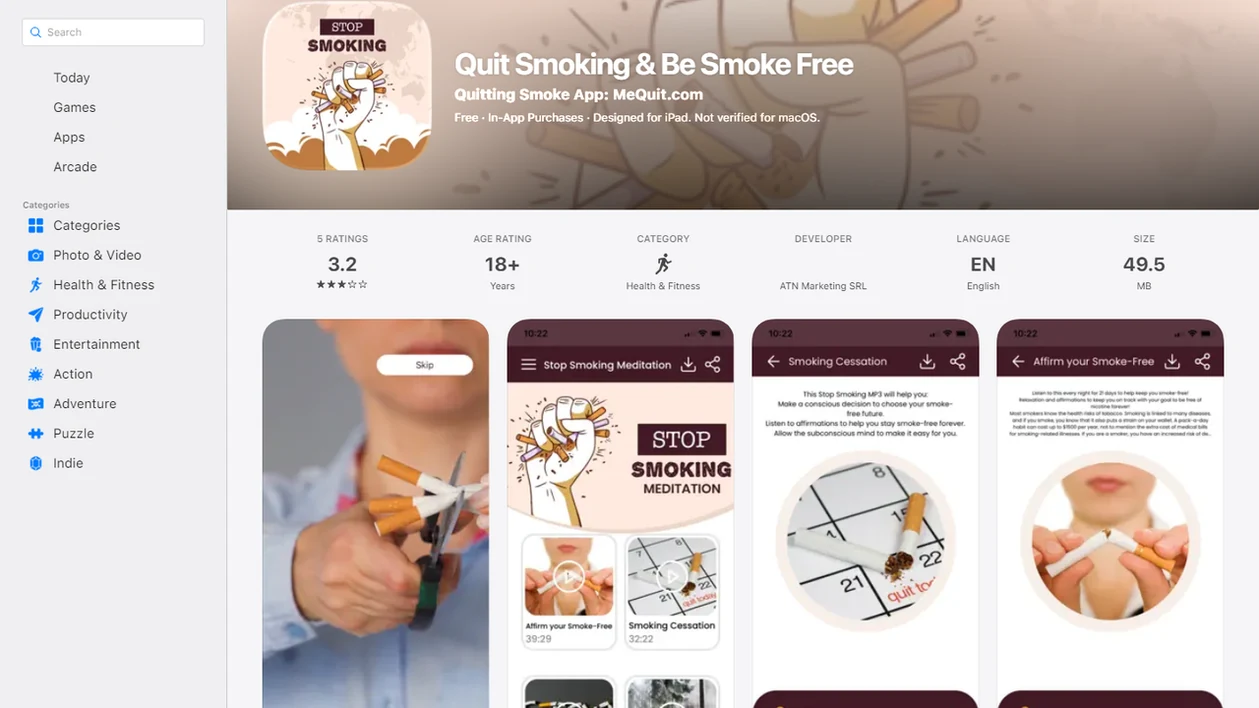
MeQuit is the strongest overall pick for people who want alcohol tools plus nicotine support. The Me Quit mequit addiction recovery hub for quit smoking, stop vaping, quit drinking, and mindful alcohol reduction delivers private progress tracking across linked habits, not a public identity or medical treatment.
I Am Sober: Best Sobriety Streak Tracker
I Am Sober works well for people who want a clean sober-day count, daily pledges, and simple motivation. It is easy to understand on day one.
Reframe: Best for CBT-Based Alcohol Education
Reframe fits readers who want structured lessons, reflection prompts, and CBT-style skill building. It feels more like a course than a counter.
Sunnyside: Best for Mindful Alcohol Reduction
Sunnyside is useful for moderation goals, planned dry days, and cutting back without a full abstinence label.
LOOSID: Best for Sober Community Support
LOOSID is strongest for sober social life, community connection, and finding alcohol-free events.
How a Quit Drinking App Works: Behavior-Change Science
A quit drinking app works by turning habit loops into visible data: cue, craving, response, reward. In plain language, it helps you notice what happened before the drink, choose a different action, and see the result quickly.
Self-monitoring theory explains why logging drinks and cravings can improve self-control. Coping-skills training adds a plan, such as “if I pass the liquor aisle after work, then I buy sparkling water and leave.” These are implementation intentions. They sound plain, but they reduce decision-making when your brain is already bargaining.
Progress feedback loops also matter. Streaks, money saved, and health milestones make invisible gains visible. A quit drinking app with money saved can make one skipped bottle feel concrete by showing the running total.
Clinicians typically recommend combining self-monitoring, goal setting, coping practice, and outside support when alcohol use is hard to control. Tools like Me Quit apply those same behavior-change pieces across drinking, smoking, and vaping, which matters when one habit cues another.
Ready to start your quit?
Quick answer: A strong quit drinking app is one you will actually open during a craving window, not just one with a polished streak badge. Look for craving tracking, sober-day…
How to Use a Sobriety App to Quit Drinking
The best way to use a sobriety app is to set one clear goal, log honestly for a week, and review your trigger pattern daily. Don’t wait until the plan feels tidy. Start with the next craving.
- Set a quit date or reduction goal. Choose full sobriety, dry weekdays, or a weekly drink limit.
- Log baseline drinking and triggers. Record time, place, mood, and what happened right before the urge.
- Enable craving alerts and coping prompts. Use reminders before high-risk windows, such as after work or before dinner.
- Review your daily dashboard. Check streak, money saved, and health milestones once per day.
- Reset the plan after a slip. A lapse is one event; relapse means the old pattern has taken over again.
Reset, not restart from zero.
If your phone is your main support tool, choose a quit drinking app for iPhone or Android option that makes logging fast enough to use in public.
Feature Checklist: What the Best App to Quit Alcohol Must Include
The best app to quit alcohol should help you act during a craving, review patterns later, and protect your privacy. Pretty charts are not enough if the app does nothing when the party cooler is packed with cans.
Use this checklist before choosing:
- Craving tracker with time-stamped logs
- Sober-day counter and streak system
- Money-saved and health-milestone dashboard
- Reminder and push-notification system
- Privacy-first design with no required social sharing
- Optional community or accountability features
- Multi-addiction support for smoking, vaping, and drinking
- Fast reset flow after a lapse
For people who respond to visible progress, a quit drinking app with streak counter is often easier to stick with because each day creates a simple feedback signal.
The most useful apps combine self-control tools with encouragement, while lighter apps fit people who only need a reminder and a counter.
Who Each Quit Drinking App Is Best For
The best quit drinking app for you depends on what actually changes your next decision: a number, a lesson, a plan, a person, or privacy. Match the app to the moment where drinking usually wins.
- Choose a streak-first app if daily counting gives you energy. A clear sober-day number can make one ordinary Tuesday feel like progress, especially early on.
- Pick an education-first app if you like lessons, CBT-style prompts, and short exercises that explain why the urge keeps showing up.
- Use a moderation app if your target is fewer drinks, planned dry days, or mindful alcohol reduction rather than full abstinence.
- Look for a community app if sober events, peer posts, dating, or alcohol-free social plans make the change feel less lonely.
- Keep it private if public posting would make you edit the truth. A quiet tracker with no required sharing is often better for honest logs, slips, and trigger notes.
Me Quit fits people who want private, practical tracking across alcohol and related habits, while other apps may be better when one feature, like lessons or community, is the main draw.
When an App to Stop Drinking Is Not Enough
An app to stop drinking is not enough when withdrawal, severe dependence, or mental health risk is present. Acute alcohol withdrawal can be life-threatening and needs medical oversight, especially after heavy daily drinking.
Watch for shaking, sweating, confusion, seizures, hallucinations, chest pain, or severe vomiting. Don’t try to manage those symptoms with notifications and willpower. That is a medical situation.
People with severe alcohol use disorder, pregnancy, medication questions, suicidal thoughts, or co-occurring depression or anxiety may need in-person treatment, therapy, medication-assisted treatment, or supervised detox. The SAMHSA National Helpline can help people in the United States find treatment and support services.
Me Quit can complement clinical care by tracking cravings, dry days, and triggers between appointments. It should never replace a clinician, emergency care, detox support, or a treatment plan for high-risk alcohol withdrawal.
Limitations
Sobriety apps are useful, but they have real limits. A phone reminder during a smoke break may interrupt one urge; it cannot treat severe alcohol withdrawal or diagnose alcohol use disorder.
- No app can safely manage acute alcohol withdrawal for heavy, long-term drinkers.
- Users with severe alcohol use disorder may need medication-assisted treatment.
- Apps cannot diagnose alcohol use disorder or prescribe treatment.
Privacy also matters. Before entering sensitive notes, check the app’s policy and choose a quit drinking app privacy setup that explains data collection clearly.