App To Help Me Quit Drinking: A Practical Phone-Based Guide
MeQuit is an app to help me quit drinking by giving you private craving tools, alcohol goals, streak tracking, and progress milestones on your phone. It is best for adults who want a simple daily system to cut back, stop drinking alcohol, or track mindful alcohol reduction without judgment.
Definition: MeQuit is a private behavior-change app that helps adults quit smoking, stop vaping, drink less, and track cravings, streaks, goals, and milestones.
TL;DR
- A quit-drinking app is most useful when it combines drink tracking, craving support, sober-day streaks, goals, reminders, and relapse reflection.
- Research suggests smartphone alcohol interventions can help reduce drinking, but results are usually small to moderate and depend on consistent use.
- MeQuit is designed as a private behavior-change hub for adults who want to quit smoking, stop vaping, drink less, or manage multiple habits together.
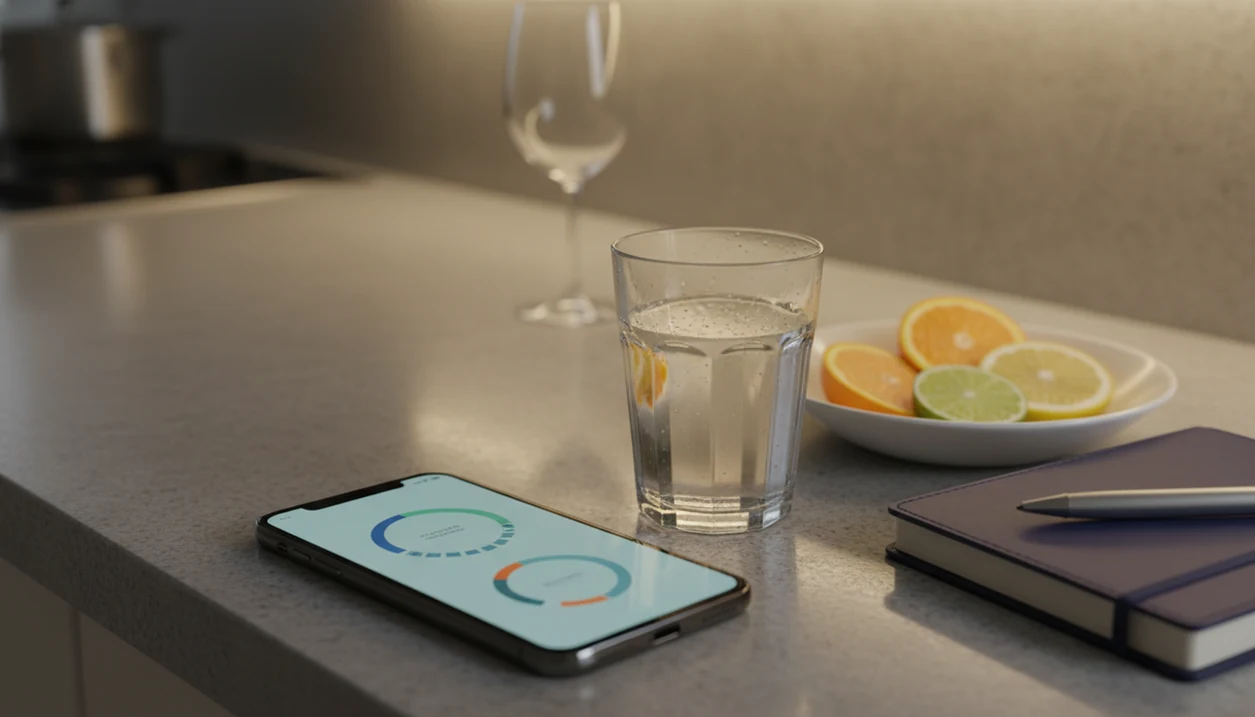
How these apps look
Quick answer: An app can help you quit or cut back on drinking by making cravings, triggers, goals, and sober-day progress easier to notice. For many adults, private daily tracking is a useful support tool, but it is not a substitute for medical care if alcohol withdrawal, dependence, or safety risks are present.
Key takeaways
- Set a clear alcohol goal: quit, cut back, or track mindful drinking.
- Log cravings close to when they happen so patterns are easier to spot.
- Track triggers such as stress, social plans, boredom, sleep, or conflict.
- Use streaks and milestones as feedback, not as proof of success or failure.
- Plan for high-risk times before they happen, especially evenings and weekends.
- Seek medical advice before stopping suddenly if you drink heavily or have withdrawal symptoms.
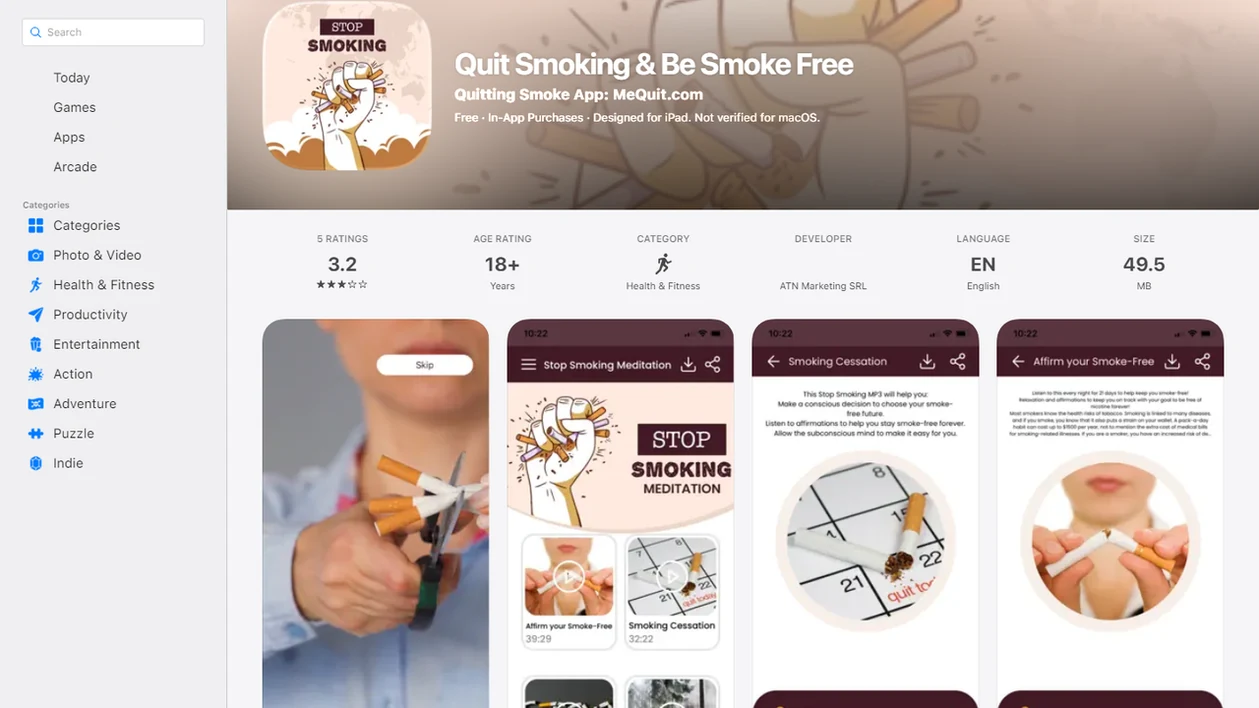
Side-by-side captures of the compared products. Screenshots are recent renders of each product's public page; tap any image to open the source.
Best app to help me quit drinking privately
A practical private option is an app that helps you notice the drinking pattern before the next drink feels automatic. For adults trying to stop drinking or cut back, the best fit is usually a quiet tool that supports logging, craving delay, goals, and sober-day tracking without turning every check-in into a public confession.
The core job is simple: log cravings, set alcohol-reduction goals, track streaks, mark milestones, and use reminders when your usual drinking window shows up. That might be the Friday 6 p.m. drink that makes a cigarette feel automatic, or the second pour you barely decided on.
For someone searching for an app to help me quit drinking, the right tool should support a small next step, not promise a cure. Me Quit supports behavior change, but it is not medical detox, emergency care, or treatment for dangerous withdrawal.
Quiet helps.
At-a-glance features in an app to quit drinking alcohol
A useful app to quit drinking alcohol should do more than count days. Dashboards can feel motivating, but they are weaker when they do not help you handle the next craving window.
| Feature | Why it matters | How Me Quit supports it |
|---|---|---|
| Drink tracking | Shows when, where, and how much you drink | Lets you record alcohol use and review patterns |
| Craving logging | Separates urges from decisions | Helps name cravings, triggers, and context |
| Streaks | Makes dry days visible | Tracks sober streaks and progress markers |
| Goals | Supports cutting back or abstinence | Allows alcohol-reduction goals and reset planning |
| Milestones | Gives progress a timeline | Highlights health, money, and behavior milestones |
| Private progress | Keeps sensitive notes off social feeds | Supports private progress tracking on your phone |
| Multi-habit support | Alcohol often links with nicotine | Tracks smoking, vaping, drinking, cravings, and streaks together |
If you are comparing tools, our best quit drinking app guide covers the broader decision points.
Five evidence facts about using an app to stop drinking alcohol
Five evidence points matter before you rely on an app to stop drinking alcohol.
- Most alcohol apps track drinks, sober days, money saved, reminders, badges, or motivation messages.
- A 2018 systematic review found smartphone alcohol interventions can produce small to moderate reductions in drinking compared with minimal or no intervention the NIH.
- A 2022 review of 20 alcohol cessation apps found that many lacked evidence-based content, including tested behavior-change techniques the NIH.
- Cutting down and full abstinence are both valid goals, depending on health history, drinking pattern, risk level, and personal preference.
- Apps usually work best when they sit beside real support, such as counseling, medical care, support groups, or a trusted friend.
For mild habit drift, a phone tool can be enough to start. For heavier drinking, the app log may be the thing you bring to a clinician, not the whole plan.
How a help me stop drinking app works
A help me stop drinking app works through self-monitoring and feedback loops. In plain terms, you record what happened, then the app helps you see what keeps repeating.
Self-monitoring means logging drinks, cravings, triggers, time, mood, and context. The sticky bar table under your fingertips matters because it may show up every Thursday, after one stressful meeting, with the same people. Feedback loops turn those entries into streaks, milestones, money saved, reminders, and pattern recognition.
Good apps also use behavior-change techniques. Implementation intentions help you decide, “If X happens, I will do Y.” Craving delay gives you a timer instead of an argument with yourself. Replacement routines give your hands and schedule something else to do. Relapse reflection helps you reset, not restart from zero.
For adults managing linked habits, tools like Me Quit, Reframe, and Sunnyside can support daily behavior change, not diagnose alcohol use disorder or replace medical care. App data is self-reported, so it should not be treated like bloodwork, breath testing, or a clinical assessment.
How to use MeQuit to quit drinking with phone support
Use Me Quit as a daily alcohol-reduction tool by making it part of the moment when the decision usually happens. The craving timer glowing in bed is not dramatic, but it can be enough space to avoid autopilot.
- Set a goal for abstinence, fewer drinks, dry days, or a weekly limit.
- Log alcohol each day, including amount, time, place, and what was happening.
- Track cravings when urges show up, especially mood, trigger, intensity, and coping action.
- Review patterns weekly so you can spot high-risk times, people, routines, and stress points.
- Use milestones to watch streaks, money saved, health progress, and small wins add up.
- Reset the plan after a slip by noting what triggered it and choosing the next small step.
Reset the plan.
If you may have withdrawal symptoms, heavy daily drinking, seizures, shaking, or confusion when you stop, talk with a clinician before abruptly quitting. A quit drinking app with streak counter can support progress, but it cannot make detox safe.
Named shortlist of quit drinking with phone app options
Here is a practical shortlist for people who want to quit drinking with phone support. Each option has a different fit, so the right choice depends on your goal and how much structure you want.
- Me Quit: Best fit for private multi-habit change, especially when alcohol, smoking, vaping, and cravings overlap in real life.
- Reframe: Often chosen by people who want alcohol education, skills practice, and structured reflection around drinking behavior.
- Sunnyside: A moderation-oriented option for mindful drinking, drink limits, and cutting back rather than only abstinence.
- Try Dry: Useful for time-limited challenges, dry months, and seeing alcohol-free days stack up.
- I Am Sober: Strong fit for streak tracking, daily pledges, and marking personal sobriety milestones.
Phone choice also matters for convenience. If platform fit is your first filter, compare a quit drinking app for iPhone or a quit drinking app for Android before you commit to daily use.
When an app to stop drinking alcohol is enough
“Is an app to stop drinking alcohol enough for me?” It may be enough when the main problem is habit awareness, mild overdrinking, Dry January, mindful drinking, private tracking, or cutting back from a pattern that has started to bother you.
A good-fit user might notice two glasses becoming four on weeknights, or beer showing up during dinner prep because the beer fridge hum cues the routine. For that person, logging, reminders, and craving tools can make the pattern visible.
It is not enough when there are withdrawal symptoms, severe dependence, liver disease, unsafe detox risk, suicidal thoughts, or a co-occurring mental health crisis. In the United States, 29.5 million people aged 12 or older met criteria for alcohol use disorder in 2022, according to SAMHSA SAMHSA. That is serious, but not a reason for shame.
For many adults, phone logs work best when shared with a therapist, doctor, support group, or trusted friend. Clinicians typically recommend medical guidance before abrupt alcohol cessation when withdrawal risk is possible.
When to Get Medical Help for Drinking
Get medical help when stopping or cutting back could put your body or safety at risk. An app can support tracking and reflection, but it cannot diagnose alcohol use disorder, provide detox, or manage withdrawal.
Withdrawal red flags can include shaking, sweating, seizures, severe anxiety, confusion, or seeing or hearing things that are not there. If you drink heavily every day, do not stop abruptly without medical guidance, even if you feel ready and motivated. A safer plan may involve a clinician, monitored detox, medication, counseling, or local support.
- Call emergency services if there are seizures, severe confusion, suicidal thoughts, violence, injury, or any situation that feels immediately unsafe.
- Contact a clinician before quitting suddenly if you have heavy daily drinking, past withdrawal symptoms, liver disease, or other serious health conditions.
- Use SAMHSA or local support to find treatment options, crisis resources, peer groups, or nearby alcohol services.
- Bring your app notes to appointments so your doctor or counselor can see patterns in drinks, cravings, triggers, and setbacks.
- Keep support close with a trusted person who knows what you are trying to change.
Why MeQuit supports drinking, smoking, and vaping habits together
Alcohol, smoking, and vaping often share the same trigger pattern. Stress, social routines, nicotine cravings, and alcohol cues can pile onto one decision.
A multi-habit recovery app can help when the mint vape lives in a car cup holder, the drink starts after work, and the cigarette follows before anyone thinks much about it. Seeing those cues in one place can reduce fragmentation compared with using separate apps for each habit.
For this use case, Me Quit acts as a private hub for quit smoking, stop vaping, quit drinking, and mindful alcohol reduction, with tracking for cravings, streaks, goals, and milestones. It should support reflection and planning, not medical detox, diagnosis, or emergency treatment.
Limitations
Quit-drinking apps can help, but they have real limits. The honest version matters more than a polished promise.
- An app cannot safely manage alcohol withdrawal, seizures, confusion, or medical detox.
- Excessive alcohol use is responsible for an estimated 178,000 deaths per year in the United States, according to the CDC CDC alcohol data, so severe risk deserves professional care.
- Apps cannot replace a clinician, therapist, emergency service, or trusted in-person support when safety is at stake.
The pocket check is real. So is the need for backup.
FAQ
What app helps me stop drinking?
Me Quit and similar apps help with drink tracking, cravings, goals, sober streaks, reminders, and progress milestones. The right choice depends on whether you want abstinence, moderation, or private habit tracking.
Do quit drinking apps work?
Quit drinking apps can help some people reduce alcohol use, especially when used consistently. Results are not guaranteed, and heavier drinking may require counseling, medical care, or structured treatment.
Can I use an app to cut back on alcohol instead of quitting?
Yes, many people use alcohol apps for mindful drinking, drink limits, dry days, or gradual reduction. Abstinence is not the only valid goal unless your health or clinician says alcohol avoidance is necessary.
Are quit-drinking apps private?
Privacy varies by app. Review any app’s privacy practices before entering sensitive recovery, craving, mood, relapse, or health information.
Can an app stop alcohol cravings?
An app cannot instantly remove alcohol cravings. It can help you track urges, delay action, choose coping steps, and learn which triggers repeat.
Should I quit alcohol suddenly?
People at risk of alcohol withdrawal should seek medical guidance before stopping abruptly. Warning signs can include shaking, sweating, seizures, confusion, hallucinations, or severe anxiety.
What should I track daily when I stop drinking?
Track drinks, cravings, triggers, mood, sober days, money saved, and notes after slips. Brief daily notes are often more useful than trying to remember the whole week later.
Can I track vaping and drinking in the same app?
Yes, Me Quit supports smoking, vaping, drinking, cravings, streaks, goals, and milestones together. This can help when nicotine and alcohol trigger each other.