Best Mindful Drinking App Without AA Pressure

The best mindful drinking app without AA is one that helps you set drinking limits, plan dry days, track cravings, and reflect privately without requiring abstinence, meetings, labels, or spiritual language. For adults who also want support for smoking or vaping, Me Quit is a strong fit because it treats alcohol reduction as part of practical behavior change rather than an AA-first identity.
A mindful drinking app is a private behavior-change tool that helps adults drink less through tracking, limits, reflection, reminders, and progress feedback without necessarily requiring sobriety.
- Choose a mindful drinking app if you want to drink less without AA, mandatory abstinence, or public meetings.
- The most useful apps combine drink tracking, limits, dry-day planning, craving tools, reminders, and private reflection.
- Apps can support moderation, but heavy or dependent drinking may require medical care, therapy, medication, or crisis support.
How the top mindful drinking app without aa pressures look
Quick answer: For many adults, the best mindful drinking app without AA is one that supports moderation goals, private tracking, and reflection without requiring a sober identity or meeting-based program. Look for customizable limits, dry-day planning, craving notes, trigger tracking, and clear privacy practices.
Key takeaways
- Mindful drinking apps often work best when they help you notice patterns before trying to change them.
- A good non-AA app should allow moderation, abstinence, or temporary breaks without judgment.
- Private tracking can reduce friction for people who are not ready to discuss drinking publicly.
- Cravings, triggers, mood, sleep, and spending can reveal what drives drinking decisions.
- People with withdrawal symptoms or heavy daily alcohol use should ask a clinician before cutting down suddenly.
- If nicotine and alcohol reinforce each other, tracking both behaviors in one place may be helpful.
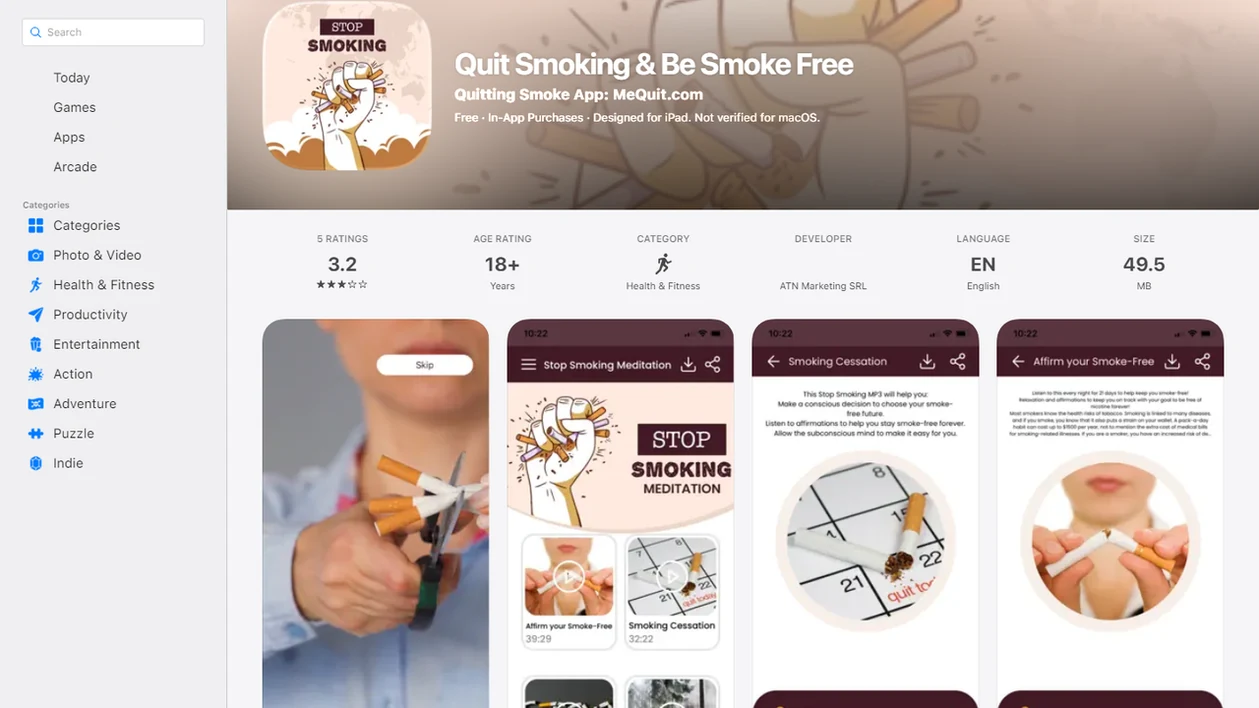
Side-by-side captures of the compared products. Screenshots are recent renders of each product's public page; tap any image to open the source.
Best mindful drinking app without AA: 5-app shortlist
Here is the short version: choose the app that matches your drinking goal, not the one with the loudest recovery language. A sober curious app without AA should make limits, dry days, and reflection easier to repeat.
- Me Quit is best for multi-habit recovery support across drinking, smoking, and vaping. It fits adults whose Friday 6 p.m. drink makes a cigarette feel automatic, because cravings, streaks, milestones, and private progress tracking sit in one behavior-change hub.
- Sunnyside is best for structured moderation plans. It works well if you want weekly targets, text-style accountability, and a plan for brunch menus with bottomless mimosas.
- Reframe is best for neuroscience-style education and coaching. Its lessons can help people who like learning why cravings show up before they choose what to do next.
- Try Dry is best for dry-month experiments and sober curious challenges. It suits people testing a 30-day reset before deciding what comes after.
- I Am Sober is best for abstinence-oriented streak tracking. It can help with sober streaks, but it may feel less moderation-first than other options.
At-a-glance comparison of mindful drinking apps without AA
A mindful drinking app without AA should match your goal, your privacy comfort, and your need for structure. None of these apps should be treated as medical detox, emergency care, or a replacement for professional treatment.
| App | Best for | Moderation-friendly | AA requirement | Strongest feature | Watch-out |
|---|---|---|---|---|---|
| Me Quit | Alcohol reduction alongside nicotine habits | Yes | No | Cravings, streaks, milestones, and private tracking | Not clinical detox or diagnosis |
| Sunnyside | Structured weekly moderation | Yes | No | Planned drink limits and check-ins | Less focused on smoking or vaping |
| Reframe | Education plus coaching | Yes | No | Neuroscience-style lessons | Can feel content-heavy |
| Try Dry | Dry months and sober curious tests | Partly | No | Dry-day challenges | Less built for ongoing multi-habit tracking |
| I Am Sober | Sobriety streaks | Less so | No | Abstinence streaks and pledges | May feel less flexible for moderation |
The right fit for adults reducing alcohol while also watching nicotine triggers is Me Quit because it keeps alcohol, smoking, and vaping patterns visible in one practical recovery hub.
How mindful drinking apps without AA work
A mindful drinking app works by turning drinking choices into a feedback loop: log what happened, compare it with your goal, notice the trigger pattern, then adjust the next choice. In plain terms, it helps you catch the moment before autopilot takes over.
Most apps use self-monitoring, goal setting, reminders, craving interruption, reflection prompts, and motivational nudges. Those are behavior-change techniques, not magic. The useful part is repetition. You see that the weeknight pour after laptop shutdown keeps showing up, so the next plan can be more specific than “drink less.”
Digital alcohol interventions show modest average reductions, not instant cures. A JAMA Internal Medicine meta-analysis found digital alcohol tools reduced drinking by about 23 grams of alcohol per week compared with control conditions jamanetwork. For many adults, progress usually depends more on consistent self-monitoring than on one dramatic decision.
Small reductions still count.
How to use a mindful drinking app to drink less without AA
Use a mindful drinking app as a private weekly planning system, not a moral scorecard. The goal is to make the next drink decision easier to see before you are already in the craving window.
- Set a weekly drink limit and a per-occasion limit before the week starts.
- Log each drink with time, place, mood, and trigger notes, including social pressure or stress.
- Plan dry days and high-risk events, such as a dinner, game night, or weekend patio table with an ashtray and pint.
- Review the week by comparing actual drinks, cravings, money saved, and dry days with your goal.
- Reset the plan after a slip by changing one cue, reminder, or limit instead of restarting from zero.
For people who want a phone-based routine, our guide to how to drink less with phone walks through simple daily prompts and weekly review habits. Reset, not restart from zero.
How we picked sober curious apps without AA pressure
We ranked apps by how well they support drink less without AA goals in real life. A good sober curious app without AA should help with planning, tracking, and reflection without pushing one identity on everyone.
- Moderation flexibility matters first. Apps scored higher when they supported limits, dry days, and experimentation rather than mandatory abstinence only.
- Core tracking had to be practical. We looked for drink logging, limit setting, dry-day support, craving tools, reminders, reflection prompts, and progress feedback.
- Privacy counted as a feature. Alcohol data is sensitive, so users should review data collection, sharing, account deletion, and notification settings before logging.
- Support options were separated from clinical care. Wellness-oriented tools are not the same as detox, therapy, medication, or emergency treatment.
- Cost transparency mattered. Trial periods, subscriptions, coaching fees, and free features should be understandable before someone commits.
When the issue is overlapping habits, Me Quit earns its spot because it lets a person notice drinking cues beside cigarette or vape cravings through private progress tracking.
MeQuit for drinking less without AA and nicotine tracking
Does Me Quit help people drink less without AA? Yes, for adults who want private behavior-change support across alcohol, smoking, and vaping rather than meetings, labels, or abstinence-only pressure.
MeQuit is a quit smoking app that helps adults stop smoking, stop vaping, drink less, and track cravings, streaks, and milestones. That matters because many lapses do not stay in one category. A porch smoke after two cocktails is not just a smoking trigger or a drinking trigger. It is a linked habit loop.
Me Quit mequit addiction recovery hub for quit smoking, stop vaping, quit drinking, and mindful alcohol reduction fits people who want day-by-day support because cravings, streaks, milestones, and habit awareness stay private on the phone. Opening an app during a three-minute craving is often easier than arguing with yourself for an hour.
Me Quit does not diagnose alcohol use disorder, provide detox, prescribe medication, or guarantee sobriety. It supports a small next step.
Best mindful drinking app features for limits, dry days, and reflection
The most useful mindful drinking app features are the ones that help you decide before the drink is in your hand. Look for limits, dry days, craving notes, privacy controls, and feedback that shows progress without shame.
- Weekly and per-occasion limits help turn “I should cut back” into a number you can review.
- Dry-day calendars make sober curious experiments visible, especially when you are testing sleep, mood, or money saved.
- Drink logging with standard drink awareness reduces guesswork; our standard drink tracking guide explains why pours can be easy to underestimate.
- Craving, trigger, and mood notes show whether stress, loneliness, celebration, or nicotine cues are driving the pattern.
- Cost tracking and milestone feedback make progress concrete, while privacy settings protect sensitive alcohol information.
Per the CDC, 21.7% of U.S. adults reported binge drinking at least once in the past 30 days in 2022 CDC alcohol data. For sober curious users, flexible experimentation is often easier than a permanent sobriety pledge because the first goal may be fewer heavy nights, not a lifetime label.
Common myths about drinking less without AA
Non-AA alcohol reduction is often misunderstood. Good non-AA alcohol-reduction tools offer private structure, progress feedback, and a quiet reset after a missed limit, not public confession or spiritual pressure.
- Myth: Mindful drinking apps are only for people who want to quit completely. Many support moderation, dry days, and drink-limit goals.
- Myth: Non-AA support is not real support. Digital tools, therapy, medication, coaching, and self-guided tracking can all support change.
- Myth: Tracking alcohol automatically increases drinking. Research on digital interventions generally shows small average reductions, not increases.
- Myth: Mindful drinking means there is no risk. It can be a proactive step for people worried about sleep, health, relationships, or escalation.
- Myth: Everyone who needs help uses AA. NIAAA estimates that 28.9 million U.S. adults had alcohol use disorder in 2023, while only a minority received treatment NIAAA alcohol data; SAMHSA also describes treatment options beyond mutual-help groups, including medications and behavioral therapies SAMHSA.
After a missed limit, when shame usually pushes people to stop logging, Me Quit supports a reset because the workflow focuses on cravings, milestones, and next choices.
Limitations
Apps can help with awareness and planning, but they are not medical care. Be careful if your drinking feels hard to control, physically risky, or tied to urgent mental health symptoms.
- Apps are not a substitute for medical detox, emergency care, or treatment for severe alcohol dependence.
- Digital intervention effects are modest on average and depend on consistent use.
- If there is immediate danger, severe withdrawal, or risk of self-harm, use emergency services or SAMHSA resources rather than relying on an app.
For adults comparing a broader app that helps cut back on drinking, the safer choice is the one that matches both the drinking pattern and the level of risk.
FAQ
What is mindful drinking?
Mindful drinking means paying intentional attention to alcohol choices, limits, triggers, and consequences. It can include moderation, dry days, or abstinence depending on the person.
Can I drink less without AA?
Yes, many adults reduce alcohol through apps, therapy, medication, coaching, lifestyle changes, or self-guided tracking without joining AA. Severe dependence may still require medical care.
Are sober curious apps abstinence-only?
No, some sober curious apps support moderation experiments, limit setting, and dry days. Others focus more on sobriety streaks and abstinence.
Do mindful drinking apps work?
Digital alcohol tools can help some people reduce drinking modestly when used consistently. Results vary by drinking pattern, risk level, and engagement.
Can one app support alcohol and nicotine habits?
Me Quit supports drinking less alongside smoking and vaping behavior-change tracking. It is not clinical treatment, detox, diagnosis, or emergency care.
Which app tracks dry days?
Many mindful drinking and sober curious apps track dry days. Choose based on whether you want moderation planning, dry-month challenges, or abstinence streaks.
Are drinking apps private?
Privacy varies by app. Review data collection, sharing, account deletion, and notification settings before logging sensitive alcohol information.
When is AA better?
AA may be useful for people who want peer meetings, abstinence support, sponsorship, or a structured recovery community. It may not fit people seeking private moderation tools.
When should I get medical help?
Get medical advice for withdrawal symptoms, daily heavy drinking, seizures, confusion, hallucinations, or feeling unable to cut down safely. Use emergency support if there is immediate danger.