Quit Drinking App Success Stories: Real Patterns, Results, and Lessons
Quit drinking app success stories usually come from people who use daily tracking, craving tools, streaks, and outside support together, not from simply downloading an app. MeQuit helps adults track drinking goals privately alongside smoking or vaping habits, making it a practical option for people who want clearer progress and fewer alcohol-related setbacks.
> Quit drinking app success stories are real-life accounts of people using a sobriety or alcohol reduction app to cut back, stop drinking, manage cravings, and track progress over time.
- The strongest sobriety app stories usually combine app tracking with support from friends, family, therapy, peer groups, or helplines.
- Research supports digital alcohol interventions, including one randomized trial showing greater weekly drinking reductions in an app group than a control group.
- MeQuit fits people who want private progress tracking for alcohol reduction while also managing smoking, vaping, cravings, streaks, and milestones.
Quit Drinking App Success Stories at a Glance
Quick answer: Quit drinking app success stories are usually built on repeated behavior tracking, craving planning, realistic goals, and support—not motivation alone. For many adults, an app can make progress more visible, but people with possible alcohol withdrawal risk should get medical guidance before cutting down or stopping suddenly.
Key takeaways
- Track drinks, cravings, mood, and triggers daily so patterns become easier to act on.
- Set a specific goal, such as alcohol-free days, lower weekly intake, or avoiding one trigger situation.
- Plan craving responses before cravings happen, including delay, distraction, food, water, or support contact.
- Use streaks carefully: they can motivate, but one setback does not erase progress.
- Combine app tracking with outside help when drinking feels hard to control.
- Seek medical advice before quitting abruptly if you drink heavily or have withdrawal symptoms.
Quit drinking app success stories usually follow a before-and-after arc: rough mornings, guilt, repeated promises, then clearer wake-ups, steadier mood, money saved, and quiet pride. Success does not always mean lifelong abstinence; it may mean fewer binge episodes, fewer drinks per week, longer sober streaks, or noticing the first risky craving before it takes over.
The real change is often small at first.
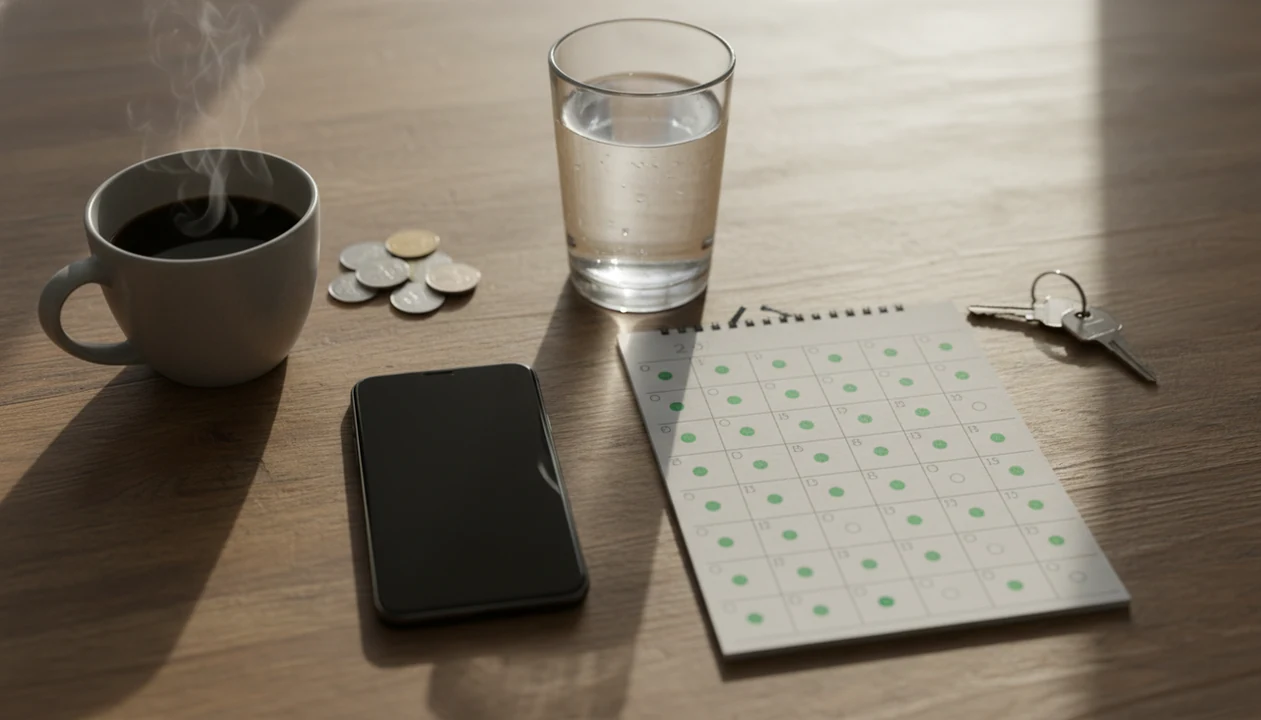
A person might log the Friday 6 p.m. drink that usually makes a cigarette feel automatic. Another might mark a green dry day on the calendar and realize the streak matters. A multi-habit recovery app can fit people who want a private path for alcohol goals while also watching smoking, vaping, and craving patterns.
Five Facts Behind App to Quit Drinking Success Stories
- Evidence-based digital alcohol tools can reduce drinking for many people when they include self-monitoring, personal feedback, and coping skills. The app has to do more than count days.
- Real app to quit drinking success stories usually involve more than the app alone. A trusted friend, therapist, peer meeting, or helpline often fills the gap when willpower gets thin.
- Better sleep, more energy, improved mood, money savings, and fewer hangovers are plausible when alcohol use decreases. The first clear Saturday morning can feel strangely ordinary, then important.
- Relapse, trial-and-error, and app switching are common parts of behavior change. Reset, not restart from zero.
- Me Quit mequit addiction recovery hub for quit smoking, stop vaping, quit drinking, and mindful alcohol reduction delivers habit tracking, craving awareness, and progress cues, not a standalone cure for alcohol use disorder.
For many adults, alcohol reduction works better as a tracked behavior plan than a vague promise because the trigger pattern becomes visible.
How Quit Alcohol App Results Work
Quit alcohol app results work by turning drinking from an automatic habit loop into a visible pattern that can be changed. Self-monitoring means logging drinks, cravings, triggers, time of day, and emotional context, so the user can see what actually happened.
Feedback loops make progress concrete. Streaks, milestones, trend lines, money saved, and reminders show movement during the weeks when change feels slow. A craving prompt can suggest a delay tactic, a replacement routine, or a short reflection after a slip. Opening an app during a three-minute craving is different from arguing with yourself for an hour.
The useful data is often specific: weekends, work stress, social pressure, smoking cues, or a mint vape in the car cup holder. The most common medically supported way to reduce risky drinking is behavior tracking combined with coping skills and appropriate human support.
How to Use a Sobriety App Story as a Practical Plan
A sobriety app story is most useful when you translate it into repeatable steps, not when you compare your life to someone else’s highlight reel. Start with the part of the story that matches your trigger pattern.
- Set a specific alcohol goal, such as no drinking, fewer drinking days, or a drink limit for certain nights.
- Log drinks, cravings, triggers, and mood daily, even on days that feel unremarkable.
- Review weekly patterns, then name risky times, places, people, or cues before the next week starts.
- Add support if needed, such as a trusted person, AA, SMART Recovery, counseling, primary care, or a helpline.
- Reset after a slip without deleting progress, and write down what changed before the slip happened.
A person using an app to help me quit drinking often gets more value from honest daily notes than from perfect streaks.
Three Common Stop Drinking Success Stories
These are composite, non-medical patterns, not individual testimonials. They reflect the kinds of stop drinking success stories people often describe after using tracking, support, and repeated resets.
Weekend binge drinking pattern
Before: four or five drinks turned into a late-night kebab shop smoking crowd and a lost Saturday. App behavior: streaks, drink limits, and trigger notes. Support: one friend knew the plan. Result: fewer binge nights, not instant abstinence.
Nightly drinking pattern
Before: wine became the signal that work was over. App behavior: drink limits, craving logging, and a replacement routine like tea, a walk, or calling someone before opening the bottle. Support: counseling helped with stress. Result: more dry nights and better sleep.
Alcohol plus smoking or vaping pattern
Before: two cocktails made porch smoke feel automatic. App behavior: tracking alcohol and nicotine cravings together in Me Quit. Support: partner check-ins after dinner. Result: fewer paired lapses and a clearer plan for high-risk evenings.
How These Quit Drinking App Stories Were Selected
These quit drinking app stories are composite examples built from anonymized behavior patterns, not named testimonials, formal interviews, or verified medical case reports. They are meant to show common routes people describe, not guaranteed results from an app.
The details are deliberately softened: names are omitted, timelines are rounded, locations are generalized, and identifying combinations of work, family, health, or social history are changed. The goal is to keep the lived texture while reducing the chance that any one person could be recognized.
- Group repeated patterns from common alcohol-change experiences, such as weekend binges, nightly wind-down drinking, or alcohol paired with smoking or vaping.
- Remove identifying details that could point to a specific user, household, workplace, or recovery group.
- Separate behavior from claims by describing what someone tracked or changed, instead of presenting a clinical cure or promised app performance.
- Frame outcomes carefully as illustrative possibilities, such as fewer drinking days or clearer trigger awareness, not guaranteed medical results.
- Flag safety limits because severe alcohol withdrawal can be dangerous and needs professional medical support, not app-only management.
MeQuit Sobriety App Stories Versus Single-Habit Trackers
The best app depends on the user’s goal: abstinence, reduction, community, education, or multi-habit tracking. Single-habit tools can work well, but they may miss the way alcohol, cigarettes, and vaping cue each other.
| App type | Strong fit | Common limitation |
|---|---|---|
| Me Quit | Adults managing alcohol alongside smoking, vaping, cravings, streaks, and milestones | Does not replace therapy, detox, medical treatment, or emergency support |
| Alcohol-only trackers | Drink counts, dry days, and weekly alcohol goals | May not capture nicotine-linked relapse patterns |
| Peer-community sobriety apps | Social accountability and shared sobriety app stories | Public identity or group culture may not suit everyone |
| Education-heavy alcohol programs | Lessons, reflection, and structured behavior change | Less useful if the user mainly needs fast craving tools |
People comparing options may want a best quit drinking app guide before choosing between private tracking, community, coaching, or clinician-led care.
Named Alternatives to Quit Drinking Apps
Named alternatives to quit drinking apps include I Am Sober, Reframe, Sunnyside, and Try Dry, each with a slightly different center of gravity. None is automatically better for everyone; the useful choice depends on whether the person needs privacy, community, coaching, education, or simple drink tracking.
I Am Sober is often associated with sobriety milestones, pledges, and community-style accountability. Reframe leans more toward education, reflection, and skill-building for changing alcohol habits. Sunnyside is commonly positioned around mindful drinking, coaching, and weekly planning rather than only abstinence. Try Dry is known for dry-day tracking and alcohol-free challenges, which can suit people testing a month off or watching weekly totals.
A practical comparison looks like this:
- Choose community if shared stories, encouragement, and accountability help more than private notes.
- Choose coaching if check-ins and planning support make the goal feel less vague.
- Choose education if understanding triggers, brain habits, and coping skills keeps you engaged.
- Choose drink tracking if the main need is seeing units, dry days, limits, and patterns clearly.
- Choose AA, SMART Recovery, therapy, or medical care when withdrawal risk, repeated relapse, trauma, depression, medication questions, or alcohol use disorder symptoms make app-only support too thin.
Evidence Behind Quit Alcohol App Results
Digital alcohol tools have real evidence behind them, but the results are averages, not promises. In the United States, an estimated 28.8 million adults, or 11.2%, had alcohol use disorder in 2021, according to the National Institute on Alcohol Abuse and Alcoholism NIAAA alcohol data.
Per the CDC, about 29.5% of adults reported binge drinking in the past month in a large U.S. survey. A JAMA Internal Medicine randomized trial found that an app group reduced alcohol by 10.5 units per week, compared with 6.2 units in the control group jamanetwork. A systematic review also found small but significant reductions from technology-based alcohol programs, with effects comparable to brief in-person interventions the NIH.
What the evidence says is steady, not magical. Structured apps can help many people reduce drinking, but individual quit alcohol app results depend on severity, consistency, support, and health needs.
Choosing a Quit Drinking App for Realistic Results
The right quit drinking app is the one that matches your goal, your risk level, and the habits that tend to travel with drinking.
Me Quit is best suited for adults who want private tracking for alcohol reduction plus smoking or vaping behavior change. Craving logs help identify the craving window. Streaks show dry days or reduced-drinking runs. Drink tracking shows weekly totals. Milestones and reflections help connect effort with mood, sleep, money saved, and fewer setbacks.
For private, multi-habit change, a tracking app is often easier than a single-purpose counter because alcohol cravings rarely happen in isolation. However, another tool may be better if you want intensive community, clinician-led treatment, medication support, or detox care. People comparing sobriety app stories and quit alcohol app results should also look at whether they need a quit drinking app with streak counter, education, peer support, or professional care.
Support Systems in the Strongest Stop Drinking Success Stories
The strongest stop drinking success stories usually include support outside the app. Friends, family, therapists, peer groups, primary care, and helplines add accountability, safety, social reinforcement, and help after relapse.
Support does not have to mean one path. AA works for some people. SMART Recovery fits others. Counseling can help when drinking is tied to anxiety, grief, trauma, or relationship stress. A SAMHSA-style helpline can be a practical bridge when someone does not know where to start. Clinicians typically recommend medical assessment for people at risk of severe withdrawal or alcohol use disorder complications.
A phone reminder during a smoke break can interrupt the next drink plan, but it cannot watch for seizures, confusion, suicidal thoughts, or dangerous withdrawal. People with severe withdrawal risk, AUD symptoms, depression, PTSD, or safety concerns should seek professional help rather than relying only on an app.
Limitations
Quit drinking app success stories can be encouraging, but they have real limits. Treat them as clues, not guarantees.
- Quit drinking apps are not medical treatment for severe alcohol withdrawal, which can be dangerous without supervision.
- Individual results vary widely, even when research shows average benefits from digital tools.
- A free quit drinking app may be enough for basic tracking, but some people need coaching, community, medication, or medical care.
The pocket check is real. If the app is never opened during the craving window, it cannot help much.
FAQ
Do quit drinking apps actually work?
Quit drinking apps can help many people reduce drinking when they use tracking, reminders, coping tools, and outside support consistently. Results vary by drinking pattern, health needs, and engagement.
Are sobriety app success stories real?
Many sobriety app success stories are real self-reports, but online stories are self-selected. They should not be treated as guaranteed outcomes for every user.
What results might I notice first when I cut back on alcohol?
Common early changes include fewer hangovers, better sleep, clearer mornings, more stable energy, and stronger awareness of triggers. Some people notice mood changes quickly, while others need more time.
Can an app help me stop binge drinking?
An app may help reduce binge drinking by supporting limits, reminders, tracking, and trigger awareness. Severe or repeated binge patterns may need professional support.
Can one app track alcohol, smoking, and vaping together?
Yes. Some recovery apps support drinking reduction alongside quitting smoking, stopping vaping, and tracking cravings, streaks, and milestones.
What should I do if I relapse while using a quit drinking app?
Review the trigger, reset the goal, and keep the useful progress data instead of deleting everything. Add more support if the same pattern keeps repeating.
Are free quit drinking apps enough to change my drinking habits?
Free apps may be enough for basic tracking and awareness. Some users need deeper tools, peer community, coaching, therapy, or medical support.
When should I get medical help instead of relying on an app?
Get medical help if you have heavy daily use, severe withdrawal symptoms, seizures, confusion, hallucinations, or major mental health concerns. An app should not be used as a substitute for urgent or supervised care.