
How to Stay Sober During Holiday Parties and Family Gatherings
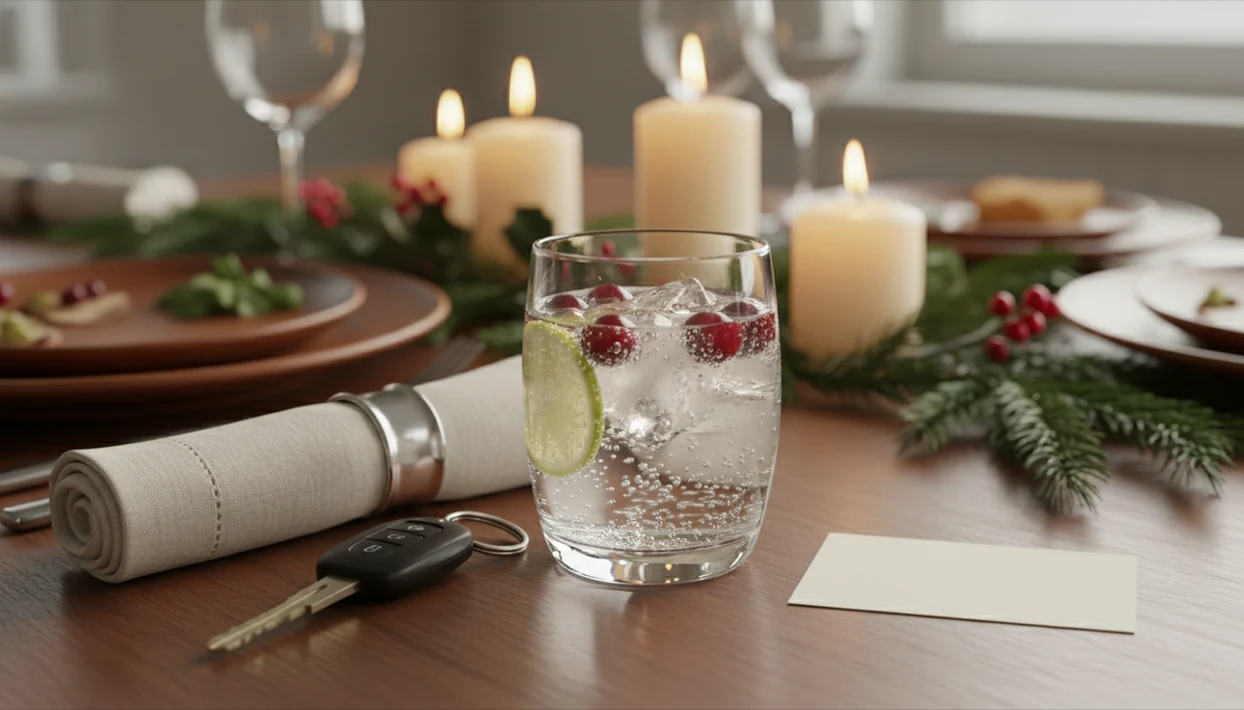
Holiday drinking can feel automatic because alcohol is tied to meals, reunions, travel, grief, work parties, and long evenings. A useful plan accounts for the exact room, people, offers, and emotions you expect, rather than relying on willpower after the first toast.
You can also decline an invitation, arrive late, or stay only through dinner. Those choices protect the goal. If you plan to drink less rather than abstain, count actual standard drinks and choose your limit before anyone starts pouring.
The quick version
To stay sober during the holidays, make five decisions before each event: what you will drink, what you will say when offered alcohol, who can support you, how you will get home, and when you will leave. Eat first, keep an alcohol-free drink nearby, and leave if cravings, conflict, or pressure start building.
Why holiday gatherings can make drinking feel automatic
Holiday drinking triggers are predictable cues, not character flaws. Planning around them works better than hoping you’ll feel strong after the first toast, the second offer, or the awkward kitchen conversation.
- Stressful relatives can make alcohol feel like armor, especially when old family roles show up fast.
- Grief and loneliness often get sharper during holidays, even in a crowded room.
- Social anxiety, work parties, and FOMO can make “just one” feel socially safer than saying no.
- Travel stress, unstructured time, and repeated drink offers wear down decision-making.
- About 25.8% of U.S. adults reported binge drinking in the past month in 2023, according to NIAAA alcohol statistics: https://www.niaaa.nih.gov/publications/brochures-and-fact-sheets/alcohol-facts-and-statistics. Heavy drinking pressure is common, not rare.
The offer often comes casually. A glass is already halfway poured. That’s why the plan needs to happen before the room gets loud.
Build routines that lower the pressure to drink
Holiday sobriety works by changing the cue-routine-reward loop: a holiday cue creates an urge, the old routine is drinking, and the new routine must offer relief, connection, or a clean exit.
Sleep, meals, movement, therapy, meetings, support check-ins, craving tracking, and morning plans all reduce “decision fatigue.” A sleepy slump after a dry night can feel unfair, but it’s easier to handle after breakfast and a walk than after skipping both. Before an event, name the people, places, and feelings most likely to raise your risk, then decide how you will respond.
Social pressure and negative emotional states are common relapse contexts in relapse-prevention research, including the Marlatt model summarized by NCBI: https://www.ncbi.nlm.nih.gov/books/NBK64088/. For people rebuilding routines, the most common medically supported way to reduce relapse risk is to combine trigger planning with ongoing support, not willpower alone. If evening urges are your weak spot, our guide to how to stop evening alcohol cravings goes deeper.
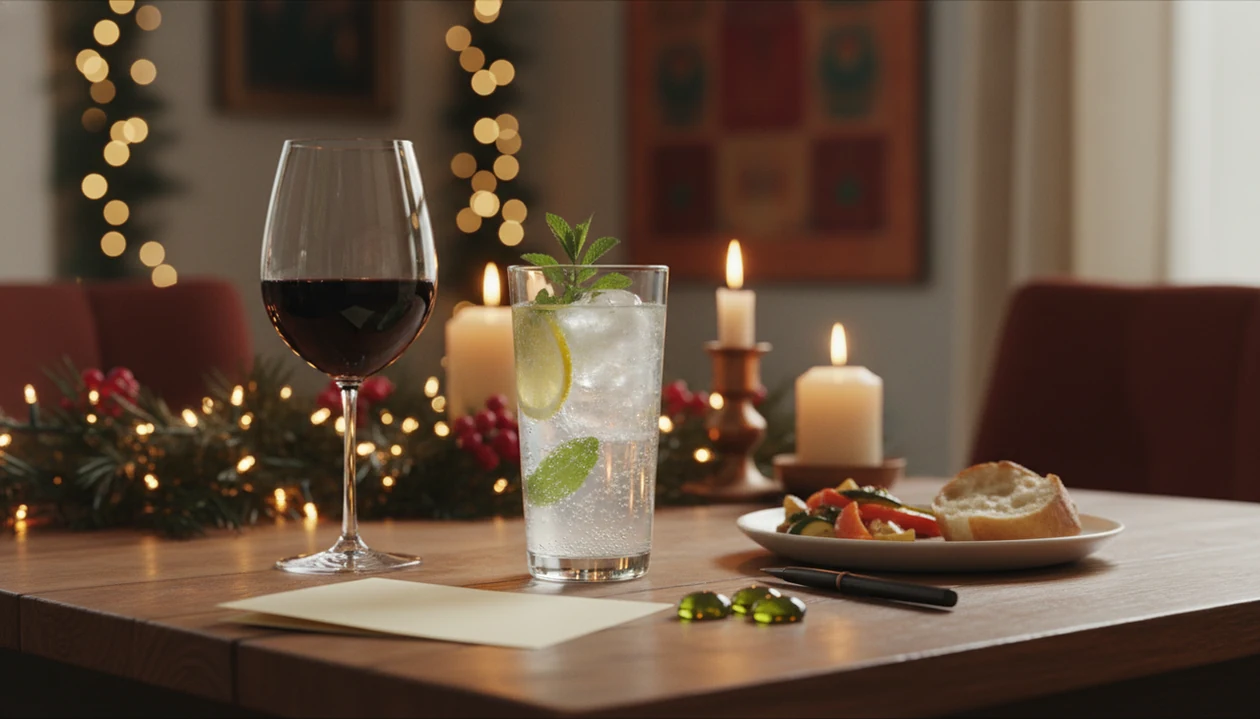
Make these six decisions before the event
Use this plan whether you want an alcohol-free night or a drink-less night. The point is to make the important choices before the party starts.
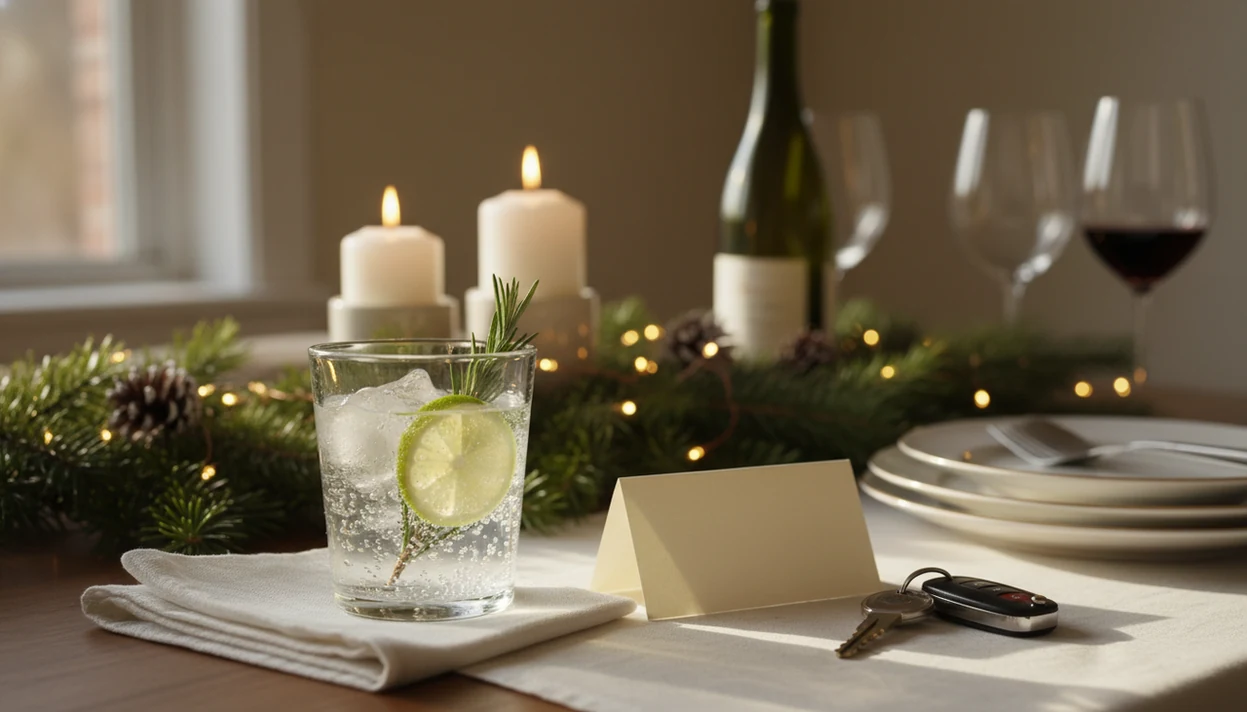
- Choose your drink before arrival. Bring sparkling water, tea, soda with lime, or a mocktail that won’t make you feel deprived.
- Set your time limit. Decide whether you’re staying 45 minutes, two hours, or through dinner only.
- Arrange transportation. Drive yourself only if you will not drink, or set up a sober driver, taxi, or rideshare.
- Text a support person. Tell them the event time and ask if you can send a quick check-in.
- Rehearse your refusal line. Try “I’m not drinking tonight” or “I’m good with this.”
- Plan your exit. Leave when cravings rise, arguments start, or people begin pushing shots.
Before leaving home, check that you have your phone, keys, chosen drink, transportation, and exit plan.
Practical strategies for staying sober or drinking less during holiday events
Repeated drink offers are easier to handle when your response is already decided. Use one short sentence and repeat it without adding personal details. Long explanations can turn a simple refusal into a discussion about your health, recovery, or reasons for changing.
- Direct: “No thanks, I’m not drinking tonight.”
- Casual: “I’m good with this.”
- Drink-less plan: “I’m pacing myself.”
- Transportation: “I’m driving tonight.”
- Repeated offer: “Still no, but thank you.”
Positioning matters too. Arrive after the drink-heavy first hour, keep an alcohol-free drink in your hand, and stand near someone who respects your plan. Stay away from the bar cart, cooler, or kitchen counter if people refill glasses without asking.
If a craving rises sharply, delay the decision for 20 minutes. Step outside, eat something, call a supportive person, change rooms, or leave. The goal is not to prove you can tolerate unlimited pressure.
If you drink more than planned, record the time, trigger, craving intensity, and what happened before the first drink. Use that information to change the next event, perhaps with an earlier exit, separate transportation, or a different seat.
Handling alcohol pressure at Thanksgiving
How do you stay alcohol-free at Thanksgiving when relatives keep offering drinks? Bring your own drink, keep your hands occupied, sit away from the bar or cooler, and give short answers that don’t invite a debate.
Try “I’m not drinking tonight,” “I’m good with this,” or “No thanks, I’m up early tomorrow.” You don’t owe a medical history, a recovery story, or a courtroom-level defense. Declining a drink is not rude. Pressuring someone after they say no is rude.
Helping with food can also change the moment. Slice bread, refill water, take trash out, or step outside for a walk break before dessert. A morning activity helps too: a run, a grocery trip, a movie with kids, or coffee with someone who won’t interrogate your glass.
For more social scripts, the guide on how to socialize without alcohol gives practical wording.
Talk with a clinician before stopping suddenly if you drink heavily every day or have had shaking, sweating, hallucinations, confusion, or seizures when alcohol wears off. Call 911 for a seizure, severe confusion, trouble breathing, inability to stay awake, repeated vomiting, or a serious injury.
Sober plan vs drink-less plan at parties
Drink-less party tactics work best when the limit is set before the first drink. Negotiating with yourself after alcohol has started is usually a weaker plan.
| Situation | Tactic | Why it helps |
|---|---|---|
| Office party | Hold a non-alcoholic drink | Fewer people offer refills when your glass is full. |
| Bar night | Pre-decide a drink count | The rule is set before social pressure builds. |
| Dinner event | Eat first | Food can slow drinking and reduce impulsive ordering. |
| Rounds culture | Avoid rounds | You control timing instead of matching the group. |
| Long party | Alternate alcohol-free drinks | Built-in pauses reduce total intake. |
| Risky ride home | Make a no-driving plan | Alcohol-impaired driving remains a major traffic safety risk; NHTSA tracks drunk-driving fatalities here: https://www.nhtsa.gov/risky-driving/drunk-driving. |
For sober-curious guests, alternating drinks is often easier than vague moderation because it gives your hands and your pace a rule. If parties trigger panic, read about social anxiety without alcohol before the event.
Practical ways to drink less during holiday events
To drink less at holiday parties, give each event a rule before the invitations begin to blur together. One drink at several gatherings can still raise your weekly total, and unmeasured wine or mixed drinks may contain more alcohol than expected.
| Event | Rule set beforehand | Reason |
|---|---|---|
| Christmas Eve dinner | No alcohol before food, then stop at the chosen limit | Avoids refills during cooking and greetings |
| Office party | One drink, then switch to seltzer | Keeps the limit clear in a work setting |
| Airport travel | Alcohol-free travel day | Avoids adding alcohol to fatigue and dehydration |
| New Year’s gathering | Set a ceiling and a midnight switch time | Prevents open-ended drinking after the toast |
| Family brunch | Make the event alcohol-free | Stops mimosas from becoming an automatic start |
Choose an accountability person or exit buddy before the event. A text saying “I’m leaving in 20 minutes” may be easier than defending your limit after the room gets louder. If you repeatedly cannot stay within limits, moderation may not be the right plan without professional support.
Count the pour, not just the glass
A U.S. standard drink contains about 14 grams of pure alcohol. That is roughly 12 ounces of 5% beer, 5 ounces of 12% wine, or 1.5 ounces of 40% spirits. A strong beer, large wine pour, or mixed drink can contain two or more standard drinks. Use the CDC standard drink sizes when setting an event limit.
| Beverage | Serving | Alcohol by volume |
|---|---|---|
| Beer | 12 ounces | 5% |
| Wine | 5 ounces | 12% |
| Distilled spirits | 1.5 ounces | 40% |
CDC guidance describes moderation as no more than one drink in a day for women and no more than two for men on days alcohol is consumed. These are ceilings, not goals, and drinking less carries less alcohol-related risk. Review the CDC guidance on moderate alcohol use before choosing a limit.
Binge drinking generally means four or more drinks for women or five or more for men on one occasion, usually within about two to three hours. Large or frequently refilled holiday drinks can reach that level faster than expected.
Do not use these limits as a do-it-yourself withdrawal plan. If you drink heavily every day or have experienced withdrawal, get medical advice before making a sudden change. SAMHSA alcohol guidance covers warning signs and treatment options.
Make the holiday about something besides alcohol
Sober curious holidays are a way to test clearer mornings, better sleep, and more present connection without demanding perfection. New rituals matter because alcohol-centered rituals can keep old cravings rehearsed.
- Brunch host: Plan a late-morning meal with coffee, tea, pastries, eggs, and no “bottomless” pressure on the menu.
- Volunteer shift: Serving meals or sorting donations gives the day structure and a reason to leave early.
- Game night: Cards, puzzles, trivia, or loud board games make connection the point.
- Mocktail bar: Citrus, herbs, bitters-free mixers, and good ice can make the drink feel intentional.
- Morning hike or movie night: Clear next-day plans make late-night drinking less appealing.
Replacing alcohol-centered rituals helps future holidays feel less like a test.
Sober Halloween ideas for celebrating without alcohol
Halloween without alcohol works best when the night has structure. Choose an activity with a clear start, a purpose, and an ending rather than spending hours beside a drink table. Eat before going out, bring a beverage you will actually enjoy, and arrange transportation that lets you leave without waiting for anyone else.
- Visit a haunted house or escape room.
- Host a horror movie marathon or board game night.
- Take a costume walk or organize a pumpkin-carving contest.
- Hand out candy or help at a school or neighborhood event.
- Plan a bonfire with themed food and alcohol-free drinks.
- Try a candy tasting or blind flavor game.
- Schedule an early breakfast, hike, or movie for the next morning.
At a party, say “Not drinking tonight” or “No thanks, but I’ll take a seltzer.” Arriving after the first drink-heavy hour and leaving before shots or drinking games begin can remove the hardest parts. Non-alcoholic beer and mocktails help some people feel included, but familiar flavors or packaging can trigger cravings for others, especially early in recovery.
One coping plan for stacked holiday cravings
Holidays can stack cravings: drinking, smoking, vaping, overeating, scrolling, or isolating can all show up after the same argument or lonely drive home.
A simple replacement plan is better than five separate promises. When several urges hit at once, write down the strongest one, wait 10 minutes, change rooms, get a non-alcoholic drink, and contact someone supportive. If the blue light from a bedside vape is part of the pattern, move the device before the party night starts.
A journal or support text can help you name the trigger and choose one manageable action. These supports do not diagnose alcohol dependence, provide detox care, or guarantee recovery.
Why alcohol cravings increase in winter and how to manage them
Winter can combine short days, disrupted routines, isolation, financial stress, and long evenings at home. Holiday drinking also creates fresh cues tied to certain glasses, meals, rooms, and people. When the celebrations stop, the cues may remain, along with boredom or low mood.
- Get morning light within the first hour after waking, even on cloudy days.
- Log the urge by time, place, mood, intensity, and immediate trigger.
- Check if you are hungry, angry, lonely, or tired before acting on the craving.
- Replace the usual drinking window with tea, food, a shower, gum, a walk, or a timed phone call.
- Contact someone before the time you usually drink, rather than waiting for the urge to peak.
- Review the log weekly and adjust dry days, event rules, or evening plans.
Alcohol may feel sedating at first, but a nightcap can be followed by broken sleep and a difficult early-morning awakening. That can feed the next evening’s fatigue and urge to drink. Cravings may also continue after the holidays or during Dry January. A lapse does not require another night of drinking. Name the cue, remove remaining alcohol if it is a trigger, and choose the smallest safe next action.
After you drink more than you planned
What should you do if you drink after planning not to? One drinking episode does not erase your progress, and it does not mean you should give up.
Stop the episode safely first. Do not drive. Hydrate, eat if you can, sleep, and wait until your head is clear before making big conclusions. The next day, review the trigger: who was there, what time it happened, what you felt in your body, and what happened right before the first drink. Headache behind the eyes at dusk. That counts as data.
Remove leftover alcohol if it keeps calling your attention. Contact a support person, therapist, sponsor, or trusted friend. Then plan the next event differently: shorter stay, different seat, earlier exit, no bar stop after dinner. People with repeated loss of control, withdrawal symptoms, blackouts, or safety risks should seek professional support.
Treat the episode as information you can use to protect the next event, not as proof that all previous progress is gone.
Signs your holiday plan needs medical backup
Get professional help when alcohol use creates medical danger, repeated loss of control, or safety risks. A holiday plan can support change, but it is not a replacement for treatment, detox care, therapy, or emergency help.
- Call for urgent medical guidance if withdrawal symptoms show up, especially shaking, sweating, vomiting, fever, confusion, hallucinations, seizures, chest pain, severe agitation, or a racing heart.
- Talk with a clinician before stopping suddenly if you drink heavily every day, have had withdrawal symptoms, or have been drinking heavily for a long time. Alcohol withdrawal can be dangerous, and some people need supervised medication or detox support.
- Escalate the plan if you have repeated blackouts, cannot stay within limits, drink after promising not to, drive after drinking, or wake up unsure what happened.
- Contact the right support by starting with a primary care clinician, therapist, addiction counselor, detox service, crisis line, or emergency department if safety is at risk.
- Use self-help tools as support, not proof that you have to handle this alone. Tracking, scripts, and streaks work best when paired with real human care when risk rises.
Holiday sobriety questions
How do I refuse alcohol at a holiday party?
Use one short line such as “No thanks, I’m not drinking tonight” or “I’m good with this.” Keep an alcohol-free drink in your hand and change the subject after answering. If someone keeps pushing, repeat the same line or leave the conversation. You do not owe anyone medical or recovery details.
What are common holiday drinking triggers?
Common triggers include family conflict, grief, loneliness, social anxiety, work stress, travel, boredom, fatigue, hunger, and repeated drink offers. Familiar rooms, songs, meals, and people can also cue an automatic urge. Naming the likely trigger before an event helps you choose a seat, support person, drink, and exit time.
Can I skip holiday parties if I am trying to stay sober?
Yes. Skipping a high-risk gathering is a protective choice, not a failure. You can also attend only for dinner, arrive after the drink-heavy opening hour, or leave before shots and arguments begin. Offer an alcohol-free alternative, such as breakfast, a movie, a walk, or a short visit on another day.
How can I drink less at a holiday party?
Choose a maximum before arriving, eat first, and count standard drinks rather than glasses. Avoid rounds and unmeasured refills, alternate with alcohol-free drinks, and set a firm switch time. Use separate transportation so you can leave. If you regularly exceed planned limits, ask a clinician about stronger support.
Are mocktails a good idea when I am not drinking?
Mocktails can help if they give you something enjoyable to hold and reduce repeated offers. They are not right for everyone. Familiar flavors, glassware, alcohol-free beer, or a bar setting may increase cravings for some people in early recovery. Plain seltzer, tea, soda, or another clearly different drink may feel safer.
What should I do if I drink after planning to stay sober?
Stop as soon as you safely can, do not drive, and contact someone supportive. Remove remaining alcohol if it keeps pulling your attention. Once clearheaded, write down the time, trigger, feeling, and first decision that changed the plan. Adjust the next event with a shorter stay, earlier exit, or added support.
Why are alcohol cravings worse at night in winter?
Dark evenings, fatigue, isolation, boredom, disrupted sleep, and an established after-work drinking routine can converge at the same time. Plan contact, food, light movement, or another activity before that window begins. If winter also brings persistent low mood, hopelessness, or major sleep changes, talk with a health professional.
Should I stop drinking suddenly before the holidays?
Not without medical advice if you drink heavily every day, have had withdrawal symptoms, or have a history of withdrawal seizures or hallucinations. Alcohol withdrawal can become dangerous. Shaking, sweating, vomiting, severe agitation, confusion, hallucinations, or seizures need prompt medical attention, and severe symptoms require emergency care.