Quit smoking, vaping or nicotine with an app and a clear plan
NicLess is a free iPhone quit tracker for cigarettes, vapes and nicotine pouches. Track nicotine-free time, money saved, avoided use and craving triggers, or cut down toward a quit date. MeQuit also provides practical guidance on withdrawal, medications, apps, cravings and alcohol, including clear advice about when medical care is needed.


The short answer
The best-supported way to quit nicotine is to combine behavioral support with an effective medication, such as combination nicotine replacement therapy or varenicline. An app can organize your quit date, track triggers and help during cravings, but it should support proven treatment rather than replace it. A clinician or pharmacist can help select medication safely.
What do you want to quit?
- Quit smoking
Build a cigarette quit plan, prepare for the first three days, compare medications and decide what to do after a slip.
- Quit vaping
Track vaping patterns, remove devices and pods, plan for nicotine withdrawal and consider clinician-guided treatment when cravings remain difficult.
- Quit nicotine pouches
Count pouches, identify automatic use, choose a stop date or structured reduction schedule and prepare substitutes for common mouth and routine cues.
- Quit or reduce drinking
Record drinks accurately, assess withdrawal risk before changing intake and build a safer plan for cutting down or stopping alcohol.
A five-step craving SOS
Cravings become intense when withdrawal or a learned cue, such as coffee, driving or stress, makes the brain expect nicotine. They rise and pass, even without smoking, vaping or using a pouch, so use a prepared response from the first minute. Learn more about cravings and triggers.
- Rate the craving from 1 to 10.
- Name the trigger: stress, food, coffee, alcohol or boredom.
- Leave the situation and set a three-minute timer.
- Breathe slowly, drink water or chew sugar-free gum.
- Use prescribed or over-the-counter quit medication as directed.
What nicotine withdrawal often looks like
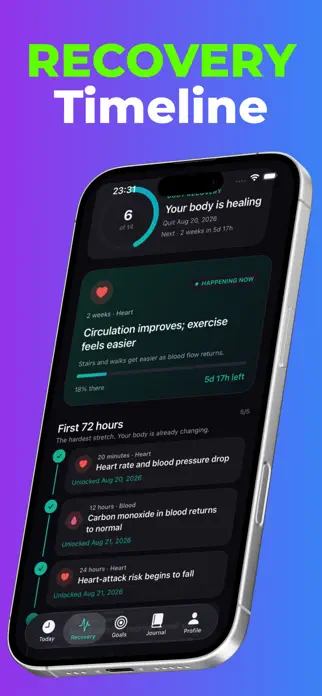
Symptoms can begin within hours, are usually strongest during the first three days to one week and commonly improve over three to four weeks. The full nicotine withdrawal timeline explains symptoms, smoke-recovery milestones and warning signs in more detail.
| Time since last nicotine | What often happens | What helps |
|---|---|---|
| Within a few hours | Cravings, irritability, restlessness or trouble concentrating may begin. | Remove nicotine supplies, tell a supportive person and keep water, gum and planned activities nearby. |
| Days 1 to 3 | Cravings and withdrawal are often most intense. Sleep, mood and appetite may change. | Reduce avoidable stress, change trigger routines and use cessation medication as directed. |
| Days 4 to 7 | Symptoms may remain strong but often begin becoming less constant. | Keep routines simple, use fast-acting craving treatment if appropriate and arrange behavioral support. |
| Weeks 2 to 4 | Concentration, sleep and mood often improve, although cravings can still appear. | Continue treatment for its recommended duration and record the situations that still trigger urges. |
| After 4 weeks | Acute withdrawal is usually much better, but coffee, alcohol, driving or stress may trigger cravings. | Practice a specific response for each recurring cue instead of relying on willpower alone. |
| Later months | Some people have intermittent cravings or mood symptoms for longer. | Seek professional help for persistent or severe depression, anxiety or suicidal thoughts. Call 911 for immediate danger. |
Quit nicotine methods compared
Medication treats withdrawal, while counseling and structured support address routines, stress and relapse risk. Evidence summarized by Cochrane supports several smoking-cessation medicines, especially when treatment is combined with behavioral support.
| Method | What the evidence says | Good fit for |
|---|---|---|
| Combination NRT | A nicotine patch plus gum, lozenge, spray or inhaler works better for smoking cessation than one NRT product alone. | Adults who want steady withdrawal control plus fast help for breakthrough cravings. |
| Varenicline | It is more effective than placebo, bupropion and single-form NRT for smoking cessation, with quit rates similar to combination NRT in cited analyses. | Adults who can use a prescription medicine after a clinician reviews medical history, other medicines and side effects. |
| Cytisine or bupropion | Both can improve smoking quit rates. Cytisine availability varies, and bupropion has important contraindications, including some seizure, eating disorder and alcohol-related risks. | Adults seeking a nicotine-free medicine after an individual clinical review. |
| Counseling or quitline | Behavioral support improves quit rates when added to medication. More support probably raises success further. | People who want help with triggers, planning, stress, follow-up and recovery after a lapse. |
| Apps | Apps can track progress and deliver coping tools, but evidence that an app alone produces long-term abstinence is weak and inconsistent. | People who want an always-available tracker and plan alongside medication, counseling or quitline support. |
| Cold turkey alone | Some people quit without medication, but proven medicines and behavioral support improve the average chance of long-term success. | Adults who decline medication, understand the lower average success rate and have a plan for added support if needed. |
Quit smoking apps to consider
The right stop smoking app should be easy to open during a craving and clear about what it can and cannot do. Compare more choices in our quit smoking app guide, quit vaping app guide and full quit app comparison.
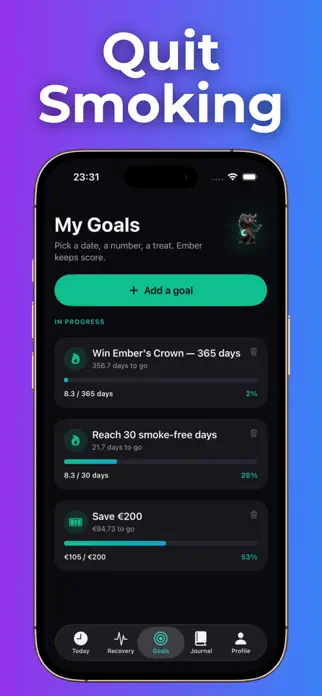
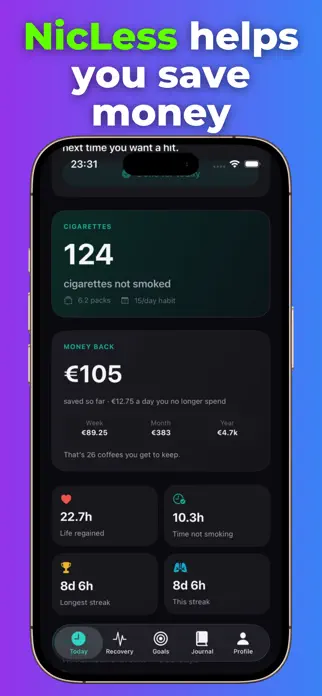
- NicLess: Tracking cigarettes, vapes and nicotine pouches. A free iPhone app with a live quit clock, money saved, avoided-use totals, craving journal, five-day quests and a no-lecture slip button. Its cut-down mode offers gentle, steady or fast pacing. Data stays on the iPhone, with no account required.
- MeQuit Quit Smoking program: A structured course before setting a quit date. A free iPhone behavior-change course for smoking and vaping using CBT, cue exposure, conditioning ideas and hypnosis-style mental exercises. Daily reading, video and exercises take about one hour, with 8 to 10 hours total. It does not track cigarettes.
- Smoke Free: Detailed cigarette tracking and daily missions. Tracks smoke-free time, money, avoided cigarettes, health milestones and craving patterns. The free iPhone app had 4.8 stars from 57,273 US ratings in October 2026. Paid features add more planning and coaching, but ratings do not establish clinical effectiveness.
- quitSTART: Free tips, challenges and slip recovery. A free iPhone app from Smokefree.gov with tailored tips, badges, games, craving tools and support for getting back on track after smoking. It had 4.6 stars from 2,424 US ratings in October 2026.
NicLess and the MeQuit Quit Smoking program are our apps.
See what quitting could save
Enter your pack price and daily cigarette use in the cigarette savings calculator to estimate savings over a week, month and year.
Quitting or reducing alcohol safely
Alcohol withdrawal is different from nicotine withdrawal and can be life-threatening. If you drink heavily every day, need a drink to prevent shaking, or have had withdrawal symptoms, seizures, hallucinations or delirium, do not stop suddenly without medical advice. Review the alcohol withdrawal timeline and seek help planning safe care through a clinician or the National Institute on Alcohol Abuse and Alcoholism.
Call 911 for a seizure, hallucinations, severe confusion, severe shaking, fainting, chest pain, trouble breathing or rapidly worsening symptoms. If physical dependence is not present, begin by recording every drink and checking serving sizes with the standard drink calculator. You can then track alcohol-free time with the sobriety calculator or compare sobriety apps.
MeQuit Drink Lens, our alcohol app, is currently in App Store and Google Play review.
Questions about quitting nicotine and alcohol
What should I look for in a quit smoking app?
Look for a quit date or reduction plan, fast craving tools, trigger tracking, progress and savings counters, and a clear response to slips. The app should work alongside proven treatment and should not claim that tracking alone replaces nicotine replacement therapy, prescription medication, counseling or medical care.
Can a stop smoking app help me quit by itself?
It may help with planning, awareness and quick support, but research on smartphone apps alone has produced weak and inconsistent long-term results. Your average chance of quitting improves when behavioral support is paired with effective medication. Use the app to organize and reinforce that plan.
What is the best app to quit nicotine?
The best choice is one you will open during cravings and continue using after a slip. NicLess tracks cigarettes, vapes and pouches, includes structured reduction and keeps data on the iPhone. People needing intensive counseling, medication management or urgent mental health support need care beyond an app.
How can an app help me quit vaping?
Use it to count vaping sessions, delay the first use, increase time between sessions, record triggers and set a final stop date. Remove devices, chargers, pods and e-liquid before that date. Vaping-specific treatment evidence remains limited, so discuss persistent withdrawal or medication options with a clinician.
Can I use the same plan to quit nicotine pouches?
The basic plan is similar: record each pouch, identify automatic situations, choose a quit date or falling daily limit, and prepare substitutes for mouth and hand routines. Pouches still deliver nicotine and can cause withdrawal. A clinician or pharmacist can discuss cessation medication based on your use and health.
How long does nicotine withdrawal last?
Symptoms can begin within a few hours. They are generally strongest during the first week, especially the first three days, and often improve over three to four weeks. Cue-driven cravings may return for months. Seek prompt professional help for severe or persistent depression, anxiety or suicidal thoughts.
Can I use an app to stop drinking alcohol?
An app can help record drinks, identify triggers and follow a treatment plan, but it cannot determine that home withdrawal is safe. Heavy daily drinkers and anyone with past withdrawal symptoms should get medical advice before stopping or sharply reducing. Seizures, hallucinations or severe confusion require emergency care.