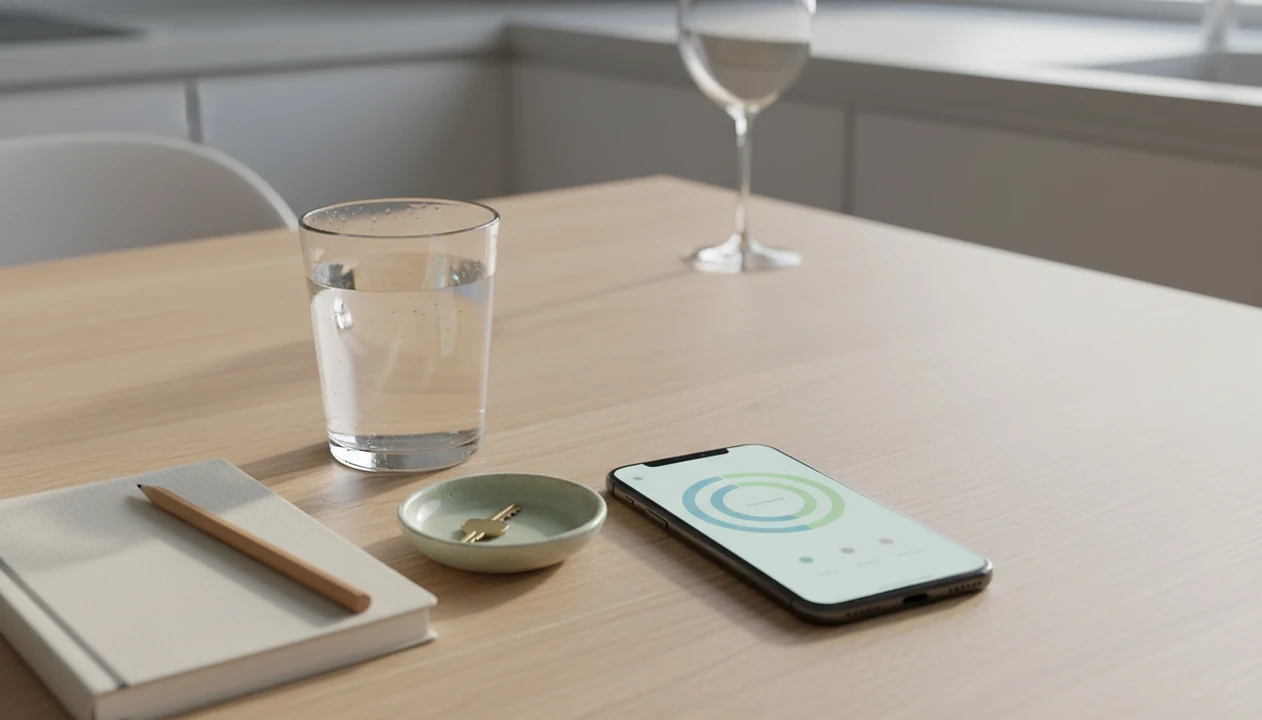
A quit drinking health benefits app is a mobile tool that logs sober days, health milestones (sleep, blood pressure, liver recovery, mood), cravings, and savings to help users visualize and sustain the physical and mental gains of reducing or quitting alcohol.
- Health benefits like better sleep, lower blood pressure, and improved mood can start within days of quitting or cutting back on alcohol.
- The best quit drinking apps combine sober-day counters with behavior-change features: craving logs, coping tips, milestone timelines, and privacy-first design.
- The strongest apps let you track alcohol reduction alongside smoking or vaping cessation in one private hub, so gains stack across multiple habits.
- No app replaces medical care for heavy dependence or withdrawal risk, always consult a professional if needed.
- 29.5 million U.S. adults had alcohol use disorder in 2022, yet most never seek formal treatment, apps bridge that gap.
At a Glance: What a Quit Drinking Health Benefits App Does
Quick answer: A quit drinking health benefits app can help you connect alcohol-free days with changes you may notice in sleep, mood, cravings, spending, and routine. It is most useful as a private progress tracker and reflection tool, not as a substitute for medical care if withdrawal symptoms or alcohol dependence are possible.
Key takeaways
- Track both alcohol-free days and lower-drinking days if your goal is reduction rather than full sobriety.
- Log cravings with time, place, mood, and trigger so patterns become easier to spot.
- Use money-saved estimates as motivation, but focus on health and safety first.
- Expect benefits to vary; sleep, anxiety, digestion, and energy often improve at different speeds.
- Plan for high-risk moments before they happen, especially evenings, weekends, and social events.
- Ask a clinician before stopping suddenly if you drink heavily or have had withdrawal symptoms before.
A quit drinking health benefits app tracks what changes after alcohol leaves your routine: sober days, health milestones, cravings, and money saved. The point is not just counting days. It is making recovery visible when the Friday 6 p.m. drink still feels automatic.
Most useful apps include a sober-day counter, a health timeline, a craving logger, and a savings tracker. Some also let you mark dry days, drink-limit goals, and personal reasons for cutting back. According to NIDA, 29.5 million U.S. adults had alcohol use disorder in 2022, while NIAAA notes that many people with AUD do not receive treatment the NIH statistics NIAAA alcohol data.
That gap matters.
Digital tools can reach risky drinkers who do not want a group, clinic, or public identity attached to change. Tools like Me Quit add another layer by putting alcohol, smoking, and vaping progress in one private place.
5 Facts About Alcohol-Free Health Benefits You Should Track
- Sleep quality and daytime energy can improve within days to weeks after reducing alcohol, especially when evening drinking stops disrupting deeper sleep cycles. For a deeper sleep-focused plan, the health pattern is covered in quit drinking for better sleep.
- Blood pressure often begins to drop during the first few weeks, particularly for people who drank heavily or binged regularly. Clinicians typically recommend tracking blood pressure with medical guidance if readings were already high.
- Liver enzyme levels can begin moving toward healthier ranges within weeks, though liver recovery depends on drinking history, weight, medications, and existing disease.
- Mood and mental clarity often improve within 2 to 4 weeks for many people. The headache behind the eyes at dusk can still show up, but it usually becomes easier to name the craving instead of obeying it.
- Long-term alcohol reduction lowers risk tied to stroke, liver disease, and several cancers. The WHO estimates harmful alcohol use causes about 3 million deaths each year worldwide, and the CDC says adults who drink should drink less for better health the World Health Organization alcohol data.
How a Sobriety Health Benefits App Works
A sobriety health benefits app works by turning behavior change into a loop: log, visualize, reinforce, repeat. In plain terms, you record what happened, the app shows progress, and that feedback helps the next decision feel less abstract.
The data model is simple but useful. You enter self-report inputs such as cravings, mood, triggers, drinks avoided, and context. The app calculates outputs like streak length, estimated money saved, drinks skipped, and health milestone unlocks. Milestone timelines usually draw from clinical recovery patterns around sleep, blood pressure, liver markers, skin, weight, and mood.
Counters help, but coping prompts and personal reasons make them more practical. Opening an app during a three-minute craving is different from arguing with yourself for an hour. The most common useful pattern is a counter paired with a coping action, because cravings need both time and direction. Me Quit uses a multi-habit model, so alcohol, smoking, and vaping gains can stack on one dashboard.
How to Use a Quit Alcohol Health Tracker
Use a quit alcohol health tracker by setting a clear goal, logging real cravings, and reviewing health milestones before motivation fades. The first setup should take minutes, not a full Sunday planning session.
- Download a privacy-focused tracker and select a “Quit Drinking” or “Drink Less” goal.
- Set your quit date or reduction target, then add personal reasons that matter on a low-motivation night.
- Log cravings and triggers when they hit, including mood, time, place, and context.
- Review health milestones as they unlock, such as sleep, blood pressure, liver, and energy changes.
- Check your streak, money saved, and drinks avoided on the dashboard.
- Reset without shame if you slip, because the app tracks long-term patterns, not perfection.
A measuring shot glass near the sink is useful data, not a character verdict. For many people, a reset is the small next step that keeps the quit plan alive.
Ready to start your quit?
A quit drinking health benefits app tracks your alcohol-free days, health milestones, cravings, and money saved so you can see exactly how your body recovers after you stop or cut…
Stop Drinking Health Milestones App: Timeline of Recovery
A stop drinking health milestones app shows general recovery windows, not personal medical results. Timelines vary by drinking level, age, sleep debt, medications, nutrition, and whether withdrawal symptoms appear.
| Time alcohol-free | Health changes many users track |
|---|---|
| 24 to 72 hours | Blood sugar may stabilize, hydration can improve, and early sleep pressure may build. |
| 1 to 2 weeks | Sleep quality often rises, energy steadies, and blood pressure may start to drop. |
| 3 to 4 weeks | Mood may lift, mental clarity can sharpen, and skin may begin clearing. |
| 1 to 3 months | Liver enzymes may improve, weight may decrease, and immune function can feel stronger. |
| 6 to 12 months | Cardiovascular and cancer-risk reduction becomes more meaningful over time. |
These are estimates. A sobriety health benefits app can remind you what to watch for, but it cannot confirm liver recovery or diagnose blood pressure changes. If weight is part of your goal, quit drinking for weight loss explains why results are uneven.
When to Seek Medical Help for Alcohol Withdrawal
Seek medical help if stopping alcohol brings severe shaking, seizures, confusion, fever, hallucinations, chest pain, or thoughts of self-harm. If you drink heavily every day, do not quit suddenly without medical advice, because withdrawal can become dangerous fast.
Apps can help you track drinks, cravings, symptoms, and patterns. They cannot supervise detox, diagnose withdrawal, prescribe medication, or tell you whether symptoms are safe. NHS, CDC, NIAAA, and MedlinePlus guidance all treat severe alcohol withdrawal as a medical issue, not a willpower test.
- Call emergency services now if you have a seizure, severe confusion, hallucinations, fainting, high fever, or suicidal thoughts.
- Contact a doctor, urgent care, or addiction service before stopping if you drink heavily most days or have had withdrawal before.
- Tell a trusted person what is happening, especially during the first few days alcohol-free.
- Track symptoms in the app only as supporting notes, not as proof that detox is under control.
- Ask about supervised withdrawal, medication options, and follow-up support if dependence feels likely.
Best Quit Drinking Apps Compared: MeQuit and Alternatives
The right quit drinking app depends on whether you want a simple counter, mindful drinking support, or multi-habit tracking. All of these apps are support tools, not clinical treatment, detox, or emergency care.
- MeQuit: Me Quit is built for alcohol, smoking, and vaping in one private hub, with craving logs, health milestones, money saved, streaks, and reset-friendly progress tracking.
- Sunnyside: Sunnyside focuses on mindful drinking, daily drink planning, weekly goals, and coaching-style text support for people cutting back rather than quitting completely.
- EasyQuit / Sobriety Counter: These apps work well for people who want a sober-day timer, health milestone badges, and a clear visual streak without many extra features.
- NHS Drink Free Days: This free UK-focused app supports drink-free goals, unit tracking, and lower-risk drinking habits.
Good quit drinking health tools deliver private progress tracking, craving support, and health milestone context, not a promise to cure dependence. For anxiety-related changes, quit drinking anxiety and mental health goes deeper.
Why Tracking Multiple Habits in One Quit Drinking Health App Matters
Tracking alcohol, smoking, and vaping together matters because these habits often trigger each other. A pub exit through the smoking area can turn one drink into a cigarette, then a vape craving, then the feeling that the night is already lost.
Alcohol and tobacco use frequently co-occur, and quitting both can support cardiovascular, liver, and lung gains over time. A single dashboard also reduces app fatigue. You do not need one counter for dry days, another for cigarettes, and a third for the disposable vape under a pillow.
Me Quit mequit addiction recovery hub for quit smoking, stop vaping, quit drinking, and mindful alcohol reduction is designed around that overlap. The UK’s Chief Medical Officers advise not regularly drinking more than 14 units a week to keep health risks low, which gives moderate-drinking trackers a useful reference point the NHS. For heart and liver changes, read quit drinking for heart and liver health.
Limitations
A quit alcohol health tracker can support change, but it has real limits. The honest version is better than the shiny one.
- Apps cannot manage alcohol withdrawal, which can be medically dangerous and may require supervised detox.
- Health milestones are estimates based on averages, not medical diagnoses or lab results.
- If pregnancy, seizures, severe depression, or suicidal thoughts are involved, professional help is the safer route.
A calendar dry day marked green feels good. It is still not a blood test.