
Quit Drinking for Heart and Liver Health
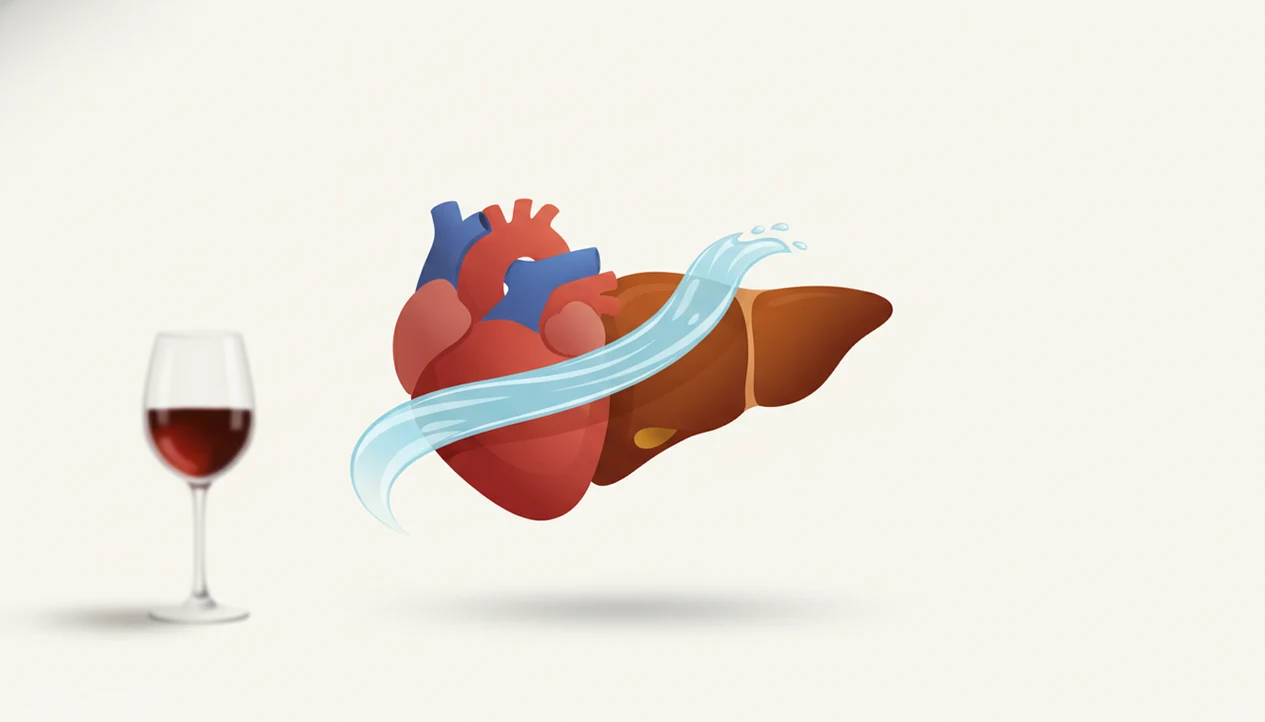
Quit drinking for heart and liver health can lower alcohol-related strain on your blood pressure, heart rhythm, triglycerides, liver inflammation, and liver fat, with some measurable improvements appearing within weeks for many people. If you drink heavily or daily, talk with a clinician before stopping suddenly because alcohol withdrawal can be dangerous.
> Definition: Quitting alcohol for heart and liver health means stopping or sharply reducing alcohol so the liver and cardiovascular system have less toxic stress and a better chance to recover.
- Alcohol can damage both the liver and heart through inflammation, fat buildup, high blood pressure, triglycerides, arrhythmias, cardiomyopathy, stroke risk, and cirrhosis risk.
- Some liver inflammation and blood markers may improve after 2–4 weeks of abstinence in heavy drinkers, while blood pressure and heart-related markers often improve over weeks to months.
- MeQuit helps adults privately track cravings, streaks, milestones, and alcohol-free progress, but medical care is essential for withdrawal risk, abnormal labs, liver disease, or heart symptoms.
At-a-glance heart and liver benefits of quitting alcohol
Quick answer: Quitting alcohol can often reduce strain on the heart and liver by improving blood pressure, triglycerides, heart rhythm risk, liver inflammation, and liver fat over time. Some people notice measurable changes within weeks, but heavy or daily drinkers should get medical guidance before stopping because withdrawal can be dangerous.
Key takeaways
- Alcohol reduction is often helpful even before perfect abstinence.
- Blood pressure and sleep may improve early for many people.
- Liver enzyme changes can improve, but timelines vary widely.
- Cravings often peak and pass; tracking patterns can make them easier to manage.
- Heavy daily drinking may require supervised detox or medication support.
- Follow-up labs and blood pressure checks make progress more visible.
Quitting alcohol reduces a major driver of liver inflammation, fatty liver, high blood pressure, triglycerides, and heart strain. The clearest gains usually come when drinking has been heavy, frequent, or tied to symptoms or abnormal labs.
Excessive alcohol use is linked to shortened life expectancy and deaths from liver disease and cardiovascular disease, per the CDC. That does not mean every person improves on the same timeline. Drinking history, genetics, nutrition, medications, smoking, sleep, and existing liver or heart disease all matter.
The Friday 6 p.m. drink can make another drink feel automatic. For some people, it also turns into a cigarette or vape craving before dinner. Tools like MeQuit can help track cravings, streaks, dry days, and health milestones privately, but they do not diagnose liver disease or treat heart symptoms.
Small wins count here.
Five facts about quitting alcohol for liver health and heart health
- U.S. guidance defines heavy drinking as 8 or more drinks per week for women and 15 or more drinks per week for men, according to NIAAA alcohol facts and statistics NIAAA alcohol data.
- Alcohol-associated liver disease accounted for 46% of cirrhosis deaths in the United States in 2019, per CDC reporting CDC report.
- A 2021 review found that 2–4 weeks of complete abstinence in heavy drinkers significantly reduced liver inflammation and improved elevated liver serum markers the NIH.
- Alcohol use caused about 954,000 cardiovascular disease deaths globally in 2019, including ischemic heart disease and stroke, according to the World Health Organization the World Health Organization.
- Guideline limits are harm-reduction limits, not a recommendation to drink for heart protection.
The most common medically supported way to quit alcohol for organ health is abstinence combined with clinical follow-up when dependence, abnormal labs, or heart symptoms are present.
How quitting alcohol improves heart and liver health
Quitting alcohol improves heart and liver health by removing ethanol, the intoxicating chemical in alcohol, and its toxic breakdown product acetaldehyde from daily circulation. With fewer toxic hits, the liver and cardiovascular system have less oxidative stress, meaning less cell-level irritation and inflammation.
- Reduce acetaldehyde exposure so liver cells are not repeatedly pushed into inflammation, fat storage, and scarring pathways.
- Lower liver fat and inflammatory signals over time, especially when alcohol was a main driver of fatty liver or abnormal liver blood tests.
- Ease cardiovascular strain by removing a trigger for higher blood pressure, elevated triglycerides, palpitations, rhythm problems, and alcohol-related heart-muscle stress.
- Track quick wins carefully because sleep, resting heart rate, blood pressure, and some liver markers may improve within weeks, while liver fat, fibrosis risk, triglycerides, and heart structure need longer monitoring.
- Stay realistic about advanced disease because cirrhosis and alcohol-related cardiomyopathy may improve in stability or symptoms but may not fully reverse.
The point is not a perfect overnight reset. It is fewer repeated injuries, measured over time.
Alcohol-free liver recovery mechanisms after quitting
Alcohol-free liver recovery works by removing acetaldehyde exposure and oxidative stress, two drivers of liver inflammation, fat buildup, and scarring. In plain terms, the liver gets fewer toxic hits and more room to repair.
When alcohol is metabolized, the liver handles most of the work. Heavy or repeated exposure can push fat into liver cells, inflame tissue, and activate scarring pathways. The liver has strong regenerative capacity, so removing alcohol can reduce inflammation and allow repair in fatty liver or earlier alcohol-related injury.
That said, cirrhosis and advanced scarring may not fully reverse. Abstinence can still improve outcomes, reduce ongoing damage, and help clinicians manage complications. Blood tests can also lag behind the real picture. Normal enzymes do not always mean a healthy liver, and improving enzymes do not prove that all damage is gone.
The lab portal can look calmer before the body is fully repaired.
Heart health changes after stopping drinking
Alcohol can raise blood pressure, triglycerides, arrhythmia risk, inflammation, and heart muscle strain. For heavier drinkers, stopping can lower several of these pressures over weeks to months, especially when alcohol was a main trigger.
Regular heavy drinking is linked with cardiomyopathy, stroke risk, and heart failure risk. Some people also notice fewer palpitations after they stop, particularly after weekends or nights with several drinks. A weeknight pour after laptop shutdown may feel routine, but the heart still has to respond.
The older red wine heart-health idea is not a reason to drink. Clinicians typically recommend reducing or avoiding alcohol when it contributes to high blood pressure, atrial fibrillation, liver disease, or alcohol-related cardiomyopathy. Progress may be measured through home blood pressure, resting heart rate, lipid labs, symptoms, and clinician follow-up.
For people who drink above low-risk limits, stopping alcohol is often better than switching drink types because ethanol drives the organ stress.
Heart and liver milestone timeline after quitting alcohol
Recovery timelines vary, but the first months often show visible patterns in sleep, blood pressure, liver markers, and energy. A simple timeline helps you know what to watch without expecting a guaranteed result.
| Timeline | Liver changes | Heart and body changes |
|---|---|---|
| First days | Less incoming alcohol stress; hydration may improve | Sleep may be uneven at first; resting heart rate and palpitations may improve for some |
| 2–4 weeks | Heavy drinkers may show reduced liver inflammation and improved elevated liver serum markers | Blood pressure, sleep quality, and energy may begin improving |
| 1–3 months | Liver enzymes, liver fat, and weight-related strain may improve more clearly | Triglycerides, blood pressure, weight, and exercise tolerance may shift |
| 6+ months | Longer abstinence supports lower ongoing liver injury | Heart strain may continue to improve, especially with nutrition and movement |
| Long-term abstinence | Lower risk of further alcohol-related liver damage | Lower alcohol-related cardiovascular risk over time |
First days without alcohol
The first days are often about safety, hydration, sleep disruption, and getting through craving windows.
Two to four weeks alcohol-free
At 2–4 weeks, heavy drinkers may see improved liver inflammation and elevated serum markers, based on review evidence.
Three months without alcohol
At three months, some people see larger shifts in liver enzymes, triglycerides, weight, blood pressure, and stamina.
How to quit alcohol for heart and liver health
Quit alcohol for heart and liver health by making the plan safe first, then making the next drink harder to reach. The goal is fewer repeated alcohol hits while you monitor the body signals that matter.
- Check your withdrawal risk with a clinician before stopping suddenly if you drink heavily, drink daily, or have had shakes, sweats, seizures, hallucinations, or severe anxiety after cutting back.
- Choose your quit target with medical guidance: complete abstinence is often clearest for organ recovery, while a clinician-approved reduction plan may be safer for some people at withdrawal risk.
- Remove drinking cues from the house, delivery apps, work calendar, weekend routines, and social plans that usually turn into “just one.”
- Track your signals each day, including blood pressure when relevant, sleep, cravings, symptoms, mood, and alcohol-free days.
- Schedule follow-up checks for liver labs, blood pressure review, rhythm symptoms, triglycerides, or heart evaluation when your history or symptoms make that important.
- Restart fast after slips by writing down the trigger, time, place, and decision point, then choosing the next alcohol-free block without waiting for a perfect Monday.
How to use MeQuit to quit drinking for heart and liver health
Me Quit can help adults privately track cravings, alcohol-free days, streaks, and health milestones. Use it as day-by-day support for behavior change, not as detox care or a substitute for medical follow-up.
- Set a goal for abstinence, dry days, or a clinician-recommended alcohol limit.
- Log drinks or alcohol-free days so your pattern is visible, not guessed.
- Track cravings when the urge hits, including time, place, mood, and trigger.
- Record health milestones such as blood pressure readings, sleep, labs, weight, and energy.
- Review patterns weekly to spot links between stress, social plans, nicotine, and drinking.
- Reset after slips by noting what happened and choosing the next alcohol-free day.
Private progress tracking works well when the phone is already in your hand during a three-minute craving. The broader quit drinking health benefits app guide covers more whole-body milestones.
Clinical liver and heart markers to track after quitting alcohol
The most useful markers after quitting alcohol are the ones you can review with a clinician over time, not one isolated number. Ask what fits your history, symptoms, and risk level.
- Liver blood tests: ALT, AST, GGT, bilirubin, albumin, platelet count, and INR can help show injury, liver function, or scarring risk.
- Liver structure checks: Ultrasound, elastography, imaging, or fibrosis assessment may be used when labs, symptoms, or history raise concern.
- Heart and circulation markers: Home blood pressure, resting heart rate, triglycerides, cholesterol, weight, palpitations, and edema symptoms can show cardiovascular change.
- Daily function markers: Sleep, exercise tolerance, breathlessness, and energy often tell a useful story between appointments.
Normal liver enzymes do not rule out significant liver damage. Get medical follow-up for abnormal labs, yellowing skin or eyes, abdominal swelling, leg swelling, chest pain, fainting, or shortness of breath. If sleep is your early signal, the quit drinking for better sleep guide may help you track that part more clearly.
Safety rules for heavy drinkers who want to stop drinking
“Can I stop drinking suddenly if I drink heavily or every day?” Not without checking your withdrawal risk. People who drink heavily, drink daily, or have had withdrawal symptoms should ask a clinician before stopping suddenly.
Urgent withdrawal symptoms include seizures, hallucinations, confusion, severe shaking, racing heart, fever, severe agitation, and uncontrolled vomiting. These symptoms need emergency care. Supervised detox or medication may be safer for some people, especially after years of daily alcohol use or prior withdrawal.
A quiet restart after a weekend lapse is different from medical withdrawal. Do not treat them the same. Private tracking can support cravings, streaks, and reset plans, but it does not replace emergency care, detox, diagnosis, or medical treatment.
Limitations
Quitting alcohol can reduce organ stress, but it is not a guaranteed reversal switch. Some damage needs long-term medical care even after alcohol stops.
- No detox diet, supplement, tea, or cleanse reliably repairs alcohol-related liver or heart damage.
- Cutting down may not be enough for people with established liver disease or alcohol-related heart disease when a clinician recommends abstinence.
- Digital tools can support motivation and tracking, but they cannot diagnose liver disease, manage withdrawal, or treat heart symptoms.
If alcohol and weight have been linked for years, quit drinking for weight loss can be a useful companion topic.
FAQ
Can your liver heal after alcohol?
The liver can improve after abstinence, especially with fatty liver or early alcohol-related injury. Advanced scarring may not fully reverse, so medical follow-up matters.
How long until liver enzymes improve?
Some liver inflammation and elevated serum markers may improve within 2–4 weeks in heavy drinkers. Broader changes in liver fat, scarring risk, and overall health often take longer.
Does quitting alcohol lower blood pressure?
Blood pressure often improves after stopping or reducing heavy drinking, especially when alcohol was a major contributor. Home readings and clinician review are the safest way to track change.
Is red wine good for your heart?
People should not drink red wine for heart protection. Alcohol can raise blood pressure, arrhythmia risk, cancer risk, and liver risk.
Can fatty liver reverse after quitting?
Alcohol-related fatty liver can often improve with abstinence, better nutrition, weight management when needed, and medical follow-up. The timeline varies by baseline liver health.
Is cirrhosis reversible after quitting alcohol?
Cirrhosis is usually not fully reversible. Quitting alcohol can slow progression, reduce complications, and improve survival.
What happens after 30 days alcohol-free?
After 30 days, some people notice better sleep, lower blood pressure, fewer cravings, improved energy, weight changes, and better liver markers. Results vary by drinking history and health status.
Can quitting alcohol cause heart symptoms?
Alcohol withdrawal can cause racing heart, blood pressure changes, tremors, anxiety, and dangerous symptoms in heavy drinkers. Severe symptoms need urgent medical care.
Should heavy drinkers quit cold turkey?
Heavy or daily drinkers should seek medical guidance before stopping suddenly. Alcohol withdrawal can be dangerous and may require supervised detox or medication.