Quit Drinking Before And After 30 Days: Real One-Month Changes
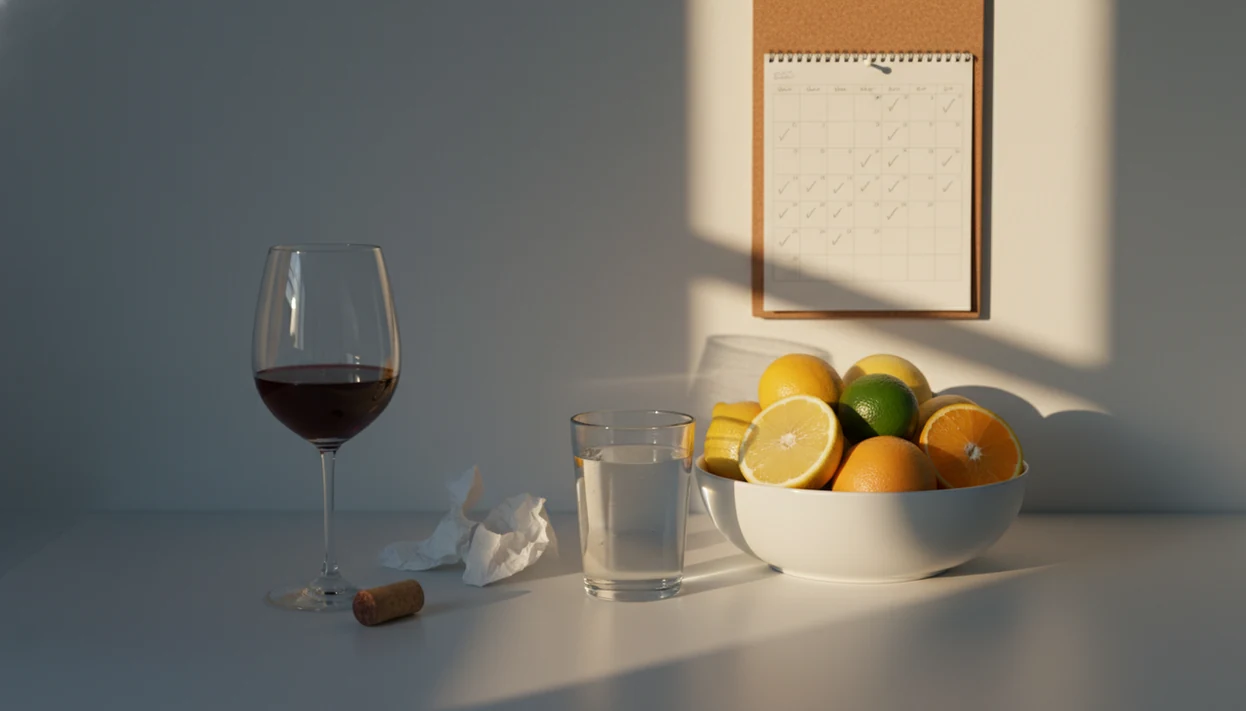
Quit drinking before and after 30 days usually means the first month brings fewer alcohol calories, less bloating for many people, better sleep after the rough early stretch, steadier energy, and clearer insight into drinking habits. The first days can also bring withdrawal symptoms, so heavy or daily drinkers should get medical guidance before stopping suddenly.
A 30-day alcohol-free break is a short-term abstinence period used to observe physical, mental, and behavioral changes after removing alcohol from daily life.
TL;DR
- The first 72 hours to two weeks can be the hardest, especially for heavy drinkers who may face withdrawal risks.
- By 30 days alcohol-free, many people notice better sleep quality, less bloating, clearer skin, improved energy, and better awareness of cravings.
- A month sober can be a powerful reset, but it is not a guaranteed cure for alcohol use disorder or a promise that old drinking patterns are safe to resume.
30 Days After Quitting Alcohol: At-A-Glance Timeline
Quick answer: After 30 days without alcohol, many people notice less bloating, steadier mornings, fewer empty calories, and clearer awareness of when and why they drink. Sleep and mood may improve after an uneven first stretch, but heavy or daily drinkers should ask a clinician before stopping suddenly because alcohol withdrawal can be dangerous.
Key takeaways
- The first week is often the hardest for cravings, sleep disruption, and routine changes.
- Removing alcohol calories may help weight goals, but food choices and activity still matter.
- Tracking urges can reveal repeat patterns such as stress, boredom, social pressure, or evening routines.
- A 30-day break works best when you plan substitutes before cravings hit.
- People who drink heavily, daily, or have withdrawal symptoms should seek medical guidance.
- The goal can be abstinence, moderation, or better decision-making after the month ends.
The first month without alcohol usually moves from withdrawal risk and sleep disruption toward steadier energy, clearer patterns, and more visible body changes. Light drinkers may notice habit and calorie changes most, while heavy drinkers can have a harder and less predictable timeline.
| Time alcohol-free | What may happen | What to watch |
|---|---|---|
| Days 1-3 | Anxiety, shakiness, sweating, poor sleep, nausea, and strong cravings can appear. | Heavy or daily drinkers may need medical supervision before stopping suddenly. |
| Days 4-7 | Sleep may still feel broken, but hydration and digestion may begin settling. | Cravings can spike around the usual pour, like the bartender reaching for the usual bottle. |
| Weeks 2-3 | Less bloating, steadier mood, better mornings, and clearer skin may become noticeable. | Evening stress, boredom, and social plans can still trigger urges. |
| Day 30 | Many people can compare energy, money saved, sleep, mood, and craving patterns with day 1. | A good month does not prove old drinking levels are safe to resume. |
For many people, the most useful 30-day result is not a mirror change. It is seeing the trigger pattern clearly.
Before And After Quitting Drinking: Five Evidence-Based Facts
Before and after quitting drinking, the biggest changes are usually a mix of physical recovery, nervous-system adjustment, and habit awareness. The evidence supports real benefits, but it does not support one identical 30-day transformation for everyone.
- Withdrawal can be uncomfortable or dangerous. Anxiety, shakiness, poor sleep, sweating, and nausea are common symptoms; seizures or delirium can occur in some heavy drinkers.
- Skin, bloating, and weight may improve, but results vary. Alcohol adds calories and can worsen dehydration and inflammation, but food intake, hormones, activity, and sleep also matter.
- Liver fat and liver function can begin improving within weeks. Fatty changes may start to reverse after heavy drinking stops, but severe liver disease needs medical care.
- Sleep may get worse before it gets better. REM rebound and disrupted sleep chemistry can make the first nights feel rough, then sleep often becomes more restorative.
- Thirty days can reveal patterns, not cure alcohol use disorder. According to NIAAA, about 29.5 million people in the U.S. had alcohol use disorder in 2022 NIAAA alcohol data.
Reset, not restart from zero.
How Quitting Drinking For 30 Days Works
Quitting drinking for 30 days works by removing alcohol’s repeated load on the brain, liver, sleep, hydration, digestion, and calorie intake. The changes happen because the body is no longer spending each drinking period processing alcohol and recovering from its after-effects.
In the first days, things can feel worse because the nervous system rebounds. Alcohol slows certain brain signals; when it is removed, the body may temporarily feel over-alert, shaky, anxious, sweaty, or sleepless. Sleep architecture, meaning the normal pattern of light, deep, and REM sleep, also has to settle again. Hydration can improve once alcohol’s diuretic effect fades, digestion may calm, and fewer alcohol calories can change weight or bloating over time.
Some changes are short-term and reversible, such as puffiness, hangovers, poor sleep, and morning fog. Others need care, including severe withdrawal, seizures, confusion, chest pain, suicidal thoughts, liver disease, or persistent depression. The starting pattern matters: occasional, binge, daily, and long-term heavy drinking all carry different timelines and risk levels.
How To Use A 30-Day Alcohol-Free Break
Use a 30-day alcohol-free break as a planned experiment, not a vague promise made after a rough morning. The point is to make the month safer, easier to measure, and useful on day 30.
- Choose a start date and look honestly at your usual drinking pattern. If you drink heavily, daily, or have had withdrawal symptoms before, ask a clinician whether stopping suddenly is safe.
- Clear the obvious cues from your home and calendar. Move bottles, mixers, barware, delivery apps, and automatic social plans out of the easy-reach zone where the old habit usually starts.
- Track the useful signals each day, including cravings, sleep, mood, money saved, and the situations that made drinking feel automatic. Small notes beat memory.
- Build replacement routines for the riskiest windows, especially evening stress, Friday plans, cooking time, or lonely late-night scrolling. Decide the walk, shower, meal, call, or alcohol-free drink before the urge arrives.
- Review your day 30 notes before choosing what comes next. Moderation, another alcohol-free month, therapy, medication, or peer support are different paths, and the notes show which one fits the evidence.
30-Day Alcohol-Free Body Changes: Liver, Sleep, Digestion, And Inflammation
Removing alcohol for 30 days reduces repeated stress on sleep architecture, hydration, digestion, liver metabolism, inflammation, and calorie intake. In plain terms, the body gets a break from processing alcohol every night or weekend.
Early discomfort can happen because alcohol affects the nervous system. When drinking stops, the brain and body have to rebalance sleep chemistry, stress hormones, and reward signals. That is why someone can feel tired, wired, and irritable in the same evening. The dry mouth after skipping drinks is real.
Liver repair deserves careful wording. Fatty liver changes can begin improving within weeks after heavy drinking stops, but scarring, hepatitis, cirrhosis, or abnormal labs require medical care. NIDDK reports that alcohol-associated liver disease accounts for about 50% of liver disease deaths in the United States NIDDK alcohol data. The full heart-and-liver view is covered in quit drinking for heart and liver health.
MeQuit Tracking Steps For One Month Sober Benefits
A 30-day alcohol-free break works better when you track the craving window, not just the calendar. Use a private log to record cravings, streaks, sleep, mood, and high-risk moments so the month becomes evidence instead of a blur.
- Set a start date and write down your usual drinking days, amounts, and highest-risk times.
- Log each craving when it appears, including time, place, mood, and body signal.
- Note the trigger after the urge passes, such as stress, boredom, social pressure, or a Friday 6 p.m. drink cue.
- Review your streaks weekly and compare dry days, money saved, sleep, and mood.
- Compare day 1 with day 30 using notes, not memory, because memory softens rough nights.
Private tracking can support behavior change, but it is not medical treatment, detox, emergency care, or a diagnosis. Good alcohol-reduction tools deliver craving records and day-by-day support without pretending to replace a clinician.
Visible Before And After Quitting Drinking Changes In Skin, Bloating, And Weight
What visible changes happen after quitting drinking for 30 days? Many people notice less facial puffiness, less belly bloating, brighter eyes, clearer skin, and sometimes weight loss.
The reason is practical, not magical. Alcohol can add a lot of calories, disrupt sleep, increase dehydration, and contribute to inflammation. Remove it for a month, and the mirror may show a less swollen face or a calmer skin tone. Some people notice it when buttoning jeans. Others mostly notice better mornings.
Weight loss is not guaranteed. It depends on baseline drinking, replacement snacks, activity, metabolism, and sleep. If nightly wine becomes nightly ice cream, the calorie math changes. For a deeper look at the weight side, the quit drinking for weight loss guide explains why the scale can move slowly even when the habit change is real.
Mental Health And Sleep Changes 30 Days After Quitting Alcohol
Sleep can feel worse in the first few days after quitting alcohol, then improve later in the month. Alcohol may help someone fall asleep faster, but it often fragments sleep and reduces restorative quality.
During the early stretch, REM rebound can bring vivid dreams, lighter sleep, and 3 a.m. wake-ups. By weeks two to four, many people report deeper sleep, better morning energy, and fewer foggy starts. Mood can shift too. Irritability, anxiety, and emotional clarity may all show up in the same week.
Not tidy. Still useful.
Craving tracking helps because mood triggers often follow a pattern. Evening loneliness, work stress, social pressure, and boredom tend to repeat. Clinicians typically recommend professional support when anxiety, depression, panic, or suicidal thoughts persist, worsen, or drive drinking urges. The mental-health side is covered more directly in quit drinking anxiety and mental health.
Light Drinkers Versus Heavy Drinkers After 30 Days Alcohol-Free
Light drinkers and heavy drinkers can both benefit from 30 days alcohol-free, but their safety risks and likely changes are different. The heavier the pattern, the more important it is to plan with medical guidance.
| Drinking pattern | Common 30-day changes | Main caution |
|---|---|---|
| Occasional drinking | Better sleep, fewer empty calories, money saved, and clearer social choices. | Benefits may feel subtle if baseline drinking was low. |
| Binge drinking | Fewer hangovers, less anxiety after drinking, and stronger awareness of weekend cues. | Per the CDC, adults who binge drink report doing so about once per week, averaging seven drinks per binge CDC alcohol data. |
| Daily drinking | More noticeable sleep, digestion, mood, and craving changes may appear. | Withdrawal can occur, especially after long-term daily use. |
| Heavy long-term drinking | Larger possible gains in blood pressure, liver strain, weight, and energy. | Medical supervision may be needed before stopping abruptly. |
For light or moderate drinkers, the most common gains are sleep, calories, money saved, and habit awareness. For heavy drinkers, the health gains may be larger, but the withdrawal risk is also larger.
Longer-Term Drinking Habits After A One Month Sober Break
A one-month sober break can work as a real-world experiment, especially when it shows which cues were driving drinking. In a randomized Dry January-style trial, participants reduced drinking by about one day per week and maintained lower consumption six months later jamanetwork.
That does not mean every person should return to drinking on day 31. Old cues can restart old loops quickly. The late-night kebab shop smoking crowd, the pub exit through the smoking area, or the same glass on the same sofa can pull the brain toward the old script.
For people who want fewer drinking days, a planned break is often easier than vague “cutting back” because the rule is clearer. After 30 days, the next step might be extending sobriety, setting drink limits, choosing dry days, or talking with a clinician about therapy or medication. Some people also use a quit drinking health benefits app to keep health milestones and streaks visible.
Limitations
A 30-day alcohol-free break can be useful, but it has clear limits. It is a behavior experiment and health reset, not a substitute for care when risk is higher.
- A 30-day break is not emergency care, detox, therapy, medication, diagnosis, or medical monitoring.
- Heavy daily drinkers can have dangerous withdrawal and should seek medical guidance before stopping abruptly.
- Social pressure, work events, family routines, and nicotine dependence can make 30 days harder than expected.
The pocket check is real. So is the reset.
FAQ
What happens after 30 days sober?
Many people notice better sleep quality, less bloating, steadier energy, clearer mornings, and stronger awareness of cravings. Heavy drinkers may also see health improvements, but they should involve a clinician when withdrawal risk is present.
Is 30 days alcohol-free enough?
Thirty days can be meaningful, but it may not be enough for full recovery or long-term change. Alcohol use disorder, mental health symptoms, and medical effects may need ongoing support.
Will I lose weight after quitting alcohol for 30 days?
Some people lose weight because they remove alcohol calories. Weight loss is not guaranteed because food intake, activity, sleep, and metabolism also affect results.
Does skin improve after quitting alcohol?
Skin may look clearer or less puffy when alcohol-related dehydration, inflammation, and poor sleep improve. The amount of change varies by person.
When does sleep improve after quitting alcohol?
Sleep can worsen during the first few nights because the brain is adjusting. Many people notice more restorative sleep over days to weeks.
Can I quit alcohol cold turkey?
People who drink heavily or daily should get medical advice before stopping suddenly. Alcohol withdrawal can be dangerous and may require supervision.
Do alcohol cravings stop after 30 days?
Cravings may become less frequent, but they can return with stress, social cues, boredom, or old routines. Private tracking tools such as Me Quit can help identify those patterns.
Can I drink again after 30 days alcohol-free?
Some people set limits after 30 days, while others choose continued sobriety. If old patterns return quickly, professional support or a longer alcohol-free plan may be safer.