
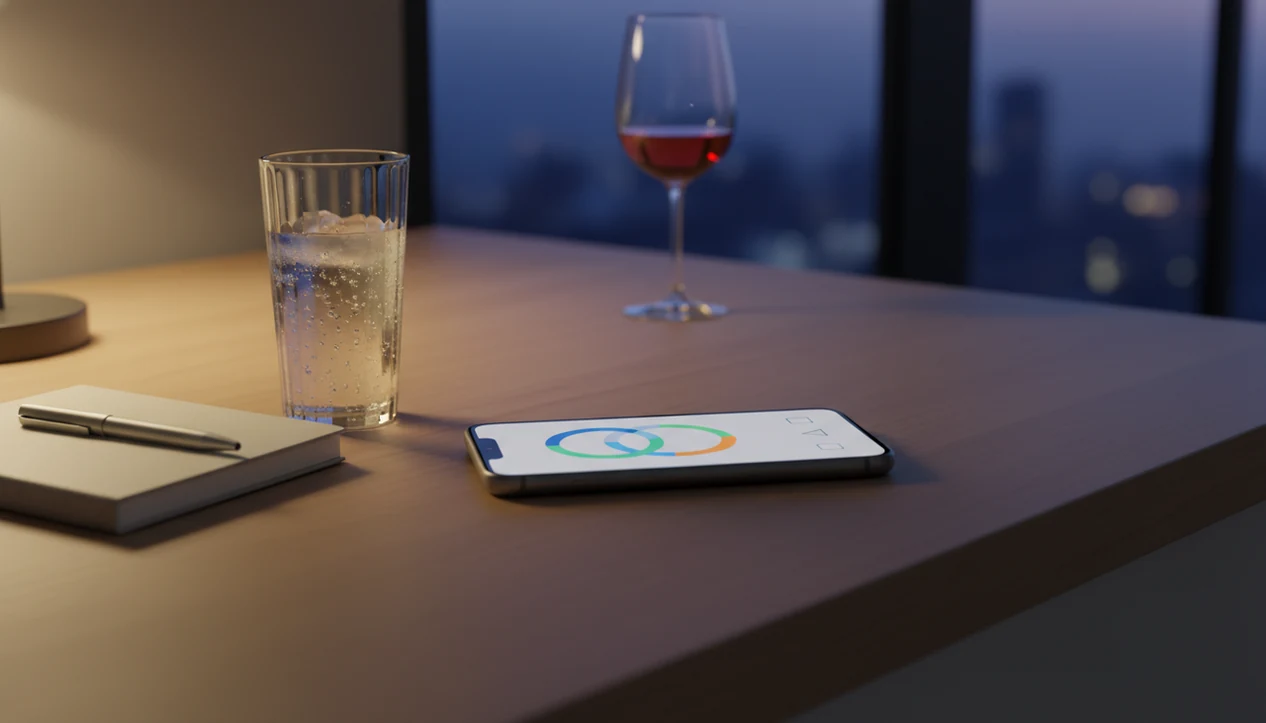
> Definition: A quit drinking support app is a mobile tool that helps adults reduce or stop alcohol consumption through drink tracking, goal setting, craving management, sobriety streaks, and motivational feedback.
At a Glance: What a Quit Drinking Support App Does
Quick answer: A quit drinking support app can help many people track sober days, notice triggers, manage cravings, and see patterns in alcohol use. It is often a practical first step for cutting back or staying accountable, but it is not a substitute for medical care when withdrawal risk, severe dependence, or safety concerns are present.
Key takeaways
- Track each alcohol-free day to make progress visible and easier to maintain.
- Log cravings with time, place, mood, and trigger to spot repeat patterns.
- Use urge-surfing, delay, distraction, or replacement routines before cravings peak.
- Estimate money saved to connect sobriety with a concrete daily reward.
- Choose privacy settings carefully, especially if alcohol tracking feels sensitive.
- Ask a clinician before stopping suddenly if you drink heavily or have withdrawal symptoms.
A quit drinking support app helps you notice drinking patterns, set a goal, and stay accountable between real-life support moments. Most include drink tracking, a sobriety counter, money saved, health timeline reminders, and short motivational feedback after you log progress.
These apps fit adults who want to quit entirely and adults who want mindful reduction. A full abstinence app may count sober days from day one. A moderation-focused app may help you set weekly drink limits, plan dry days, and spot higher-risk nights.
The need is not small. In 2022, about 29.5 million people aged 12 or older in the United States met criteria for alcohol use disorder, per NIAAA data NIAAA alcohol data. Pew has reported that about 81% of U.S. adults own smartphones pewresearch statistics, which makes phone-based support unusually reachable.
A weeknight pour after laptop shutdown is a pattern worth logging.
Five Facts About Sobriety Support Apps Everyone Should Know
- Apps are not medical detox. Heavy or dependent drinkers can have dangerous withdrawal symptoms, so medical assessment comes before cutting down alone. The full symptom pattern is covered in our guide to stop drinking withdrawal symptoms.
- Some apps have trial evidence. A 2021 systematic review found that several randomized controlled trials reported significant reductions in alcohol consumption among app users compared with control groups the NIH.
- Stronger apps do more than count days. The most useful designs combine tracking, goals, behavior-change activities, motivational feedback, and access to peer or professional support.
- Not every user wants the same goal. Some sobriety support apps support full abstinence, while others allow planned limits, dry days, and mindful reduction.
- Multi-addiction hubs can reduce blind spots. A single alcohol, smoking, and vaping tracker can help users connect related cravings when one habit tends to trigger another.
How a Quit Alcohol Support App Works Behind the Scenes
A quit alcohol support app works by turning private behavior into visible patterns. The main behavior-change techniques are self-monitoring, goal-setting, feedback loops, and commitment devices, which means the app asks you to record what happened, compare it with your plan, and choose the next small step.
Behavior-Change Techniques in Alcohol Recovery Apps
Craving logs and trigger mapping teach you when urges arrive. You might notice that Friday 6 p.m. drink makes a cigarette feel automatic, or that a tense call leads to “just one” before dinner. Streak mechanics add visible progress. Some apps also use variable-ratio reinforcement, meaning rewards arrive unpredictably enough to keep checking in interesting.
For many adults, logging the craving within three minutes is easier than arguing with yourself for an hour because the action is small and specific.
Privacy and Data Flow in Stop Drinking Apps
Alcohol-use data is sensitive. Before signing up, check how logs are stored, whether data is shared, and whether it is used for advertising. Multi-habit hubs can surface cross-behavior triggers, but that makes privacy review more important, not less.
How to Use a Quit Drinking Support App to Build a Sober Streak
Use a quit drinking support app by setting one clear goal, logging honestly, and reviewing the pattern before changing the plan. The app is most useful when it becomes a daily checkpoint, not a punishment after a rough night.
- Set your goal. Choose full quit, dry days, drink limits, or mindful reduction before the first log.
- Log your baseline drinking. Record usual drinks for one week so your starting pattern is visible.
- Track each craving. Note time, place, mood, and trigger when the urge hits.
- Review weekly progress. Check dashboards, milestone badges, money saved, and your quit drinking timeline.
- Adjust your support. Add peer groups, therapy, or medical care if the data shows repeated slips or rising risk.
- Add related habits if needed. Use a multi-habit tracker for smoking or vaping goals when alcohol cues nicotine.
Reset, not restart from zero.
Ready to start your quit?
A quit drinking support app gives you craving tools, streak tracking, and private progress logs so you can reduce alcohol or stop completely on your own terms. With 29.5 million…
Top Stop Drinking Support Apps Compared
Several stop drinking support apps can help, but they are built for different users. Choose based on your goal, privacy comfort, and whether you need alcohol-only support or a wider habit plan.
- Me Quit: A multi-addiction hub for alcohol, smoking, and vaping, with private progress tracking, craving tools, streaks, and milestone feedback.
- Reframe: A science-based alcohol reduction app with education, coaching, and structured daily activities.
- Sunnyside: A mindful drinking tracker focused on moderation, planned limits, and weekly accountability.
- Daybreak: An alcohol support app that can support abstinence or reduction, with peer community features.
- Drinkaware: A UK-based drink tracking and alcohol unit counter for people who want clearer consumption data.
| App | Main fit | Notable strength |
|---|---|---|
| Me Quit | Alcohol plus nicotine habits | One place for drinking, smoking, and vaping goals |
| Reframe | Alcohol reduction | Coaching and structured lessons |
| Sunnyside | Moderation | Drink limits and dry-day planning |
| Daybreak | Abstinence or reduction | Peer community |
| Drinkaware | Drink awareness | Unit counting |
Real-world review research has found that users often value progress tracking, motivational feedback, and social support. Apps such as Me Quit, Reframe, and Sunnyside deliver prompts and tracking, not medical detox or a guaranteed cure.
Evidence Behind Quit Drinking Support Apps
Evidence for quit drinking support apps is promising, but it is not a guarantee that any one app will produce recovery on its own. Reviews of alcohol app interventions suggest that some randomized trials find reduced drinking versus control groups, especially when the app does more than display a streak.
The strongest evidence fits plain behavior-change work: tracking drinks, setting a goal, getting feedback, receiving reminders, and connecting to support. Those are different from app-store claims such as “rewire your brain,” “quit effortlessly,” or “guaranteed sobriety,” which may sound clinical without being directly tested.
A safer way to read the evidence is:
- Check the feature. Look for self-monitoring, craving notes, personalized feedback, reminders, and support options.
- Separate the claim. Treat testimonials, star ratings, and bold promises as marketing unless the app names actual trial evidence.
- Match the risk. Use apps for awareness, planning, and accountability, while getting medical help for dependence or withdrawal risk.
- Review your response. If logs show repeated heavy drinking or rising distress, add human support rather than waiting for the app to fix it.
Few individual apps have direct randomized trial validation, so the safest expectation is better structure, not guaranteed recovery.
How to Evaluate Quality in an App-Based Alcohol Recovery Tool
A good app-based alcohol recovery tool should show more than a streak counter. Look for behavior-change techniques such as self-monitoring, goal setting, coping prompts, trigger notes, and review dashboards.
Read the privacy policy before adding sensitive details. Check how alcohol-use data is stored, shared, or monetized. If the policy is vague, treat that as a real drawback.
Human support matters too. Better apps point toward peer groups, coaching, therapist referrals, or medical care when risk increases. Clinicians typically recommend medical guidance for people with heavy, dependent, or risky drinking before sudden reduction.
Be cautious with big claims. Many alcohol apps have not been tested in randomized controlled trials, even when their store ratings look strong. Engagement design also matters. If the app feels useful only on install day, it probably will not help much during week four. For a broader phone-based plan, our guide to how to quit drinking with phone explains daily workflows.
When a Sobriety Support App Is Not Enough on Its Own
A sobriety support app is not enough when alcohol withdrawal, mental health risk, or unsafe living conditions are part of the picture. Heavy or dependent drinkers can face seizures, severe anxiety, confusion, or other complications when stopping suddenly.
Some drinking patterns have deeper drivers. Trauma, depression, unstable housing, intimate partner violence, and untreated anxiety need real human care. An app can help you record what is happening, but it cannot make a home safe or replace a clinician.
The strongest role for an app is as one component in a broader support plan. That plan may include therapy, medication review, peer groups, family support, or medical oversight. If AA does not fit you, there are other routes, including quit drinking without AA plans and clinician-supported options.
Benefits also depend on use. The app sitting unopened beside a pint does nothing. The urge note typed under a table can change the next decision.
Limitations
A quit drinking support app is a support tool, not a standalone cure. It can help with structure and awareness, but it has clear limits.
- It cannot manage withdrawal seizures, delirium, severe dehydration, or medical complications. Clinical detox may be required.
- Apps do not treat trauma, co-occurring mental health disorders, unstable housing, or social isolation.
- Medication questions belong with a qualified clinician. Our overview of quit drinking with or without medication explains the decision points.
The pocket check is real.