Quit Drinking Rewards: Milestone Ideas That Keep You Alcohol-Free
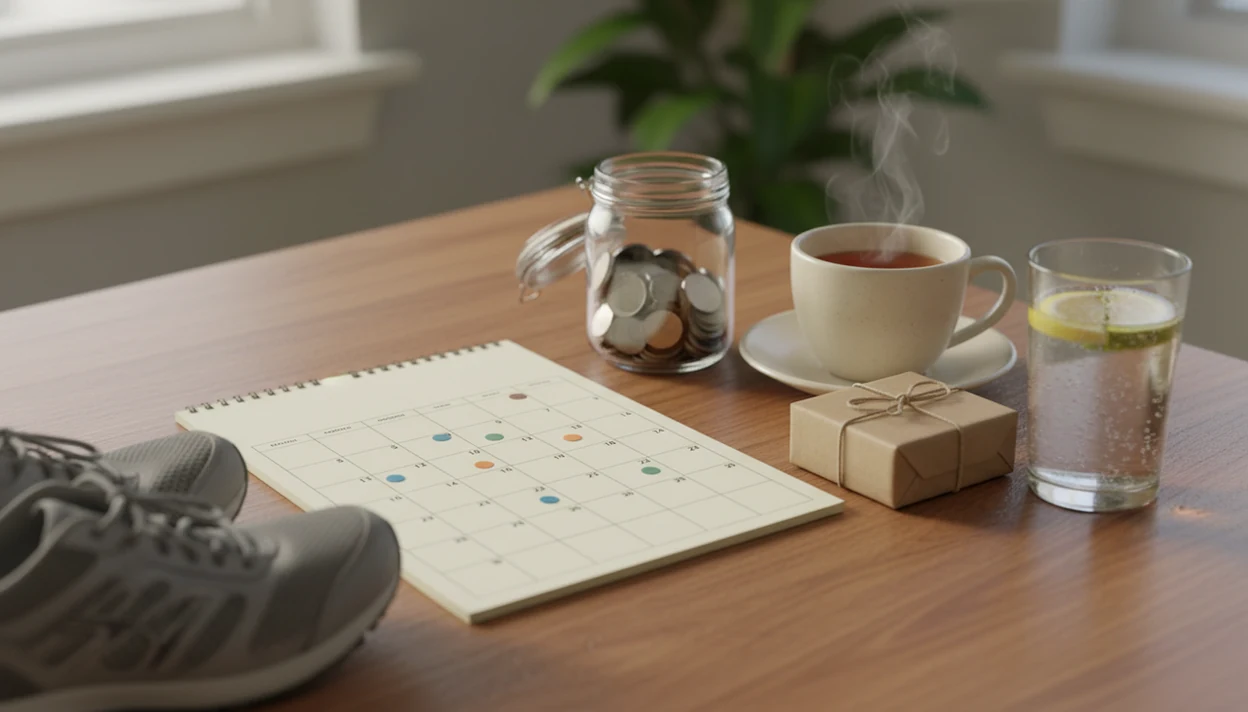
Quit drinking rewards work best when you plan small, non-alcohol treats for early wins and bigger, meaningful rewards for longer milestones. A simple reward system can turn 24 hours, 7 days, 30 days, 90 days, and 1 year alcohol-free into visible progress instead of private struggle.
Definition: Quit drinking rewards are planned, non-alcohol treats, experiences, savings goals, or personal rituals used to celebrate alcohol-free milestones and reinforce the habit of not drinking.
This guide is educational and motivational, not medical advice. If you may be physically dependent on alcohol, do not rely on rewards alone; talk with a clinician before stopping suddenly because withdrawal can be dangerous.
TL;DR
- Tie each reward to a clear milestone such as 24 hours, 7 days, 30 days, 90 days, or 1 year alcohol-free.
- Choose rewards that support your reason for quitting, such as better sleep, saving money, family time, fitness, creativity, or mental clarity.
- Avoid rewards that could become substitute addictions, including gambling, compulsive shopping, drug use, or alcohol-centered celebrations.
Quit Drinking Rewards at a Glance: Milestones, Ideas, and Rules
Quick answer: Quit drinking rewards can help many people make alcohol-free progress feel immediate, visible, and personally meaningful. The safest rewards are planned in advance, do not involve alcohol, and support the reason you are cutting back or stopping.
Key takeaways
- Choose rewards before cravings hit so the plan is easy to follow.
- Use small rewards for early milestones and larger rewards for longer streaks.
- Avoid rewards that create new problems, such as overspending or heavy sugar use.
- Pair rewards with trigger notes so you learn what situations need support.
- If you may have alcohol withdrawal, get medical advice before stopping suddenly.
Quit drinking rewards are easiest to use when each milestone has a reward before the craving window arrives. The basic ladder is 24 hours, 3 days, 7 days, 30 days, 90 days, 6 months, and 1 year alcohol-free.
| Milestone | Reward size | Alcohol-free reward ideas |
|---|---|---|
| 24 hours | Tiny and immediate | Favorite meal, movie night, fresh sheets |
| 3 days | Small | New book, long walk, bath, playlist |
| 7 days | Small plus visible | Breakfast out, hobby item, sober morning ritual |
| 30 days | Meaningful | Class, massage, savings transfer, day trip |
| 90 days | Bigger | Fitness gear, concert, home project |
| 6 months | Values-based | Debt payment, weekend away, family experience |
| 1 year | Major | Course, vacation fund, room upgrade, annual ritual |
Good rewards are alcohol-free, realistic, personal, and planned. Tools like MeQuit can help adults track cravings, streaks, and milestones privately, so the reward is tied to something visible instead of a vague promise.
How Quit Alcohol Rewards Work in the Brain and Daily Routine
Quit alcohol rewards work by giving the brain a new positive cue for staying alcohol-free, especially when alcohol used to signal relief, celebration, boredom relief, or social belonging.
In habit-loop terms, alcohol can become linked to a cue, a routine, and a reward. Friday 6 p.m. may start to mean a drink, then a cigarette, then “I earned this.” A planned reward interrupts that loop. It gives the same day a different ending.
Rewards reinforce behavior most when they are immediate, specific, and connected to a milestone. “At 7 days, I’ll buy the running shoes” is clearer than “I’ll do something nice sometime.”
Tiny counts.
Natural rewards also grow over time. Better sleep, less morning dread, steadier energy, pride, and clearer thinking can become part of the reward system. For many people, noticing those changes is as important as buying anything.
Five Sobriety Rewards Facts to Know Before You Start
Sobriety rewards work better when they support a quit plan, not when they are random treats thrown in after a hard week.
- Rewards work best when tied to clear milestones and chosen in advance, because the brain has a specific target during a craving window.
- Rewards should be non-alcohol and non-addictive; gambling, drugs, compulsive shopping, and alcohol-centered nightlife can pull progress sideways.
- Small frequent rewards and bigger occasional rewards can work together, especially during the first month.
- Natural benefits are real rewards too: sleep, energy, clarity, and control often become more noticeable as alcohol-free days build.
- Alcohol use disorder may require professional support beyond rewards; NIAAA reported that about 29.5 million people aged 12 or older in the United States had alcohol use disorder in 2021 (NIAAA alcohol data).
The CDC estimates about 178,000 alcohol-attributable deaths occurred annually in the United States during 2020 to 2021 (CDC alcohol data). Dry January research has also linked a one-month alcohol-free challenge with reported improvements in sleep and energy, while BMJ Open research has found short-term health-marker changes during temporary alcohol abstinence (bmj).
How to Use Quit Drinking Rewards for Alcohol-Free Milestones
Use quit drinking rewards as a simple milestone system: name the reason, schedule the dates, match the reward, track what changes, and adjust after real life happens.
- Set a reason for quitting or drinking less. Write one clear reason, such as sleep, health, parenting, money, or feeling steady after work.
- Pick milestone dates before they arrive. Mark 24 hours, 3 days, 7 days, 30 days, 90 days, 6 months, and 1 year.
- Match reward size to milestone size. Keep early rewards quick and affordable, then make longer milestones more meaningful.
- Track cravings, streaks, money saved, and mood changes. Apps such as MeQuit can keep this private when you don’t want a public group identity.
- Review and adjust rewards after cravings, slips, or plateaus. Reset, not restart from zero.
For people who need more day-by-day prompts, a quit drinking motivation app can help turn the reward plan into a routine instead of another note buried on your phone.
Stop Drinking Milestone Rewards from 24 Hours to 1 Year
Stop drinking milestone rewards should grow with the effort. A 24-hour reward can be small and fast, while a 1-year reward should feel connected to the life you are building.
First-week quit alcohol rewards
For 24 hours, choose a favorite meal, a movie, a bath, a new playlist, or a sober morning ritual. For 3 days, try a new book, a long walk, or breakfast somewhere quiet. At 7 days, a small purchase or planned outing works well.
The first week can feel loud.
Thirty-day and ninety-day sobriety rewards
At 14 days, consider a coffee date, home project item, or hobby supplies. At 30 days, choose a class, massage, savings transfer, special meal, or day trip. At 90 days, try fitness gear, a concert, therapy copay, or debt payment.
Six-month and one-year alcohol-free rewards
For 6 months, plan a weekend trip, home upgrade, family experience, or larger savings deposit. For 1 year, consider a course, sober vacation fund, annual ritual, or something that marks a changed identity. Reward size should fit your budget and values, not social media expectations.
Alcohol-Free Celebration Ideas That Match Your Reason for Quitting
“What alcohol-free celebration ideas match my reason for quitting?” The most useful rewards point back to your personal reason, because the celebration then reinforces the exact life change you want.
If health is the reason, choose a checkup, massage, running shoes, or meal-prep tools. If money matters, make a savings transfer or pay down a bill. If relationships are the reason, plan a family day or quiet dinner where nobody has to monitor your drinking.
For sleep, upgrade bedding or protect a slow Saturday morning. For confidence, pay for a class, haircut, therapy copay, or interview clothes. For creativity, buy paints, music software, garden supplies, or a workshop spot. If freedom is the point, start a sober vacation fund.
People also quitting smoking or vaping should avoid rewards that trigger another habit, like a patio table with ashtray and pint. The link between alcohol and nicotine can be strong, so choose rewards that support all goals.
Sobriety Rewards That Do Not Create Replacement Habits
Sobriety rewards should feel good without creating a new pattern that causes harm. Non-addictive does not mean boring; it means the reward supports your life after the milestone passes.
- Experiences: day trips, museum visits, concerts, or family outings create memory without bringing alcohol into the center.
- Learning: classes, books, coaching sessions, or skill supplies give the brain a clear “I’m building something” signal.
- Movement and nature: hikes, yoga passes, bike repairs, or park mornings can help restless energy move through the body.
- Rest and creativity: sleep upgrades, art tools, music time, or a home corner reset can make evenings less empty.
- Savings: debt payments, emergency funds, and sober vacation deposits make money saved visible.
Avoid gambling, drug use, excessive shopping, risky food binges, or nightlife built around alcohol. If stress is the main trigger, pair rewards with a plan for quit drinking when stressed, not just a bigger treat.
When to Get Medical Help Before Using Rewards
Get medical help before relying on rewards if stopping alcohol could put your body or safety at risk. Rewards can support motivation, but they do not replace detox, counseling, medication, emergency care, or a crisis plan.
Withdrawal can become dangerous, especially after heavy or daily drinking. Warning signs that deserve urgent medical advice include shaking, sweating, vomiting, fever, confusion, hallucinations, seizures, chest pain, severe agitation, or a racing heartbeat. You should also speak with a clinician before quitting suddenly if you drink heavily every day, have had withdrawal symptoms before, use sedatives or opioids, are pregnant, have liver disease, heart problems, seizures, or serious mental health symptoms.
- Call a clinician, urgent care, or local medical advice line before your quit date if any risk factor fits.
- Describe how much you drink, when you last drank, and any past withdrawal symptoms.
- Ask whether supervised detox, medication, or counseling is safer than stopping alone.
- Seek professional support if you keep relapsing, cravings feel severe, or drinking is causing harm despite strong intentions.
Private Milestone Tracking for Quit Alcohol Rewards
Private tracking tools can help adults monitor cravings, streaks, dry days, and alcohol-free milestones without making recovery public.
Private tracking supports quit alcohol rewards in three practical ways. Streaks show the alcohol-free days you have already protected. Craving logs reveal trigger patterns, like the half-poured wine glass on the counter after a tense call. Milestones give you a clear moment to use the reward you planned.
The useful app category here is private progress tracking and craving support, not diagnosis, detox, or emergency care. A recovery hub should help adults notice patterns and take a small next step, not promise to treat alcohol use disorder.
For adults changing more than one habit, one place to track cigarettes, vapes, drinks, dry days, and money saved can reduce the mental load. A quit drinking support app can also help when rewards need reminders, not willpower speeches.
Limitations
Rewards can support motivation, but they cannot do the job of medical care, counseling, medication, or structured treatment when those are needed.
- Rewards alone cannot treat alcohol use disorder.
- Seek medical or professional support for withdrawal symptoms, repeated relapse, severe cravings, or unsafe drinking patterns.
- Substitute habits can undermine recovery, especially gambling, drug use, compulsive shopping, or using nicotine more heavily.
Clinicians typically recommend professional support when drinking is unsafe, withdrawal is possible, or cravings feel unmanageable. If a bad day is the usual breaking point, build a separate plan for quit drinking after a bad day.
FAQ
What are quit drinking rewards?
Quit drinking rewards are planned non-alcohol treats, experiences, savings goals, or rituals used to celebrate alcohol-free milestones. They help make progress visible and reinforce the habit of not drinking.
Do sobriety rewards really work?
Sobriety rewards can support motivation and habit reinforcement, especially when planned in advance. They are not a standalone treatment for alcohol use disorder.
What is a good first reward after quitting drinking?
A good first reward is small, immediate, and low-cost, such as a favorite meal, movie, bath, new book, or sober morning breakfast. The goal is to mark the first 24 hours or first few days clearly.
How often should I reward myself for not drinking?
Use frequent small rewards early, then larger rewards for longer milestones such as 30 days, 90 days, 6 months, and 1 year. Early momentum often needs more visible reinforcement.
What should I avoid using as quit drinking rewards?
Avoid alcohol, drugs, gambling, compulsive shopping, and celebrations centered on drinking environments. These can become replacement habits or trigger relapse.
How do I celebrate 30 days sober?
Celebrate 30 days sober with something meaningful, such as a special meal, class, day trip, savings transfer, therapy copay, or wellness experience. Choose something that matches your reason for quitting.
Can rewards help with alcohol cravings?
Planned rewards can give cravings a competing target and remind you why the milestone matters. They work best alongside coping skills, trigger planning, and support when needed.
When should I get help for drinking instead of relying on rewards?
Get professional or medical help if you have withdrawal symptoms, repeated relapse, severe cravings, unsafe drinking, or trouble cutting down despite serious consequences. Rewards can support care, but they should not replace it.