Quit Drinking for Weight Loss: What Changes, What Helps, and What to Expect
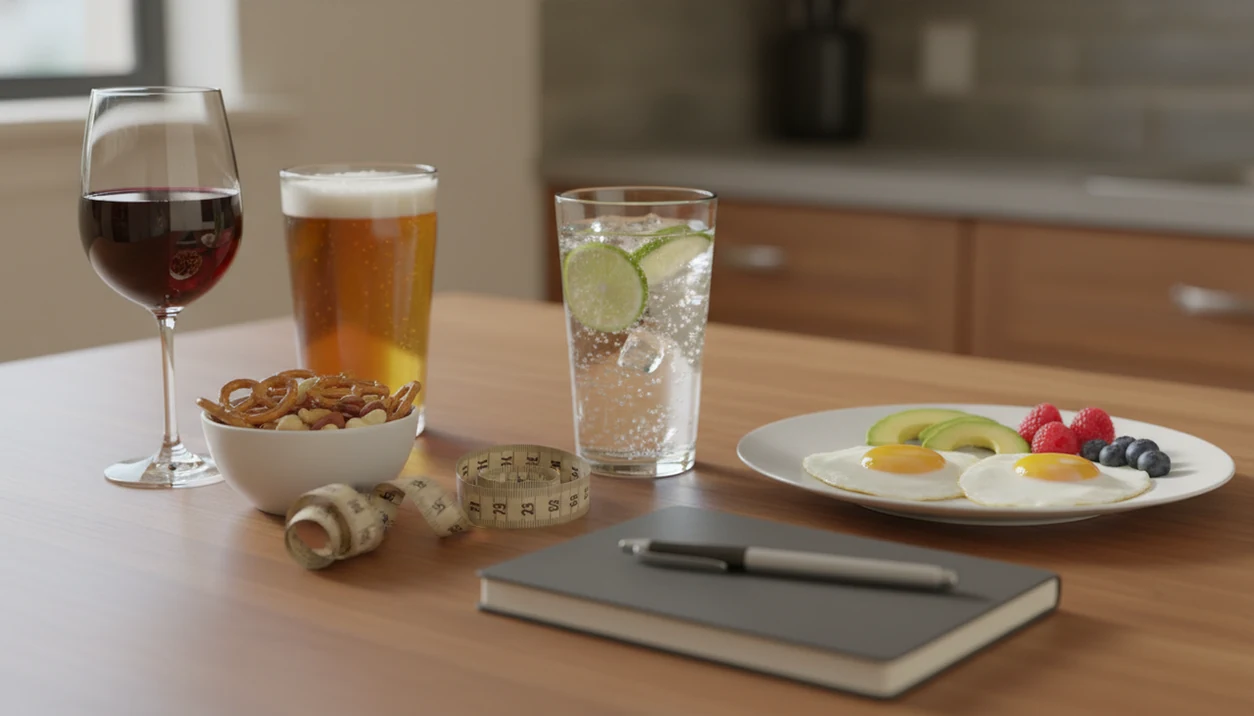
Quit drinking for weight loss can help if alcohol is adding enough calories, disrupting sleep, increasing cravings, or making workouts harder to maintain. The biggest results usually come when alcohol reduction is paired with a calorie-aware diet, movement, and private tracking of cravings, streaks, and replacement habits.
> Definition: Quit drinking for weight loss means stopping or sharply reducing alcohol so it is easier to maintain the calorie deficit, sleep quality, energy, and consistency that support fat loss.
- Alcohol contains 7.1 calories per gram, so regular drinking can quietly add hundreds of calories per week.
- Stopping alcohol may improve sleep, energy, food choices, and workout consistency, but it does not guarantee weight loss by itself.
- Private tracking can help adults notice alcohol-free streaks, cravings, milestones, and replacement habits without turning weight loss into a public challenge.
5 quit alcohol weight loss facts
Quick answer: Quitting or reducing alcohol may support weight loss when it removes regular liquid calories, improves sleep, and makes eating and exercise choices easier to repeat. Results vary, and the biggest changes often come from pairing alcohol reduction with a calorie-aware routine and consistent habit tracking.
Key takeaways
- Alcohol calories can add up quickly, especially from beer, wine, cocktails, and late-night drinking patterns.
- Better sleep after cutting back may make hunger, cravings, and workouts easier to manage.
- Replacing drinking with sugary drinks or extra snacks can erase the calorie benefit.
- Tracking cravings and triggers helps identify when alcohol was linked to stress, boredom, or social pressure.
- A realistic goal is consistency, not perfection; slips are data for the next plan.
- People who drink heavily should ask a clinician before stopping suddenly because withdrawal can be dangerous.
- Alcohol provides 7.1 calories per gram, close to fat at 9 calories per gram, so drinks can add up fast.
- A 5-ounce glass of wine has about 121 calories, and a 12-ounce regular beer has about 153 calories, according to USDA food data.
- The body prioritizes metabolizing alcohol, so fat oxidation can drop while alcohol is being processed.
- Cutting alcohol helps most when the calories are not replaced with soda, desserts, juice, or large late-night snacks.
- Heavy or daily drinkers may need medical support before quitting suddenly, because alcohol withdrawal can be dangerous.
The Friday 6 p.m. drink is often not just one drink. It can turn into chips, takeout, a skipped walk, and poor sleep.
Small leaks count.
How quitting drinking for weight loss works
Quitting drinking for weight loss works by removing a calorie source that often does not make people feel full, while also making sleep, cravings, and activity easier to manage. It helps most when those changes create a sustained calorie deficit.
Alcohol has energy: about 7 calories per gram. Because it is usually consumed as a liquid, it may not reduce hunger the way a filling meal can, so dinner, snacks, and drinks can stack together. The body also gives alcohol temporary metabolic priority because it needs to process it quickly. During that window, fat oxidation — the body’s use of fat for fuel — can slow down.
The ripple effects can matter as much as the drink itself. Alcohol can fragment sleep, and poor sleep can raise cravings, lower patience around food, and make a morning walk or workout easier to skip. Cutting alcohol can remove those obstacles, but fat loss still comes down to the weekly pattern: fewer calories in than the body uses, repeated long enough to show up.
Body changes when quitting drinking for weight loss
Quit drinking for weight loss works through both biology and behavior: alcohol adds liquid calories, changes metabolism for a while, and often weakens the routines that support fat loss. Weight loss still depends on overall calorie balance over time.
Alcohol calories do not always create the same fullness as food. A glass of wine may sit beside dinner without reducing the meal. After drinking, the body also gives alcohol priority because it cannot store alcohol safely. In plain terms, fat and carbohydrate burning may wait while alcohol is handled.
The next-day effects matter too. Drinking can worsen sleep quality, lower energy, and make workout plans easier to skip. It can also nudge larger portions, stress eating, or the “I’ll start Monday” pattern after a rough night. Clinicians typically recommend pairing alcohol reduction with steady meals, movement, and support if drinking feels hard to control.
For most adults, stopping alcohol supports weight loss best when it reduces total weekly calories and makes healthy routines easier to repeat.
How to use alcohol reduction for weight loss
Use alcohol reduction for weight loss by treating it as a 30-day experiment, not a punishment. The goal is to lower alcohol calories while protecting sleep, meals, movement, and consistency.
- Choose your target: Pick either no alcohol or a reduced-alcohol limit for the next 30 days. Make it specific enough that you know what counts on a Tuesday night or at dinner out.
- Estimate your baseline: Before changing anything, write down a normal week of drinks and rough calories. This gives you a starting point, not a reason to feel guilty.
- Plan your replacements: Stock lower-calorie options before your highest-risk window, such as after work, Friday night, cooking dinner, or watching TV.
- Track the pattern: Once a week, review cravings, sleep, meals, movement, and weight trends. Look for the quiet links, like poor sleep before snack-heavy days.
- Adjust slowly: Wait until you have two weeks of notes before cutting more food or adding harder workouts. Change one thing at a time so you can tell what is helping.
Stop drinking to lose weight calorie math
Does stopping drinking to lose weight create enough of a calorie deficit? It can, especially if alcohol was a regular part of evenings, weekends, or social meals.
One regular beer is about 153 calories. One 5-ounce wine is about 121. A cocktail may be higher because mixers, syrups, juice, and larger pours change the math. Two beers on four nights is roughly 1,200 alcohol calories per week before any snack food enters the picture. The half-poured wine glass on the counter is not just a symbol; it is also a calorie decision.
Per a CDC/NCHS analysis of alcohol calories (CDC), adults who consumed alcohol averaged 99 extra calories per day from alcoholic beverages. In that same analysis, 19% of men consumed more than 300 alcohol calories per day.
The catch is replacement. Mocktails, soda, juice, desserts, and “treat” snacks can erase the savings. If you want a broader health view, our quit drinking health benefits app guide covers other changes people often track.
Weight loss after quitting drinking timeline
Weight loss after quitting drinking does not follow one fixed timeline. Early changes are often less bloating, better hydration, and better sleep before measurable fat loss appears.
First week changes
In the first week, some people notice a flatter stomach from less bloating, fewer salty late-night foods, and steadier hydration. Sleep may still be uneven at first, especially if alcohol was part of the bedtime routine. The scale can bounce from water, salt, and digestion.
First month changes
Weeks 2 to 4 may bring more stable energy and easier workout consistency. A morning walk feels more realistic when sleep was not broken by alcohol. If cravings shift toward sweets, plan snacks before the craving window opens.
Longer-term changes
Longer-term weight changes depend on prior drinking volume, food intake, activity, sleep, stress, and replacement habits. Some people maintain or gain briefly if sugar or grazing replaces drinking. For alcohol-free weight loss, consistency matters more than a dramatic first week.
Alcohol-free weight loss tracking steps
Use alcohol-free weight loss tracking to make invisible patterns visible: drinks avoided, cravings, sleep, workouts, mood, and the moments that make drinking feel automatic.
- Set a clear goal: Choose no alcohol for 30 days, alcohol-free weekdays, or a weekly drink limit.
- Log each drink avoided: Record the time, trigger, setting, and estimated calories saved.
- Plan replacements: Keep sparkling water, tea, or zero-sugar options ready before evening cravings start.
- Review trigger times: Check patterns around stress, weekends, social events, and poor sleep.
- Track body-support habits: Note workouts, protein-forward meals, bedtime, mood, and hunger.
- Reset after slips: Treat one drink as data, not a lost week.
Tools like Me Quit can make this private. You can log a craving during a three-minute urge instead of arguing with yourself for an hour. For people focused on sleep first, quit drinking for better sleep is a useful companion topic.
Quit alcohol weight loss habit swaps
Quit alcohol weight loss habit swaps work best when they replace the cue, not just the drink. The goal is to avoid trading alcohol calories for constant grazing, soda, takeout, or extra nicotine.
- The sweet swap: Candy, cookies, and ice cream can rise when alcohol drops. Plan fruit, yogurt, or a protein snack before the craving hits.
- The soda or mocktail swap: Alcohol-free drinks help, but sugar-heavy mixers can keep calories high. Choose lighter options most nights.
- The takeout swap: Drinking often pairs with delivery food. Keep one low-effort meal ready for the usual trigger night.
- The nicotine swap: Some people reach for a vape or cigarette when they cut alcohol. Watch for the mint vape in the car cup holder becoming the new ritual.
- The stress loop: Walking, breathing tools, showers, and earlier bedtime give the body another exit ramp.
A tracking app can support craving logs and habit visibility, but it should not be framed as medical care, detox support, or a guarantee of weight loss.
Private tracking support for alcohol-free weight loss
Me Quit can help adults privately track alcohol-free days, cravings, streaks, and milestones while they build replacement routines around food, sleep, stress, and movement.
Streaks make alcohol-free days visible, which can help when progress feels quiet. A new streak badge after breakfast can be a small reminder that yesterday’s choice counted. Craving logs can also reveal patterns around food, stress, sleep, and social triggers.
Private progress tracking matters for people who do not want public accountability groups. Not everyone wants to announce a drink-limit goal at work or in a group chat. Me Quit can support self-guided behavior change, but it does not diagnose alcohol use disorder, provide detox care, or guarantee weight loss.
Limitations
Quitting alcohol can support weight loss, but it is not a magic fat-loss fix. The limits are important.
- Exact average weight loss after quitting alcohol is hard to predict and varies widely.
- Heavy or dependent drinkers should not quit suddenly without medical guidance because withdrawal can be dangerous.
- Me Quit is behavior-change support, not emergency care, detox, diagnosis, or medical treatment.
If alcohol is tied to panic, low mood, or daily coping, read more on quit drinking anxiety and mental health and consider qualified support.
When to get medical help before quitting alcohol
Get medical help before quitting alcohol if you drink heavily, drink every day, or think your body may be dependent on alcohol. Weight loss is not worth the risk of unsafe withdrawal.
Alcohol withdrawal can become serious, especially after regular high intake. Warning signs include shaking, seizures, confusion, fever, hallucinations, severe agitation, or feeling unable to function without a drink. If symptoms are severe, sudden, or frightening, seek urgent care rather than trying to wait it out at home.
- Pause the sudden-stop plan: Do not make a dramatic overnight change if dependence is possible.
- Contact a clinician: Ask a doctor, addiction service, or local urgent care team what level of support is safest for you.
- Describe your pattern honestly: Share how much you drink, how often, when your last drink was, and any past withdrawal symptoms.
- Follow the safety plan: Use supervised tapering, medication, monitoring, or detox care if recommended.
- Return to weight goals later: Once withdrawal risk is handled, you can rebuild food, sleep, movement, and tracking routines more safely.
FAQ
Will quitting alcohol cause weight loss?
Quitting alcohol may cause weight loss if it creates a calorie deficit and reduces overeating, poor sleep, or skipped workouts. It is not guaranteed if calories are replaced elsewhere.
How fast will I lose weight?
There is no reliable pounds-per-week promise after quitting alcohol. Early changes may be water, bloating, sleep, and appetite before fat loss becomes clear.
Does alcohol stop fat burning?
Alcohol does not permanently stop fat burning, but the body prioritizes alcohol metabolism. During that time, fat oxidation can be temporarily reduced.
Does beer cause belly fat?
Beer can contribute to belly fat because it adds calories and may lead to extra eating. Belly fat still depends on total energy balance, genetics, hormones, sleep, and activity.
Are mocktails good for weight loss?
Mocktails can help you avoid alcohol, but many contain sugar, juice, syrup, or soda. Lower-calorie alcohol-free drinks are usually a better fit for weight loss.
Can I drink and still lose weight?
Some people can lose weight while drinking less if alcohol calories fit within their overall plan. Frequent or high-calorie drinking makes a calorie deficit harder to maintain.
Why am I hungrier after quitting?
Hunger can rise from sugar cravings, stress, sleep changes, or replacing the drinking habit with snacks. Planned meals, protein-forward snacks, and craving tracking can help.
Is quitting alcohol suddenly safe?
Quitting suddenly may not be safe for heavy or daily drinkers because alcohol withdrawal can be dangerous. Medical guidance is recommended if you may be physically dependent.