Quit Drinking for Better Sleep: Benefits, Timeline, and Night Routine
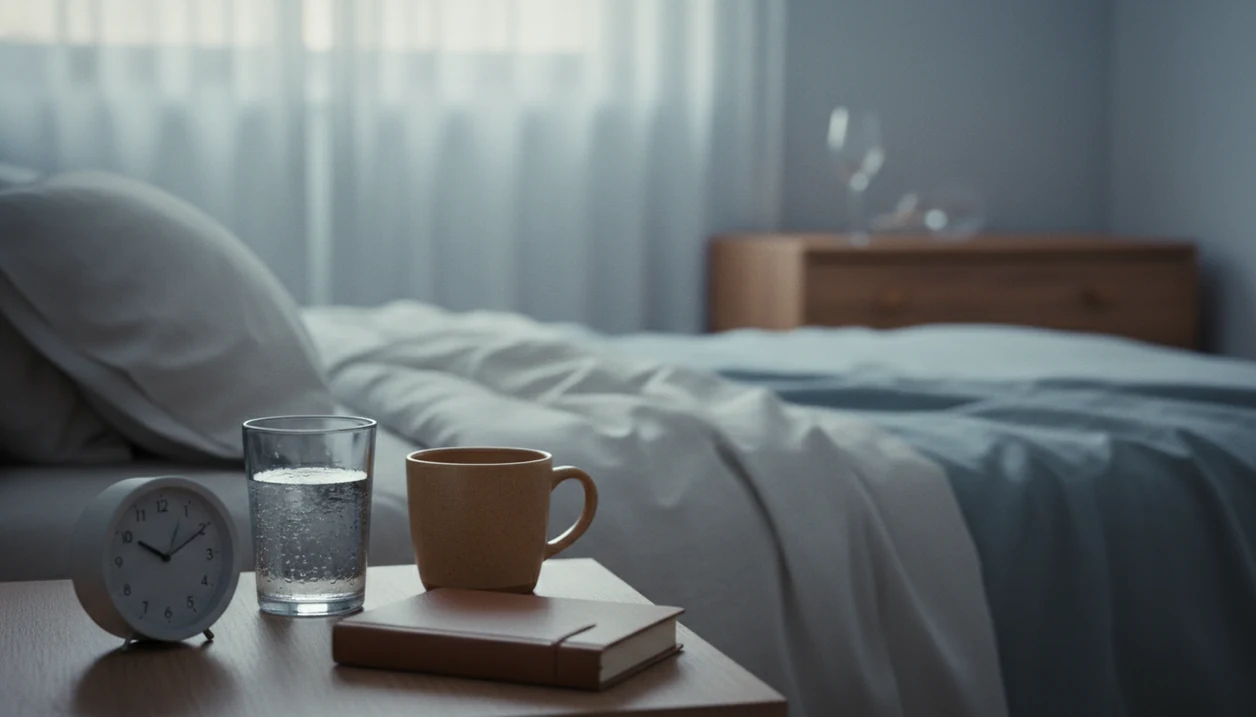
Quit drinking for better sleep can help many adults fall asleep more naturally, wake up less often, and feel more rested, but sleep may feel worse at first if withdrawal or rebound insomnia appears. The goal is to replace alcohol’s short-term sedation with a consistent alcohol-free routine that supports deeper, more stable sleep over time.
This guide is for general education about alcohol and sleep, not medical diagnosis, detox planning, or emergency care. If you drink heavily, drink daily, or have had withdrawal symptoms before, talk with a clinician before stopping suddenly.
> Definition: Quit drinking for better sleep means stopping or reducing alcohol so your body can rebuild healthier sleep timing, sleep depth, and nighttime recovery without alcohol-related disruption.
TL;DR
- Alcohol can make you drowsy at first, but it often fragments sleep later in the night.
- Sleep after quitting drinking may improve within days or weeks, although withdrawal-related insomnia can last longer for some people.
- An alcohol-free sleep routine works best when paired with craving tracking, consistent bedtimes, and medical support when withdrawal risk is present.
At-a-glance alcohol sleep benefits after quitting
Quick answer: Quitting alcohol often improves sleep quality over time because alcohol can fragment sleep and reduce restorative sleep stages. Some people sleep worse for a few nights or weeks at first, especially if withdrawal, anxiety, or rebound insomnia appears, so a steady routine and medical guidance when needed are important.
Key takeaways
- Alcohol may make you feel sleepy but can lead to lighter, more disrupted sleep later in the night.
- Early alcohol-free sleep changes are common and do not mean quitting is failing.
- A consistent wake time often helps reset sleep faster than focusing only on bedtime.
- Caffeine, late naps, and phone scrolling can keep insomnia going after alcohol is removed.
- Heavy or daily drinkers should ask a clinician about withdrawal risk before stopping suddenly.
- Tracking cravings and sleep patterns can help identify which evenings need extra support.
- Alcohol can shorten sleep onset but lower sleep quality. It may make your eyelids heavy, then leave you awake at 3 a.m. with dry mouth and a racing mind.
- Many people report better sleep during a break. In a 2024 Sleep Foundation survey, 61% of adults who took a break from alcohol said they slept better without drinking sleepfoundation alcohol data.
- Sleep is a common reason to stop. The same survey found that 36% took a break from alcohol for better sleep.
- Early insomnia does not mean quitting failed. The first few nights can feel uneven as the body adjusts.
- The sleep benefit is usually gradual. For many adults, stopping alcohol works better when paired with a steady bedtime, a craving plan, and a reset mindset.
The half-poured wine glass on the counter is often less about wine and more about finally wanting one clean morning.
How alcohol disrupts sleep after drinking
Quit drinking for better sleep works because alcohol’s sedating effect is not the same thing as restorative sleep. Alcohol can push the brain toward drowsiness early, then disturb sleep architecture as the body metabolizes it. The National Institute on Alcohol Abuse and Alcoholism notes that alcohol can alter sleep architecture and contribute to disrupted sleep as it is metabolized NIAAA alcohol data.
That means the first part of the night may feel easy. Later, sleep often becomes lighter and more broken. People may wake to use the bathroom, feel hot, notice a pounding pulse, or wake before the alarm with a dull, unrested feeling. Not dramatic. Just not repaired.
Dose matters too. In the same Sleep Foundation survey, about 40% of adults said they notice alcohol’s impact on sleep after 3 to 4 drinks. The mechanism is simple: alcohol can help you lose consciousness faster, but it can reduce the stable, restorative sleep your body was trying to build. For broader health changes beyond sleep, our quit drinking health benefits app guide covers other milestones people often track.
Sleep timeline after quitting drinking
“How long does sleep take to improve after quitting drinking?” The honest answer is days to weeks for many people, but longer for some, especially when withdrawal symptoms are present.
The first nights may include insomnia, vivid dreams, sweating, anxiety, or frequent waking. A craving timer glowing in bed at 11:40 p.m. can feel annoying, but it can also mark the exact window that needs a plan. Sleep after quitting drinking often steadies as the nervous system stops expecting alcohol as the nightly off-switch.
Timelines vary. Drinking frequency, amount, stress, medications, pain, sleep apnea, and mental health all affect recovery. Heavy or daily drinking is different from skipping a weekend habit. Clinicians typically recommend medical guidance for people who drink heavily or daily, because abrupt stopping can be risky. For people whose sleep trouble overlaps with worry or low mood, the quit drinking anxiety and mental health guide explains that connection in more detail.
Alcohol-free sleep routine steps for bedtime
An alcohol-free sleep routine replaces the “drink to shut down” habit loop with repeated cues your body can learn. The goal is not a heroic night; it’s a repeatable sequence you can follow when the craving window opens.
- Set a fixed wake time. Keep it steady most days, even after a rough night.
- Choose a no-alcohol wind-down ritual. Try a shower, dim lights, stretching, herbal tea, or ten pages of a boring book.
- Log the craving before bedtime. Note the time, trigger, urge level, and what you did instead.
- Track the alcohol-free night. Tools like Me Quit can help you record streaks, milestones, and money saved without making it public.
- Reset after a difficult night. If you drink, write down the trigger pattern and choose the next small step.
For evening drinkers, a weeknight pour after laptop shutdown often becomes the cue. Change the cue, not your whole identity.
Alcohol-free sleep routine tools in MeQuit
Me Quit is a quit drinking app that helps people track cravings, alcohol-free streaks, milestones, and money saved. It can support an alcohol-free sleep routine by making the evening pattern visible, especially when the urge arrives at the same hour each night.
Craving tracking helps answer practical questions. Was the trigger boredom, stress, a late meal, a text thread, or the Friday 6 p.m. drink that usually makes a cigarette feel automatic? Streaks and health milestones can also give alcohol-free nights a clear marker, which matters when sleep is still catching up.
The value is private progress tracking, not diagnosis or treatment. A Me Quit mequit addiction recovery hub for quit smoking, stop vaping, quit drinking, and mindful alcohol reduction should deliver craving logs, streaks, reminders, and reset prompts, not medical detox or a promise to cure insomnia. If weight change is also part of your motivation, our quit drinking for weight loss guide covers that separate outcome.
Relapse traps during alcohol-free sleep changes
Poor sleep can raise irritability, stress, and cravings, so early alcohol reduction needs active sleep management. A bad night is not just uncomfortable; it can make the next evening’s drink feel more automatic.
The risky window is often predictable. Maybe alcohol used to start after dinner, during streaming, or right after checking tomorrow’s calendar. Plan replacement behaviors before that moment. Put sparkling water in the fridge, move your phone charger out of the bedroom, text one person, or open a craving log before the urge starts arguing.
Sleep improvement can support recovery because rested people usually have more patience and better impulse control. But the reverse is also true. Sleep disruption can push the brain toward the old shortcut. Reset, not restart from zero.
For many adults, planning the craving window before bedtime is easier than relying on willpower at midnight because the decision has already been made.
Medical warning signs when quitting alcohol affects sleep
Heavy or daily drinkers should not assume sudden quitting is safe. Sleep disruption can be ordinary, but some symptoms point to withdrawal or another health issue that needs professional support.
MedlinePlus lists insomnia, shaking, anxiety, hallucinations, and seizures among possible alcohol withdrawal symptoms, with severe symptoms requiring urgent care medlineplus.
- Urgent withdrawal symptoms: confusion, hallucinations, seizures, severe shaking, chest pain, or severe dehydration need urgent medical help.
- Persistent insomnia: ongoing sleeplessness after quitting can reflect withdrawal, anxiety, depression, sleep apnea, pain, or another condition.
- Medication concerns: alcohol changes sleep and can interact with sedatives, antidepressants, pain medicines, and other prescriptions.
- Mental health symptoms: severe anxiety, depression, panic, or thoughts of self-harm deserve immediate support.
- Substance use support: The SAMHSA National Helpline is available 24/7, 365 days a year for mental health and substance use concerns SAMHSA.
If drinking has been daily or heavy, the most common medically supported way to quit safely is clinician-guided planning combined with monitoring for withdrawal symptoms.
How This Guide Was Sourced and Medically Scoped
This guide was built from established medical and public-health references, then narrowed to practical sleep and safety guidance. It uses sources such as NIAAA for alcohol’s effect on sleep, MedlinePlus for withdrawal symptoms, SAMHSA for support pathways, and Sleep Foundation survey data for lived sleep patterns.
It does not replace clinician-guided detox, diagnosis, therapy, medication advice, or treatment for alcohol use disorder. Safety warnings were placed ahead of app tips and bedtime routines because withdrawal risk can outweigh the benefit of any habit tracker, streak, or wind-down plan.
- Use SAMHSA when you need help finding mental health or substance use support, especially if you are unsure where to start.
- Seek urgent care if severe shaking, confusion, hallucinations, seizures, chest pain, severe dehydration, or thoughts of self-harm appear.
- Call a clinician before stopping suddenly if drinking has been heavy, daily, or previously linked with withdrawal symptoms.
- Use routine tools like craving logs, reminders, and sleep notes only after immediate medical safety questions are addressed.
The quiet goal is better sleep. The first rule is staying safe enough to get there.
Limitations
Quitting alcohol can help sleep, but it does not guarantee immediate better nights. The body may need time, and other sleep problems can still be present.
- Severe or persistent insomnia should be discussed with a clinician.
- Me Quit is not a detox service, emergency service, or substitute for medical care.
- App tracking can show patterns, but it cannot diagnose alcohol withdrawal, insomnia, or sleep apnea.
A stale-smoke winter coat or a rough morning can start the change. Medical safety still matters.
FAQ
Does quitting alcohol improve sleep?
Quitting alcohol often improves sleep quality over time because alcohol can fragment sleep later in the night. Some people have worse sleep at first due to withdrawal or rebound insomnia.
Why does alcohol wake me up in the middle of the night?
Alcohol can sedate you early, then disrupt sleep as it is metabolized. This can cause lighter sleep, sweating, bathroom trips, and early-morning waking.
How long does insomnia last after quitting alcohol?
Insomnia after quitting alcohol may last a few days or weeks, but it can last longer for some people. The timeline depends on drinking history, withdrawal symptoms, stress, health conditions, and medications.
Is insomnia a symptom of alcohol withdrawal?
Yes, insomnia can be a symptom of alcohol withdrawal, especially after heavy or regular drinking. Severe shaking, confusion, hallucinations, seizures, or chest pain require urgent medical care.
Can one drink ruin my sleep?
One drink may affect sleep in some people, while others notice disruption only after more alcohol. Sensitivity varies by timing, body size, tolerance, health conditions, and sleep history.
What helps sleep after quitting drinking?
Consistent sleep and wake times, a calming wind-down routine, reduced late caffeine, daytime movement, and craving tracking can help. Persistent insomnia or withdrawal symptoms should be discussed with a clinician.
Should I take melatonin after I quit drinking?
Melatonin may help some people with sleep timing, but it is not a universal solution. Ask a clinician first if withdrawal, medications, pregnancy, mental health symptoms, or medical conditions are involved.
When should I call a doctor about sleep problems after quitting alcohol?
Call a doctor if insomnia persists, withdrawal symptoms appear, or anxiety and depression become hard to manage. Seek urgent care for confusion, hallucinations, seizures, severe shaking, chest pain, or severe dehydration.