Definition: A drink less for health app is a mobile tool that helps adults reduce alcohol intake through drink logging, goal-setting, health metric tracking, and motivational feedback, designed for moderation and mindful drinking, not only abstinence.
Why a Drink Less for Health App Matters Now
Quick answer: A drink less for health app can help adults notice how alcohol relates to sleep, mood, weight goals, workouts, and cravings. It is best for self-directed reduction, not for treating alcohol withdrawal or replacing medical care.
Key takeaways
- Log each drink close to when it happens so patterns are easier to spot.
- Track context, not just quantity: time, place, mood, people, and triggers often matter.
- Set reduction goals that are specific, realistic, and adjustable week to week.
- Watch health signals such as sleep quality, energy, workouts, appetite, and next-day mood.
- If you drink daily or heavily, ask a clinician before stopping suddenly because withdrawal can be serious.
- Use the same tracker for overlapping habits if smoking, vaping, stress, or drinking triggers connect.
Alcohol reduction apps matter because many adults want a practical way to cut back before drinking becomes a crisis. The goal is often health, sleep, weight, family routines, or fewer “why did I drink that?” mornings.
- About 29.5 million Americans aged 12 or older had alcohol use disorder in the past year, according to NIDA’s 2022 alcohol summary the NIH alcohol data.
- The U.S. Dietary Guidelines define moderate drinking as up to 1 drink per day for women and up to 2 for men dietaryguidelines.
- UK Chief Medical Officers recommend no more than 14 units weekly, spread across at least 3 days gov alcohol data.
- Most people searching for an alcohol reduction app are not asking for a lifelong label. They want moderation that fits Tuesday dinner, Friday plans, and real life.
- Reviews of commercial alcohol apps find that many lack behavior-change strategies, not just nicer charts.
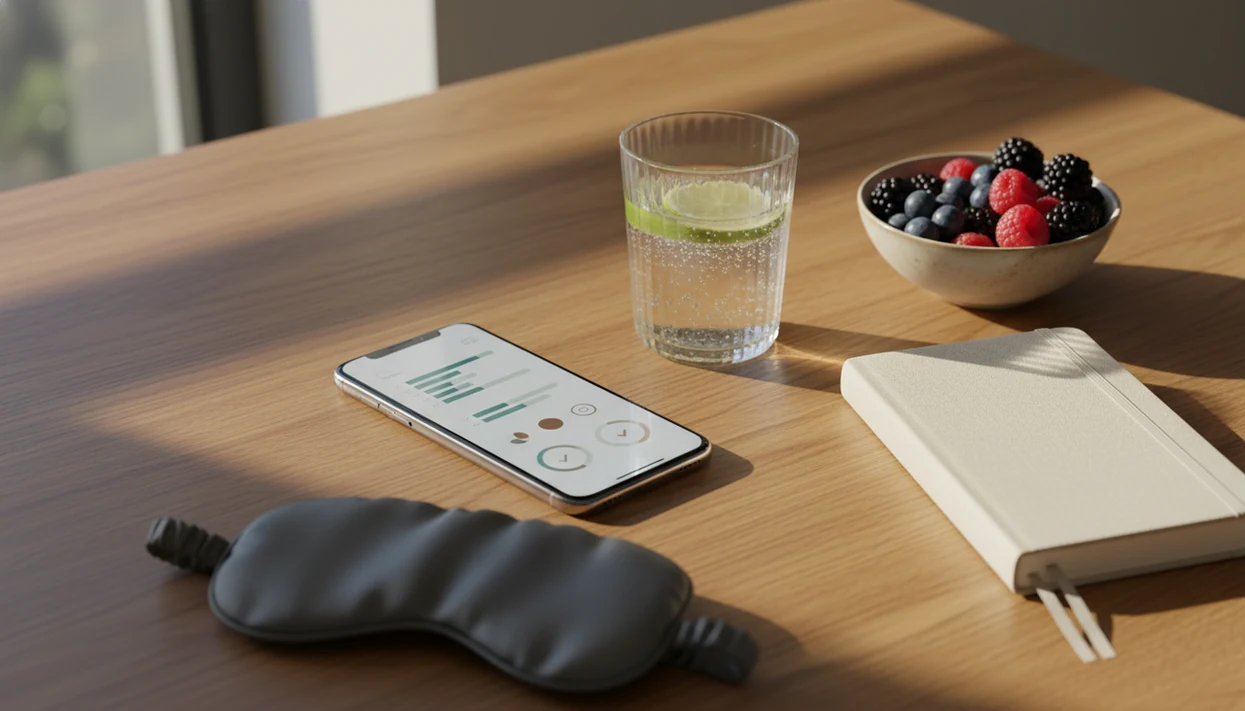
A sparkling water in a rocks glass can be a small reset cue. It sounds minor. It often isn’t.
How Mindful Drinking Health Tracking Works
Mindful drinking health tracking works by turning vague intentions into visible feedback. The behavior-change model is simple: self-monitoring, goal-setting, and feedback loops help you notice what happened, adjust the plan, and try the next craving window differently.
Behavior-Change Feedback Loops
When you log drinks, units, calories, timing, mood, sleep quality, and energy, the app starts showing patterns. A “normal” two-drink night may look different after you see poor sleep, skipped training, and a heavier breakfast the next morning. For people focused on drink less to sleep better, that connection can be more motivating than a generic warning.
Cross-Habit Trigger Management
Alcohol rarely lives alone. Stress, social events, evening routines, and the Friday 6 p.m. drink can make a cigarette or vape feel automatic. Me Quit connects alcohol tools with quit smoking and stop vaping support, so a late-night kebab shop smoking crowd becomes one trigger pattern, not three separate problems.
Good apps give private progress tracking and small next steps, not a moral scorecard.
How to Use a Drink Less Health Tracker
To use a drink less health tracker, set one clear goal, log honestly, and review the pattern weekly. The app is most useful when it becomes a quick check-in, not another thing to feel guilty about.
- Set your weekly drink-reduction goal and choose drink-free days before the week gets busy.
- Log each drink with type, units, and calories so the numbers match what you actually drank.
- Record mood, sleep quality, and energy after each day, especially after evenings that felt “normal.”
- Review your weekly dashboard for patterns, streaks, high-risk times, and money saved.
- Adjust goals based on health feedback and milestones instead of restarting from zero after a slip.
For adults cutting back for weight goals, logging calories can make the habit feel less invisible. The detailed health angle is covered in drink less for weight loss.
Health Goals You Can Track With a Drink Less App
A drink less app can connect alcohol reduction to health goals people already care about: sleep, weight, blood pressure, mood, family routines, and fitness recovery. That link matters because “drink less” is easier to follow when the reward shows up in daily life.
Sleep and Weight Improvements
Sleep quality: Fewer evening drinks may reduce night waking and groggy mornings, especially after weekday drinking.
Weight and calories: Alcohol is calorie-dense, and mixed drinks can add more through sugar. Logging makes those calories harder to miss.
Mood clarity: Some users notice fewer anxious mornings after cutting back. For that angle, drink less for mental health is often the more useful next step.
Long-Term Disease Risk Reduction
Blood pressure and heart health: Cutting alcohol can support lower blood pressure for some people, especially heavy drinkers.
Cancer and liver risk: Lower intake reduces long-term exposure linked with liver disease and several cancers.
Fitness and family routines: Better recovery can make morning workouts, school runs, and weekend plans less fragile. The green dry-day mark on a calendar can feel surprisingly steady.
Ready to start your quit?
A drink less for health app lets you log drinks, set reduction goals, and track how cutting back affects sleep, weight, mood, and fitness, privately on your phone. The Me Quit app…
Alcohol Reduction Apps vs Generic Drink Trackers
A stronger alcohol reduction app differs from generic drink trackers by combining logging with goal-setting, health feedback, and cross-habit trigger support. Generic apps may count drinks, but counting alone often misses why the drink happened.
| Feature | Health-focused alcohol reduction app | Generic drink tracker |
|---|---|---|
| Drink logging | Units, calories, streaks, health goals | Usually drink counts only |
| Behavior change | Goals, reminders, feedback loops | Often limited or absent |
| Evidence gap | Built around known behavior-change principles | Many commercial apps lack evidence-based strategies, per Recovery Answers recoveryanswers alcohol data |
| Research context | App-based reduction has trial support from UCL Drink Less research the NIH | Many apps are not trial-tested |
| Multi-habit support | Alcohol, smoking, and vaping triggers together | Usually alcohol-only |
| Privacy model | No ads, no data selling, on-device storage | Some free apps rely on ads |
App-based alcohol reduction usually works best when active logging is paired with specific goals, while passive tracking fits people who only want a diary.
Who Benefits Most From a Drink Less Health Goals App
A drink less health goals app fits adults who want to reduce drinking without necessarily quitting completely. It is especially useful when the reason is practical: better sleep, lower blood pressure, fitness recovery, fewer calories, or being more present at home.
People managing multiple habits may benefit most. A mint vape in a car cup holder, a Friday drink, and a smoke break can all belong to the same trigger pattern. Apps such as Me Quit, Reframe, and Drink Less approach this in different ways, but multi-habit support is useful when alcohol and nicotine keep cueing each other.
Privacy matters too. Some people want help without group posts, public badges, or social-media-style accountability.
Clinicians typically recommend medical support for severe dependence, withdrawal risk, pregnancy, medication questions, or co-occurring mental health symptoms. An app is not designed for medical emergencies.
Common Misconceptions About Alcohol Reduction Apps
“Is a drink less app only for alcoholics?” No. Many alcohol reduction apps are built for moderation, mindful drinking, and health tracking, not only abstinence.
Downloading an app also isn’t enough. You still have to log the drink, name the trigger, and choose the next small step. The measuring shot glass near the sink tells a clearer story when it is entered honestly.
Drinking guidelines are not random numbers. The UK 14-unit recommendation comes from large dose-response evidence linking higher intake with greater health risk, and U.S. guidance says drinking less is generally better for health than drinking more.
Privacy fears are reasonable, however not every app uses the same model. Reputable tools explain what happens to your data, and many are ad-free. Good alcohol reduction tools deliver private tracking and behavior support, not diagnosis, detox, or a guaranteed cure.
Medical and Safety Disclaimer
This page is for education and self-tracking support only. It is not medical advice, diagnosis, detox planning, or a substitute for care from a qualified clinician.
Do not suddenly cut down or stop drinking if you may be physically dependent on alcohol. Withdrawal can be dangerous, especially after daily heavy drinking, past withdrawal, seizures, or morning drinking to feel steady. Urgent clinical help is needed for shaking that feels severe, confusion, hallucinations, fever, chest pain, repeated vomiting, seizures, fainting, or thoughts of self-harm. Pregnancy, trying to conceive, liver disease, prescribed or recreational medications, and mental health concerns all make alcohol decisions more medically sensitive.
If you are unsure, take the safer route:
- Contact a clinician before making a major reduction if withdrawal risk, pregnancy, liver problems, or medication interactions may apply.
- Use emergency services immediately for seizures, confusion, severe symptoms, injury, or danger to yourself or someone else.
- Reach local crisis support if drinking is linked with suicidal thoughts, panic, violence, or feeling unable to stay safe.
- Ask for supervised care if previous attempts to cut back caused severe withdrawal or rapid relapse.
Limitations of Any Drink Less for Health App
A drink less for health app can support behavior change, but it cannot replace medical care. That line should stay clear, especially when withdrawal, blackouts, injuries, or mental health symptoms are involved.
- It is not a medical emergency service and cannot replace in-person treatment for severe alcohol use disorder or withdrawal risk.
- Evidence for alcohol reduction apps is promising, but few trials measure long-term outcomes such as hospitalization or mortality.
- It cannot diagnose alcohol use disorder, depression, anxiety, trauma, or other co-occurring conditions.
If cutting back feels physically unsafe, get clinical help before changing intake quickly.