
Definition: Alcohol app alternatives are digital tools, including drink trackers, sobriety counters, mindful drinking apps, coaching platforms, and multi-addiction hubs, that help adults reduce or stop drinking without relying on a single traditional sobriety app or in-person meetings.
Best Alcohol App Alternatives at a Glance
Quick answer: The best alcohol app alternative depends on whether you want to cut back, stop completely, or track alcohol alongside nicotine habits. For many people, the most useful option is private, simple, and focused on cravings, triggers, patterns, and progress rather than public accountability.
Key takeaways
- Choose moderation apps if your goal is fewer drinks, not necessarily zero alcohol.
- Choose sobriety counters if your main motivation is tracking alcohol-free time and milestones.
- Craving and trigger logs may help you notice patterns before a slip happens.
- Private apps can be a better fit if meetings, groups, or social feeds feel uncomfortable.
- If you drink heavily or have withdrawal symptoms, talk with a clinician before stopping suddenly.
- Apps work best as support tools, not as a replacement for medical care, therapy, or emergency help.
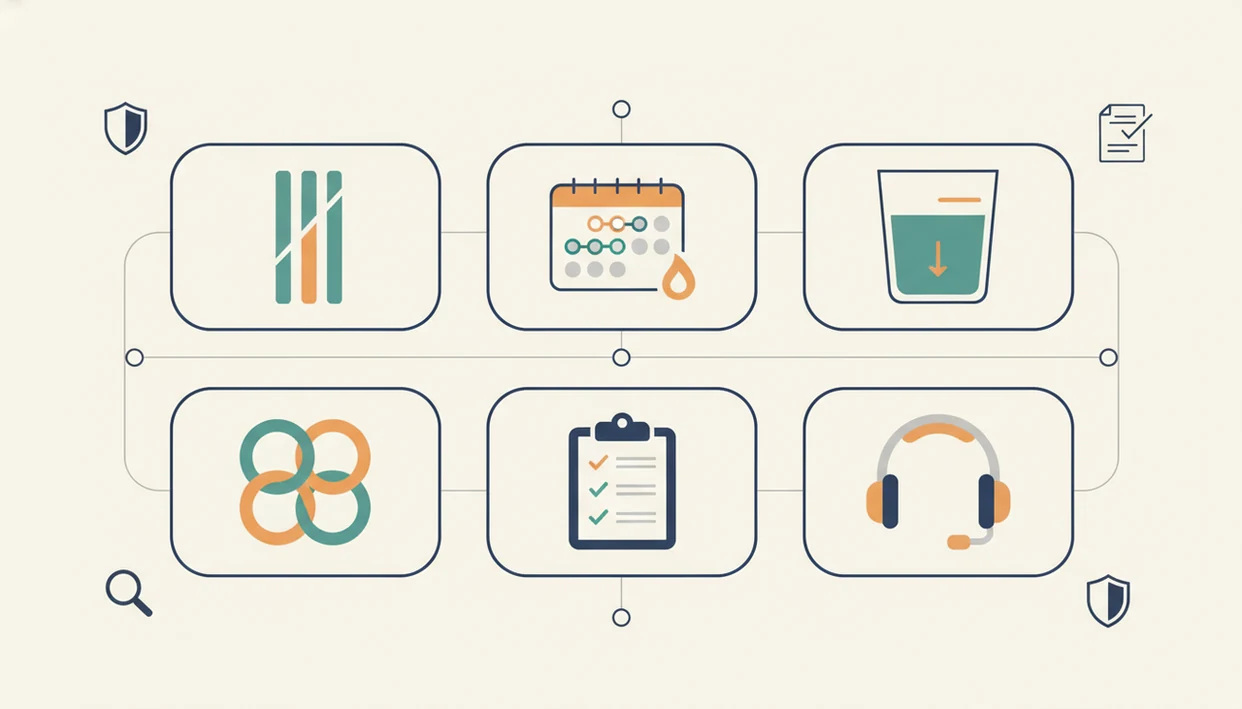
The main alcohol app alternatives are drink trackers, sobriety counters, mindful drinking apps, multi-habit hubs, general habit trackers, and coaching platforms. The right choice depends on whether your first need is privacy, structure, moderation, abstinence, or human support.
| App/Category | Best For | Privacy Level | Evidence-Based Features | Covers Multiple Habits | Free Tier |
|---|---|---|---|---|---|
| Drink trackers | Counting drinks, units, calories, and spending | Medium to high | Self-monitoring, weekly limits | Usually no | Often |
| Sobriety counters | Full abstinence and streak milestones | Medium | Streaks, reminders, pledges | Usually no | Often |
| Mindful drinking apps | Cutting back without quitting fully | Medium | Goals, reflections, drink limits | Rarely | Sometimes |
| Multi-addiction hubs | Drinking plus smoking or vaping triggers | High when self-guided | Craving logs, milestones, reset planning | Yes | Often |
| General habit trackers | Simple routines and dry-day checkmarks | Varies | Reminders, streaks | Yes, but not substance-specific | Often |
| Therapy/coaching apps | Human accountability and structured support | Varies | Coaching, therapy-style exercises | Sometimes | Rarely |
A 2019 review of substance use disorder apps reported average MARS scores of 2.75 for engagement and 2.82 for information quality, and found that few commercial apps integrated CBT or medication support the NIH. A polished interface is not a quit plan.
Five Facts About Alcohol Reduction App Alternatives
Alcohol reduction app alternatives are useful, but they are not all built with the same evidence, privacy standards, or clinical caution. Before downloading one, check what the app actually does during a craving window, not just how polished the dashboard looks.
- In 2022, about 29.5 million Americans aged 12 or older had alcohol use disorder, according to NIAAA NIAAA alcohol data. Private tools meet a very large need.
- Excessive alcohol use caused an estimated 140,000 deaths per year in the United States from 2015 to 2019, per the CDC CDC alcohol data.
- Few commercial alcohol and substance-use apps include structured CBT, relapse prevention, or medication-support education.
- Privacy ranges from public recovery feeds to fully private self-guided trackers that stay off social timelines.
- Apps usually work better when paired with counseling, helplines, peer support, or a trusted person who knows your plan.
The most common medically supported way to address serious alcohol problems is a mix of professional assessment, behavioral support, and, when appropriate, medication.
One green dry-day mark can feel small. It still counts.
How Alcohol App Alternatives Work: Behavioral Science Behind the Screen
Alcohol app alternatives work by turning drinking from an automatic habit loop into a visible pattern. Self-monitoring theory is simple: when you log drinks, times, places, cravings, and mood, you often notice intake earlier and adjust before the week runs away.
Better apps use CBT-style craving logs. You identify the trigger, the thought, the body signal, and the replacement behavior. That might mean logging a chest flutter near the corner store, then choosing a ten-minute walk instead of buying wine on autopilot. Streaks and health milestones add reinforcement. Loss aversion also matters, because people often protect a streak once it feels earned.
Relapse prevention planning is the stronger layer. A good app asks what you will do before Friday 6 p.m., not only what happened afterward. Multi-habit hubs also fit real life, because alcohol, smoking, and vaping often cue each other. A single multi-habit hub can help someone track a drink craving, a cigarette urge, and a vape trigger in one plan instead of scattering the pattern across three apps.
How to Use Alcohol App Alternatives
Use alcohol app alternatives at the moment drinking shows up: when you pour, when you want to pour, and when you reset after drinking more than planned. The point is not perfect logging; it is catching the pattern early enough to change the next choice.
- Log drinks, cravings, and resets in real time. Add the time, place, mood, and trigger while the memory is still fresh, even if the entry is short.
- Set a weekly goal before the week starts. Choose dry days, a drink limit, or an abstinence target, then make the app reflect that plan.
- Review patterns before high-risk windows. Look at the last seven days before Friday night, payday, dinner out, travel, or the lonely hour after work.
- Prepare one replacement action. Pick something specific for the next urge: leave the store, make tea, text someone, shower, walk, or open a craving timer.
- Add accountability when the app is not enough. Bring in a trusted person, coach, therapist, doctor, or helpline if slips repeat, cravings feel unsafe, or withdrawal is possible.
- Check privacy before long-term use. Review data sharing, exports, account deletion, and whether you can erase alcohol logs before trusting the app with months of history.
Ready to start your quit?
The best alcohol app alternatives range from simple drink trackers and sobriety counters to private multi-habit recovery hubs that let you cut back or quit drinking privately, no…
How to Choose the Right Drink Tracker Alternative
Use a short test process before paying for any drink tracker alternative. Seven honest days inside the app will tell you more than a landing page full of promises.
- Clarify your goal. Decide whether you want moderation, full sobriety, a dry month challenge, or fewer high-risk nights.
- Check for evidence-based features. Look for CBT-style craving logs, trigger notes, coping actions, relapse planning, and plain-language education.
- Audit the privacy policy. Check whether the app shares health data, advertising identifiers, location data, or usage patterns with third parties.
- Test the free tier for at least 7 days. Log real drinks, cravings, and resets before subscribing.
- Evaluate multi-habit support. If alcohol makes smoking or vaping more likely, consider one app that covers drinking, cigarettes, and vape urges together.
For people comparing pure drink logging with behavior-change support, the Drink Control app alternative route is usually better when you want limits, spending totals, and weekly review without a public recovery identity.
Reset, not restart from zero.
Private Alcohol App Options vs. Social Recovery Platforms
The privacy spectrum runs from fully private self-guided trackers, to anonymous community apps, to public social recovery networks. Each can help, but they feel very different at 11 p.m. when you just want to log a craving and close your phone.
Social platforms can offer belonging. They can also expose users to triggering stories, unreliable peer advice, or data trails they did not expect. A stranger’s relapse post may be supportive one day and unsettling the next. Private apps reduce that noise. They suit people who are not ready to tell a partner, employer, friend group, or family member that they are changing their drinking.
A private alcohol app should help you log urges, limits, money saved, sober streaks, and health milestones, not pressure you into public disclosure. Me Quit, a private recovery hub for quit smoking, stop vaping, quit drinking, and mindful alcohol reduction, delivers private progress tracking and day-by-day habit support, not medical detox, diagnosis, or emergency care.
If privacy is the deciding factor, compare data-sharing and encryption claims before trusting any private alcohol reduction app.
Sobriety App Alternatives for Full Abstinence Goals
Sobriety app alternatives for full abstinence focus on streaks, emergency coping, relapse prevention, and accountability. They are strongest when they make the next sober hour easier, not just the one-year milestone prettier.
- Sobriety counters and day-streak trackers: Apps like I Am Sober and nomo help users count sober days, set pledges, and see progress after a difficult first week.
- Relapse prevention and coping tools: Stronger apps include urge plans, emergency distractions, journaling prompts, and reminders for high-risk times.
- Multi-addiction hubs: Me Quit can fit people quitting drinking while also handling the cigarette urge after the first beer or the mint vape in a car cup holder.
- Professional support add-ons: Abstinence-focused users should still consider clinicians, therapy, peer groups, or helplines, especially after repeated slips.
- SAMHSA National Helpline: SAMHSA reports that its 24/7 helpline receives hundreds of thousands of calls annually for mental health and substance use support SAMHSA.
If your main question is whether to count sober days or track drinks first, the sobriety counter vs drink tracker comparison is the practical fork.
Alcohol Reduction App Comparison: Moderation and Mindful Drinking Tools
Alcohol reduction app comparison is not only for people choosing complete sobriety. Many adults use apps to set weekly limits, add dry days, reduce heavy nights, or understand why one drink becomes four.
- Mindful drinking apps: Tools like Try Dry and Drink Less support planned limits, drink-free days, reflections, and habit review.
- Unit, calorie, and spending calculators: These help users see the cost of “just a couple” across a week or month.
- Weekly limit trackers: A visible cap can slow automatic pours, especially when the measuring shot glass sits near the sink.
- Challenge apps: Dry January-style tools work well for a fixed month, but may offer less support after the challenge ends.
- Multi-goal apps: Private multi-goal apps can support moderation goals through craving notes, milestones, money saved, and reset planning.
For moderation-focused users, a drink tracker is often easier than a sobriety counter because it supports limits without requiring an all-or-nothing identity. If that sounds closer to your goal, a moderation management app may fit better than a strict abstinence tracker.
When an Alcohol App Alternative Is Not Enough
An alcohol app alternative is not enough when withdrawal, safety, repeated unsuccessful attempts, or severe alcohol use disorder may be involved. Apps cannot provide medical detox, diagnose AUD, prescribe medication, or monitor dangerous withdrawal symptoms.
Seek professional help if you have shaking, sweating, vomiting, confusion, seizures, hallucinations, severe anxiety, or drinking that feels unsafe to stop suddenly. Also get support if alcohol is tied to depression, panic, trauma symptoms, suicidal thoughts, or medication questions. Clinicians typically recommend medical evaluation for people at risk of withdrawal or severe dependence, rather than self-managing with an app alone.
Apps can still complement care. They can capture trigger patterns, dry days, drink totals, and cravings between appointments. However, engagement often drops after the first few weeks, especially without outside accountability. If you need human support but do not want meetings, the alcohol coach vs app decision can help clarify the next step.
Limitations
Alcohol app alternatives have real limits. Some are useful daily tools, but many are not tested like clinical treatments and should not be treated as medical care.
- Many alcohol apps are not rigorously studied, so effectiveness is often unclear.
- Few commercial apps integrate true evidence-based interventions such as structured CBT, medication education, or clinician-guided relapse prevention.
- No app can diagnose alcohol use disorder or replace structured clinical treatment for severe cases.
A private app can lower friction, but it cannot make risk disappear. Read the privacy policy, watch your symptoms, and involve a qualified professional when alcohol feels medically or emotionally unsafe.