Definition: A drink pacing app is a mobile tool that logs each drink, converts it to standard units, spaces drinks with timed reminders, and alerts you when you approach evidence-based low-risk drinking limits.
- Drink pacing apps use timers, standard-drink conversion, and nudges to slow your drinking pace in real time.
- Evidence-based limits from the NIAAA define a standard drink as 14 g of pure alcohol, so good apps track against these thresholds.
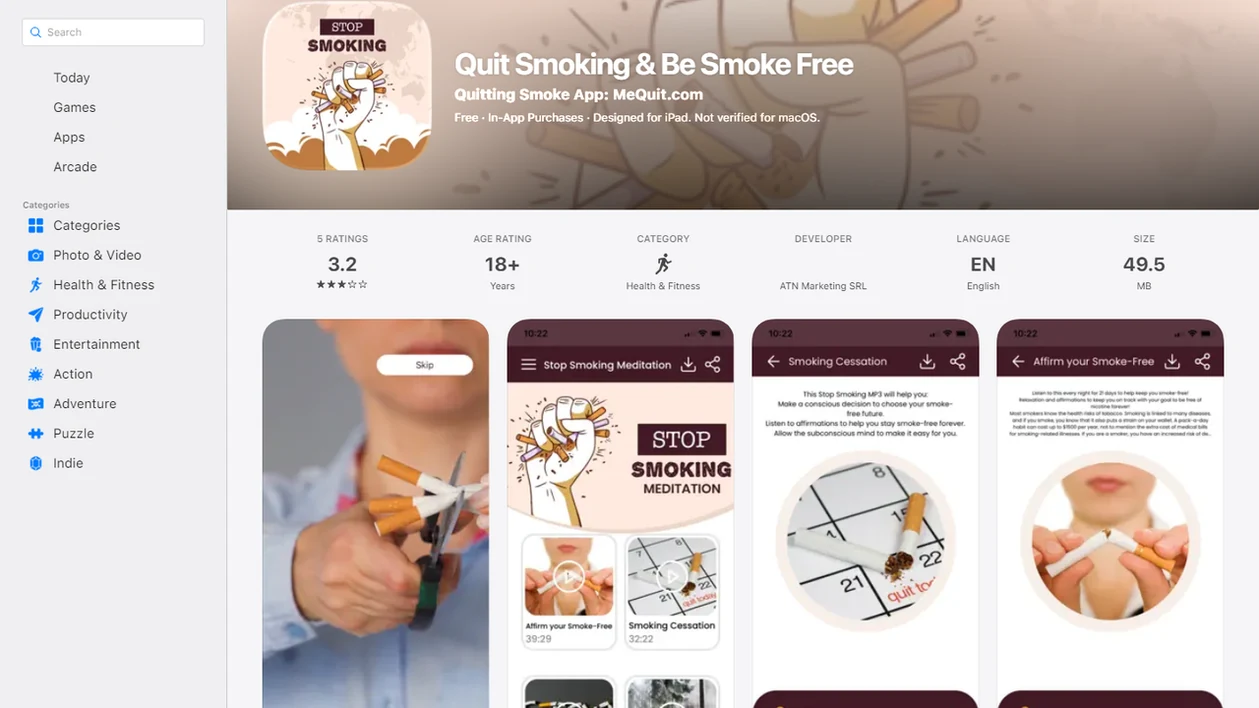
- Tools like Me Quit combine drink pacing with smoking, vaping, and craving tools so you can address cross-triggers in one dashboard.
<h2 id="slow-down-drinking-app-use-cases">Slow Down Drinking App Use Cases for Autopilot Drinking</h2>
A slow down drinking app helps when the problem is not always “I want to quit,” but “I keep finishing drinks faster than I meant to.” Per the CDC, 21.7% of U.S. adults reported binge drinking in 2022 CDC alcohol data, and many people notice the total only after the night has already moved too quickly.
Autopilot drinking is the second pour during dinner prep, the refill accepted without checking the time, or the Friday 6 p.m. drink that makes a cigarette feel automatic. Mindful drinking is different. You pause, log the drink, notice the trigger pattern, and decide on the next small step.
Pacing is a harm-reduction strategy for people who want to drink less without quitting entirely. Digital alcohol interventions usually produce modest change, not magic, but a Cochrane review found reductions of about 2 to 3 standard drinks per week. For social drinkers, pacing is often easier than abstinence-only tracking because it changes the speed of the session before the limit is broken.
<h2 id="how-drink-pacing-works">How Drink Pacing Works: Timers, Standard Drinks, and Reminders</h2>
A drink pacing app works by turning each beer, wine, cocktail, or spirit pour into standard drink units, then comparing your pace with time-based reminders and low-risk limits. The behavior loop is simple: logging creates awareness, awareness interrupts autopilot, and the pause makes the next drink less automatic.
Standard Drink Conversion and Low-Risk Thresholds
In the U.S., one standard drink contains 14 grams of pure alcohol, which is roughly 12 oz beer, 5 oz wine, or 1.5 oz distilled spirits. The NIAAA defines low-risk drinking as no more than 4 drinks in a day and 14 per week for men, and no more than 3 in a day and 7 per week for women NIAAA alcohol data.
Adaptive Reminder Intervals
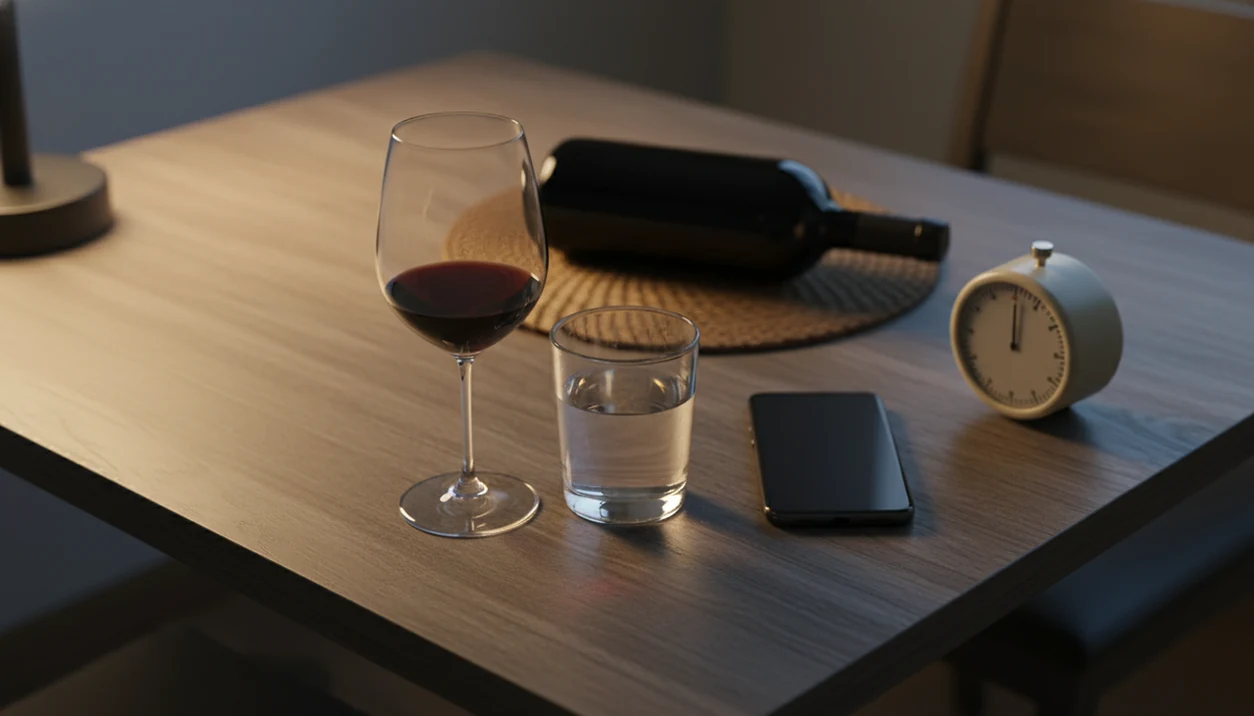
Most pacing plans use a 20 to 30 minute gap between standard drinks. Better tools adjust nudges for body weight, sex, and consumption speed, though they still can't estimate your exact blood alcohol concentration. The beer fridge hum during dinner prep is exactly when a timed reminder can break the pattern.
<h2 id="how-to-use-drink-pacing-app">How to Use a Drink Pacing App to Drink Slower</h2>
Use a drink pacing app before the first drink, not after you already feel behind. The setup takes less than a minute, but it changes the whole session.
- Set your session goal by choosing your number of standard drinks and your time window.
- Log each drink as you order it, open it, or pour it at home.
- Start the pacing timer and wait for the reminder before your next drink.
- Review your dashboard against daily and weekly low-risk limits while the session is still happening.
- End the session and check your weekly summary, trends, and any trigger notes.
Tiny pause. Big difference.
If your goal is broader than one night, pair pacing with a weekly alcohol limit plan. That gives the timer a weekly target instead of letting each evening reset the rules.
<h2 id="five-facts-standard-drink-pacing">Five Must-Know Facts About Standard Drink Pacing</h2>
- A standard drink in the U.S. contains 14 grams of pure alcohol, about 12 oz beer, 5 oz wine, or 1.5 oz spirits.
- NIAAA low-risk limits differ by sex: up to 4 drinks per day and 14 per week for men, and up to 3 per day and 7 per week for women.
- Pacing alone does not prevent intoxication, because total volume, body composition, food, time, and medication effects still matter.
- A 2021 Cochrane review found that digital alcohol interventions reduced weekly intake by about 2 to 3 standard drinks compared with minimal or no intervention cochranelibrary.
- An estimated 29.5 million Americans had alcohol use disorder in 2022 NIAAA alcohol data, so pacing apps are not a substitute for clinical treatment.
For many adults, standard drink pacing works best when it is paired with a clear limit, a timer, and a written reason for slowing down.
What Built-In Drink Pacing Looks Like
Quick answer: A drink pacing app can help you slow down by making each drink visible, adding time between drinks, and comparing your intake with a limit you set before drinking. For many people, the biggest benefit is interrupting automatic refills and noticing patterns before they become a problem.
Key takeaways
- Set your drink limit before the first drink, not after your judgment is affected.
- Log drinks as you start them so the pace estimate stays useful.
- Use standard drink sizes; one large pour or strong cocktail may count as more than one drink.
- Add a water or food break between alcoholic drinks when possible.
- Review triggers later, such as stress, social pressure, boredom, or certain places.
- If you get withdrawal symptoms when cutting back, talk with a clinician before reducing alcohol quickly.
A built-in drink log converts alcohol into standard drinks, then shows pacing reminders beside craving notes, streaks, money saved, and health milestones. The point is one private dashboard, not five separate trackers.
That matters when habits overlap. A faster drinking pace can make a cigarette, vape, or late-night refill feel more automatic. In the app, you can see whether smoking or vaping urges rise as alcohol pace increases, including moments like a pub exit through the smoking area.
Alcohol pacing reminders, custom goals, financial savings estimates, and health stats all sit in the same place. Good mindful-reduction tools deliver private progress tracking and cross-trigger visibility, not pressure to adopt a public recovery identity.
No social feed required.
<h2 id="drink-pacing-vs-alternatives">Drink Pacing App vs. Quit Drinking Apps and Alternatives</h2>
A drink pacing app fits people who want mindful reduction, while sobriety trackers and clinical programs fit people who need abstinence, treatment, or more structure. The right tool depends on risk level, not just preference.
| Option | Examples | Better fit | Main limitation |
|---|---|---|---|
| Drink pacing apps | Me Quit, DrinkControl, Sunnyside | Social drinkers and mindful-reduction seekers | Many skip cross-trigger tracking or clear limit definitions |
| Alcohol education trackers | MyDrinkaware, DrinkControl | People learning standard drink units | May feel less useful during cravings |
| Sobriety-focused trackers | I Am Sober, sober curious app tools | People testing alcohol-free streaks | Less focused on pacing within a drinking session |
| Clinical programs | Therapy, medication support, supervised care | Moderate-to-severe alcohol use disorder | Requires professional access and follow-through |
Best for Mindful Reduction vs. Full Sobriety
Pacing usually works best for people who can stop after a planned limit, while sobriety-focused support fits people who repeatedly lose control once drinking starts. If you are comparing routes, a mindful drinking plan can help separate “drink slower” from “take a dry period.”
<h2 id="misconceptions-alcohol-pacing-reminders">Common Misconceptions About Alcohol Pacing Reminders</h2>
Alcohol pacing reminders reduce speed, but they do not make alcohol safe for everyone. Pregnant people, people taking certain medications, people with liver disease, and people with alcohol use disorder may need to avoid alcohol entirely.
Another mistake is treating a daily limit like a permission slip. Weekly totals and cumulative harms still matter. A half-poured wine glass on the counter may look harmless, but repeated nights add up fast.
Drinking slowly also does not guarantee that you will stay sober. Blood alcohol concentration depends on total alcohol, body size, time, food, and individual metabolism. Clinicians typically recommend professional evaluation when someone cannot stay within planned limits, has withdrawal symptoms, or keeps drinking despite harm.
A pacing app can support behavior change, but it does not replace therapy, medical care, detox support, or emergency help.
Limitations
Drink pacing apps are useful, but they have real limits. Treat the dashboard as feedback, not a medical verdict.
- Self-logging can be inaccurate. People forget drinks, under-pour in the app, or skip logging after the second round.
- Apps cannot account for liver disease, pregnancy, medications, mental health history, sleep loss, or personal medical risk.
- People with alcohol use disorder usually need professional treatment, not only a timer and weekly chart.
The shaky fingers over a phone screen are a signal, too. If logging feels hard because stopping feels impossible, stronger support is the safer next step.