Drink Less for Better Sleep
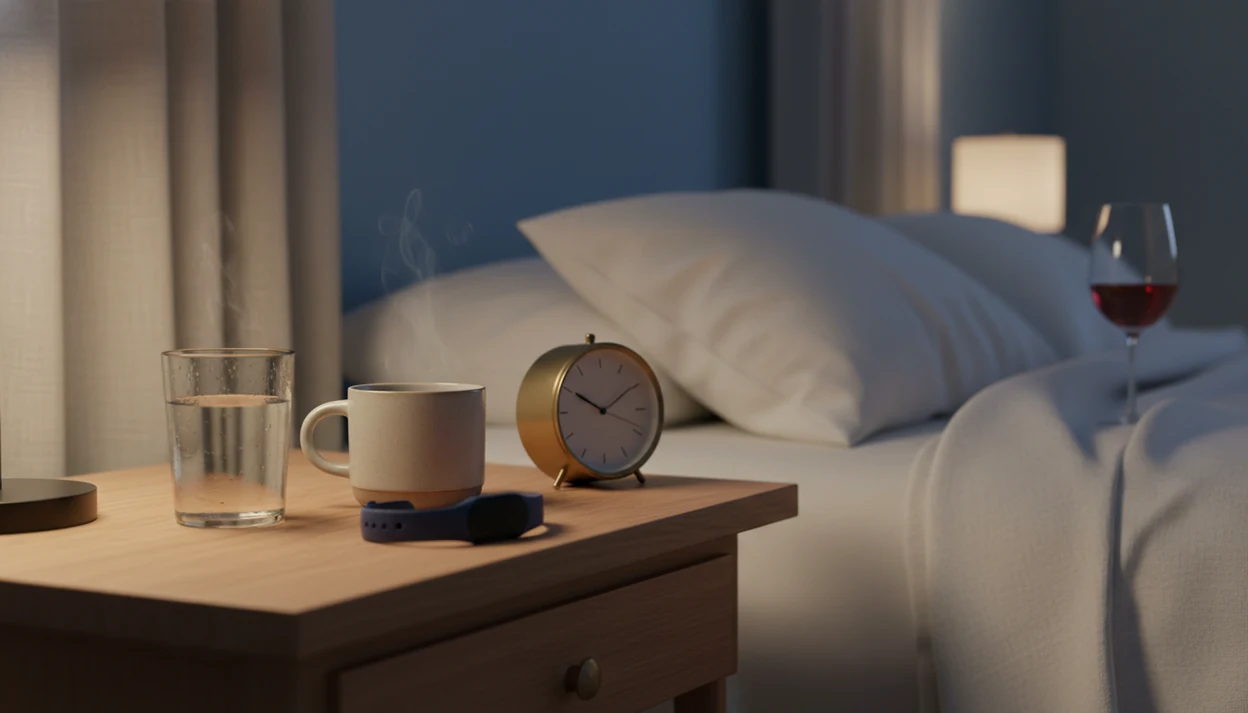
To drink less to sleep better, reduce evening alcohol first: alcohol may make you feel sleepy, but it often fragments sleep later and triggers early-morning awakenings. A simple 7-night experiment, tracking drinks, timing, awakenings, and sleep quality, can show whether fewer drinks or no drinks before bed improves your nights.
> MeQuit is a quit smoking app that helps adults stop smoking, stop vaping, drink less, and track cravings, streaks, and milestones.
TL;DR
- Alcohol can shorten the time it takes to fall asleep, but it commonly worsens sleep quality, deep sleep, REM sleep, and second-half-of-night awakenings.
- A practical target is no drinks before bed, especially avoiding alcohol in the last 3 hours before sleep, then comparing sleep tracker trends across drinking and no-alcohol nights.
- If you drink heavily, have withdrawal symptoms, or cannot cut back safely, get medical guidance before changing alcohol use.
Alcohol and Sleep: The 5 Facts That Matter Most
Quick answer: For many people, drinking less—especially in the evening—can improve sleep continuity and next-day energy. The most practical test is to track how much you drink, when you stop, how often you wake, and how rested you feel for at least a week.
Key takeaways
- Even small reductions may help if your main issue is restless or broken sleep.
- Track both alcohol quantity and stop time; timing often matters as much as total drinks.
- Use the same sleep notes each morning so patterns are easier to compare.
- If cravings peak at night, plan a replacement routine before the craving starts.
- Sleep may temporarily feel worse after cutting back, especially if you drank heavily.
- Talk with a clinician before major reduction if you may be alcohol-dependent or use sedatives.
- Alcohol can feel helpful at first. It may shorten the time it takes to fall asleep, but it often worsens sleep quality later in the night.
- The sleep-tracker signal is real. In a study of more than 4,000 adults using home sleep trackers, moderate alcohol use was linked with a 24% decrease in sleep quality, and heavy use with a 39% decrease, compared with no-alcohol nights ahajournals.
- Deep sleep means body repair. Alcohol can reduce the deeper, steadier sleep that helps you feel physically restored.
- REM sleep supports mood and memory. Alcohol can suppress REM sleep, then contribute to choppy sleep as the night goes on.
- Moderate drinking can still matter. You do not need a party cooler packed with cans to see a sleep effect.
Treat this as a sleep experiment, not a character review. The question is simple: do your nights improve when alcohol moves earlier, gets smaller, or disappears?
How Alcohol and Sleep Disruption Works Overnight
Alcohol is a sedative early in the night and a sleep disruptor later in the night. That means it can make your eyelids heavy, then make your sleep lighter once your body starts metabolizing it.
The technical pattern is sleep architecture disruption. In plain language, alcohol changes the normal mix of deep sleep, REM sleep, and brief awakenings. Controlled laboratory research reviewed in 2018 found that an evening dose of alcohol can shorten sleep onset, suppress REM sleep, reduce slow-wave deep sleep, and lead to more awakenings later in the night the NIH.
That is why someone can spend eight hours in bed and still wake up dull, sweaty, or oddly unrested. The hours were there. The quality was not.
Clinicians typically recommend looking at both alcohol timing and total intake when sleep stays broken, especially if the pattern shows up after evening drinks.
Why You Wake Up at 3am After Drinking
Waking up at 3am after drinking is common because alcohol wears off during the second half of the night. As blood alcohol levels fall, sleep can become lighter, more restless, and easier to interrupt.
Several things may pile on at once. Rebound alertness can make your mind snap awake. Bathroom trips are more likely because alcohol affects fluid balance. Dehydration can leave your mouth dry. Some people also notice a shaky, hungry, or wired feeling that may relate to overnight blood sugar changes.
Not every 3am wake-up is caused by alcohol. Stress, sleep apnea, pain, medication, and a child calling from the hallway can all do it too. But if the pattern appears after wine, beer, or cocktails, test the timing before blaming yourself.
For many adults, an earlier cutoff is more useful than switching from red wine to vodka or from beer to hard seltzer.
How to Use a Sleep Tracker Alcohol Experiment
A sleep tracker alcohol experiment works best when you compare real nights, not guesses. Wearables and apps can show trends in awakenings, sleep duration, and estimated sleep stages, but they are not medical devices.
- Set a 7-night baseline for drinks, drink timing, awakenings, bedtime, wake time, and your own 1-to-5 sleep quality score.
- Log each drink and the time of your last drink, even if it was just one glass with dinner.
- Choose a no-drinks-before-bed cutoff, ideally at least 3 hours before sleep, and keep it consistent for several nights.
- Compare drinking nights with no-alcohol or earlier-cutoff nights, looking for patterns in 3am awakenings and next-day energy.
- Reset the plan based on sleep quality, energy, and cravings, not on one rough night.
The most useful alcohol-and-sleep test is a repeated comparison of drinking nights against earlier-cutoff or alcohol-free nights because single nights are noisy.
A quiet chart before sleep can be more honest than memory.
No Drinks Before Bed: Timing Rules That Improve Sleep
Avoiding alcohol for at least 3 hours before bedtime is a practical starting rule. Earlier is usually better because your body has more time to process alcohol before your main sleep window.
| Timing choice | What it looks like | Sleep tradeoff |
|---|---|---|
| Nightcap | Drink within the last hour before bed | Easier sleep onset for some, but more fragmented sleep later |
| Dinner cutoff | Last drink with food, then switch to water or tea | Often easier to test and repeat |
| Alternating drinks | One alcoholic drink, then one non-alcoholic drink | May reduce total intake, but timing still matters |
| Alcohol-free night | No alcohol that evening | Clearest comparison for sleep quality |
The U.S. Dietary Guidelines define moderate drinking as up to 1 drink per day for women and up to 2 for men, and they emphasize that drinking less is better for health dietaryguidelines. For sleep, there is no guaranteed sleep-safe drink.
If sleep is the goal, less alcohol is generally better than a “better” alcohol.
Drink Less to Sleep Better With Evening Craving Swaps
The evening drink often works as a cue-routine-reward loop, not a character flaw. The cue might be closing the laptop, the routine is pouring a drink, and the reward is transition, taste, or relief.
- Replacement drink: Put sparkling water in a rocks glass with citrus, ice, or bitters-style flavoring without alcohol.
- Wind-down walk: Take 10 minutes outside after dinner to mark the end of the workday.
- Shower reset: Use a hot shower as the “now I’m off duty” signal.
- Snack-and-tea ritual: Pair protein or a small snack with herbal tea to avoid confusing hunger with craving.
- App check-in: Open a craving tracker for three minutes, name the trigger, and choose the next small action.
Me Quit can support private progress tracking for drinks, cravings, streaks, and health milestones. As a mequit addiction recovery hub for quit smoking, stop vaping, quit drinking, and mindful alcohol reduction, its useful sleep-related role is simple logging, reset options, and private progress notes — not diagnosis, detox, or medical advice.
For evening drinkers, substitutions usually work best when they preserve the reward, because the brain is asking for a familiar transition, not just liquid.
For broader goals beyond sleep, the drink less for health app guide covers ways to connect alcohol reduction with energy, mood, and health milestones.
Early Abstinence Sleep Problems After Cutting Back Alcohol
Some people sleep worse for a while after they reduce or stop alcohol. That can feel unfair, especially when you expected no drinks before bed to improve sleep immediately.
The pattern is more common in heavier drinkers. According to a 2018 review, 36 to 91% of people with alcohol abuse or dependence report insomnia symptoms, and sleep disturbance can persist for weeks to years in some people after abstinence the NIH. That does not mean better sleep is impossible. It means the nervous system may need time, support, and safer routines.
This matters because poor sleep can trigger “what’s the point?” thinking. A Friday 6 p.m. drink can also make a cigarette feel automatic, which is why alcohol and nicotine plans often need to be connected.
If cutting back brings shaking, sweating, anxiety spikes, confusion, seizures, or unsafe urges, get medical help before changing your alcohol use further. For mood-linked drinking patterns, our guide to drink less for anxiety and mood may also help you map triggers.
When to Get Medical Help Before Cutting Back Alcohol
Get medical help before cutting back alcohol if you drink heavily every day, have had withdrawal before, or feel unwell when you miss a drink. Do not stop abruptly without guidance if your body may be dependent on alcohol.
Withdrawal can be dangerous, not just uncomfortable. Red flags include shaking, sweating, severe anxiety, confusion, hallucinations, seizures, or feeling unsafe in your own body. Extra caution also matters during pregnancy, with liver disease, when alcohol mixes with medications, or after any past episode of withdrawal symptoms.
- Call urgent care or emergency services now if you have confusion, hallucinations, seizures, chest pain, or severe shaking.
- Contact your primary care clinician if you drink daily and want to reduce safely.
- Ask about addiction medicine support if cravings, withdrawal, or repeated restarts keep showing up.
- Tell the clinician about your usual drinks, timing, medications, pregnancy status, liver problems, and prior withdrawal.
- Use tracking as a support tool, not a detox plan.
This article can help you notice patterns in sleep, alcohol timing, and cravings. It is education and tracking support, not a substitute for supervised withdrawal care.
Limitations
Drinking less often helps sleep quality, but it is not a cure-all for insomnia. Alcohol is one lever among many, and some sleep problems need medical assessment.
- Sleep apnea can cause repeated awakenings and morning exhaustion; reducing alcohol may help, but it does not diagnose or treat apnea.
- Sleep trackers estimate sleep stages. Use them as trend tools, not diagnostic devices.
- People with alcohol use disorder, heavy daily use, withdrawal symptoms, pregnancy, liver disease, or medication interactions should seek medical guidance.
Reset, not restart from zero.
If alcohol reduction is part of a wider health change, including weight, blood pressure, or a recent scare, it may help to connect sleep notes with goals like drink less for heart health or drink less after health scare.
FAQ
Does alcohol help you sleep?
Alcohol can make some people fall asleep faster, but it usually worsens sleep quality later in the night. It can reduce deep sleep, suppress REM sleep, and increase awakenings.
Why does alcohol wake me up at 3am?
Alcohol often wears off during the second half of the night, which can cause lighter sleep and rebound alertness. Bathroom trips, dehydration, and blood sugar changes may also contribute.
When should I stop drinking alcohol before bed?
A practical cutoff is at least 3 hours before bedtime. Earlier is often better, and no alcohol is the safest choice for sleep quality.
Is one beer before bed bad for sleep?
One beer can affect sleep in sensitive sleepers, especially if it is close to bedtime. Compare it with alcohol-free nights before deciding it is harmless for you.
Can sleep trackers show how alcohol affects my sleep?
Sleep trackers can show useful trends in awakenings, sleep duration, and estimated sleep quality. They cannot precisely diagnose sleep stages or prove alcohol is the only cause.
What is the best alcohol to drink before sleep?
No alcohol is best for sleep because all alcohol can disrupt sleep architecture. Reducing amount and moving the last drink earlier is more useful than switching drink types.
Will quitting alcohol cause insomnia?
Sleep can temporarily worsen during early reduction or abstinence, especially after heavier drinking. Heavy daily drinkers or anyone with withdrawal symptoms should seek medical guidance.
How many alcohol-free nights do I need to notice better sleep?
Test several nights, ideally a 7-night experiment, and compare awakenings, sleep quality, and morning energy. One night is often too noisy to judge a pattern.