
Why Alcohol Can Cause Fatigue and Blood Sugar Cravings
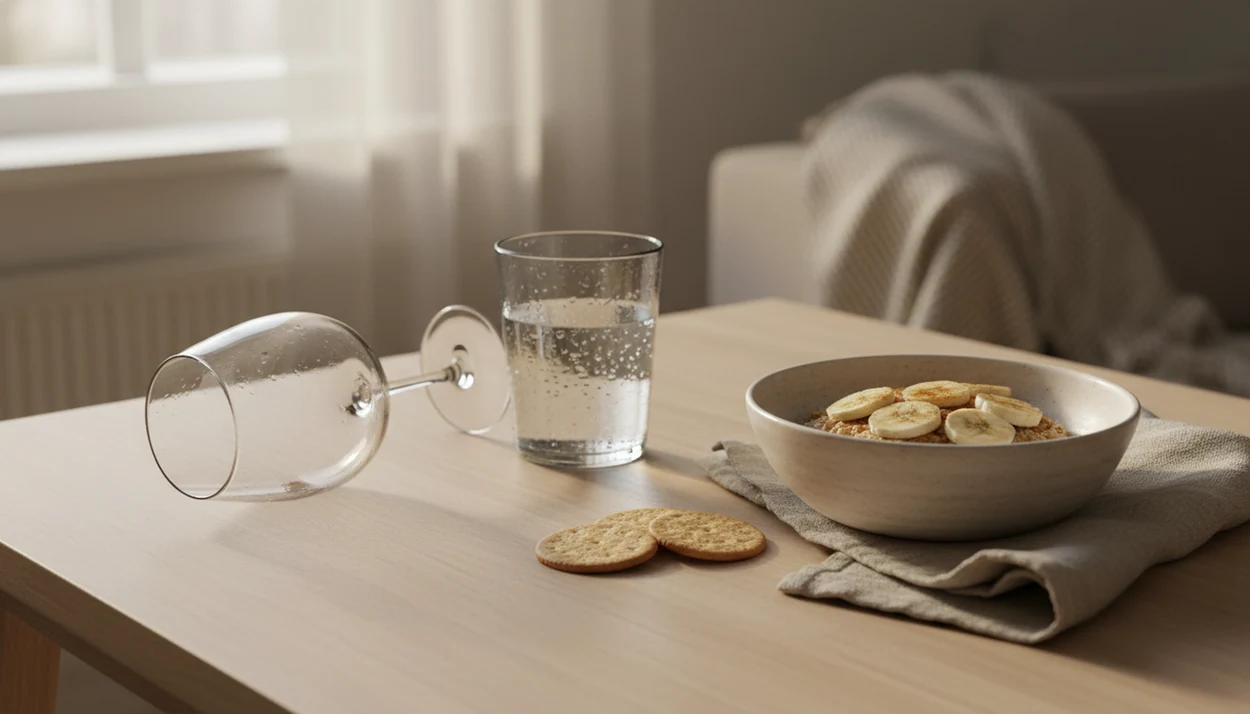
The pattern called alcohol blood sugar fatigue happens because drinking can slow the liver’s glucose release, disrupt sleep, dehydrate you, and increase next-day cravings for fast energy. It can feel like a hangover mixed with low blood sugar: tired, shaky, foggy, irritable, and hungry for sugar or carbs.
Alcohol-related blood sugar fatigue is the next-day tiredness, shakiness, brain fog, and sugar craving pattern that can follow drinking when alcohol disrupts glucose regulation, sleep quality, hydration, and appetite signals.
- Alcohol can reduce the liver’s ability to release stored glucose, which may contribute to low blood sugar symptoms, especially after fasting or in people with diabetes.
- Next-day alcohol fatigue is usually not caused by blood sugar alone; poor sleep, dehydration, hormone changes, and skipped meals often stack together.
- Balanced meals, hydration, rest, and reducing alcohol intake are more reliable than chasing cravings with large amounts of sugar.
Alcohol blood sugar fatigue at a glance
Quick answer: Alcohol can leave you tired and shaky because your liver prioritizes processing alcohol over steady glucose release, while sleep disruption and dehydration add to the drained feeling. For many people, the next-day result is fatigue, brain fog, irritability, and strong cravings for sugar or fast carbs.
Key takeaways
- Eating before or while drinking may reduce blood sugar swings for some people.
- Poor sleep after drinking can feel like low energy even if you were in bed for hours.
- Sugary mixers may create a short energy lift followed by a bigger crash.
- Hydration helps, but it does not undo alcohol’s effects on sleep or glucose control.
- People using insulin or diabetes medications should be extra cautious with alcohol.
- Repeated next-day cravings are useful data, not a personal failure.
Alcohol blood sugar fatigue means feeling tired, shaky, foggy, irritable, and pulled toward sugar or carbs after drinking. It is usually a stacked effect, not one single cause.
Alcohol can affect liver glucose release, sleep quality, hydration, hormones, and food choices in the same night. That is why someone can sleep until 10 a.m. and still feel wrecked. The hours were there; the sleep repair was not.
The sour stomach before a social event matters too. If you drink after a long gap without food, your liver has less backup while it is processing alcohol. People with diabetes, people who drink without eating, and people who binge drink have higher risk for alcohol low blood sugar symptoms. For a wider body-effects view, the same pattern fits into what alcohol does to your body.
Medical scope and safety note
This article is educational and cannot tell you whether your symptoms are personally caused by low blood sugar, alcohol, medication, or another condition. Shaky, sweaty, foggy, or weak feelings can suggest a glucose issue, but symptoms alone cannot confirm it without a blood glucose check or appropriate medical testing.
Use this page as a pattern-spotting guide, not a diagnosis or treatment plan. If you take insulin, sulfonylureas, GLP-1 medicines, blood pressure medicines, or any medication that changes appetite, hydration, or glucose, ask a clinician how alcohol fits into your care. The same is true if you have diabetes, are pregnant, have liver disease, have a history of fainting or seizures, or notice repeated severe reactions after drinking.
- Check glucose if you have a meter, CGM, diabetes diagnosis, or a clinician-directed plan.
- Follow your prescribed low-blood-sugar instructions if you have one.
- Contact a clinician for medication, diabetes, pregnancy, or liver-disease questions.
- Seek urgent care for confusion, fainting, seizures, persistent vomiting, very low readings, severe weakness, or symptoms that are rapidly worsening.
How alcohol blood sugar crashes work in the liver
The liver normally helps keep blood sugar steady by releasing stored glucose between meals and overnight. Alcohol metabolism can temporarily push that job down the priority list.
Here is the plain version. When alcohol arrives, the liver focuses on breaking it down. During that window, glucose production and release can slow. In one study of people without diabetes who received ethanol after fasting, alcohol suppressed liver glucose production by about 45% the NIH.
That does not mean every person becomes hypoglycemic after drinking. The risk depends on food, drink amount, timing, medications, and baseline health. Symptoms may show up hours later because the liver’s glucose work matters most overnight, when you are not eating. The first clue may be the morning pocket-check feeling, only this time you’re searching for crackers, juice, or anything sweet.
Five alcohol low blood sugar facts people miss
- Alcohol can impair glucose release from the liver, especially when drinking without food or after a long fasting window.
- Alcohol low blood sugar symptoms can include fatigue, shakiness, weakness, headache, confusion, sweating, hunger, and irritability.
- Low blood sugar symptoms overlap with hangover symptoms, so “just a hangover” may miss the glucose piece.
- For people with diabetes, low blood sugar risk can last for hours after the last drink and may require monitoring up to 24 hours, according to MedlinePlus medlineplus.
- The CDC classifies 55–69 mg/dL as low blood sugar for people with diabetes CDC, and people using insulin or diabetes medications should follow their clinician’s glucose plan.
The overlap is the trap. A headache, sweat, and shaky legs can be dehydration, low glucose, poor sleep, or all three. Clinicians typically recommend that people with diabetes plan alcohol use around meals, glucose monitoring, and medication instructions.
Why alcohol makes you tired after a full night of sleep
Why alcohol makes you tired: it may help you fall asleep faster, but it often breaks up sleep later in the night. More awakenings, sweating, bathroom trips, and reduced REM sleep can leave the brain under-recovered.
Sleep can look long on the clock and still feel thin. Maybe you slept eight hours after a party, but woke up with heavy limbs and no patience for the day. That is not imagined. Alcohol can reduce restorative sleep phases and alter hormones tied to recovery and energy.
In a controlled trial, alcohol reduced nocturnal growth hormone secretion by approximately 70%. Growth hormone is one part of overnight repair and metabolic regulation. When sleep and hormones are disrupted, morning fatigue can drive low motivation and stronger cravings. For many people, the first decision point is breakfast, not the next drink.
Alcohol dehydration fatigue and next-day brain fog
Alcohol dehydration fatigue happens because alcohol can increase urination and fluid loss, especially over several drinks. Dehydration can bring headache, dry mouth, dizziness, low energy, and poor concentration.
Dry mouth is data.
Dehydration can mimic low-blood-sugar feelings without being the same mechanism. You may feel weak, foggy, and unsteady, even if your glucose is not the main problem. Add poor sleep and skipped food, and the next morning gets messy fast.
The NIAAA defines binge drinking as a pattern that brings blood alcohol concentration to 0.08 g/dL, typically 4 drinks for women or 5 for men in about 2 hours NIAAA alcohol data. Water, electrolytes, and food can help the body catch up, but they are not an instant hangover cure. If alcohol also affects your heart or pressure symptoms, alcohol blood pressure heart disease is worth understanding.
Alcohol sugar cravings next day and the quick-energy loop
Alcohol sugar cravings next day usually come from low energy, poor sleep, appetite disruption, dehydration, and possible glucose swings. The body asks for fast fuel because fast fuel feels like the shortest path out.
The quick-energy loop is simple: tiredness leads to sugar, sugar gives short relief, then sluggishness or more cravings may return. No shame in that. A pastry at 9 a.m. can feel like problem-solving when your chest is tight and your brain keeps saying, “I need something.”
Sugary cocktails do not reliably prevent delayed low blood sugar. They may raise glucose for a while, but alcohol can still suppress glucose output later. For steadier energy, try complex carbohydrates, protein, healthy fats, fluids, and rest. For a deeper craving-focused angle, read about alcohol blood sugar cravings.
Alcohol, blood sugar, and fatigue symptoms table
Alcohol-related symptoms can overlap, so this table is not a diagnosis. It is a trigger map for deciding what might be going on and what safer next steps may help.
| symptom pattern | possible alcohol-related driver | what may help |
|---|---|---|
| Shakiness and sweating | Possible low blood sugar, anxiety, poor sleep | Eat balanced food; people using insulin or diabetes medications should treat lows according to their care plan |
| Heavy tiredness | Fragmented sleep, hormone disruption, glucose swings | Rest, fluids, breakfast, lighter plans |
| Headache and dry mouth | Dehydration, poor sleep | Water, electrolytes if appropriate, food |
| Sugar cravings | Quick-energy loop, appetite disruption | Protein, complex carbs, planned snack |
| Nausea | Stomach irritation, dehydration, hangover effects | Small sips, bland food, rest |
| Confusion or severe weakness | Possible severe hypoglycemia or other urgent issue | Seek urgent care |
Severe confusion, fainting, seizures, persistent vomiting, or dangerously low glucose readings need urgent medical help. Do not wait it out alone.
When to seek medical help
Seek medical help right away if alcohol-related fatigue comes with confusion, fainting, seizures, persistent vomiting, severe weakness, or very low glucose readings. Do not assume it is “just a hangover,” because alcohol can blur the signs of hypoglycemia, dehydration, injury, infection, medication reactions, or another medical problem.
If you have diabetes, follow the hypoglycemia plan your clinician gave you, including when to check glucose, how to treat a low, and when to call for emergency care. Alcohol can make lows harder to notice, especially overnight or the next morning.
- Call emergency services if someone is confused, unconscious, seizing, unable to keep fluids down, or getting worse.
- Use your prescribed glucose plan if you have diabetes or use insulin, sulfonylureas, or other glucose-lowering medications.
- Ask for medical advice sooner if you are pregnant, have liver disease, or have repeated vomiting, fainting, or severe shaking after drinking.
- Stay with the person when symptoms are severe; do not let them sleep it off alone if they are hard to wake or acting unusually.
How to reduce alcohol blood sugar fatigue over time
Reducing alcohol intake is the most direct long-term lever for reducing alcohol blood sugar fatigue. The next most useful step is making the next morning less chaotic before the first drink happens.
- Eat before drinking, especially if you have gone several hours without food.
- Avoid long fasting windows after alcohol, including skipping dinner and sleeping late.
- Alternate alcoholic drinks with water when you choose to drink.
- Plan a balanced breakfast with complex carbs, protein, fat, and fluids.
- Log drinks, bedtime, food, hydration, cravings, fatigue, and mood.
- Reset the plan after a slip instead of thinking, “I already messed up, so why not keep going?”
MeQuit can help adults track alcohol reduction, cravings, streaks, and reset patterns. It is a private tracking tool, not detox supervision, glucose monitoring, or emergency medical care.
For people cutting back, tracking patterns is often easier than relying on memory because cravings feel different after poor sleep. The lime wedge sinking in club soda can become a tiny win, especially when drinking less also protects quit smoking or vaping goals. Tiredness lowers self-control, and a cigarette urge after the first beer can arrive fast. If you want app-based structure, this best drink less app guide compares that use case.
Limitations
Alcohol fatigue syndrome is not a formal medical diagnosis. It is a practical name for a real-feeling pattern, but it does not prove that blood sugar caused your symptoms.
- Fatigue after drinking may come from sleep disruption, dehydration, illness, medications, stress, anxiety, or another condition.
- People with diabetes, pregnancy, liver disease, recurrent fainting, severe symptoms, or medication concerns should consult a clinician.
- Persistent vomiting, confusion, fainting, seizures, or very low glucose readings need urgent care.
A phone log can show patterns, but it cannot diagnose them. If drinking affects blood cells, bruising, or immune symptoms, alcohol blood disorders spleen covers a different safety lane.
FAQ
Can alcohol cause low blood sugar?
Yes. Alcohol can contribute to low blood sugar by interfering with the liver’s glucose release, especially after fasting or in people with diabetes.
Why am I shaky after drinking?
Shakiness after drinking can come from low blood sugar, dehydration, poor sleep, anxiety, caffeine, or ordinary hangover effects. Severe weakness, confusion, fainting, or seizures need urgent care.
Does alcohol affect blood sugar next day?
Yes. Alcohol’s effects can last for hours and may continue overnight or into the next morning, especially for people with diabetes or those using glucose-lowering medication.
Why do I crave sugar after alcohol?
Sugar cravings after alcohol often reflect low energy, poor sleep, appetite changes, dehydration, and possible glucose swings. The body may be looking for fast energy.
How long does alcohol affect glucose?
Alcohol can affect glucose for several hours, and risk may extend into the next day for some people. Diabetes, medication, food intake, and drink amount change that window.
Can sugary cocktails prevent hypoglycemia?
No, not reliably. Sugary drinks may raise glucose temporarily, but alcohol can still cause delayed drops by reducing liver glucose output.
What helps fatigue after drinking?
Rest, water, electrolytes if appropriate, balanced meals, gentle movement, and reducing future alcohol intake can help. MeQuit may help some adults track drink limits, cravings, and streak repair.
When is low blood sugar urgent?
Low blood sugar is urgent when there is confusion, fainting, seizures, persistent vomiting, severe weakness, or very low glucose readings. People with diabetes should follow their care plan and seek emergency help when symptoms are severe.