
Can Alcohol Increase Brain Aneurysm Risk?
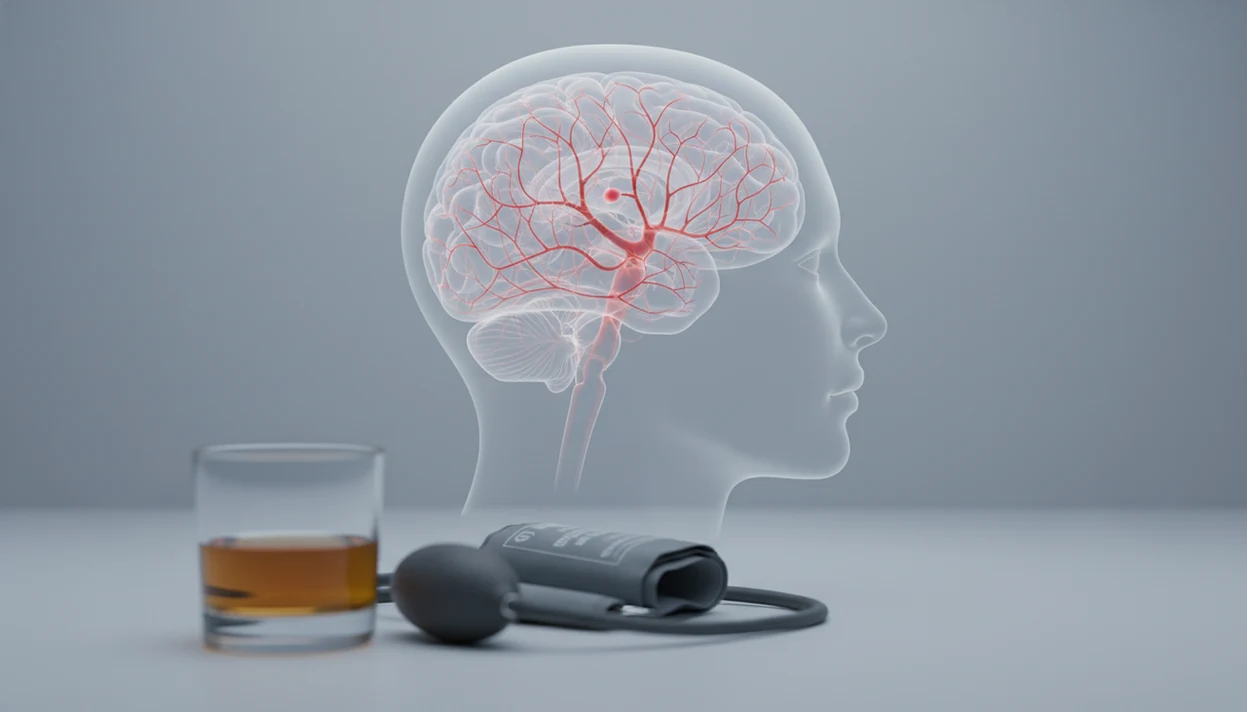
Yes, alcohol and brain aneurysm risk are linked most strongly through high blood pressure, blood vessel strain, and higher rupture odds in people who already have an aneurysm. Heavy or current drinking appears riskier than former drinking, and cutting back is one practical way to reduce a modifiable risk factor.
Definition: A brain aneurysm is a bulge in a brain artery caused by a weakened vessel wall that can leak or rupture and cause a dangerous bleeding stroke called subarachnoid hemorrhage.
TL;DR
- Alcohol does not guarantee an aneurysm, but heavy or current drinking is associated with higher rupture risk, especially with hypertension or smoking.
- Research found current alcohol use was linked with 36% higher odds of aneurysm rupture, and each extra drink per day raised rupture odds by 13% among current drinkers.
- People with a known unruptured aneurysm should ask their clinician about alcohol limits and focus on modifiable risks such as blood pressure control, smoking cessation, and drinking less.
Alcohol and Brain Aneurysm Risk at a Glance
Quick answer: Alcohol may increase brain aneurysm risk mainly by raising blood pressure and adding stress to blood vessel walls. For people with a known aneurysm, heavy or ongoing drinking may be a modifiable factor to discuss with a clinician, especially if blood pressure is high.
Key takeaways
- Heavy drinking often raises short-term and long-term blood pressure.
- High blood pressure can increase strain on weakened brain blood vessels.
- People with a known aneurysm should ask their clinician about alcohol limits.
- Cutting back gradually may be safer than stopping suddenly for heavy drinkers.
- Sudden severe headache, weakness, confusion, or fainting needs emergency care.
- Tracking drinks, cravings, and triggers can make reduction plans more concrete.
Alcohol is a risk factor for aneurysm rupture, not a guaranteed direct cause of every aneurysm. The alcohol and brain aneurysm link is strongest when drinking is current or heavy, especially when blood pressure is high or smoking is also in the picture.
In a 2017 study of people with intracranial aneurysms, current alcohol use was linked with higher rupture odds than never drinking. Former drinking did not show the same significant association, which matters. It suggests the current pattern may be more important than a past history alone. Source: a 2017 case-control study in Stroke reported higher rupture odds among current drinkers and a dose-response pattern among current drinkers (the NIH alcohol data).
The brunch menu with bottomless mimosas can feel harmless in the moment. For someone with hypertension or a known aneurysm, though, repeated “just today” decisions may add vascular strain over time.
For people with aneurysm risk factors, reducing alcohol is often more useful than trying to find a harmless drink because blood pressure response varies by person.
Medical Scope and Safety Disclaimer
This article is educational and cannot tell you what is safe for your specific brain, blood pressure, aneurysm, or drinking history. Use it as a risk-reduction guide, not as personal medical advice or a reason to change a treatment plan on your own.
If you have a diagnosed aneurysm, your neurology or neurosurgery team should set the rules for alcohol, activity, blood pressure targets, imaging follow-up, and medication. Heavy daily drinking is also a medical issue: stopping suddenly can trigger withdrawal symptoms, including seizures or dangerous blood pressure changes, so get clinician guidance before making an abrupt stop.
A practical safety order looks like this:
- Follow the alcohol instructions from your neurosurgeon, neurologist, or primary clinician.
- Tell your clinician honestly how much you drink, including binges and morning drinking.
- Ask for a supervised reduction or detox plan if you drink heavily or have had withdrawal symptoms before.
- Treat a thunderclap headache, sudden weakness, confusion, seizure, fainting, vision change, stiff neck, or trouble speaking as an emergency.
- Call emergency services instead of waiting, sleeping it off, or assuming symptoms are just a hangover.
Five Facts About Drinking and Brain Aneurysm Risk
- Heavy alcohol use is linked to both aneurysm development and rupture risk, especially when it sits beside high blood pressure or smoking.
- Current drinking has been associated with 36% higher odds of aneurysm rupture compared with never drinking in a large aneurysm study.
- Among current drinkers with aneurysms, each additional drink per day was associated with a 13% increase in rupture odds.
- Alcohol-related high blood pressure can increase stress on artery walls, including walls already weakened by an aneurysm.
- Smoking and hypertension can compound the danger because both add vascular injury, pressure, and inflammation.
The pocket check is real.
A person may reach for a lighter after the first beer before they have made a conscious choice. That linked cue matters because drinking and smoking often travel together, and both are modifiable vascular risks. For a wider look at vessel effects, the alcohol blood vessels guide explains the same pressure-and-injury pattern outside the aneurysm setting.
How Alcohol Affects Brain Blood Vessels
Alcohol can raise blood pressure in the short term and contribute to hypertension when heavy drinking becomes a pattern. In plain terms, higher pressure means more force pressing against vessel walls with each heartbeat.
Here is how alcohol and brain blood vessels work: repeated pressure surges, vascular inflammation, and small vessel damage can make weakened arteries more vulnerable to bleeding. An aneurysm wall is already structurally weak, so extra pressure may matter more there than in a healthy vessel.
Aneurysm formation and rupture are usually multifactorial. Genetics, age, artery shape, smoking, hypertension, and other medical history all affect risk. Alcohol is one piece of the trigger map, not the whole map.
That half-poured wine glass on the counter can become a decision point. Dump it, measure the next pour, or switch to water. Small friction helps when the routine is automatic. The broader brain effects are covered in how alcohol affects the brain.
Does Alcohol Cause Aneurysms Directly?
Does alcohol cause aneurysms? Current evidence shows an association between alcohol use and aneurysm risk, but it does not prove that alcohol alone causes aneurysms in a simple one-drink, one-aneurysm way.
Alcohol may contribute through high blood pressure, vessel wall stress, inflammation, and damage to the vascular system. Those pathways can make an artery more likely to weaken or an existing aneurysm more likely to rupture.
Still, the real risk picture is layered. Family history, age, hypertension, smoking, aneurysm size, aneurysm location, and other vascular conditions all matter. Clinicians typically recommend focusing on modifiable risks, especially blood pressure control, smoking cessation, and avoiding heavy alcohol use.
If your mind goes to “I already messed up, so why not keep going?” after a heavy night, treat that as data. Reset the plan.
Alcohol High Blood Pressure Aneurysm Pathway
Alcohol can elevate blood pressure and increase vessel wall stress, which is the main practical pathway connecting drinking and brain aneurysm risk. Long-term heavy drinking is more concerning than one isolated drink because repeated exposure can keep pressure and inflammation higher over time.
For the blood-pressure mechanism, the CDC notes that drinking too much alcohol can raise blood pressure and that reducing alcohol intake can support blood pressure control: https://www.cdc.gov/high-blood-pressure/about/index.html.
A single drinking episode may still cause a temporary pressure spike, especially with binge drinking, poor sleep, dehydration, or stimulant use. For an existing aneurysm, that spike may be more relevant because the vessel wall is already weakened.
Blood pressure management is one of the clearest prevention targets. That may mean home readings, prescribed medication, less alcohol, less nicotine, and fewer linked triggers.
Put the cuff where you will actually see it. Not in a drawer.
The most common medically supported way to reduce vascular strain is blood pressure control combined with changes to smoking and heavy drinking patterns.
Alcohol Blood Vessel Rupture Evidence in Aneurysm Studies
Studies do not all measure alcohol the same way, but the pattern is consistent enough to take seriously. Current drinking, heavier daily intake, and alcohol abuse show up as risk signals in aneurysm rupture and brain bleed research.
| Evidence finding | What it means in plain language |
|---|---|
| Current alcohol use: 36% higher rupture odds | People currently drinking had higher aneurysm rupture odds than never drinkers in a large 2017 study. |
| Dose response: 13% higher odds per extra daily drink | Among current drinkers with aneurysms, more drinks per day were linked with higher rupture odds. |
| Three or more drinks daily: larger, earlier brain bleeds | A 2023 report found heavier drinkers had brain bleeds about 70% larger and at a younger average age. |
| Alcohol abuse after aneurysmal subarachnoid hemorrhage | A 2022 study linked alcohol abuse with about 2.5-fold higher odds of vasospasm and delayed cerebral ischemia. |
Sources: aneurysm rupture alcohol-use findings are from the 2017 Stroke study above; alcohol and hemorrhage severity findings should be checked against the 2023 primary report before publication; vasospasm/delayed cerebral ischemia findings should cite the 2022 primary study or PubMed record.
A craving timer glowing in bed will not treat an aneurysm. It can, however, help someone ride out the “I need something” feeling before pouring another drink. For body-wide context, what alcohol does to your body explains why blood pressure, sleep, and inflammation often move together.
Known Brain Aneurysm and Alcohol Reduction Steps
If you have a known brain aneurysm, follow your neurosurgeon’s or clinician’s specific alcohol advice. Generic online limits are not enough when aneurysm size, location, blood pressure, family history, and smoking status change the risk.
Ask your clinician for a personal alcohol limit
Ask directly whether you should avoid alcohol, limit it, or stop completely. Bring real numbers, not guesses: drinks per week, binge episodes, blood pressure readings, and nicotine use.
Track drinks, blood pressure, and smoking triggers
Use a simple reduction plan:
- Write down your clinician’s alcohol limit and blood pressure target.
- Log each drink before you pour it, not the next morning.
- Track smoking, vaping, or nicotine urges that appear after drinking.
- Take prescribed blood pressure medicine exactly as directed.
- Review the week and choose one replacement action for the riskiest cue.
Me Quit can help adults privately track drinking reduction, cravings, streaks, and milestones. It is a self-management aid for cue tracking and habit repair, not a diagnostic tool, detox program, or substitute for emergency care. For app-style limit setting, the best drink less app guide is a useful next step.
Emergency Brain Aneurysm Symptoms After Drinking
A thunderclap headache is an emergency symptom, especially if it is sudden, severe, and unlike any headache you have had before. Do not wait to see whether it is from alcohol, a hangover, migraine, dehydration, or stress.
Call emergency services right away for possible rupture symptoms such as stiff neck, vomiting, seizure, fainting, confusion, weakness, vision changes, or trouble speaking. These symptoms need urgent medical evaluation.
The scary part is the speed. A person can be laughing at a table, then suddenly holding their head and unable to answer clearly. That is not a “sleep it off” situation.
If symptoms suggest a brain bleed, emergency care matters more than figuring out which trigger caused it.
Limitations
The evidence on alcohol and aneurysms is important, but it has limits.
- Most studies are observational, so they cannot prove alcohol alone causes aneurysm formation or rupture.
- Risk varies by aneurysm size, location, family history, smoking, hypertension, age, and medical history.
- Alcohol withdrawal can be medically risky for some heavy drinkers, so sudden stopping may require clinician guidance.
A calendar dry day marked green can feel like a tiny win. But it is still not a substitute for a neurosurgery visit, blood pressure care, or urgent evaluation of new symptoms. More self-guided reading lives in the alcohol reduction guides library.
FAQ
Can alcohol trigger a brain aneurysm rupture?
Alcohol may contribute to rupture risk by raising blood pressure and stressing weakened vessel walls. Many other factors also affect rupture risk, including aneurysm size, location, smoking, hypertension, and medical history.
Does alcohol cause brain aneurysms?
Research shows an association between alcohol use and aneurysm risk, not proof that alcohol alone causes aneurysms. Alcohol may contribute through high blood pressure, vascular injury, and inflammation.
Can one drink rupture an aneurysm?
A single drink cannot be assigned a predictable rupture risk for an individual person. If you have a known aneurysm, follow your clinician’s alcohol guidance.
Is beer bad for brain aneurysms?
Risk relates more to alcohol dose and drinking pattern than to beer specifically. Heavy drinking, binge drinking, and current daily intake are more concerning than beverage type alone.
Is wine safe if I have a brain aneurysm?
Wine still contains alcohol, so it should be discussed with a clinician if you have a known aneurysm or high blood pressure. Do not assume wine is safer because it feels lighter.
Can quitting alcohol lower brain aneurysm risk?
Stopping or reducing alcohol may lower blood pressure-related vascular strain. In one aneurysm study, former drinking was not significantly linked with rupture the way current drinking was.
Does smoking worsen brain aneurysm risk?
Yes, smoking is a major modifiable vascular risk and can compound alcohol and hypertension risks. Quitting smoking is commonly part of aneurysm risk-reduction advice.
What brain aneurysm symptoms need emergency care?
A thunderclap headache, stiff neck, vomiting, seizure, fainting, confusion, weakness, vision changes, or trouble speaking need emergency evaluation. Call emergency services and do not wait for symptoms to pass.