
How Alcohol Can Damage Brain Cells, Brain Volume, and Memory
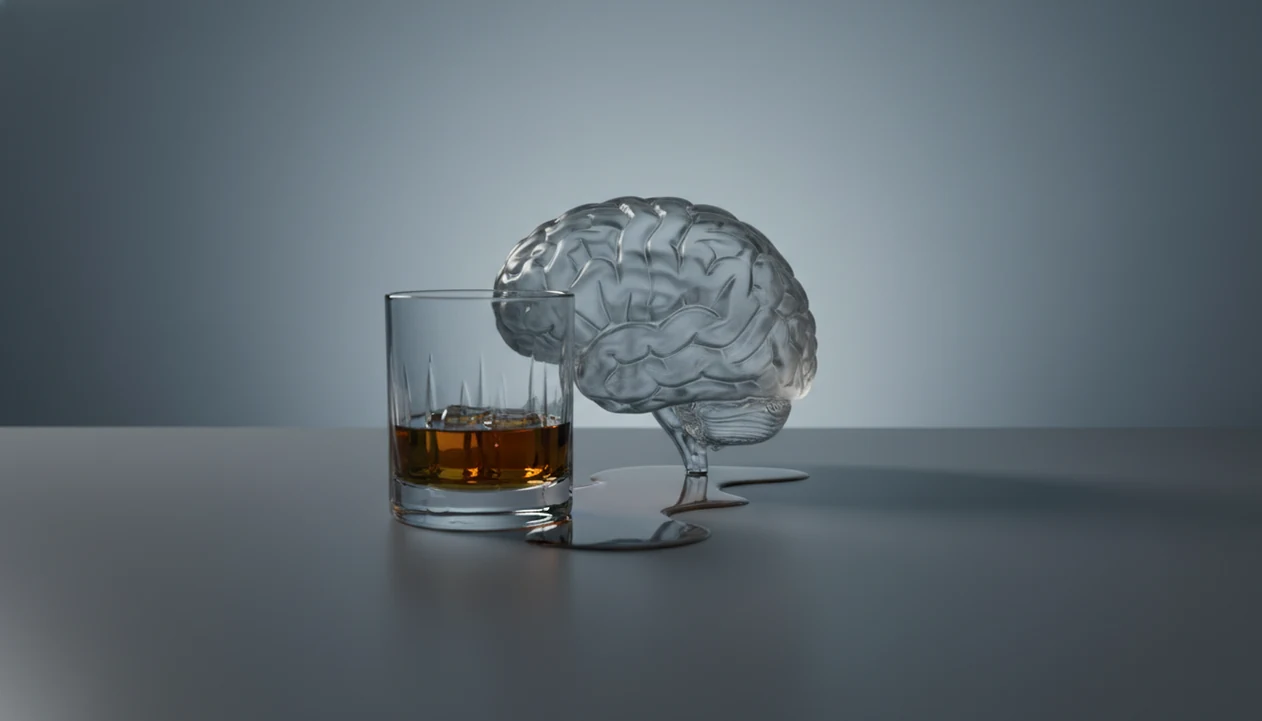
No, occasional light drinking does not usually destroy brain cells in the simple way people imagine, but the answer to does alcohol kill brain cells is more serious with heavy or long-term drinking: alcohol can injure neurons, reduce new brain cell growth, shrink brain volume, and impair memory over time.
> Definition: Alcohol brain cell damage means alcohol-related injury to neurons, brain-cell communication, neurogenesis, and brain structures involved in memory, judgment, balance, and decision-making.
- Alcohol is a neurotoxin that can disrupt how brain cells communicate, especially at higher or repeated doses.
- Long-term heavy drinking is linked with brain shrinkage, hippocampal atrophy, memory problems, and alcohol-related cognitive decline.
- Cutting back or quitting can support partial brain recovery through neuroplasticity, although severe long-term damage may not fully reverse.
Alcohol brain cell damage at a glance
Quick answer: Alcohol does not usually “kill brain cells” after occasional light drinking, but heavy or long-term drinking can damage how brain cells function and communicate. Over time, alcohol may contribute to brain shrinkage, poorer memory, slower decision-making, and reduced brain repair.
Key takeaways
- The biggest brain risks are linked to repeated heavy drinking, binge drinking, and alcohol use disorder.
- Memory blackouts are a warning sign that alcohol is disrupting brain function, even if the person seems awake.
- Cutting back may support better sleep, mood, attention, and decision-making for many people.
- Nutrition matters: heavy drinking can deplete thiamine, a vitamin important for brain health.
- If you drink daily or heavily, ask a clinician before stopping suddenly because withdrawal can be dangerous.
- Tracking drinks, triggers, and cravings can make patterns easier to change.
Alcohol is a neurotoxin, which means it can interfere with brain-cell function and communication. Occasional light drinking is not the same biological exposure as repeated heavy drinking, binge drinking, or years of high weekly intake.
With heavier patterns, alcohol can damage neurons, reduce neurogenesis, and contribute to alcohol brain shrinkage memory problems over time. The functions people often notice first are practical ones: slower thinking, worse coordination, weaker short-term memory, and more impulsive decision-making.
The empty bottle beside the recycling bin is not a brain scan. It is still a useful signal to pause and count the week honestly. Drinking less can support brain recovery, especially when it improves sleep, nutrition, hydration, and day-to-day stability. For a wider body-health view, the same pattern is covered in what alcohol does to your body.
Does alcohol kill brain cells or just affect them?
Does alcohol kill brain cells? The short answer is that one drink does not usually erase brain cells, but alcohol can change how neurons fire, signal, and coordinate before permanent damage occurs.
Short-term impairment is often functional. Reaction time slows, balance worsens, emotions shift, and memory encoding can fail during a blackout. That can happen without proving that large numbers of neurons died that night.
Long-term heavy exposure is different. Chronic heavy drinking can contribute to neuron injury, neuron death, reduced formation of new neurons, and measurable structural changes in the brain. The most common medically supported way to lower alcohol-related brain risk is to reduce heavy exposure while protecting sleep, nutrition, and withdrawal safety.
So the useful question is not “Did this one drink kill cells?” It is, “What pattern am I repeating?” A taper goal reviewed on the bus can be more informative than a vague promise made after a bad morning.
Five facts about alcohol brain shrinkage and memory
- Alcohol interferes with signaling. Alcohol is a neurotoxin that disrupts neurotransmitters, brain-cell timing, and communication across networks used for memory and judgment.
- Heavy drinking is linked with brain tissue loss. Long-term heavy alcohol exposure is associated with lower gray matter and white matter volume, which can affect thinking speed and coordination. A large UK Biobank brain-imaging study also found alcohol intake was negatively associated with gray-matter and white-matter measures across the brain: nature.
- The hippocampus matters for memory. The hippocampus helps form new memories, so alcohol-related hippocampal atrophy is especially relevant to blackouts and later recall problems.
- Neurogenesis can be reduced. Experimental and animal research shows that heavy alcohol exposure can reduce the formation of new neurons in hippocampal regions, according to a 2009 review the NIH.
- Recovery is possible, but not automatic. Cutting back or quitting can support neuroplasticity, which means the brain can reorganize and regain some function.
Quiet changes count. Not every warning sign arrives as a crisis.
Alcohol brain cell damage mechanisms
Alcohol brain cell damage occurs when alcohol disrupts neurotransmitters, increases cellular stress, and interferes with brain repair systems. In plain terms, alcohol can make brain networks slower, less coordinated, and less able to adapt.
How alcohol brain cell damage works: alcohol alters brain-cell communication, can increase inflammation and oxidative stress, and may suppress neurogenesis, especially with repeated heavy exposure. Short-term effects include slower reaction time, poor coordination, emotional changes, and memory gaps. Long-term effects can include structural brain changes, lower brain volume, and worsening decision-making.
Nutrition can make the injury worse. Thiamine deficiency is a major concern in long-term heavy drinking and is linked with serious alcohol-related brain disorders. The National Institute of Neurological Disorders and Stroke describes Wernicke-Korsakoff syndrome as a brain disorder linked to thiamine deficiency, often associated with chronic alcohol misuse: the NIH. Clinicians typically recommend medical evaluation when confusion, walking problems, eye movement changes, or severe withdrawal symptoms appear.
The lime wedge sinking in club soda is not a treatment. It can be one small substitution inside a safer plan.
Alcohol cognitive decline from light, moderate, and heavy drinking
Alcohol cognitive decline risk depends on pattern, duration, dose, age, nutrition, and other health factors. Lower-level findings are often associations, while chronic heavy drinking has stronger evidence of harm.
| Drinking pattern | Brain-health evidence | Practical meaning |
|---|---|---|
| Light drinking | Risk is debated across studies. | Occasional low intake is not the same as chronic exposure. |
| Moderate drinking | A Harvard-reported UK cohort found 7–14 drinks per week was associated with higher hippocampal atrophy risk and faster lexical fluency decline. | Association does not prove the same risk for every person. |
| Binge drinking | Repeated spikes can impair memory encoding, sleep, judgment, and coordination. | Blackouts are a warning sign, even if they pass by morning. |
| Chronic heavy drinking | In the same cohort, 17 or more drinks per week had roughly three times the odds of hippocampal atrophy compared with abstainers harvard alcohol data. | Long-term heavy intake is strongly linked with alcohol brain cell damage and brain shrinkage. |
For brain health, weekly pattern and binge frequency often matter more than a single “average” number.
Alcohol brain damage symptoms that affect memory and judgment
Alcohol brain damage symptoms can include worsening short-term memory, blackouts, confusion, slower thinking, poor balance, mood changes, impulsive choices, and trouble concentrating. This article can explain warning signs, but it cannot diagnose alcohol-related brain damage.
Memory changes: repeated forgotten conversations, missed appointments, or blackouts after drinking.
Thinking and attention changes: slower problem-solving, trouble following a task, or unusual mental fog beyond a mild hangover.
Movement and coordination changes: unsteady walking, frequent falls, poor balance, or clumsiness that persists after alcohol has worn off.
Behavior and mood changes: irritability, risky choices, low motivation, or personality changes noticed by others.
Alcohol-related brain damage and Wernicke-Korsakoff syndrome are serious conditions linked with long-term heavy drinking and poor nutrition. A mild hangover after two extra drinks is not the same as persistent confusion. Seek medical evaluation for memory loss, walking problems, eye movement issues, severe withdrawal symptoms, or worsening confusion.
Brain recovery after drinking less
Can the brain heal after drinking less? Often, yes, because neuroplasticity allows brain networks to reorganize when alcohol exposure decreases and basic health improves.
Recovery may show up as better sleep, steadier mood, clearer thinking, improved memory, and more reliable decision-making. The timeline varies. Drinking history, duration, nutrition, age, liver health, medications, mental health, and the severity of damage all affect what improves and how fast.
Severe alcohol-related brain damage may be only partly reversible. That is why persistent confusion, blackouts, or balance problems deserve medical attention, not just a new habit tracker.
Me Quit can help adults privately record cravings, streaks, drinking patterns, and milestones when they want to drink less. It is a tracking and reflection aid, not detox care, diagnosis, emergency withdrawal treatment, or a substitute for medical advice.
Practical alcohol reduction habits for brain health
How to use alcohol reduction habits for brain health:
- Track drinks honestly for one to two weeks before changing goals.
- Set alcohol-free days so your week has planned recovery space.
- Lower weekly limits by choosing a number you can actually review.
- Use smaller pours and alternate alcoholic drinks with non-alcoholic options.
- Protect sleep and food because poor rest and missed meals worsen cravings.
- Ask for medical advice before sudden stopping if you drink heavily or have withdrawal symptoms.
A useful craving log has a time, trigger, intensity, and response. “9:40 p.m., stress after bills, 7 out of 10, walked outside” is more useful than “bad mood.”
Me Quit helps adults track smoking, vaping, drinking patterns, cravings, streaks, and milestones. If you are comparing phone-based support, a best drink less app guide can help separate tracking features from medical claims.
Limitations
Alcohol brain research is useful, but it has real limits. The available evidence should guide risk reduction, not create panic from one isolated study.
- Standard drink and alcohol unit definitions vary by country, which makes thresholds confusing.
- Severe alcohol-related brain damage, including dementia syndromes, may not fully reverse.
- This article is educational and is not a substitute for medical diagnosis, detox planning, or withdrawal care.
If symptoms are getting worse, use public-health information as a prompt to seek care. The broader topic is covered in how alcohol affects the brain.
Medical review and sourcing process
This article is written for education, not diagnosis, and is reviewed for medical accuracy by qualified health editors or clinicians when clinical claims are made. The goal is to keep alcohol-and-brain guidance cautious, sourced, and useful without turning a web page into personal medical care.
Our sourcing process favors public-health and medical authorities such as NIAAA, NIH institutes, peer-reviewed studies, and recognized medical organizations. Claims about alcohol risk, brain shrinkage, memory loss, withdrawal, or recovery are checked against current guidance before publication, especially when a statistic, threshold, or “moderate drinking” claim could be misread.
- Start with authoritative sources that explain alcohol exposure, brain effects, and standard-risk language.
- Compare dated claims against newer guidelines, reviews, or major cohort findings before keeping them.
- Separate associations from proof so imaging or observational findings are not overstated.
- Flag clinical limits when symptoms may require medical evaluation, detox planning, or urgent care.
- Update the page after major public-health guideline changes, important new evidence, or corrections to cited material.
A tracking app can help notice patterns. It cannot examine a brain, diagnose damage, or make withdrawal medically safe.
FAQ
Does alcohol kill brain cells?
Alcohol does not usually erase brain cells after one drink. Heavy chronic use can damage neurons, contribute to neuron death, and reduce new brain cell growth.
Does moderate drinking damage the brain?
Some studies link moderate drinking with brain shrinkage and faster decline in certain thinking skills. The findings are associations, and risk at lower levels remains debated.
Can alcohol shrink your brain?
Yes, long-term heavy drinking is linked with brain atrophy and loss of gray and white matter. Memory-related regions such as the hippocampus may be affected.
Can alcohol cause memory loss?
Alcohol can cause short-term blackouts by disrupting memory encoding. Repeated heavy drinking is also linked with longer-term memory problems and cognitive decline.
Can brain damage from alcohol reverse?
Some function can improve after cutting back or quitting because of neuroplasticity. Severe alcohol-related brain damage may be only partly reversible.
How much alcohol harms the brain?
Risk rises with chronic heavy intake, repeated binge drinking, and higher weekly totals. Lower-level risk is harder to define because studies use different drink measures and populations.
What are alcohol brain damage symptoms?
Warning signs include confusion, memory problems, poor balance, slower thinking, mood changes, impulsive behavior, and trouble concentrating. Persistent or worsening symptoms need medical evaluation.
Do blackouts mean brain damage?
Blackouts mean alcohol disrupted memory formation, which is serious even if you seem awake. Repeated blackouts suggest higher brain-health risk and are a reason to reduce drinking and consider medical support.