
How Alcohol Affects Blood Pressure and Heart Health
Bottom line
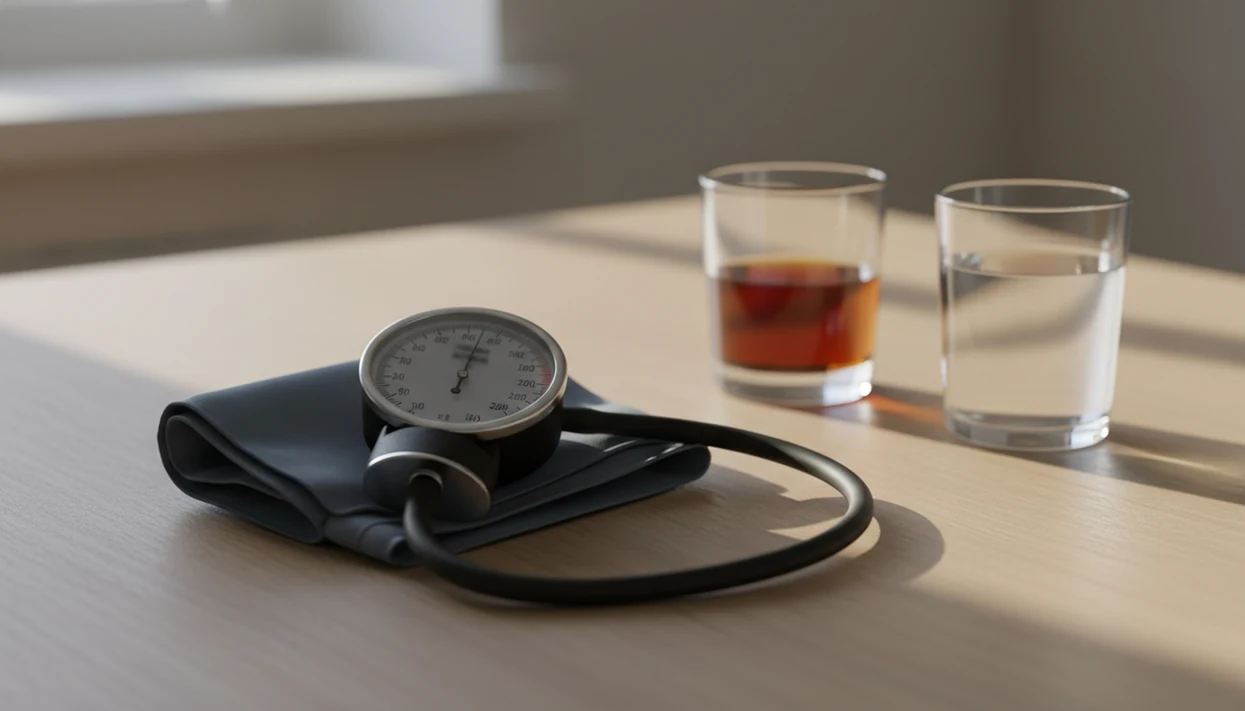
Alcohol can raise blood pressure, trigger irregular heart rhythms, and add to long-term heart attack and stroke risk. The effects generally increase with the amount and frequency of drinking. Cutting back can lower blood pressure, particularly for people having more than two drinks daily. Heavy daily drinkers should get medical advice before stopping because withdrawal can be dangerous.
A high reading the morning after drinking may reflect more than dehydration. Alcohol can disturb sleep, increase nervous-system activity, alter fluid balance, and produce a rebound rise in blood pressure after its initial effects wear off.
The pattern matters. Regular evening drinks, generous home pours, and occasional heavy nights can affect blood pressure differently, but all add to total alcohol exposure. A consistent drink and blood pressure log can help show the connection more clearly than one isolated reading.
The cardiovascular risks linked to alcohol
Alcohol can raise blood pressure and place extra workload on the cardiovascular system. The available evidence shows a dose-response pattern, so drinking more often, or drinking larger amounts, is generally associated with higher risk.
Key concerns include hypertension, heart attack, stroke, irregular heartbeat, and cardiomyopathy, which means weakened heart muscle. Cutting back can help blood pressure, especially when drinking is heavy or near-daily.
Two evidence points are useful for scale. A pooled analysis published in Hypertension found that about 12 grams of alcohol per day was associated with a 1.25 mmHg systolic blood pressure increase, while 48 grams per day was associated with a 4.9 mmHg increase tulane. A Cochrane review found repeated alcohol consumption raised systolic pressure by 2.7 mmHg and diastolic pressure by 1.4 mmHg compared with no alcohol the NIH.
Why drinking can push blood pressure higher
Alcohol raises blood pressure through nervous-system activation, vessel changes, fluid shifts, and sleep disruption. After alcohol wears off, heart rate and blood pressure can rise as the body shifts into a more activated state.
Alcohol can activate the sympathetic nervous system, the “ready for action” system that raises heart rate and tightens blood vessels. It may also affect stress hormones, kidney handling of salt and water, and the flexibility of blood vessels. Some people see a short-term dip in blood pressure for several hours after drinking, followed by rebound elevation later.
How alcohol blood pressure risk works is not one single switch. It is repeated pressure: a few drinks, poor sleep, higher resting heart rate, then another episode the next evening. Over time, those repeated episodes may contribute to sustained hypertension. Tell your clinician how much and how often you drink if blood pressure readings tend to rise after weekends, social events, or regular evening drinking.
Why is blood pressure higher the next day?
Does alcohol raise blood pressure the next day? Yes, alcohol can raise blood pressure the next day, even though it may temporarily lower blood pressure for several hours in some people.
The short-term pattern can be confusing. A person may drink at dinner, sleep badly, wake up thirsty, and see a higher reading after breakfast. Rebound effects, dehydration, poor sleep, anxiety, and high-salt drinking contexts can all contribute. A weeknight pour after laptop shutdown may look harmless, but the next morning’s cuff reading may tell a different story.
One reading is not the whole story. Home blood pressure logs work better when readings are taken at consistent times across several days. A simple note can include time, drinks, sleep quality, and reading. If next-day anxiety is the main symptom, Why Blackouts Can Leave You Anxious explains that pattern separately.
Palpitations, atrial fibrillation, and alcohol
An irregular heartbeat means the heart feels like it is racing, fluttering, skipping, or beating out of rhythm. Alcohol can trigger this by affecting electrical signaling, hydration, sleep quality, and the body’s stress response.
Binge drinking and regular heavy drinking appear to carry higher rhythm risk. A 2017 systematic review and dose-response meta-analysis also linked alcohol consumption with higher atrial fibrillation risk the NIH. Some people notice palpitations after a party night, while others feel them after only a few drinks. The mechanism is not always visible from the outside. Electrolytes shift. Sleep gets fragmented. The nervous system stays keyed up.
Palpitations should not be self-diagnosed through an app or an article. Chest pain, fainting, shortness of breath, or a new irregular heartbeat needs medical attention. Mild next-day discomfort after two extra drinks is different from a symptom pattern that may signal alcohol withdrawal or a heart rhythm problem.
Call emergency services for chest pain, severe shortness of breath, fainting, confusion, one-sided weakness, a seizure, or a dangerously fast or irregular heartbeat. If you drink heavily every day or have had alcohol withdrawal before, contact a clinician before cutting down or stopping because withdrawal may require medication or supervised care.
Alcohol and heart disease beyond high blood pressure
Alcohol can affect heart attack and stroke risk through blood pressure, inflammation, sleep, weight, and blood fats. High blood pressure makes arteries and the heart work harder, which can add strain over years.
Other pathways matter too. Alcohol can increase oxidative stress, raise triglycerides, disrupt sleep, and add calories that contribute to weight gain. Heavy drinking can weaken the heart muscle and contribute to cardiomyopathy. It can also worsen other risk factors that often travel together, such as poor sleep and blood sugar swings. For that related pattern, the alcohol blood sugar fatigue guide is useful.
No article can predict one person’s heart attack risk from drink count alone. Age, blood pressure history, smoking, diabetes, family history, medication use, and activity level all matter. Red wine is not exempt from this discussion because ethanol is the exposure linked to blood pressure effects.
Heart symptoms that need medical care
Seek medical help right away for chest pain, fainting, severe breathlessness, stroke-like symptoms, or a heartbeat that feels dangerously fast or irregular. Alcohol can be part of the picture, but urgent symptoms should not be watched at home.
- Call emergency services now if you have chest pressure, trouble breathing, fainting, confusion, one-sided weakness, or another severe symptom after drinking.
- Arrange prompt medical evaluation for new palpitations, skipped beats, racing heart, or an irregular rhythm, even if an app says the pattern looks “normal.”
- Avoid stopping alcohol suddenly without medical advice if you drink heavily or daily, because withdrawal can raise heart rate, raise blood pressure, and sometimes become dangerous.
- Review medications with a clinician or pharmacist, especially blood pressure drugs, sleep medicines, antidepressants, stimulants, or pain medicines that may interact with alcohol.
- Escalate care if home blood pressure readings are very high, such as around 180/120 mmHg or higher, or if high readings come with symptoms.
Home cuffs, watches, and phone apps can help you notice patterns. They cannot diagnose a heart attack, arrhythmia, hypertension cause, or alcohol withdrawal risk.
How much can blood pressure fall after cutting back?
Cutting back can improve blood pressure even when someone does not quit alcohol overnight. The largest average drops are usually seen among heavier drinkers, but smaller reductions may still move readings in a better direction.
| Change in alcohol use | Reported blood pressure change | Practical meaning |
|---|---|---|
| Heavy drinking reduced to moderate drinking, per Mayo Clinic | About 5.5 mmHg systolic and 4 mmHg diastolic lower | Often meaningful for people with elevated readings |
| Stopping one to two drinks per day, per ACC | About 0.78 to 1.03 mmHg systolic and 1.14 to 1.62 mmHg diastolic lower | Smaller, but still measurable |
| Larger reductions among heavier drinkers | Greater average drops reported | Baseline intake matters |
Start by choosing a weekly limit, scheduling alcohol-free days, and reviewing several days of home blood pressure readings with a clinician.
The average blood pressure change in clinical trials
A systematic review of 36 trials involving 2,865 adults found that reducing alcohol lowered systolic blood pressure by an average of 3.13 mm Hg and diastolic pressure by 2.00 mm Hg. The benefit was larger among people drinking more than two drinks daily. People having two or fewer drinks daily did not have a statistically significant pooled reduction.
An average result cannot predict one person's response. Keep taking prescribed blood pressure medicine unless the clinician who manages it recommends a change.
Make a seven-day plan to reduce alcohol
The practical way to reduce alcohol-related blood pressure risk is to make drinking patterns visible, lower total intake, and compare blood pressure readings over time. A short, consistent plan is more useful than guessing from one high reading after a bad night.
- Start a seven-day log that captures drinks, sleep quality, wake time, cravings, stress, and blood pressure readings. Include serving sizes, not just “wine” or “beer.”
- Set a weekly drink ceiling before the week starts, then choose specific alcohol-free days so the limit is not decided during a craving or social pressure.
- Measure blood pressure at consistent times, seated and rested, not right after exercise, caffeine, nicotine, an argument, or rushing out the door.
- Replace predictable high-risk triggers with named alternatives: a walk after work, seltzer in a wine glass, calling someone before dinner, or leaving a gathering early.
- Review the pattern with a clinician, especially if readings stay high, medications are involved, withdrawal symptoms appear, or the goal is to stop after heavy daily drinking.
Count the pour, then measure blood pressure consistently
A standard drink is smaller than many restaurant or home servings. The CDC defines one standard U.S. drink as 12 ounces of 5% beer, 5 ounces of 12% wine, or 1.5 ounces of 40% spirits. Strong beer, a large wine glass, or a cocktail may contain more than one drink.
- Use a validated upper-arm blood pressure monitor.
- Avoid alcohol, caffeine, exercise, and smoking for about 30 minutes before measuring.
- Sit quietly for 5 minutes with your back supported and feet on the floor.
- Take two readings one minute apart at similar times each day.
- Record both readings, drink count, sleep quality, and any symptoms.
Share several days of readings with a clinician rather than changing medication based on one result. The CDC's blood pressure guidance explains that high blood pressure often has no warning signs, so reliable measurements matter.
Alcohol, blood pressure, and heart questions
Does alcohol raise blood pressure?
Yes. Alcohol can raise blood pressure through nervous-system activation, changes in blood vessels and fluid balance, and disrupted sleep. The average effect generally increases as drinking increases. Regular heavy drinking is most concerning, but smaller amounts can still affect readings in some people.
How long can alcohol affect blood pressure?
The immediate effects can last for hours, and a rebound increase may appear later that night or the next day. With regular drinking, the effect can contribute to sustained high blood pressure. Improvement after cutting back may take days to weeks and varies with drinking level, sleep, medications, sodium intake, and underlying hypertension.
Can alcohol lower blood pressure right after drinking?
Some people experience a temporary decrease for several hours because alcohol can widen blood vessels. That does not make alcohol a blood pressure treatment. Pressure may rebound later as alcohol wears off, sleep becomes fragmented, and the nervous system becomes more active.
Will quitting alcohol lower my blood pressure?
It can, especially if you have been drinking more than two drinks daily. Trial results show the largest average reductions among heavier drinkers. Some people still need blood pressure medication after quitting, so do not stop prescribed medicine based on improved home readings without consulting your clinician.
Can alcohol-related high blood pressure be reversed?
Alcohol-related pressure increases may improve after sustained reduction, but complete reversal is not guaranteed. Genetics, age, weight, smoking, diet, kidney health, medications, and how long hypertension has been present also matter. Track readings for several days or weeks and review the pattern with a clinician.
Which type of alcohol is worst for blood pressure?
The ethanol dose matters more than the beverage type. Beer, wine, and spirits can all raise blood pressure when they provide the same amount of alcohol. Strong beers, oversized wine pours, and cocktails are easy to undercount because one glass may contain multiple standard drinks.
Can alcohol cause an irregular heartbeat?
Yes. Alcohol can trigger palpitations and atrial fibrillation by affecting electrical signaling, hydration, sleep, and the stress response. Risk is generally higher with binge drinking and regular heavy use. New palpitations need medical evaluation, especially with chest pain, fainting, or shortness of breath.
Is red wine good for high blood pressure?
Red wine is not a treatment for hypertension, and its ethanol can still raise blood pressure. Claims that light drinking protects the heart are uncertain and do not justify starting or continuing alcohol for health. If controlling blood pressure is the goal, reducing alcohol is safer than selecting a supposedly heart-healthy drink.