

How Alcohol Changes Mood, Memory, and Judgment
Short answer
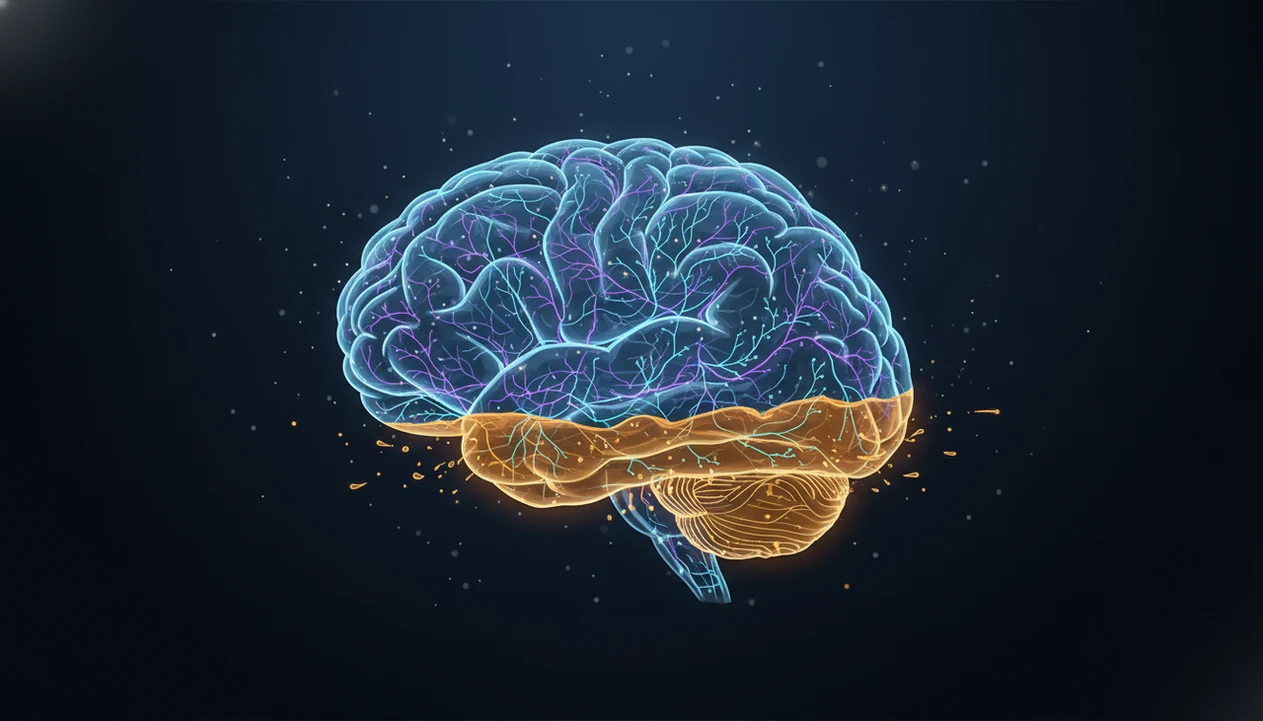
Alcohol changes chemical signaling between brain cells. It slows reaction time and judgment, weakens self-control, disrupts balance, and can prevent new memories from being stored. Repeated drinking can affect mood, sleep, reward pathways, and brain volume. Some effects may improve after cutting back, but heavy daily drinkers need medical advice before stopping because withdrawal can cause seizures or severe confusion.
The first brain effects of alcohol may feel pleasant: less tension, easier conversation, or fewer inhibitions. At the same time, alcohol is making risk assessment, coordination, emotional control, and memory less dependable. Those changes can begin before speech sounds slurred or a person feels very drunk.
Repeated drinking adds another layer. The brain can adapt to alcohol, sleep can become more fragmented, and drinking may shift from celebration toward relief from stress or discomfort. Blackouts, persistent brain fog, severe mood changes, or neurological symptoms deserve particular attention.
What alcohol starts changing after the first drinks
Alcohol changes the communication pathways between brain cells, which is why drinking can quickly alter mood, balance, judgment, inhibition, and memory. The shortest answer to how alcohol affects the brain is this: it slows some signals, amplifies others, and makes self-control less reliable.
At first, that may feel like relief. A person may talk more easily, worry less, or feel less self-conscious at dinner. But the same shift can also mean slower reactions, poor risk judgment, emotional swings, and patchy recall.
With repeated drinking, alcohol is linked with inflammation-like stress, sleep disruption, low mood, anxiety, brain shrinkage, and higher dementia risk. Some recovery is possible after cutting down or stopping, especially when sleep, nutrition, and daily routines improve too. The change is often ordinary at first: a clearer morning, fewer apology texts, steadier focus.
Five brain effects that can outlast intoxication
- Alcohol disrupts brain communication pathways. Even low doses can affect balance, coordination, reaction time, judgment, and emotional control before a person feels “very drunk.”
- Alcohol changes serotonin and dopamine signaling. These reward and mood pathways can make drinking feel calming or social at first, then contribute to irritability, low mood, anxiety, and craving with repeated use.
- Alcohol disrupts memory consolidation in the hippocampus. Blackouts are not ordinary sleepiness; they happen when the brain fails to store parts of an intoxicated experience as retrievable memory.
- Regular or heavy drinking is linked with brain shrinkage. Large imaging studies connect higher alcohol intake with smaller brain volume and problems in learning, reasoning, and recall.
- Brain recovery can occur after cutting back. Recovery varies by dose, duration, age, health, nutrition, sleep, and whether other substances are involved.
A beer fridge hum during dinner prep can sound harmless. For some people, that sound becomes a cue the brain starts answering before dinner is even on the table.
Slower signaling, weaker judgment, and lost inhibition
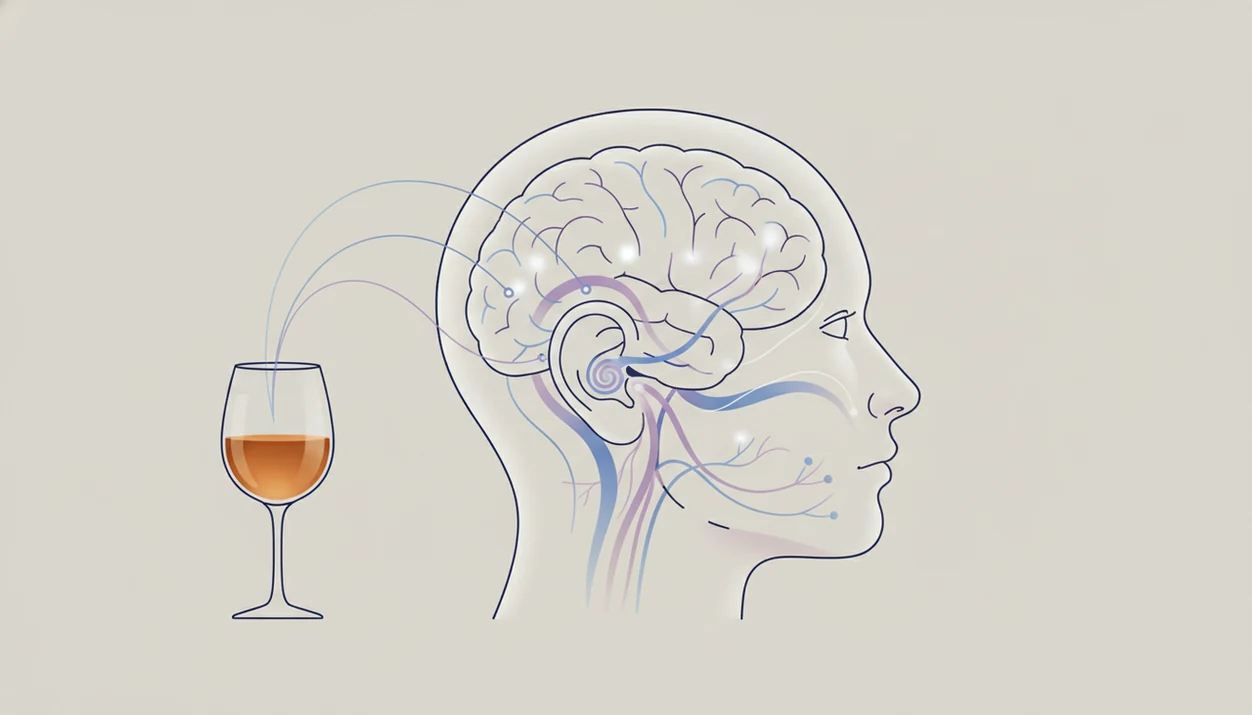
Alcohol is a psychoactive substance that changes how neurons send and receive signals, especially in circuits tied to inhibition, reward, threat, and movement. The result is a mismatch: confidence may rise while reaction time, judgment, and coordination decline.
How it works: alcohol affects neurotransmission, including GABA and glutamate signaling. GABA slows activity; glutamate helps learning, alertness, and memory. When alcohol pushes this system off balance, reaction time, coordination, balance, and decision-making can decline.
The first changes are often subtle. Risk perception softens. Emotional regulation gets thinner. Impulse control drops before speech sounds slurred. After inhibition drops, another drink, a cigarette, or an impulsive message can seem more reasonable than it did earlier.
Binge drinking gives the brain a high short-term alcohol exposure. Per the CDC, 27.2% of U.S. adults reported binge drinking in 2022 past-month survey data, using the 5-drink male and 4-drink female occasion thresholds (CDC).
How moderate alcohol consumption changes the brain
Moderate drinking is not proven to protect the brain. Large imaging datasets have found associations between light-to-moderate alcohol intake and lower gray and white matter volume. In one study of more than 36,000 adults, the difference between one and two alcohol units per day was associated with brain-volume changes comparable to about two years of aging. This was an association, not proof that a specific amount will produce the same change in every person.
Tolerance is a form of brain adaptation
With repeated exposure, reward circuits can become less responsive to alcohol's pleasurable effects. A person may need more alcohol to notice the same effect, while the urge to drink for stress relief becomes stronger. Being able to “handle” more alcohol is not evidence of protection. It can be a warning that the brain has adapted.
Why the craving appears at 5 p.m.
A 5 p.m. alcohol craving may be a learned response to finishing work, opening the refrigerator, preparing dinner, or hearing someone else pour a drink. Break the sequence with a specific plan: “If I want alcohol after work, I will pour an alcohol-free drink and wait 15 minutes.” Changing the time, glass, location, or first activity can weaken the cue through repetition.
Why relaxation can turn into anxiety or irritability
Does alcohol lower serotonin? Not in a simple “one drink equals low serotonin” way. Alcohol interacts with serotonin-related pathways and dopamine reward circuits, which can first feel like relaxation, sociability, reward, and lowered inhibition.
That early lift is real enough to be memorable. A Friday 6 p.m. drink can make stress feel quieter and conversation easier. But repeated use can dysregulate those same systems. The next-day pattern may include irritability, low mood, anxious thoughts, poor sleep, and a stronger pull to drink again.
Serotonin is not the whole story. Dopamine, stress hormones, sleep quality, blood sugar, and learned trigger patterns all matter. A late-night kebab shop smoking crowd can pair alcohol, nicotine, and reward cues into one habit loop.
Mood symptoms can have many causes, including depression, anxiety disorders, trauma, medications, sleep problems, and thyroid disease. This page explains brain effects; it does not diagnose why any one person feels low or anxious.

Call emergency services for a seizure, severe confusion, hallucinations, inability to wake, trouble breathing, one-sided weakness, or a sudden severe headache. If you drink heavily every day or have had withdrawal symptoms before, get medical advice before reducing or stopping alcohol.
Blackouts vs ordinary forgetfulness
Why does alcohol affect memory? Alcohol can disrupt the hippocampus, the brain area that helps consolidate new experiences into longer-term memory. A blackout means memory formation failed during intoxication, not that the person simply slept, forgot casually, or “wasn’t paying attention.”
The National Institute on Alcohol Abuse and Alcoholism explains that alcohol-induced blackouts involve blocked memory consolidation in the hippocampus, and even small amounts can cause subtle memory impairment while drinking NIAAA alcohol data. That can show up as missing pieces of a conversation, repeated questions, or no recall of getting home.
Not all memory effects are blackouts. Some people notice slower recall after weekends with heavier drinking, especially when sleep is poor. The empty bottle beside the recycling bin may be less worrying than the missing memory of when it was finished.
A BMJ UK cohort study found dose-related hippocampal atrophy risk: people drinking more than 30 units per week had the highest odds, and even moderate drinking showed higher odds than abstinence (BMJ). Harvard Health summarized the practical takeaway as alcohol being associated with brain shrinkage and cognitive changes (Harvard Health). Severe long-term heavy drinking can also contribute to Wernicke-Korsakoff syndrome, a serious alcohol-related brain disorder.
For readers wanting a deeper memory-focused explanation, alcohol brain fog memory loss covers recall, concentration, and next-day fog in more detail.
Is brain fog a sign of alcohol-related inflammation?
Alcohol can contribute to inflammation-like processes and oxidative stress in the brain, but that does not mean every foggy morning is clinical brain inflammation. A safer phrase is “brain stress,” especially when symptoms appear after repeated intoxication and withdrawal cycles.
Possible alcohol brain inflammation symptoms people notice include brain fog, slower recall, poor sleep, low motivation, emotional reactivity, headaches, and reduced concentration. The pattern often feels boring, not dramatic. You read the same work email three times. You forget why you opened the pantry. You snap at a small noise.
Repeated intoxication and rebound can strain stress systems, sleep architecture, and neurotransmitter balance. Over time, that stress is one reason alcohol is linked with shrinkage and cognitive risk, especially with heavier or more frequent drinking. Our guide to alcohol brain inflammation cravings explains how inflammation-like stress can overlap with urge cycles.
Seek urgent medical help for sudden confusion, seizures, head injury, severe withdrawal symptoms, hallucinations, or a person who cannot be awakened. Those are not app-tracking moments.
Causes, warning signs, and tracking of neurological symptoms after drinking alcohol
Alcohol can coincide with migraine, spinning vertigo, swaying dizziness, tinnitus, ear fullness, facial pain, numbness, or balance trouble. Possible contributors include intoxication, poor sleep, dehydration, medication interactions, and an underlying migraine, hearing, or neurological condition. A symptom log can show a pattern, but it cannot establish the cause.
- Record the drink type, approximate number of standard drinks, and when drinking started.
- Write down when each symptom began and how long it lasted.
- Separate spinning vertigo from lightheadedness or unsteadiness.
- Add sleep, food, hydration, caffeine, stress, medications, recent illness, and menstrual-cycle timing when relevant.
- Compare drinking days with alcohol-free days and review the pattern weekly.
Seek prompt care for new or repeated one-sided hearing loss, ear fullness, severe vertigo, vomiting with vertigo, or balance trouble that makes walking unsafe. Call emergency services for facial drooping, one-sided weakness, trouble speaking, fainting, seizure, severe confusion, new numbness, chest pain, or a sudden severe headache. Do not assume a serious symptom is harmless because it followed alcohol. If you drink heavily every day, consult a clinician before stopping because alcohol withdrawal may require medical care.
Alcohol may loosen ideas while weakening the work
Alcohol can feel creatively helpful because it lowers inhibition, reduces self-criticism, and may make unusual associations feel easier. The tradeoff is that working memory, planning, attention, and complex problem-solving often get worse.
Creativity research is mixed, and many studies use small lab tasks. Brainstorming a rough lyric after one drink is different from editing a contract, operating equipment, designing a safe structure, or making clinical decisions.
| Creative task | What alcohol may change | Practical takeaway |
|---|---|---|
| Brainstorming | Less inhibition and more loose association | Ideas may feel easier, but quality still needs review |
| Editing | Weaker attention and error checking | Save revisions for a sober pass |
| Problem-solving | Reduced working memory and planning | Complex tasks usually suffer |
| Professional judgment | Lower risk perception | Do not treat alcohol as a work tool |
For complex creative work, sober drafting plus later revision is often more reliable than drinking because execution depends on attention, memory, and judgment.
How the brain may recover after drinking less
Many people notice better sleep quality, steadier mood, clearer mornings, improved recall, and fewer cravings after cutting back on alcohol. Recovery is not instant, but the brain often responds when it gets fewer intoxication-and-rebound cycles.
Timelines vary by amount, frequency, age, nutrition, mental health, medications, and length of drinking history. Severe alcohol-related brain damage may not fully reverse, especially when heavy drinking has continued for years or thiamine deficiency is involved. Get medical advice before cutting down or stopping if withdrawal is possible, or if there is a history of blackouts, pregnancy, liver disease, seizures, or difficulty reducing alcohol safely.
Turn a vague goal into a written weekly limit:
- Set a clear limit for the week, such as dry days, drink limits, or alcohol-free events.
- Record each craving with its time, location, intensity, mood, and likely trigger.
- Choose one delay action for the craving window, such as a walk, food, water, or leaving the room.
- Review the pattern after seven days and adjust the plan without shame.
- Reset after a slip by noting what happened, not by restarting from zero.
It is habit support, not detox supervision, emergency care, or a diagnosis. If alcohol and nicotine trigger each other, our alcohol reduction guides can help map the overlap.
Get medical care for these brain and withdrawal symptoms
Seek medical help when alcohol-related brain symptoms are sudden, severe, dangerous, or hard to explain. Use emergency services for seizures, severe confusion, hallucinations, head injury, unconsciousness, or a person who cannot be awakened.
Withdrawal is one reason not everyone should quit suddenly alone. After regular heavy drinking, the brain can rebound into overactivity: shaking, sweating, agitation, high blood pressure, hallucinations, or seizures can develop and may need supervised care. Higher-risk situations include pregnancy, liver disease, repeated blackouts, prior withdrawal seizures, or a history of needing alcohol to feel physically steady in the morning.
- Use emergency services immediately for a seizure, serious fall or head injury, loss of consciousness, severe confusion, hallucinations, chest pain, or breathing trouble.
- Ask for same-day medical advice if withdrawal symptoms are starting, drinking has been heavy and daily, or stopping feels physically unsafe.
- Schedule a clinician visit for repeated blackouts, worsening memory, mood changes, liver disease, pregnancy, or failed attempts to cut down.
- Avoid relying on tracking alone when symptoms feel unsafe; apps can support habits, but they cannot supervise detox.
The withdrawal window after the last drink
For someone whose brain has adapted to regular heavy drinking, abruptly stopping can cause dangerous overactivity. Withdrawal may begin 6 to 12 hours after the last drink. Symptoms can include anxiety, insomnia, nausea, sweating, a rapid heartbeat, tremor, hallucinations, confusion, and seizures. The first 48 hours are often the most severe, although symptoms commonly last 3 to 7 days.
Do not suddenly stop without medical advice if you drink heavily every day, need alcohol to feel normal, or have previously experienced withdrawal, seizures, or delirium.
Alcohol-withdrawal seizures can occur about 12 to 48 hours after stopping or sharply reducing alcohol. Severe confusion, agitation, hallucinations, a seizure, or rapidly worsening symptoms require emergency care. See the NHS guidance on alcohol misuse and withdrawal and the NIAAA withdrawal factsheet for clinical safety information.
How the evidence behind these claims is assessed
This article is sourced and checked to explain alcohol-related brain effects without turning population research into a personal diagnosis. The main hierarchy is government health agencies first, then peer-reviewed studies, then established medical institutions and clinical education sources.
Claims are reviewed using the following evidence checks:
- Prioritize primary authority by using agencies such as national public health bodies for definitions, safety thresholds, withdrawal warnings, and broad risk language.
- Check study type before making claims, especially for alcohol and brain volume, mood, memory, or dementia risk. Observational studies can show association; they do not prove that alcohol caused a guaranteed outcome in any one person.
- Match statistics to context by checking the original publication date, population, country, age range, drinking measure, and whether the number describes lifetime, yearly, or past-month behavior.
- Avoid overclaiming mechanisms when the evidence is stronger for a pattern than for a precise biological pathway.
- Separate habit support from treatment by making clear that app guidance, tracking, streaks, and reminders can support behavior change, but they are not clinical advice, detox supervision, diagnosis, or emergency care.
Brain recovery may require more than detox
Getting through withdrawal does not treat all the reasons drinking became difficult to control. Continued care may include behavioral therapy, mutual-support groups, outpatient or residential treatment, and medication. Naltrexone, acamprosate, and disulfiram are FDA-approved options that may be appropriate after a clinician reviews drinking goals, medical history, medications, and withdrawal risk.
Sleep trouble, anxiety, depression, trauma symptoms, and cravings can become more noticeable as drinking decreases. Treating those problems can support recovery and reduce the pressure to use alcohol for short-term relief. NIAAA summarizes the available approaches in its guide to evidence-based alcohol treatment.
Alcohol and the brain: common questions
Which brain functions change first after drinking?
Alcohol can reduce inhibition and risk awareness before obvious signs such as slurred speech appear. Reaction time, divided attention, coordination, emotional control, and judgment may become less reliable early. The exact order and intensity depend on drinking speed, amount, food, body size, medications, tolerance, and other health factors.
Can alcohol make anxiety worse the next day?
Yes. Alcohol may briefly reduce tension, but anxiety, irritability, low mood, and poor sleep can intensify as it wears off. Repeatedly drinking for relief can reinforce this cycle. Persistent anxiety may also have causes unrelated to alcohol, so symptoms that continue on alcohol-free days deserve clinical review.
How is an alcohol blackout different from passing out?
During a blackout, a person may remain awake, talk, walk, and interact but fail to store parts of the experience as lasting memories. Passing out means losing consciousness. Both are serious, but a blackout can be missed because the person may appear responsive at the time.
Does moderate drinking still change the brain?
Large observational studies have associated light-to-moderate drinking with differences in brain volume. These studies cannot predict an individual's outcome or prove that alcohol alone caused every difference. Moderate drinking is not clearly established as protective for memory or cognition, and tolerance should not be mistaken for resistance to harm.
Why do I feel dizzy or get a migraine after alcohol?
Possible contributors include intoxication, dehydration, disrupted sleep, mixers, medication interactions, and an underlying migraine or balance disorder. Track the timing, drink type, amount, food, sleep, and exact symptom. New one-sided symptoms, trouble speaking, weakness, severe vertigo, fainting, or a sudden severe headache need urgent assessment.
Can alcohol-related brain changes improve after cutting back?
Some changes in sleep, concentration, mood, memory, and brain structure may improve after alcohol is reduced or stopped. Recovery can take weeks or months and varies with drinking history, age, nutrition, medical conditions, and mental health. Severe damage or problems related to thiamine deficiency may not fully reverse.
Is suddenly quitting alcohol safe for a heavy daily drinker?
Not without medical advice. Withdrawal can begin within 6 to 12 hours and may cause tremor, sweating, rapid heartbeat, hallucinations, confusion, or seizures. Risk is higher after previous withdrawal, seizures, delirium, or needing alcohol to feel physically normal. A clinician can plan supervised withdrawal or safer reduction.
Does alcohol really help creativity?
Alcohol may lower self-criticism and make loose associations feel easier, but it also weakens attention, working memory, planning, error checking, and complex problem-solving. Rough ideas may feel more fluent while their quality becomes harder to judge. Important creative, technical, financial, or safety decisions should receive a sober review.