
Why Anxiety Hits After Drinking and What to Do Next
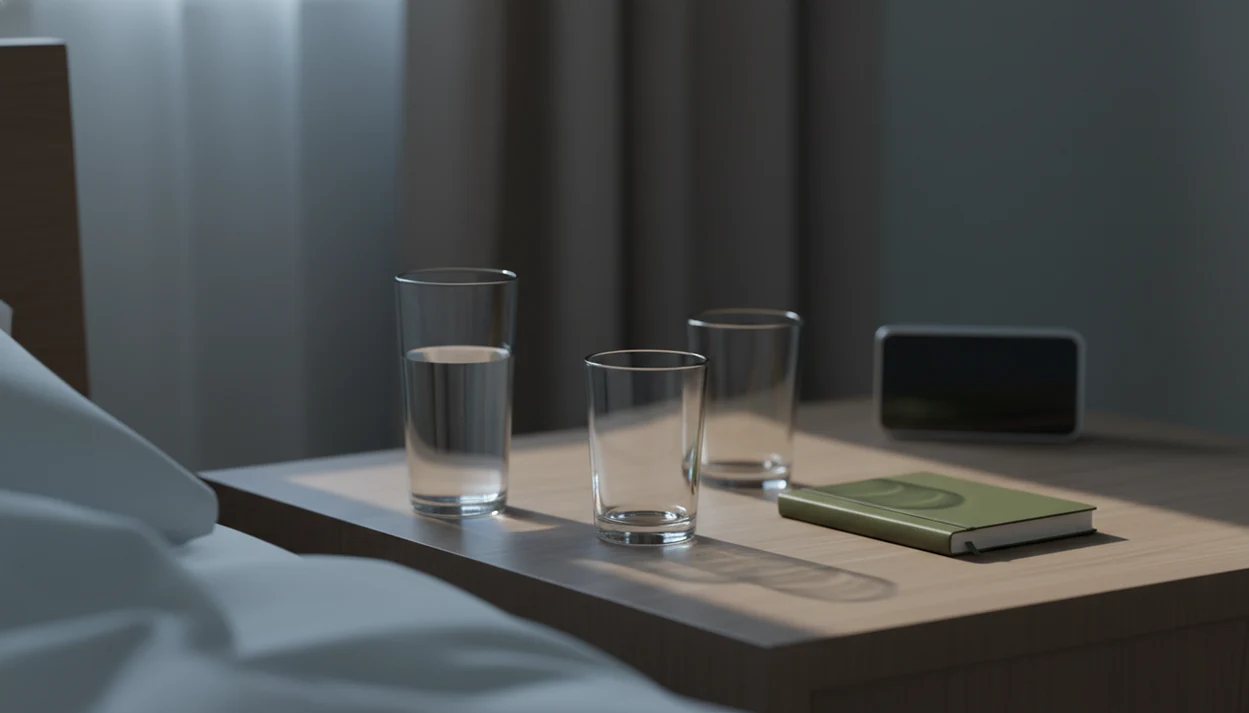
You may fall asleep feeling relaxed, then wake at 3 a.m. with a pounding heart or start the morning replaying every conversation from the night before. This combination of physical unease and anxious thinking is often called hangxiety.
The timing matters. A rough morning after an isolated night of drinking is different from anxiety that repeatedly appears when alcohol wears off. The second pattern, especially with sweating, tremor, nausea, or morning drinking, can be an early withdrawal signal rather than an ordinary hangover.
Short answer
Anxiety after drinking can appear as alcohol's calming effects wear off and the nervous system shifts toward greater alertness. Poor sleep, dehydration, blood sugar changes, a faster heart rate, regret, and memory gaps can intensify it. Repeated morning anxiety, shaking, sweating, or relief after another drink may point to withdrawal and needs medical advice.
What hangxiety can feel like
Alcohol rebound anxiety symptoms are the anxious, wired, or shame-heavy feelings that appear after drinking, often alongside a physical hangover. Hangxiety after drinking can include dread, restlessness, racing heart, tight chest, irritability, shame, and looping thoughts about what you said or did.
It may arrive with headache, nausea, fatigue, dry mouth, and dehydration. That mix can fool the brain into reading the morning as danger. A sour stomach before a social event feels different when it follows four drinks and broken sleep.
A large U.S. survey found that 36% of adults reported hangover symptoms at least once in the past year, according to the National Institute on Alcohol Abuse and Alcoholism NIAAA. Next-day anxiety can happen to social drinkers too. Someone can experience it after social or occasional drinking, without having a severe alcohol problem.
Why calm can turn into nervous-system overdrive
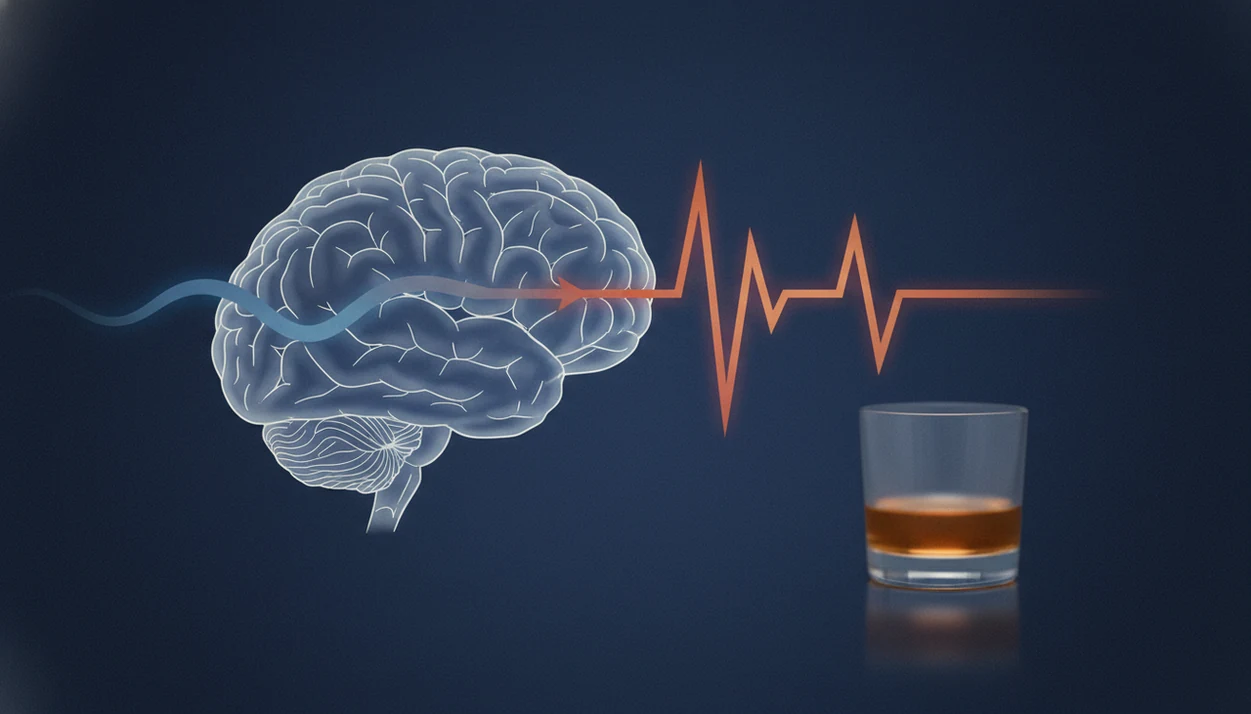
Alcohol first raises GABA activity and lowers glutamate activity, then the brain often rebounds in the opposite direction as alcohol leaves the body. That rebound is why a relaxed night can turn into a wired morning.
GABA is the brain’s main calming signal. Alcohol enhances it, so conversation may feel easier and muscle tension may drop. Glutamate is a stimulating signal tied to alertness and excitation. Alcohol suppresses it while you are drinking.
Then the balance flips. As alcohol wears off, GABA activity drops and glutamate can surge back. This alcohol glutamate rebound can feel like shaky hands, tight jaw, restless legs, or “I need something” with no clear target. Alcohol GABA anxiety is the plain-language version: alcohol borrows calm from tomorrow rather than creating stable calm.
That is the mechanism behind why alcohol causes anxiety for many people, even when the first drink seems to help.
Understand what causes alcohol rebound anxiety
GABA and glutamate help explain why drinking can feel calming first and agitating later. GABA reduces neural activity, while glutamate supports alertness and excitation. Alcohol temporarily strengthens GABA-related calming effects and suppresses glutamate activity. As alcohol clears, the balance can shift toward greater stimulation.
That shift may feel like restless legs, a tight jaw, sweating, a pounding heart, shallow sleep, or a vague sense that something is wrong. With repeated heavy drinking, the brain can adapt further, making anxiety and agitation more pronounced when alcohol is absent. NIAAA describes anxiety, irritability, and emotional distress as part of the negative state that can follow alcohol's short-term effects in the cycle of alcohol addiction.
When anxiety hits, note the time of your last drink and when symptoms began. Anxiety that repeatedly arrives overnight or in the morning, especially with shaking or sweating, deserves medical assessment.
- Drink water gradually and eat a simple food if you can tolerate it.
- Reduce stimulation, including bright screens and large amounts of caffeine.
- Do not use another alcoholic drink as a treatment.
- Get urgent care for seizures, hallucinations, severe confusion, chest pain, trouble breathing, or severe shaking.
Five patterns that can make the next morning worse
- Hangxiety is physical and psychological. The racing heart, dread, shame, and rumination can all come from the same rebound state.
- The rebound can start 6 to 12 hours after the last drink. It may feel worse the next day, especially after heavier drinking.
- Alcohol can disrupt sleep even when it helps you fall asleep. Experimental sleep research found that a moderate dose before bed can reduce REM sleep by up to 9% in the first half of the night. A laboratory sleep study reported REM suppression after evening alcohol intake the NIH.
- Anxiety disorders and alcohol use disorder often overlap. About 18% of people with an anxiety disorder also have an alcohol use disorder, according to a 2013 review the NIH.
- Drinking to calm the rebound can strengthen the loop. The relief is real, but it teaches the brain to expect alcohol at the next decision point.
Sleep matters here. The deeper sleep piece is covered in more detail in alcohol and rem sleep.
Research confirms the emotional side of hangovers
A 2026 systematic review examined 22 studies involving 6,152 participants. Hangovers were associated with increased negative feelings, including anxiety, stress, and depression. Symptoms began as blood alcohol concentration returned toward zero. Baseline anxiety, repetitive negative thinking, and avoidant coping could make the experience more intense.
The systematic review of hangovers and psychological symptoms supports a useful distinction: hangxiety is not only regret about the previous night. Physical rebound and a person's usual thinking patterns can interact. The review does not mean every anxious morning is harmless, particularly when symptoms follow regular heavy drinking.
First, rule out withdrawal and emergencies
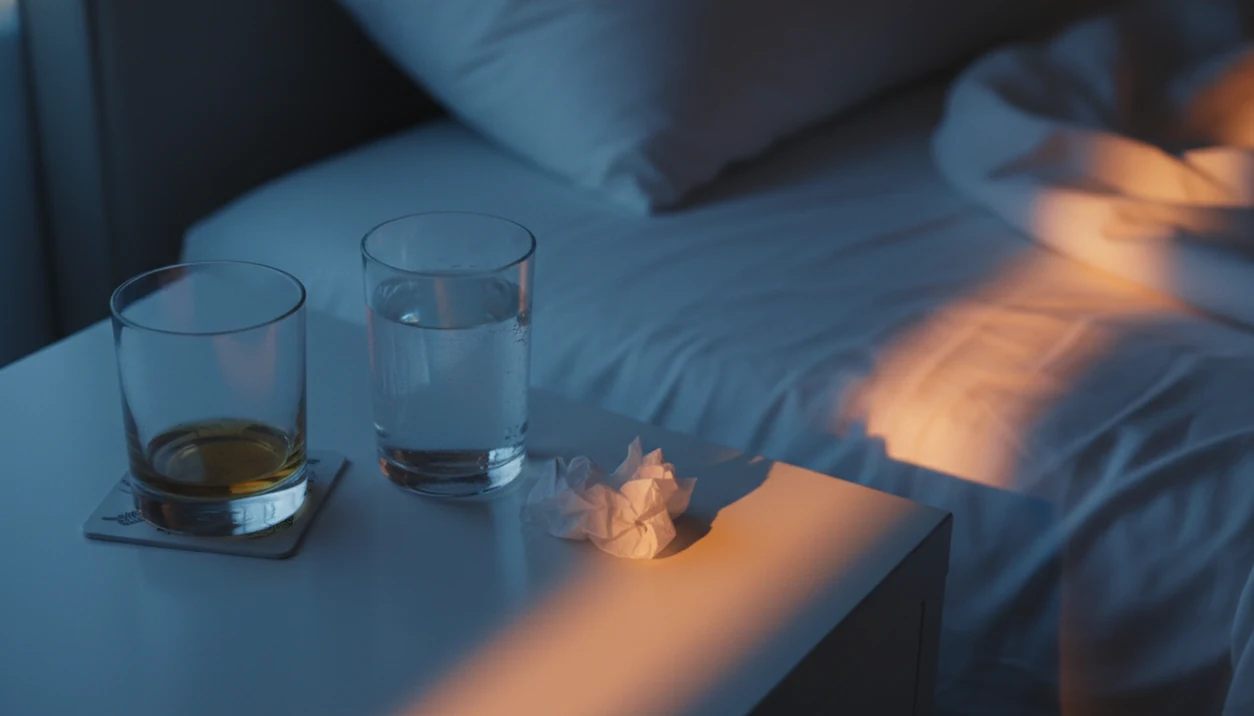
Before you experiment with tracking, cutting back, or changing routines, make sure this is safe to handle on your own. Hangxiety can be common, but severe withdrawal symptoms, chest pain, or self-harm thoughts are not self-coaching problems.
- Check your symptoms for red flags such as chest pain, fainting, severe shaking, fever, hallucinations, confusion, or symptoms that feel intense or unusual for you.
- Avoid stopping abruptly if you drink heavily, drink daily, or need alcohol to feel steady in the morning. Withdrawal can be dangerous, and a medical taper or supervised plan may be safer.
- Review your medications and health conditions, especially anxiety medication, antidepressants, sleep aids, pain medication, heart conditions, seizure history, pregnancy, or liver disease.
- Choose a low-stress day for any tracking or reduction experiment. Do not test a new plan before a high-pressure meeting, travel day, family conflict, or major deadline.
- Seek medical help right away for seizures, confusion, severe withdrawal symptoms, chest pain, or thoughts of harming yourself.
Get urgent medical care for a seizure, hallucinations, severe confusion, chest pain, trouble breathing, inability to stay awake, severe vomiting, or thoughts of self-harm. If you drink heavily every day, drink in the morning, or have had withdrawal before, do not stop suddenly without medical advice.
Does the timing point to alcohol rebound?
“Does my anxiety pattern fit alcohol rebound?” Start by noting when the anxiety begins: later that night, early morning, or late the next day. Rebound anxiety often shows up as blood alcohol drops, not while you still feel drunk.
A common pattern is a calm evening, then a 3 a.m. wake-up with a racing heart. Another is a normal morning headache followed by dread around lunch. Not everyone follows the same clock, but 6 to 12 hours after the last drink is a useful clue. Symptoms can peak around 24 to 48 hours after heavier drinking.
Write the time down before you explain it away. Tiny data beats foggy memory.
Anxiety between drinking sessions can be a warning sign of mild withdrawal or growing dependence. If you notice that pattern, a structured alcohol reduction plan is safer than improvising every weekend.
Sleep, hydration, blood sugar, and stress hormones
Next-day alcohol anxiety gets louder when the body is already stressed. Alcohol fragments sleep, can reduce REM sleep, and may leave you awake but unrefreshed. In experimental sleep research, a moderate dose before bed reduced REM sleep by up to 9% in the first half of the night.
Hydration and electrolytes matter too. Dehydration can worsen dizziness, pounding heart, and shakiness. Low blood sugar can mimic panic, especially if dinner was skipped or drinking stretched late. Cortisol and other stress hormones may also rise as alcohol wears off, which adds alertness without adding calm.
A pounding heart, dizziness, and exhaustion can make the morning feel dangerous even when the likely contributors were alcohol, broken sleep, dehydration, and nicotine. For decision-making changes, the alcohol prefrontal cortex effects are worth understanding.
How alcohol affects brain chemistry and causes rebound anxiety
GABA and glutamate are only part of the picture. Alcohol can also disrupt sleep, stress-hormone regulation, heart rate, hydration, and blood sugar. These changes can stack together as blood alcohol returns toward zero. A faster heartbeat may feel like panic, while poor sleep can make ordinary worries harder to put in perspective.
Psychological factors can then add another layer. A memory gap, an unanswered text, or uncertainty about what happened may feed repetitive thinking. That does not make the physical symptoms imaginary. Chemistry, hangover symptoms, and real concerns about the previous night can all be present at once.
| Clue | What it may tell you |
|---|---|
| Anxiety starts as alcohol wears off | The timing fits a rebound effect |
| Poor or broken sleep | Sleep disruption may be amplifying anxious thoughts |
| Tremor, sweating, or nausea | Possible withdrawal, especially with regular heavy drinking |
| Another drink quickly brings relief | Possible dependence or withdrawal pattern that needs medical advice |
Lower the odds before the first drink
The only guaranteed way to prevent alcohol rebound anxiety is not drinking or drinking much less. That is not a moral statement. Less alcohol means less disruption for the nervous system to correct afterward.
If you do drink, reduce the load before the rebound starts. Eat beforehand. Pace drinks. Alternate alcohol with water. Set a drink limit before the first pour, not after the third. Avoid late-night drinking when possible, because alcohol close to sleep gives your body less room to recover.
A brunch menu with bottomless mimosas can turn into a next-day trigger before the first refill lands. Decide early.
Switching from beer to wine or spirits does not remove the GABA and glutamate rebound. It may change pace or quantity, but alcohol is still alcohol. Set the limit before drinking starts, since alcohol can make it harder to stick with a decision made after the second or third drink.
Why alcohol causes GABA rebound anxiety
Alcohol-related GABA rebound anxiety can feel intensely physical. As the initial sedation fades, greater nervous-system activity may bring sweating, tremor, a tight chest, restless limbs, a faster heart rate, or panic-like urgency. These symptoms overlap with both a hangover and alcohol withdrawal, so your drinking pattern and symptom timing matter.
A six-step response for a mild, uncomplicated episode
- Sip water rather than forcing a large amount at once.
- Eat a simple meal or snack containing carbohydrates, protein, and some salt if your stomach tolerates it.
- Choose gentle movement, such as a short walk or stretching, instead of a punishing workout.
- Lower stimulation for 10 minutes by dimming lights, putting down your phone, and slowing your breathing.
- Record how much you drank, when you stopped, how you slept, and when symptoms began.
- Avoid a rescue drink, which can postpone symptoms and reinforce the same cycle.
These steps may make an ordinary hangover more manageable, but they do not treat dangerous withdrawal. NIAAA warns that suddenly stopping after prolonged heavy drinking can cause potentially life-threatening complications, including seizures. Its alcohol treatment guidance recommends medical help when withdrawal is possible.
Track drinks, timing, sleep, and next-day symptoms
A hangxiety tracking plan turns next-day dread into usable pattern data. Use a private note, spreadsheet, journal, or habit-tracking app to connect drinking amount, timing, sleep, food, nicotine, and next-day anxiety.
- Log the drinks before bed or the next morning, including number, time, and setting.
- Rate the anxiety the next day from 1 to 10, and note body signals like racing heart or tight chest.
- Spot the pattern between drinking amount, sleep, food, nicotine, and next-day mood.
- Set a limit for the next decision point, such as two drinks, no late-night drinks, or a dry day.
- Review the streak weekly, including dry days, lower-anxiety mornings, and resets after slips.
It should not be used for diagnosis, detox, withdrawal management, or emergency mental-health support.
Count what was actually poured
A drink can contain more alcohol than its label suggests. In the United States, one standard drink generally equals 12 ounces of 5% beer, 5 ounces of 12% wine, or 1.5 ounces of 40% spirits. Large wine pours, strong beer, and cocktails may contain more than one standard drink.
The CDC moderation reference is no more than two drinks in a day for men and no more than one for women who choose to drink. These limits do not guarantee safety, and some people should not drink. Record volume and alcohol percentage, not just the number of glasses. If cutting back causes shaking, sweating, nausea, insomnia, or rapid heartbeat, stop improvising and contact a clinician.
Short-term relief vs a repeating anxiety cycle
- The “it relaxed me, so it can’t be alcohol” mistake. Alcohol can feel calming at first because of GABA, then cause rebound anxiety later.
- The “it’s only guilt” mistake. Embarrassment can matter, but racing heart and dread are also body-level rebound signals.
- The “drink again to settle down” mistake. A morning drink may reduce discomfort briefly, but it can reinforce dependence over time.
- The “different drink, different outcome” mistake. Beer, wine, and spirits can all trigger alcohol GABA anxiety if enough alcohol is involved.
- The “my hangover is normal” mistake. In heavy drinker data, over 40% reported anxiety or nervousness during hangovers after drinking to intoxication.
The weeknight pour after laptop shutdown is a common loop because it feels like a reward. Cue, routine, reward. If the reward becomes tomorrow’s anxiety, the routine needs friction.
For broader habit swaps, alcohol replacement cravings can help you pick a replacement action before the urge hits.
When next-day anxiety may signal dependence
Alcohol rebound anxiety may signal a bigger risk when anxiety starts showing up between drinking sessions or alcohol becomes the main way to calm down. Watch for morning shakes, needing alcohol to feel steady, failed attempts to cut back, hiding drinking, or worsening mood.
Long-term heavy alcohol use is associated with about a 2-fold increased risk of major depressive disorder and anxiety disorders compared with non-heavy drinkers, according to a large systematic review of alcohol use and mental disorders the NIH. These signs cannot confirm a diagnosis on their own, but they are good reasons to talk with a clinician. It does mean the overlap is real enough to take seriously.
Get medical advice when withdrawal symptoms are repeated, severe, unpredictable, or relieved by drinking again. Get urgent medical help for severe withdrawal symptoms, chest pain, confusion, seizures, or thoughts of self-harm.
If the thought is, “I already messed up, so why not keep going?” treat that as a streak repair moment. Reset the plan. For a wider set of reduction topics, the alcohol reduction guides can help you compare patterns without shame.
Questions about next-day alcohol anxiety
Why does alcohol cause anxiety the next day?
Alcohol initially strengthens calming effects and suppresses stimulating activity in the brain. As it wears off, the nervous system can shift toward greater alertness. Broken sleep, dehydration, blood sugar changes, a faster heart rate, memory gaps, and regret may then intensify the anxious feeling.
How long does hangxiety last?
The timeline varies with the amount consumed, sleep, hydration, health, and usual drinking pattern. An uncomplicated hangover should gradually settle rather than keep worsening. Anxiety that persists, repeatedly returns between drinking sessions, or comes with tremor, sweating, hallucinations, or confusion needs medical assessment.
Can one drink cause hangxiety?
It can. Sensitivity differs, and even a modest amount may disturb sleep or aggravate an existing anxiety or panic condition. Medication interactions, drinking without food, and the actual size or strength of the pour also matter. Repeated symptoms are a practical reason to drink less or avoid alcohol.
Is hangxiety the same as alcohol withdrawal?
No, but they can feel similar. A hangover can include anxiety, nausea, poor sleep, and a racing heart after an isolated drinking episode. Withdrawal is more concerning after regular heavy drinking and may include tremor, sweating, agitation, hallucinations, seizures, or symptoms relieved by another drink.
Why is my heart racing the day after drinking?
Alcohol rebound, dehydration, poor sleep, stress hormones, and low blood sugar can all contribute to a faster or more noticeable heartbeat. Do not assume chest symptoms are only anxiety. Seek urgent care for chest pain, trouble breathing, fainting, or a rapid heartbeat that feels severe or unusual.
Does alcohol make panic attacks worse?
Alcohol may briefly reduce tension, but the rebound afterward can produce sensations that resemble panic, including a pounding heart, sweating, shakiness, chest tightness, and dread. Poor sleep also lowers resilience the next day. If panic repeatedly follows drinking, reducing or avoiding alcohol can help clarify the connection.
What helps hangxiety quickly?
For a mild hangover, sip water, eat something simple if tolerated, reduce caffeine and screen stimulation, rest, and avoid driving. Do not treat the anxiety with more alcohol or sedatives. Supportive steps cannot treat withdrawal, so get medical care if symptoms include severe shaking, confusion, hallucinations, or seizures.
How can I prevent anxiety after drinking?
Drinking less or not drinking is the most reliable prevention. If you drink, eat first, count standard drinks, pace them, alternate with water, avoid drinking close to bedtime, and set a limit before starting. If lowering your intake causes withdrawal symptoms, get medical advice before making further reductions.