How to Read Alcohol Reduction App Reviews Before You Download
A practical way to read alcohol reduction app reviews is to look past star ratings and evaluate whether the app matches your goal, protects your privacy, uses practical behavior-change tools, and makes realistic claims. Detailed written reviews about tracking, cravings, streaks, limits, pricing, and support are usually more useful than one-line praise or complaints.
> Definition: Alcohol reduction app reviews are user ratings, written comments, and independent comparisons of apps designed to help adults drink less, stop drinking, or track alcohol habits.
- Do not choose a drink less app from star ratings alone; read detailed reviews about tracking, cravings, limits, streaks, privacy, and cancellation terms.
- Self-control features such as counters, trackers, goals, and streaks often receive more positive written feedback than purely motivational content.
- Alcohol reduction apps can support behavior change, but they are not a substitute for medical care, withdrawal support, or treatment for alcohol use disorder.
How how to read alcohol reduction app reviews look
Quick answer: The most useful alcohol reduction app reviews explain how the app helps people set limits, notice patterns, handle cravings, and protect personal data. Star ratings can be helpful, but written reviews are often more informative when they describe real use over several weeks rather than first impressions.
Key takeaways
- Look for reviews that mention specific goals, such as fewer drinks per week, alcohol-free days, or avoiding certain triggers.
- Prioritize apps that make tracking simple enough to use when motivation is low.
- Be cautious of reviews that imply an app can treat alcohol dependence on its own.
- Privacy matters because alcohol use data can feel sensitive and personal.
- Useful apps often combine drink tracking with reflections, cravings, streaks, reminders, or spending estimates.
- If stopping alcohol causes shaking, confusion, seizures, or severe anxiety, medical help is safer than app-only support.
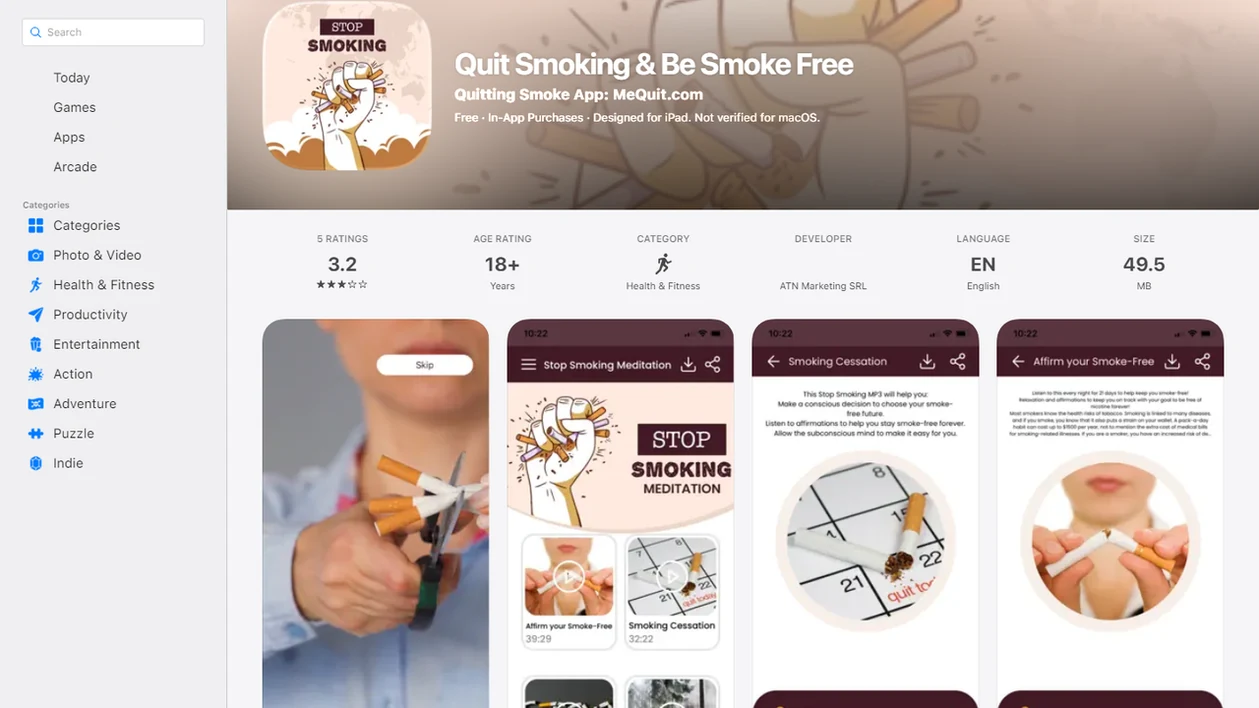
Side-by-side captures of the compared products. Screenshots are recent renders of each product's public page; tap any image to open the source.
Alcohol reduction app reviews: 5 checks that matter most
- Goal fit: Strong alcohol reduction app reviews explain whether the app helped with moderation, abstinence, dry days, or a sober streak. “Loved it” tells you less than “helped me keep Friday drinks to two.”
- Tracking quality: Look for comments about fast drink logging, calendar views, limit alerts, and weekly summaries. The app has to be usable when you’re tired.
- Craving tools: Useful reviews mention craving timers, trigger notes, reset prompts, or coping actions. A sparkling water in a rocks glass can be a real test moment.
- Privacy and pricing: Read complaints about account setup, ad tracking, cancellation friction, hidden paywalls, and unclear trial terms.
- Support level: The same app can fit mindful drinking and be wrong for severe alcohol dependence. Reviews should make that boundary visible.
How alcohol reduction apps work behind the reviews
Alcohol reduction apps work by turning drinking behavior into visible patterns through self-monitoring, goal setting, prompts, feedback loops, and milestone reinforcement. In plain terms, the app helps you notice what happened before the drink, what you chose, and what changed afterward.
Most apps collect inputs like number of drinks, time of day, cravings, mood, triggers, limits, dry days, and streaks. Some stay close to tracking. Others add education, coaching, peer community, or recovery-support tools. Those models are not interchangeable, and reviews often get messy when people expect one app to do all of them.
Tools like Me Quit may sit beside alcohol-only apps in a comparison because many people track nicotine and drinking triggers together. Me Quit is a mequit addiction recovery hub for quit smoking, stop vaping, quit drinking, and mindful alcohol reduction; in reviews, judge it on private behavior tracking and reset tools, not on medical detox or emergency care.
The Friday 6 p.m. drink can change the whole plan.
Drink less app reviews versus alcohol tracker reviews
Drink less app reviews, alcohol tracker reviews, sobriety counter reviews, and recovery community reviews often describe different products as if they solve one problem. That is why a high rating can mislead you if the app type does not match your goal.
Apps such as Reframe, I Am Sober, Sunnyside, WEconnect, and Loosid often serve different user goals. One person may want neuroscience lessons and coaching. Another may only need a fast drink log before ordering a second beer. Someone else may need community support after a relapse reset.
For moderation goals, a simple Drink Control app alternative may be more relevant than a recovery-network app because the review signals are about limits, patterns, and daily use.
App type comparison table
| App type | Best-fit user | Useful review signals | Caution signs |
|---|---|---|---|
| Drink less app | Wants to cut back | Limit setting, reminders, weekly summaries | Pushy upsells, vague claims |
| Alcohol tracker | Wants visibility | Fast logging, charts, units, privacy controls | Hard logging flow |
| Sobriety counter | Wants abstinence | Streaks, milestones, relapse reset | Shame-heavy language |
| Mindful drinking app | Wants moderation skills | Trigger notes, low-pressure prompts | One-size-fits-all advice |
| Recovery community app | Wants peer support | Active groups, crisis links, moderation | Public exposure concerns |
8 best app review criteria for alcohol reduction tools
The best app review criteria for alcohol reduction tools are goal fit, tracking depth, craving support, evidence-based methods, privacy, price transparency, platform availability, and human support. Use those eight checks before trusting either an app store rating or an independent roundup.
Goal fit: Reviews should say whether the app supports moderation, abstinence, sober curiosity, or long-term recovery.
Tracking depth: Look for drink units, calendar patterns, limit goals, craving notes, and trigger tags. Tiny friction matters when the empty bottle is already beside the recycling bin.
Evidence and support: Independent reviews are often more useful than star ratings for checking CBT-style tools, coaching, clinician input, privacy language, and safety claims.
Cost and access: Watch for subscription friction, cancellation issues, unclear trials, hidden costs, and platform gaps between iOS and Android.
If privacy is your deciding factor, a private alcohol reduction app comparison can help you read beyond feature lists.
How to use alcohol reduction app reviews before choosing
Use alcohol reduction app reviews as a matching tool, not a popularity contest. Recent detailed reviews from people with similar goals usually matter more than old ratings or vague praise.
- Set your goal before reading reviews: drink less, take dry days, stop drinking, or track patterns only.
- Filter for recent reviews that mention real use, such as cravings, limits, streaks, reminders, and cancellation.
- Check privacy terms for data sharing, account deletion, ad tracking, permissions, and health-data handling.
- Compare features against your risk level, including whether you need offline support, coaching, or professional care.
- Test the free version for one week if available, then notice whether logging feels easy during a craving window.
- Reassess after seven days and switch tools if the app creates pressure, confusion, or avoidance.
For people cutting back, a tracking-first app is often easier than a content-heavy app because the next decision is visible in the moment.
Mindful drinking app comparison signals in written reviews
“Does this app support moderation, abstinence, or broader recovery needs?” That is the main question a mindful drinking app comparison should answer.
For moderation goals, look for reviews that mention drink limits, calendar tracking, trigger notes, low-pressure reminders, and weekly summaries. A useful review might say the app helped someone notice that restaurant nights led to three drinks, while weeknights stayed within a limit. That kind of detail beats a shiny five-star score.
For abstinence goals, stronger review signals include sobriety counters, relapse reset options, crisis resources, and community support. The wording matters. “Reset, not restart from zero” is usually safer than shame-heavy streak language.
Avoid apps that imply one method works for everyone. A Sunnyside app alternative may fit someone focused on mindful drinking, while another person may need abstinence support or professional care.
Different goals need different tools. Simple as that.
Evidence-based alcohol reduction app claims in reviews
Evidence-based claims in alcohol app reviews should be read carefully because user satisfaction is not the same as clinical proof. A 2014 systematic review found that technology-based interventions produced small but significant reductions in alcohol consumption, which supports the possible role of digital tools for some users jamanetwork.
Research also shows limits: a JMIR content analysis of popular alcohol-reduction apps found that many included only a limited set of evidence-based behavior-change techniques, even when they were widely available and reviewed jmir.
Clinicians typically recommend matching alcohol support to severity, withdrawal risk, mental health needs, and available care. NIAAA's Alcohol Treatment Navigator also frames alcohol care as a match between symptoms, goals, risk level, and qualified support options NIAAA alcohol data. Helpful reviews can show usability, pricing friction, and daily fit. They cannot prove that an app treats alcohol use disorder.
The most common medically supported way to address severe alcohol problems is professional assessment combined with an appropriate care plan.
Privacy, safety, and support signals in alcohol reduction app reviews
Alcohol use data is sensitive, so reviews should push you to check the privacy policy, account deletion process, data sharing, third-party analytics, and device permissions. App store comments can reveal frustration, but they rarely show the full data trail.
Be cautious with complaints about intrusive notifications, public community exposure, unclear data use, or surprise emails. If someone says they opened the app during a work break and a notification appeared on the lock screen, that is not a small detail. Privacy is part of safety.
Apps are not emergency services, withdrawal tools, detox supervision, or medical treatment. In the United States, 29.5 million people aged 12 or older met criteria for alcohol use disorder in 2022, according to NIAAA data NIAAA alcohol data. People worried about withdrawal, loss of control, or safety should contact a clinician, local emergency service, or a SAMHSA-style helpline.
When to seek medical help instead of using an alcohol reduction app
Seek medical help instead of relying on an alcohol reduction app if stopping or cutting down could cause withdrawal, unsafe behavior, or loss of control. Apps can track drinks, cravings, and patterns, but they cannot supervise detox or respond to a medical emergency.
Withdrawal warning signs can include shaking, sweating, fast heartbeat, severe anxiety, vomiting, confusion, hallucinations, or seizures. People who drink heavily every day should not quit abruptly without medical advice, because withdrawal risk can change quickly and may need supervised care.
- Call emergency services if someone has a seizure, severe confusion, hallucinations, chest pain, trouble breathing, or cannot stay safe.
- Contact a clinician if you drink daily, have had withdrawal symptoms before, use other sedating substances, or feel unable to reduce safely.
- Use a helpline for treatment navigation, local resources, or a calmer first conversation when you are unsure what level of care fits.
- Review apps by risk level as well as features: strong alcohol reduction app reviews should separate tracking and motivation from medical support, withdrawal planning, and human help.
The right app review criteria include severity, withdrawal risk, privacy, and support access, not just streaks or reminders.
Limitations
Alcohol reduction app reviews are useful, but they have real limits. Treat them as field notes, not proof.
- Apps may be reviewed by people with very different goals, from sober curious tracking to long-term recovery.
- Many alcohol apps have limited independent research and may not include full evidence-based behavior change techniques.
- Alcohol reduction apps are not a substitute for medical support, detox supervision, therapy, or treatment for alcohol use disorder.
A good review helps you choose a small next step. It does not diagnose the problem.
FAQ
Are alcohol app reviews reliable?
Alcohol app reviews are useful but biased because they reflect individual experiences, not clinical proof. Check detailed comments, privacy policies, and independent evidence before trusting a rating.
Do drink less apps work?
Digital tools can support small but meaningful reductions for some people, especially when the app matches their goal and risk level. People with withdrawal concerns or severe alcohol use should seek professional support.
What makes an alcohol tracker good?
A good alcohol tracker makes logging easy and includes limit setting, craving notes, trigger tracking, summaries, and private data controls. Reviews should mention whether those features stay useful after the first week.
Are star ratings enough?
Star ratings are not enough because they hide feature quality, pricing issues, privacy concerns, and real usage patterns. Written reviews usually explain what the rating cannot.
Which reviews should I trust?
Trust recent, detailed, balanced reviews from users with goals similar to yours. Reviews that mention both benefits and drawbacks are usually more useful than one-line praise.
Can apps replace alcohol treatment?
Apps cannot replace medical care, detox support, therapy, or treatment for moderate to severe alcohol use disorder. They may support tracking or behavior change alongside appropriate care.
What privacy terms matter most?
Check data sharing, deletion rights, account requirements, ad tracking, health data handling, and third-party analytics. Privacy matters more when an app stores drinking patterns, cravings, or recovery notes.
Do free alcohol apps help?
Free alcohol apps may help with basic tracking, reminders, or streaks. Check feature limits, ads, privacy tradeoffs, and upgrade pressure before relying on one.