
How Alcohol Affects Your Skin and Appearance
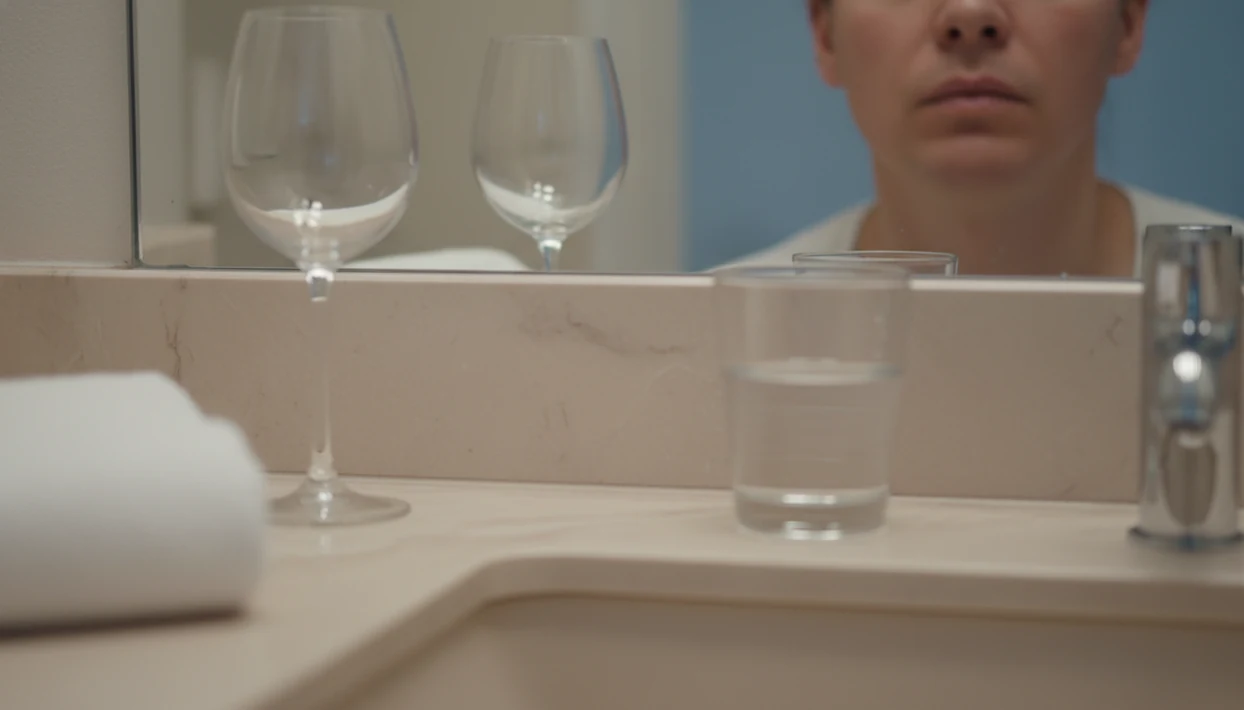
Alcohol can make skin look older by dehydrating it, increasing inflammation, worsening redness, triggering puffiness, and contributing to visible lines over time. The most common alcohol skin aging effects include dullness, under-eye swelling, broken-looking facial vessels, breakouts, and wrinkles that appear more noticeable after drinking.
Definition: Alcohol-related skin aging is the visible change in skin tone, texture, hydration, puffiness, redness, and facial firmness that can happen when drinking affects fluid balance, inflammation, blood vessels, nutrients, sleep, and collagen support.
TL;DR
- Alcohol dehydrates skin, which can make fine lines, dullness, and tired-looking texture more obvious.
- Heavy drinking has been associated with upper facial lines, under-eye puffiness, midface volume loss, and visible facial blood vessels.
- Cutting back or quitting often improves puffiness, redness, hydration, and skin brightness within weeks, although deep wrinkles and sun damage may not fully reverse.
Medical scope: This article is educational and does not diagnose skin disease, alcohol use disorder, liver disease, or withdrawal risk. If you have severe flushing, painful swelling, jaundice, rapidly worsening acne, or withdrawal symptoms when you cut back, contact a clinician promptly.
Alcohol Skin Aging Effects at a Glance
Quick answer: Alcohol may make skin look older for many people because it can dry out the skin, disrupt sleep, increase inflammation, and worsen redness or puffiness. Cutting back often improves hydration, facial swelling, and overall skin tone, but changes vary by drinking pattern, age, genetics, skin conditions, and overall health.
Key takeaways
- Skin often looks worse the day after drinking because dehydration and poor sleep can make lines, pores, and under-eye areas more noticeable.
- Regular heavy drinking may contribute to longer-term changes in skin texture, redness, and facial fullness.
- Rosacea, acne-prone skin, eczema, and sensitive skin may flare after alcohol, especially with certain drinks.
- Hydration and skin care can help, but they usually do not fully offset frequent alcohol exposure.
- If you drink daily or heavily, do not stop suddenly without medical advice because alcohol withdrawal can be dangerous.
- Tracking when you drink and how your skin looks can help reveal personal patterns.
Alcohol can affect appearance in several visible ways: dehydration, wrinkles, puffiness, redness, breakouts, dullness, dark circles, and visible facial vessels. Some changes show up after one night; repeated or heavy drinking tends to make the pattern easier to see.
The morning-after face is familiar. Skin feels tight, the under-eyes look swollen, and the mirror says “tired” before you do. Drinkaware reports that alcohol’s diuretic effect can dehydrate the skin every time you drink, making it look wrinkled, dull, grey, bloated, and puffy co alcohol data.
Small changes can be useful feedback, not shame. For adults using MeQuit to drink less, noticing less puffiness or brighter skin can become a tiny win that makes the next choice easier. More detail on the broader body effects sits in our alcohol effects on skin health guide.
Alcohol Skin Aging Mechanisms: Dehydration, Inflammation, and Sleep
Alcohol skin aging works through fluid loss, inflammation, blood-vessel changes, oxidative stress, poorer sleep, and disrupted nutrient support for repair. In plain language, alcohol makes skin less able to stay calm, hydrated, rested, and firm.
Alcohol is a diuretic, so your body loses more fluid. Skin can look less plump, and fine lines stand out more. Alcohol also causes vasodilation, which means facial blood vessels widen. That can show up as flushing, blotchiness, or redness around the cheeks and nose.
How alcohol skin aging effects work: the cue is drinking, the body response is fluid shift plus inflammation, and the visible reward is often a face that looks older the next day. Not a great reward.
Collagen and elastin help skin stay firm and springy. Alcohol does not single-handedly destroy them overnight, but repeated inflammation, oxidative stress, poor sleep, and nutrient disruption can strain the repair process. Water helps dehydration; it cannot fully cancel poor sleep, inflammation, or collagen stress. Sleep changes are covered more deeply in alcohol disrupts sleep cycle.
Alcohol and Wrinkles, Collagen, and Facial Firmness
Does alcohol cause wrinkles? Alcohol can make wrinkles look worse short term through dehydration, and heavy use is associated with longer-term visible aging signs, but alcohol is not the only cause of facial lines.
A 2019 study of 3,267 women found that heavy alcohol use, defined as eight or more drinks per week, was significantly associated with increased upper facial lines, under-eye puffiness, midface volume loss, and visible facial blood vessels compared with low alcohol use the NIH.
There are two patterns to separate. Temporary dehydration can make small creases look sharper after brunch with bottomless mimosas. Longer-term changes involve firmness, volume, and blood-vessel visibility, which may build over time with repeated exposure.
For alcohol and wrinkles, short-term fine-line changes are often hydration-related, while longer-term facial aging is more likely to involve collagen support, volume, vessels, and inflammation. Sun exposure, smoking, genetics, hormones, skincare, and nutrition still matter a lot.
Alcohol Puffy Face, Under-Eye Bags, and Bloating
Alcohol puffy face usually comes from a mix of dehydration, fluid shifts, inflammation, salty foods, poor sleep, and blood-vessel changes. It can happen even when your mouth feels dry and your face looks swollen at the same time.
Five useful facts:
- Alcohol can dehydrate the body, then trigger fluid shifts that collect in soft facial tissue.
- Salty bar food or late-night snacks can add to next-day swelling.
- Poor sleep makes under-eye bags more obvious, especially after fragmented REM sleep.
- Under-eye puffiness is also a researched facial aging marker associated with heavy alcohol use.
- The Irish Health Service Executive notes that regular heavy drinking can dehydrate skin and contribute to bloating and a puffy facial appearance hse alcohol data.
Temporary puffiness is not the same as permanent sagging. But they can overlap. Someone might wake with swollen under-eyes after a sticky bar table night, then notice that repeated swelling and poor recovery make facial definition look softer over time.
Alcohol Skin Dehydration, Dullness, and Dark Circles
Alcohol skin dehydration means the skin has less balanced water support, so the surface looks less plump and more tired. It can feel tight, flaky, grey, dull, or lined, even if you used moisturizer before bed.
Dehydrated skin often reflects what is happening inside, not just what is missing on the surface. The body prioritizes the brain, heart, and kidneys when fluid balance is off. Skin is lower on the list, so texture can look rough and flat.
Dark circles are not caused by one thing. Alcohol can contribute through dehydration, poorer sleep quality, vasodilation, and under-eye puffiness. The result is that shadowed, heavy look people often notice after drinking, especially if they also stayed up late scrolling in bed.
Drinkaware links alcohol to dull, grey, wrinkled-looking, bloated, and puffy skin, while the HSE also connects heavy drinking with dehydration, early aging, acne, bloating, and puffy appearance. The reward-system side of repeated drinking is explained in alcohol reward system changes.
Alcohol Breakouts, Redness, and Rosacea Flares
Alcohol does not cause all acne, but it can trigger breakouts in some people. The likely pathways include inflammation, sleep disruption, sugary mixers, hormone stress, immune effects, and skin-barrier strain.
If your skin breaks out after cocktails, the alcohol may not be acting alone. Sweet mixers, late food, makeup left on too long, and poor sleep can all stack together. The trigger map matters. Write down the drink, the setting, the next morning’s skin, and any stress cue.
Redness is another common issue. Alcohol widens blood vessels, which can cause flushing; the American Academy of Dermatology lists alcohol among common rosacea triggers, with red wine a frequent trigger for some people aad. No alcoholic drink is truly skin-safe if it reliably triggers your flushing.
Dermatologists generally suggest identifying personal triggers, protecting the skin barrier, and getting medical advice when redness, burning, or flushing becomes persistent. Mood and stress shifts can also matter, as covered in alcohol and serotonin levels.
Alcohol Skin Improvements After Cutting Back or Quitting
Cutting back or quitting alcohol often improves puffiness, hydration, brightness, redness flares, and tired-looking eyes. The first wins are usually fluid and sleep-related, not deep structural reversal.
The timing varies. Bloating and hydration shifts may improve within days. Tone, breakouts, and redness patterns often take weeks. Barrier repair, steadier routines, and collagen-supporting habits usually need months. A sober streak will not erase sun damage, but it can stop adding the same stressor again and again.
Here is how to use alcohol reduction for skin-focused feedback:
- Set a drink limit before the decision point, not after the first pour.
- Log the next-morning skin signal: puffiness, redness, breakouts, or dullness.
- Choose a replacement action when cravings hit, such as tea, gum, or a phone timer.
- Review weekly patterns instead of judging one night.
- Repair the streak after a slip by naming the trigger and restarting the plan.
Me Quit can help adults track cravings, alcohol-free streaks, drink-limit goals, and reset plans privately. It is not diagnosis, detox care, medical treatment, or a guaranteed cosmetic result. If app support fits your style, compare options in our best drink less app guide.
When to Seek Medical Help for Skin Changes or Alcohol Withdrawal
Seek medical help promptly if skin changes are sudden, painful, spreading, or paired with signs that suggest something deeper than a cosmetic reaction. A better-looking face after cutting back is encouraging, but appearance cannot rule out liver, allergy, infection, circulation, or medication-related causes.
Use this as a safety check before treating the mirror as the whole story:
- Call urgent care or emergency services if you notice yellow skin or eyes, sudden facial or leg swelling, trouble breathing, confusion, fever with a rash, or a painful rash that spreads quickly.
- Book dermatology care if redness, flushing, burning, visible vessels, or acne keeps returning, worsens despite basic skin care, or starts affecting your confidence and daily routine.
- Pause solo cutbacks and ask a clinician first if you drink heavily or daily and get shakes, sweats, racing heart, nausea, panic, insomnia, seizures, or hallucinations when you reduce.
- Plan a safer reduction with medical support if withdrawal risk is possible; tapering, medication, or supervised detox may be safer than willpower-only stopping.
- Keep tracking skin changes, but treat them as clues, not a diagnosis.
Limitations
Alcohol can affect skin appearance, but the research has limits. Most human facial-aging evidence is observational, which means it shows associations rather than proving alcohol alone caused every wrinkle, vessel, or under-eye change.
Keep these caveats in mind:
- There is no detox drink, cream, or supplement that reliably cancels out alcohol’s skin-aging effects.
- People with severe flushing, worsening rosacea, painful acne, jaundice, or sudden facial swelling should seek medical advice.
- If cutting back causes concerning withdrawal symptoms, get clinical support rather than trying to push through alone.
The mirror can give feedback. It cannot diagnose you.
FAQ
Does alcohol age your face?
Alcohol can make the face look older by contributing to dehydration, inflammation, puffiness, visible vessels, and collagen-support strain. Other factors, including sun exposure, smoking, genetics, and hormones, also affect facial aging.
Can alcohol cause wrinkles?
Alcohol can make fine lines look more visible through dehydration, and heavy use is associated with more facial lines in research. It does not cause every wrinkle by itself.
Why does alcohol cause puffy face?
Alcohol can cause puffy face through dehydration, fluid shifts, inflammation, salty foods, and poor sleep. Under-eye swelling is especially common after heavier drinking.
Does alcohol dehydrate your skin?
Yes, alcohol’s diuretic effect can dehydrate skin and make it look dull, tight, grey, or more lined. Drinking water may help, but it does not cancel all alcohol-related inflammation or sleep disruption.
Does alcohol cause breakouts?
Alcohol does not cause all acne, but it can trigger breakouts in some people. Possible reasons include inflammation, sleep disruption, sugary mixers, immune effects, and skin-barrier stress.
Does alcohol worsen rosacea?
Alcohol can trigger flushing and rosacea flares in many people, especially those already prone to redness. Persistent burning, swelling, or worsening redness should be discussed with a clinician or dermatologist.
Can skin recover after quitting alcohol?
Skin often looks less puffy, less dull, and better hydrated after cutting back or quitting alcohol. Deep wrinkles, scarring, visible vessels, and sun damage may be less reversible.
Which alcohol is worst for skin?
Red wine and sugary mixed drinks may trigger redness or breakouts for some people. All alcoholic drinks can dehydrate skin and contribute to inflammation, so no type is fully skin-safe.