How Alcohol-Triggered Neuroinflammation Affects Brain Fog, Mood, and Memory
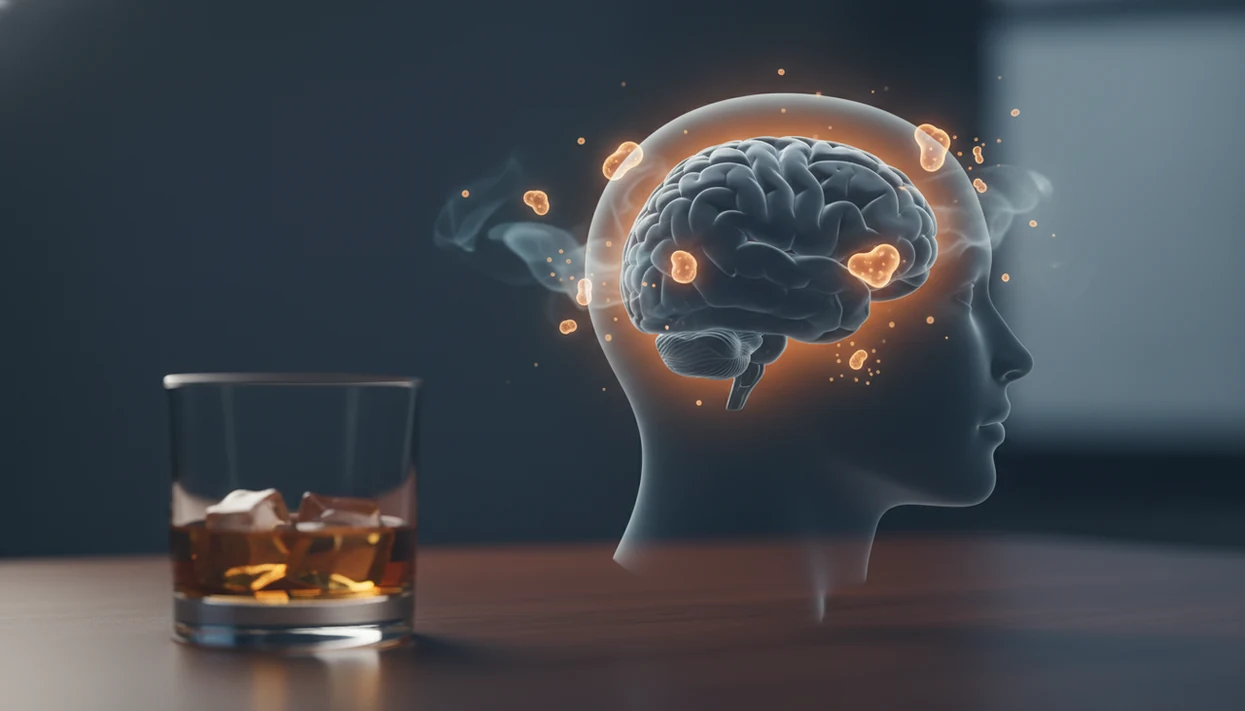
Alcohol can trigger immune activity in the brain, and alcohol neuroinflammation brain fog can show up as slow thinking, poor focus, anxiety, irritability, and low motivation. For some people it clears in a day or two, but repeated binge drinking or heavy drinking can make the fog last longer and may signal deeper alcohol-related brain stress.
> Definition: Alcohol-triggered neuroinflammation is brain immune activation, often involving microglia and inflammatory cytokines, that can interfere with mood, memory, attention, and stress regulation after drinking.
This article is educational and cannot determine whether your symptoms are caused by alcohol, inflammation, withdrawal, medication, or another medical condition. Seek urgent care for severe confusion, seizures, new weakness, poor coordination, eye-movement changes, or major memory loss.
TL;DR
- Alcohol can activate microglia, the brain’s immune cells, which release inflammatory cytokines linked to brain fog, mood changes, and cognitive strain.
- Next-day alcohol brain fog often improves within 24–72 hours, but frequent heavy drinking can contribute to longer-lasting inflammation, memory problems, and executive-function issues.
- Cutting back or quitting alcohol, protecting sleep, improving nutrition, and tracking cravings can help the brain recover, while severe confusion or persistent memory loss needs medical evaluation.
Alcohol Neuroinflammation Brain Fog: At-a-Glance Symptoms
Quick answer: Alcohol can often activate inflammatory signaling in the brain, which may contribute to brain fog, anxious mood, irritability, poor sleep, and low motivation after drinking. For many people, symptoms improve with rest, hydration, food, and alcohol-free time, but repeated heavy drinking may make cognitive and mood effects last longer.
Key takeaways
- Brain fog after drinking is not just tiredness; it may involve sleep disruption, dehydration, blood sugar shifts, and immune signaling.
- Binge drinking or frequent drinking often increases the chance of longer-lasting fog, low mood, and cravings.
- Alcohol-free days can help you notice whether focus, mood, and motivation improve.
- Tracking drinks, cravings, sleep, and triggers can reveal patterns that are hard to see from memory alone.
- Seek medical help before stopping suddenly if you drink heavily or have withdrawal symptoms such as shaking, sweating, seizures, confusion, or rapid heartbeat.
- Medication support may help some people reduce alcohol use and should be discussed with a clinician.
Alcohol-related brain fog is a cluster of cognitive and mood symptoms: mental haze, slow thinking, poor focus, word-finding trouble, weak short-term memory, low motivation, anxiety, irritability, and higher stress sensitivity.
It can feel like a normal hangover. But the “off” feeling may involve more than dehydration, bad sleep, or low blood sugar. Alcohol can activate immune signaling in the brain, which may affect attention, mood circuits, and working memory.
One night can leave a person staring at a calendar invite and rereading it three times. That usually fades. Repeated heavy drinking, however, raises the risk that fog becomes more frequent, more intense, or slower to clear.
The fog has a texture.
For some people, it’s the Monday morning after a weeknight pour after laptop shutdown, when the inbox looks louder than it should.
Five Facts About Alcohol Brain Inflammation Symptoms
- Alcohol can activate microglia. Microglia are brain immune cells, and alcohol exposure can push them to release pro-inflammatory cytokines in the brain and body.
- Alcohol brain inflammation symptoms can look emotional and cognitive. Poor focus, memory lapses, slow thinking, confusion, anxiety, low mood, and irritability may all show up.
- Neuroinflammation can feed craving. Inflammatory stress may worsen negative affect, and negative affect can increase the urge to drink again.
- Short-term fog often has a short window. After one drinking episode, many people improve within 24–72 hours, depending on sleep, dose, hydration, and sensitivity.
- Persistent or severe symptoms need more than self-tracking. Cutting back, quitting, sleep, nutrition, and stress support may help, but severe confusion or ongoing memory loss needs medical assessment.
For a broader brain-health context, the related question of alcohol neurodegenerative risk is separate from next-day fog.
Alcohol, Microglia, and Neuroinflammation Pathways
Alcohol-triggered neuroinflammation works through brain immune signaling, especially microglia activation and cytokine release. In plain terms, the brain’s alarm system gets more active after alcohol exposure.
For background, NIAAA explains that alcohol can disrupt brain communication pathways and affect mood, memory, and coordination: https://www.niaaa.nih.gov/publications/alcohol-and-brain-overview.
Microglia are not “bad cells.” They patrol the brain, clear debris, respond to injury, and help maintain neural health. The problem is tone and timing. Alcohol and alcohol-related stress signals can push microglia toward a more inflammatory state, especially with repeated heavy use, poor sleep, poor nutrition, or other health stressors.
Microglia activation after alcohol
After drinking, microglia may respond as if the brain is under threat. That response can be mild and temporary, or stronger with heavier exposure. Dose, frequency, genetics, sleep quality, and overall health all matter.
Cytokines and brain signaling
Cytokines are chemical messengers used by the immune system. When pro-inflammatory cytokines rise, they can affect neurons, synapses, mood circuits, and cognitive networks. Research links alcohol use with elevated pro-inflammatory cytokines in both the body and central nervous system.
Not every drink causes permanent damage. Still, the pattern matters.
Alcohol Cytokines, Mood Effects, and the Craving Loop
Does alcohol calm you down and then make anxiety worse later? For many people, yes. Alcohol may feel calming at first, but later it can increase anxiety, irritability, low mood, and stress reactivity.
Cytokine activity and neuroinflammation may be part of that rebound. The brain reads inflammatory stress as threat, which can make ordinary friction feel sharper. A small work message lands like criticism. A messy room feels unmanageable. Then the craving window opens.
The loop is simple: drinking increases inflammatory stress, inflammatory stress worsens mood, worse mood increases craving, and craving makes another drink feel like relief. Experimental and translational research indicates that alcohol-induced neuroinflammation contributes to increased alcohol intake, binge drinking, withdrawal-related anxiety, and negative affect.
For people cutting back, mindful reduction and craving tracking are practical supports, not medical treatment. Tools like Me Quit can help someone notice when anxiety, sleep loss, and drink urges cluster together.
Alcohol Brain Fog Timeline After Drinking
Next-day alcohol brain fog commonly improves over 24–72 hours after a single drinking episode. The timeline depends on how much someone drank, sleep disruption, dehydration, inflammation, food intake, stress, and individual sensitivity.
Next-day fog
| Timeline | What it may feel like | What usually helps |
|---|---|---|
| 0–24 hours | Slow thinking, headache, poor sleep, anxiety | Hydration, food, rest, no more alcohol |
| 24–72 hours | Lingering fog, low mood, weaker focus | Sleep consistency, light movement, alcohol break |
| Beyond 72 hours | Recurrent fog or memory concerns | Reduce alcohol load and consider medical input |
Persistent fog
Repeated binge drinking or heavy drinking can make fog more frequent and slower to resolve. Chronic heavy drinking is associated with reduced brain volume, white matter changes, and cognitive deficits in people with alcohol use disorder.
NIAAA reports that 29.5 million people aged 12 or older in the U.S. had alcohol use disorder in 2022: https://www.niaaa.nih.gov/alcohols-effects-health/alcohol-topics/alcohol-facts-and-statistics. Severe confusion, new neurological symptoms, or persistent memory loss should not be treated as a routine hangover. For recovery-focused reading, alcohol neurogenesis recovery covers how brain repair may unfold after reducing alcohol.
Alcohol Brain Inflammation Versus Hangover Fatigue
Hangover fatigue and alcohol-related neuroinflammation can overlap, but they are not the same thing. A hangover often includes poor sleep, dehydration, nausea, headache, blood sugar disruption, and general exhaustion.
| Pattern | Common signs | Why it matters |
|---|---|---|
| Hangover fatigue | Tiredness, headache, nausea, thirst, light sensitivity | Often improves with time, food, fluids, and sleep |
| Neuroinflammation-related fog | Poor working memory, low motivation, emotional reactivity, stress sensitivity | May signal immune and brain-network strain |
| Mixed pattern | Fog plus fatigue, anxiety, poor sleep, body aches | Common after heavier drinking |
A normal liver test does not prove the brain is unaffected by alcohol. Liver markers and cognitive symptoms measure different things. Still, don’t overdiagnose yourself from one rough morning.
If symptoms are severe, worsening, or persistent, medical input is the safer next step. Related triggers are covered in alcohol neurological triggers.
Alcohol Brain Fog Recovery Steps and Tracking Tools
The central recovery step is reducing the alcohol load, because ongoing exposure can keep the inflammatory cycle active. For many people with alcohol-related brain fog, an alcohol break is easier to interpret than “just drink less tonight” because it gives sleep, mood, and focus a clearer baseline.
Reduce the alcohol load
- Alcohol break: Take several alcohol-free days and compare focus, sleep, mood, and cravings.
- Sleep protection: Keep a steady bedtime, especially after social nights.
- Food and nutrients: Eat protein, whole grains, leafy greens, and B-vitamin-rich foods. Ask a clinician about thiamine if intake has been heavy.
- Stress regulation: Use walks, breathing, therapy, or support groups. Reducing smoking or vaping can also lower trigger load.
Track mood, sleep, and cravings
- Set a drink limit or alcohol-free window.
- Log the drink, sleep quality, mood, and next-day fog.
- Name the trigger when craving rises.
- Choose one coping action before deciding to drink.
- Review patterns weekly and reset the plan after a slip.
A private tracking tool can help you compare alcohol-free days, sleep quality, mood, cravings, and next-day focus. Use tracking for behavior patterns only; it is not a diagnosis, detox plan, or substitute for medical care.
Evidence Sources for Alcohol Neuroinflammation
The evidence is strongest that alcohol can disrupt brain communication, mood, memory, and coordination, and that immune signaling is one plausible pathway. The evidence is more cautious when turning that biology into a personal symptom timeline.
NIAAA’s public health summaries describe alcohol’s effects on brain pathways in humans, while peer-reviewed reviews describe microglia, cytokines, oxidative stress, and alcohol exposure across human, animal, and cell models. Those streams should not be treated as identical. Human clinical evidence can show patterns in cognition, imaging, biomarkers, alcohol use disorder, and recovery. Animal and lab evidence can show mechanisms more directly, such as microglial activation and inflammatory messenger changes, but it does not prove exactly what one person’s Monday brain fog means.
Use the evidence in layers:
- Separate clinical red flags from ordinary next-day fog.
- Treat 24–72 hour timelines as practical estimates, not diagnostic cutoffs.
- Compare symptoms across alcohol-free days, sleep quality, dose, and stress.
- Ask a clinician about severe, worsening, or persistent confusion, memory loss, poor coordination, seizures, or withdrawal symptoms.
Limitations
Alcohol neuroinflammation is a useful framework, but it has real limits.
- Cutting back helps many people, but heavy daily drinking can cause dangerous withdrawal. Clinicians typically recommend medical guidance before abrupt stopping when dependence is possible.
- Severe confusion, eye movement problems, poor coordination, or major memory loss may signal urgent conditions such as Wernicke-Korsakoff syndrome.
- Me Quit provides private behavior-change support and tracking, not diagnosis, detox, emergency care, or treatment for severe alcohol withdrawal.
If alcohol also affects overheating or sleep, alcohol night sweats may help connect the dots.
FAQ
Does alcohol cause brain inflammation?
Alcohol can activate microglia and increase inflammatory cytokine activity, especially with repeated heavy use. This immune signaling is one reason alcohol may affect mood, memory, and focus.
What does alcohol brain fog feel like?
Alcohol brain fog can feel like slow thinking, poor focus, word-finding trouble, memory lapses, anxiety, irritability, and low motivation. Some people describe it as being awake but mentally delayed.
How long does alcohol brain fog last?
After a single drinking episode, alcohol brain fog often improves within 24–72 hours. Persistent fog, repeated memory gaps, or worsening symptoms need medical attention.
Can moderate drinking cause brain fog?
Yes, some people feel brain fog after moderate drinking. Sleep disruption, inflammation, stress, medications, and individual alcohol sensitivity can all contribute.
Do microglia recover after quitting alcohol?
Microglia activity may calm after reducing or quitting alcohol, but recovery time varies. Drinking history, sleep, nutrition, age, and other health conditions affect the timeline.
Can alcohol cytokines affect mood?
Yes, inflammatory cytokines are linked with anxiety, low mood, irritability, stress reactivity, and craving. This may help explain why alcohol can feel calming first and destabilizing later.
Is alcohol brain fog permanent?
Many cases improve after cutting back or quitting alcohol. Chronic heavy drinking can cause longer-term, and sometimes lasting, cognitive injury.
When is brain fog after drinking dangerous?
Brain fog is dangerous when it includes severe confusion, major memory loss, poor coordination, eye movement changes, seizures, or withdrawal symptoms. Heavy daily drinkers should get medical guidance before stopping abruptly.