
How Alcohol Can Damage the Pancreas
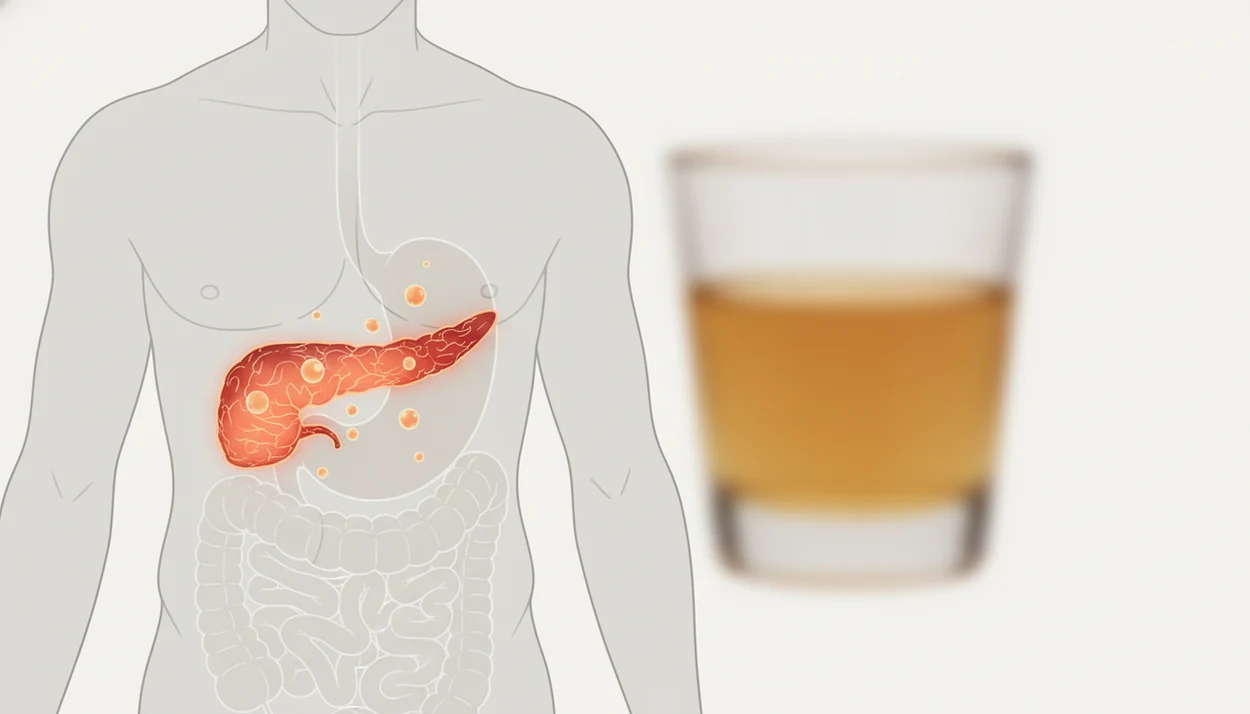
Alcohol and pancreatic damage can happen when drinking inflames pancreatic tissue, disrupts digestive enzymes, and progresses to scarring, chronic pancreatitis, pancreatic failure, or tissue death. Heavy or long-term drinking raises the risk most, but genetics, smoking, gallstones, and other health factors influence who develops serious injury.
Definition: Alcohol-related pancreatic damage is injury to the pancreas caused or worsened by alcohol exposure, ranging from acute inflammation to chronic scarring, loss of enzyme or insulin function, and pancreatic necrosis.
TL;DR
- Alcohol and gallstones are the two most common causes of acute pancreatitis, and alcohol is a major driver of chronic pancreatitis.
- Warning signs can include severe upper abdominal pain, nausea, vomiting, weight loss, oily stools, and diabetes-like symptoms.
- If pancreatitis or significant pancreatic damage has occurred, medical sources generally advise avoiding alcohol completely rather than drinking moderately.
Alcohol and pancreatic damage at a glance
Quick answer: Alcohol can injure the pancreas by promoting inflammation, abnormal enzyme activation, and scarring over time. For many people with pancreatic pain or pancreatitis, stopping alcohol is recommended because continued drinking may increase the chance of recurrent attacks and long-term damage.
Key takeaways
- New or worsening upper abdominal pain after drinking should be taken seriously, especially if it radiates to the back.
- Alcohol-related pancreas problems can occur alongside smoking, gallstones, high triglycerides, or medication-related risks.
- After pancreatitis, many clinicians advise avoiding alcohol rather than simply cutting back.
- Track drinking patterns, cravings, and triggers to identify situations that make alcohol use harder to control.
- Do not stop heavy daily drinking suddenly without medical advice; withdrawal can be dangerous and may need supervised care.
- Pancreatic symptoms deserve medical evaluation because pain severity does not always match injury severity.
Alcohol can inflame the pancreas, scar it over time, and impair its ability to make digestive enzymes and insulin. The main alcohol-related outcomes are acute pancreatitis, chronic pancreatitis, pancreatic failure, and pancreatic necrosis.
A single episode of pain after drinking does not prove pancreatic injury. A late meal, gastritis, reflux, gallbladder disease, or another condition can feel similar. Still, severe upper abdominal pain, repeated vomiting, fever, or symptoms that keep returning need medical evaluation.
The practical takeaway is simple but not casual: if alcohol reliably precedes pain or digestive symptoms, reduce exposure while getting checked. For a wider body-system view, alcohol-related pancreatic injury fits within broader alcohol organ damage, but the pancreas has its own risks and warning signs.
Pain changes the calculation.
Five facts about alcohol-related chronic pancreatitis risk
- Fact 1: Alcohol and gallstones are the two most common causes of acute pancreatitis, according to the National Institute of Diabetes and Digestive and Kidney Diseases: https://www.niddk.nih.gov/health-information/digestive-diseases/pancreatitis/symptoms-causes. Either can trigger sudden pancreatic inflammation that needs medical care.
- Fact 2: Alcohol misuse accounts for about 70–80% of chronic pancreatitis cases in Western Europe, according to Drinkaware’s summary of clinical evidence: https://www.drinkaware.co.uk/facts/health-effects-of-alcohol/effects-on-the-body/alcohol-and-pancreatitis.
- Fact 3: Repeated pancreatic inflammation can leave permanent scarring. Over time, that scarring may reduce digestive enzyme output and impair insulin production.
- Fact 4: Very heavy long-term drinking, often described as around five or more drinks per day over years, is the pattern most associated with alcohol-induced chronic pancreatitis. Even at that level, fewer than 5% develop it, which shows that risk is not evenly distributed.
- Fact 5: After pancreatitis or clear pancreatic damage, medical sources strongly advise stopping alcohol rather than testing a “safe” amount. The safest common recommendation after pancreatitis is complete alcohol avoidance because recurrence can worsen scarring and function loss.
How alcohol damages the pancreas
Alcohol-related pancreatic damage is a process in which alcohol exposure disrupts pancreatic ducts, injures enzyme-making cells, and can turn short-term inflammation into chronic scarring.
The pancreas has two main jobs. It makes digestive enzymes that help break down food, and it makes hormones such as insulin that help control blood sugar. Alcohol can make pancreatic secretions thicker, irritate small ducts, injure acinar cells, and promote premature enzyme activation. In plain terms, enzymes may become active too early, while still inside or near the pancreas.
Acute pancreatitis is sudden inflammation. Chronic pancreatitis is repeated or ongoing injury that becomes fibrosis, meaning scar tissue. That distinction matters when someone says, “My liver tests were fine.” Pancreatic damage is not the same as liver damage, and a normal liver-focused conversation does not rule it out. The sticky bar table under fingertips may feel like last night’s problem, but recurring pain after drinking belongs in a medical visit.
Alcohol pancreatitis symptoms and warning signs
“Are my symptoms after drinking a sign of pancreatitis?” They might be, but symptoms alone cannot diagnose pancreatitis, and severe symptoms should be treated as urgent.
Acute pancreatitis often causes severe upper abdominal pain. The pain may spread to the back and may come with nausea, vomiting, fever, rapid pulse, and abdominal tenderness. Some people feel worse after eating. Others cannot keep fluids down.
Chronic pancreatitis can look less dramatic but still serious. Recurring pain, weight loss, poor appetite, greasy or oily stools, bloating, and fatigue can suggest worsening pancreatic function. These symptoms overlap with other digestive conditions, which is why testing matters.
Emergency cues include severe persistent pain, repeated vomiting, fainting, fever, jaundice, confusion, or signs of dehydration. A person standing in the bathroom at 2 a.m. after vomiting for the fourth time should not try to solve this with internet sorting. Urgent care is the safer path, especially when alcohol use and upper abdominal pain cluster together.
When to seek urgent medical care for pancreatic symptoms
Seek urgent medical care for severe, persistent upper abdominal pain, especially if it spreads to the back or follows drinking. Pancreatitis cannot be confirmed by symptom matching at home; it needs clinical assessment and testing.
Warning signs become more serious when pain comes with repeated vomiting, fever, jaundice, fainting, confusion, dehydration, or a racing pulse. These symptoms can overlap with gallbladder disease, infection, ulcers, liver problems, and other conditions, which is exactly why guessing is unsafe. A clinician may need blood tests, imaging, vital signs, and an exam to decide what is happening and how quickly it needs treatment.
- Call emergency services or go to urgent care for severe persistent pain, fainting, confusion, jaundice, fever, or repeated vomiting.
- Avoid alcohol while symptoms are being evaluated, unless a clinician gives different instructions.
- Tell the clinician honestly about drinking pattern, last drink, medications, gallstones, triglycerides, and prior pancreatitis.
- Ask for withdrawal guidance before stopping alcohol suddenly if dependence is possible, because withdrawal can be medically risky.
Alcohol pancreatic failure symptoms and long-term effects
Pancreatic failure usually means the pancreas has lost enough function to affect digestion, blood sugar control, or both. In chronic alcohol-related injury, this can follow years of inflammation and scarring.
Exocrine pancreatic insufficiency means the pancreas does not make or release enough digestive enzymes. Symptoms can include greasy or oily stools, pale bulky stools, bloating, unexplained weight loss, malnutrition, and deficiencies in fat-soluble vitamins. A person may be eating but still losing weight.
Endocrine dysfunction means insulin-producing function is impaired. This can contribute to diabetes-like symptoms, including thirst, frequent urination, fatigue, and blood sugar problems. It is not just “bad digestion.”
Scarring and lost pancreatic function may not fully reverse after alcohol stops. However, stopping alcohol may reduce further injury and lower the chance of additional flares. The same risk-reduction logic appears in other alcohol-related nerve and organ discussions, including alcohol optic neuropathy, where stopping exposure is part of protecting remaining function.
Alcohol pancreatic necrosis and severe pancreatitis
Pancreatic necrosis is death of pancreatic tissue after severe inflammation damages blood flow or causes intense tissue injury. It is one of the feared complications of severe acute pancreatitis.
Necrosis can remain sterile, or it can become infected. Infected necrosis can lead to sepsis, organ failure, prolonged hospitalization, and ICU-level care. This is not a self-monitoring situation. Severe pancreatitis requires urgent medical evaluation and hospital management.
Mayo Clinic has cited CDC mortality data showing that U.S. deaths from alcohol-induced acute pancreatitis increased by 50% between 2019 and 2020: https://newsnetwork.mayoclinic.org/. That statistic does not mean every episode of alcohol-related abdominal pain is necrosis. It does show why severe pain after drinking deserves caution.
The abdomen gets quiet between waves sometimes.
Do not use that quiet period as proof the danger has passed. Fever, confusion, fainting, jaundice, dehydration, or relentless pain should prompt emergency care. More detail on downstream risks is covered in alcohol and pancreatitis complications.
Alcohol chronic pancreatitis versus other pancreas risks
Alcohol increases chronic pancreatitis risk, but chronic pancreatitis is not simply “an alcohol disease.” Gallstones, smoking, genetics, high triglycerides, medications, autoimmune disease, and idiopathic cases all matter.
| Risk factor | How it relates to pancreatic injury | Important nuance |
|---|---|---|
| Alcohol | Can trigger acute inflammation and contribute to chronic scarring | Not everyone who drinks heavily develops chronic pancreatitis |
| Gallstones | Can block pancreatic drainage and trigger acute pancreatitis | Common even in people who do not drink |
| Smoking | Associated with worse pancreatic outcomes and progression | Often confounds alcohol studies |
| Genetics | Can raise susceptibility to pancreatitis | May explain disease at lower alcohol exposure |
| High triglycerides | Can trigger acute pancreatitis when very elevated | Needs medical management |
| Medications | Some drugs are linked to pancreatitis | Risk varies by medication and person |
| Autoimmune disease | Can inflame the pancreas through immune activity | Treatment pathway differs |
| Idiopathic cases | No clear cause is found | “Unknown” does not mean “not real” |
Smoking deserves special mention because it can modify risk and worsen outcomes. A back-step cigarette during work stress may seem separate from drinking, but the pancreas does not separate exposures as neatly as a habit log does.
How to use alcohol reduction after pancreatic symptoms
Use alcohol reduction as a safety step while you get symptoms assessed, not as proof that the problem is minor. If a clinician has told you to avoid alcohol after pancreatitis or pancreatic damage, treat abstinence as the goal rather than testing moderation.
- Get checked before labeling recurring upper abdominal pain, vomiting, or next-day digestive distress as a hangover. Pancreatic, gallbladder, ulcer, and liver problems can overlap.
- Record patterns for at least a few weeks: drink amount, timing, meals, pain location, nausea, stool changes, sleep, and how you feel the next day.
- Remove cues that make drinking automatic, such as bottles at home, favorite glassware, mixers, delivery apps, or the route that passes the usual bar.
- Set abstinence if medical advice is no alcohol, and write that rule somewhere visible before the next craving or social plan appears.
- Arrange support for follow-through, whether that means a clinician, peer group, trusted person, or private tracking tool that helps you notice streaks, slips, and triggers.
Drinking less after pancreatic pain or pancreatitis
Anyone with pancreatitis or significant pancreatic damage is generally advised to avoid alcohol completely. If symptoms suggest pancreatitis, the first step is medical evaluation, not a private experiment with cutting back.
How to use alcohol reduction after pancreatic symptoms:
- Get evaluated for severe, persistent, or recurring upper abdominal pain before assuming it is a routine hangover.
- Track drinks with date, amount, setting, and symptoms the next day.
- Identify triggers such as the patio table with ashtray and pint, late meals, stress, or social pressure.
- Set alcohol-free days or a full abstinence goal if a clinician has advised no alcohol.
- Remove cues from the home, including leftover bottles, mixers, and glassware tied to routine drinking.
- Plan support through a clinician, trusted person, or private tracking tool.
Me Quit can support adults who want to reduce alcohol, quit smoking, stop vaping, and track cravings, streaks, and milestones. It is a private habit-tracking tool, not a diagnostic service, detox program, or substitute for emergency care. For phone-based behavior options, the alcohol reduction guides can help organize next steps.
Limitations
This guide summarizes population-level evidence. It is not a diagnosis, treatment plan, detox protocol, or substitute for urgent medical care.
- No supplement, detox drink, cleanse, or special diet reliably prevents alcohol-related pancreatic injury if drinking continues.
- Mild hangover symptoms after two extra drinks are not the same as alcohol withdrawal or pancreatitis, but severe pain or repeated vomiting changes the risk picture.
- People with possible alcohol dependence should ask a clinician about safe withdrawal support before stopping suddenly.
For people comparing private tracking options, a best drink less app guide can be useful, but medical symptoms need medical care.
FAQ
How does alcohol damage the pancreas?
Alcohol can thicken pancreatic secretions, irritate ducts, injure enzyme-producing cells, and promote early activation of digestive enzymes. Repeated injury can lead to chronic inflammation, scarring, and loss of pancreatic function.
What are the signs of alcohol-related pancreatitis?
Common signs include severe upper abdominal pain, pain spreading to the back, nausea, vomiting, fever, rapid pulse, and abdominal tenderness. Severe or persistent symptoms need urgent medical evaluation.
Can pancreatitis from alcohol heal?
Acute inflammation may improve with treatment and complete alcohol avoidance. Chronic scarring and lost pancreatic function may not fully reverse.
Can I drink alcohol after pancreatitis?
Medical guidance generally recommends no alcohol after pancreatitis or significant pancreatic damage. Even small amounts may raise the risk of another flare in susceptible people.
What is pancreatic necrosis?
Pancreatic necrosis is tissue death caused by severe pancreatitis. It can become infected and may be life-threatening.
What are pancreatic failure symptoms?
Symptoms can include oily stools, weight loss, malabsorption, vitamin deficiencies, thirst, frequent urination, and blood sugar problems. These can reflect loss of digestive enzyme output, insulin function, or both.
Can moderate drinking cause pancreatitis?
Evidence on moderate drinking is mixed, and risk varies by genetics, smoking, gallstones, triglycerides, and prior pancreatitis. After pancreatitis, the advice usually shifts toward complete alcohol avoidance.
Is pancreatitis a liver problem?
No. Pancreatitis affects the pancreas, although alcohol can harm both the pancreas and liver.