
How Alcohol Can Lead to Pancreatitis Complications
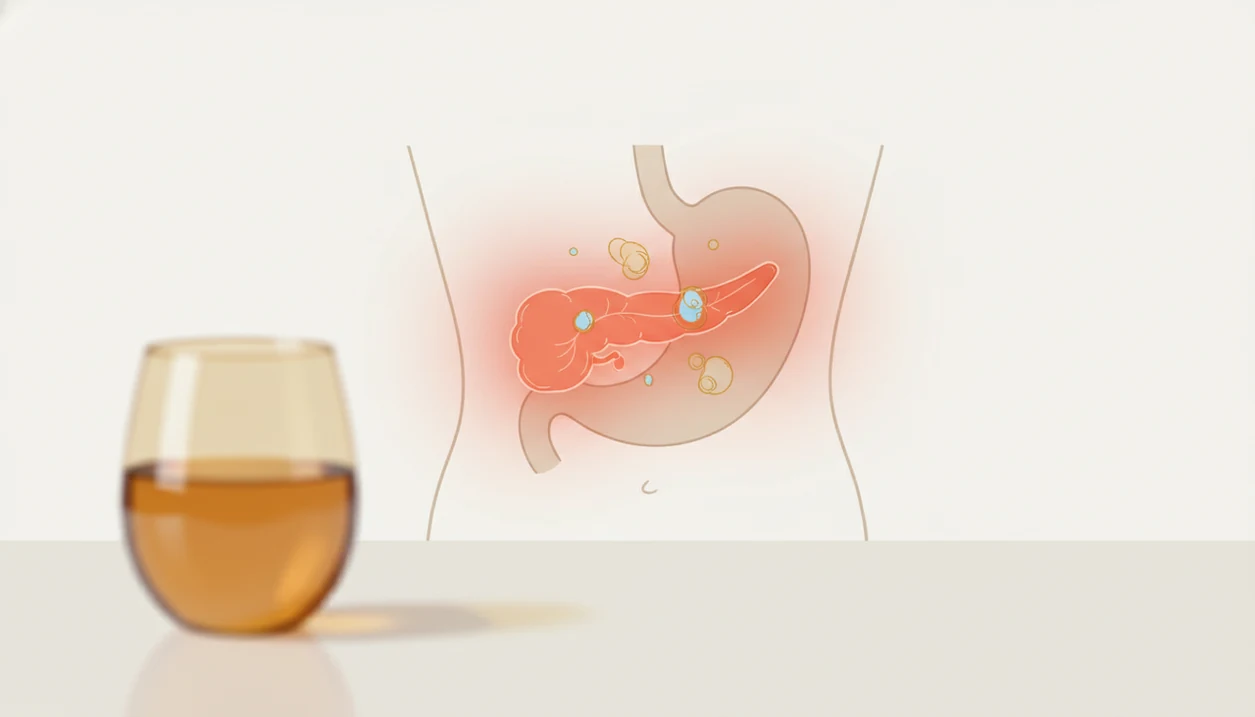
The topic of alcohol and pancreatitis complications matters because heavy or repeated drinking can inflame pancreatic tissue, trigger acute pancreatitis, and contribute to chronic damage over time. Serious complications can include infection, tissue death, organ failure, long-term pain, and blood sugar problems.
> Definition: Alcohol-related pancreatitis is inflammation or injury of the pancreas that is caused or worsened by alcohol exposure, especially heavy or long-term drinking.
Medical scope: This article is educational and cannot diagnose pancreatitis, determine whether alcohol caused symptoms, or tell you whether it is safe to drink. Severe upper abdominal pain, persistent vomiting, fever, faintness, or confusion should be treated as urgent medical symptoms.
TL;DR
- Alcohol can irritate pancreatic cells and activate digestive enzymes too early, which can make the pancreas inflame and injure itself.
- Heavy alcohol use is a major cause of acute pancreatitis and one of the leading causes of chronic pancreatitis, but gallstones, triglycerides, smoking, and genetics can also matter.
- After pancreatitis, many clinical sources advise complete alcohol avoidance rather than simply drinking less, because repeat exposure can raise the risk of flare-ups and permanent damage.
Alcohol and pancreatitis complications at a glance
Quick answer: Alcohol can irritate and inflame the pancreas, and for some people heavy or repeated drinking may trigger pancreatitis or worsen existing pancreatic injury. Complications can be serious, including infected fluid collections, tissue damage, organ stress, long-term pain, and blood sugar problems.
Key takeaways
- Avoiding alcohol after pancreatitis is often recommended because drinking may raise the chance of another attack.
- Severe upper abdominal pain, repeated vomiting, fever, faintness, or confusion should be treated as urgent symptoms.
- Pancreatitis risk is not based on alcohol alone; gallstones, triglycerides, medications, genetics, and other factors can contribute.
- Cutting down may help some people reduce risk, but prior alcohol-related pancreatitis often requires a stricter medical plan.
- People who drink heavily should ask a clinician before stopping suddenly because alcohol withdrawal can be dangerous.
- Tracking urges, triggers, and drinking patterns can make conversations with a doctor more accurate.
Alcohol can cause or worsen pancreatitis by inflaming and injuring the pancreas, the organ that helps digest food and regulate blood sugar. Acute pancreatitis means sudden inflammation, while chronic pancreatitis means ongoing or repeated injury that can leave permanent scarring.
Clinical summaries often describe alcohol as the second-most common cause of acute pancreatitis and the number one cause of chronic pancreatitis, according to an NCBI review the NIH. That does not mean every person who drinks will develop pancreatitis. Risk is shaped by dose, biology, smoking, nutrition, and other conditions.
The complications are why this topic deserves care. Severe pancreatitis can lead to infection, tissue damage, organ failure, chronic pain, and a higher risk of diabetes. The first warning may not be subtle; it can feel like upper abdominal pain that will not let you stand straight.
Five facts about alcohol pancreas inflammation
- Heavy drinking is a major risk factor for both acute and chronic pancreatitis. In western Europe, Drinkaware reports heavy drinking as the single most important risk factor for chronic pancreatitis and responsible for 70 to 80% of cases co alcohol data.
- Alcohol can injure pancreatic cells. Alcohol and its byproducts can stress the pancreas and contribute to digestive enzymes activating too early.
- Repeat drinking after an attack can raise recurrence risk. For many people, another drink is not just “back to normal.” It may become another trigger for inflammation.
- Alcohol is not the only cause. Gallstones, high triglycerides, smoking, genetic factors, medications, trauma, and autoimmune disease can also contribute.
- After pancreatitis, alcohol avoidance is commonly advised. Many clinical sources recommend complete abstinence rather than moderation after diagnosis.
A half-poured wine glass on the counter can look harmless. After pancreatitis, it may represent a real medical risk.
How alcohol pancreas inflammation works
Alcohol pancreas inflammation works by stressing pancreatic cells, disrupting enzyme control, and triggering an inflammatory response inside an organ built for digestion and blood sugar regulation.
The pancreas normally releases digestive enzymes into the small intestine, where they help break down food. With pancreatitis, those enzymes can activate too early. In plain language, the pancreas may start damaging itself before the enzymes ever reach the intestine.
Alcohol and its metabolites can injure acinar cells, which are enzyme-producing pancreatic cells. They may also affect duct cells, oxidative stress, and inflammatory signaling. Those terms sound technical, but the lived effect is simple: pain, swelling, and tissue injury in a place that does not tolerate injury well. For a clinical overview of pancreatitis causes, symptoms, and complications, see the National Institute of Diabetes and Digestive and Kidney Diseases NIDDK.
Susceptibility varies. Two people can drink similar amounts and have different outcomes because genetics, smoking, nutrition, gallstones, triglycerides, and other health factors change the risk. For broader background on related tissue injury, our guide to alcohol and pancreatic damage explains the damage pathway in more detail.
Can alcohol cause pancreatitis attacks?
Can alcohol cause pancreatitis? Yes, heavy or repeated alcohol use can cause acute pancreatitis, although it is not guaranteed and other causes can be involved.
Acute pancreatitis is sudden inflammation of the pancreas. It may need urgent medical care, especially when pain is severe or the person cannot keep fluids down. Common warning signs include severe upper abdominal pain, pain that spreads to the back, nausea, vomiting, fever, rapid pulse, and abdominal tenderness.
Do not wait out severe symptoms at home. Seek urgent care for severe abdominal pain, persistent vomiting, faintness, fever, confusion, or signs of dehydration.
A CDC-linked report cited by Mayo Clinic said deaths from alcohol-induced acute pancreatitis increased by 50% between 2019 and 2020 Mayo Clinic alcohol data. That rise does not prove what will happen to one person, but it shows why alcohol-related attacks are taken seriously.
When to seek urgent medical care for pancreatitis symptoms
Seek urgent medical care right away for severe upper abdominal pain, especially if it is intense, persistent, or spreads toward the back. Pancreatitis can become serious quickly, and symptoms cannot be safely sorted out by reading online.
Vomiting, fever, faintness, confusion, or signs of dehydration raise the concern further. Dehydration can look like very little urination, dry mouth, racing heartbeat, dizziness, or being unable to keep fluids down. These signs matter because pancreatitis can involve infection, fluid loss, tissue damage, or stress on other organs.
If pancreatitis is possible:
- Get emergency or same-day medical care for severe upper abdominal pain or worsening symptoms.
- Tell the clinician about recent alcohol use, gallbladder history, medications, triglycerides, and any previous pancreatitis.
- Expect evaluation with blood tests and, when needed, imaging such as ultrasound or CT to confirm the diagnosis and look for complications.
- Avoid trying to rule out infection, necrosis, or organ complications on your own. An article can describe warning signs, but it cannot examine you, check labs, or see what is happening inside the abdomen.
Acute versus chronic alcohol-related pancreatitis complications
Acute pancreatitis is a sudden inflammatory attack; chronic pancreatitis is ongoing or repeated pancreatic injury that can lead to scarring and permanent loss of function. Recurrent alcohol exposure can contribute to repeat attacks, and repeated attacks can push the pancreas toward chronic damage.
| Feature | Acute pancreatitis | Chronic pancreatitis |
|---|---|---|
| Main pattern | Sudden inflammation | Ongoing or repeated injury |
| Alcohol role | Can trigger an attack, especially after heavy use | Can contribute to scarring over time |
| Serious complications | Infected fluid collections, necrosis, sepsis, respiratory failure, kidney failure | Chronic pain, malabsorption, weight loss, diabetes, calcification |
| Long-term concern | Recurrence after the first attack | Reduced quality of life and permanent pancreatic damage |
For people with recurrent symptoms, the most common medically supported prevention step is removing alcohol exposure while clinicians evaluate other causes and complications.
A Friday 6 p.m. drink can make a cigarette feel automatic for some people. That pairing matters because smoking can compound pancreatic risk.
Alcohol pancreatic infection and tissue damage risks
Pancreatic necrosis means severely damaged or dead pancreatic tissue. In severe pancreatitis, damaged tissue and fluid collections can become infected, which makes the condition more dangerous.
This is not alcohol “touching” the pancreas and causing infection directly. Infection is a complication of pancreatitis, especially when tissue has been injured badly enough that bacteria can grow in or around it.
Warning signs that need urgent evaluation include worsening pain, fever, chills, confusion, low blood pressure, faintness, or inability to keep fluids down. The rain-specked windshield during a smoke break is not the time to bargain with worsening abdominal pain. Get checked.
Infected necrosis may require hospital care, antibiotics, drainage, or procedures. Only a medical team can determine what is happening through examination, labs, and imaging. An article can explain the pattern, but it cannot diagnose the cause of pain.
Drinking less, pancreas health, and abstinence after pancreatitis
Drinking less can support overall health and reduce alcohol-related strain for people without diagnosed pancreatitis. It may also reduce risks connected to sleep, blood pressure, liver strain, and injuries, which is why gradual alcohol reduction can be a useful goal for many adults.
After pancreatitis, the advice is usually stricter. Many medical sources advise complete alcohol abstinence rather than moderation, because continued drinking can raise the risk of recurrent attacks, chronic pancreatitis, and complications. Stopping alcohol may reduce future harm, but it may not reverse existing pancreatic damage.
Tools like Me Quit can support private behavior change by helping adults stop smoking, stop vaping, drink less, and track cravings, streaks, and milestones. That support is for habit tracking and day-by-day follow-through, not medical treatment for pancreatitis.
Good alcohol reduction tools deliver craving logs, drink-limit tracking, dry-day streaks, and reset prompts, not diagnosis, detox care, or a replacement for a clinician.
Other pancreatitis causes besides alcohol
Alcohol is a major pancreatitis risk factor, but it is not the only cause. A University of Miami Health System summary reports excessive alcohol consumption is associated with 40 to 70% of pancreatitis cases, which also means many cases involve other drivers umiamihealth.
- Gallstones: Stones can block pancreatic drainage and trigger acute inflammation.
- High triglycerides: Very high blood fat levels can inflame the pancreas.
- Medical and immune causes: Certain medications, autoimmune disease, infections, trauma, anatomical issues, and genetic factors can play a role.
- Smoking: Tobacco can compound pancreatic risk and worsen the overall risk picture.
Two people can drink similar amounts and have different outcomes. Biology is uneven. Co-factors matter.
Do not self-diagnose the cause based only on drinking history. Clinicians typically recommend evaluation for gallstones, triglycerides, medication effects, and other causes when pancreatitis is suspected. Our alcohol organ damage guide covers how alcohol risk can overlap with other body systems.
How to use this information if alcohol may be involved
Use this information as a safety prompt, not a way to decide at home whether alcohol caused pancreatitis. If symptoms are severe, worsening, or hard to explain, medical evaluation comes before tracking, cutting back plans, or waiting to see what happens.
- Call urgent care, emergency services, or a same-day clinician for severe upper abdominal pain, persistent vomiting, fever, faintness, confusion, dehydration, or symptoms that are getting worse.
- Tell clinicians plainly how much you drink, when you last drank, and whether there were recent binges. This is medical information, not a character test, and it can change the evaluation.
- Ask whether gallstones, high triglycerides, medications, smoking, autoimmune disease, or other causes should be checked, even if alcohol seems like an obvious factor.
- Avoid alcohol until a clinician who knows your labs, imaging, diagnosis, and health history gives personalized guidance.
- Use tracking tools only for behavior support, such as drink logs, dry-day streaks, cravings, and reminders. Do not use an app to diagnose pancreatitis, manage withdrawal, or replace detox care.
Limitations
This page explains alcohol-related pancreatitis risk, but it cannot tell you what caused your symptoms or what is safe for your body.
- Alcohol is not the only cause of pancreatitis, and other causes require medical evaluation.
- Cutting down may help general health, but it may not be enough after a pancreatitis diagnosis.
- This article is educational and is not a diagnosis, detox plan, or personalized medical plan.
If severe abdominal pain is present, the small next step is medical evaluation, not another hour of online searching. For general behavior-change reading, our alcohol reduction guides cover cravings, limits, and reset planning.
FAQ
Can alcohol cause pancreatitis?
Yes. Heavy or long-term alcohol use can cause or worsen pancreatitis, especially when drinking is repeated over time. Other causes, including gallstones and high triglycerides, can also be responsible.
What are alcohol pancreatitis symptoms?
Acute symptoms can include severe upper abdominal pain, back-radiating pain, nausea, vomiting, fever, rapid pulse, and tenderness. Chronic pancreatitis may cause ongoing pain, weight loss, greasy stools, and blood sugar problems. Severe pain, persistent vomiting, confusion, faintness, or fever needs urgent medical care.
Can pancreatitis become infected?
Yes. In severe pancreatitis, damaged pancreatic tissue or fluid collections can become infected. This may require hospital care, antibiotics, drainage, or procedures.
Can pancreatitis go away?
Mild acute pancreatitis may improve with medical treatment and removal of the trigger. Chronic pancreatitis can cause lasting damage, recurrent pain, digestive problems, and diabetes risk.
Can I drink after pancreatitis?
Many medical sources advise avoiding alcohol completely after pancreatitis. A clinician who knows your diagnosis, imaging, labs, and overall health should guide your plan.
Is moderate drinking safe after pancreatitis?
Moderation is often not considered reliable protection after a pancreatitis diagnosis. Even smaller amounts may increase recurrence risk for some people.
Does alcohol-free beer count?
Some alcohol-free or non-alcoholic beers still contain small amounts of alcohol. People with pancreatitis should ask a clinician whether these products are safe for them.
What else causes pancreatitis?
Gallstones, high triglycerides, smoking, genetics, medications, abdominal trauma, autoimmune disease, infections, and anatomical issues can all contribute. Medical evaluation is important because treatment depends on the cause.