
Why Alcohol Causes Night Sweats, Chills, and Overheating
The quick version
Alcohol night sweats can follow occasional or heavy drinking. The likely cause depends on timing and other symptoms. Sweating soon after drinking may reflect flushing or disrupted temperature control. Sweating 6 to 12 hours after cutting back, especially with shaking, anxiety, nausea, insomnia, or a racing heart, may be alcohol withdrawal and needs medical advice.
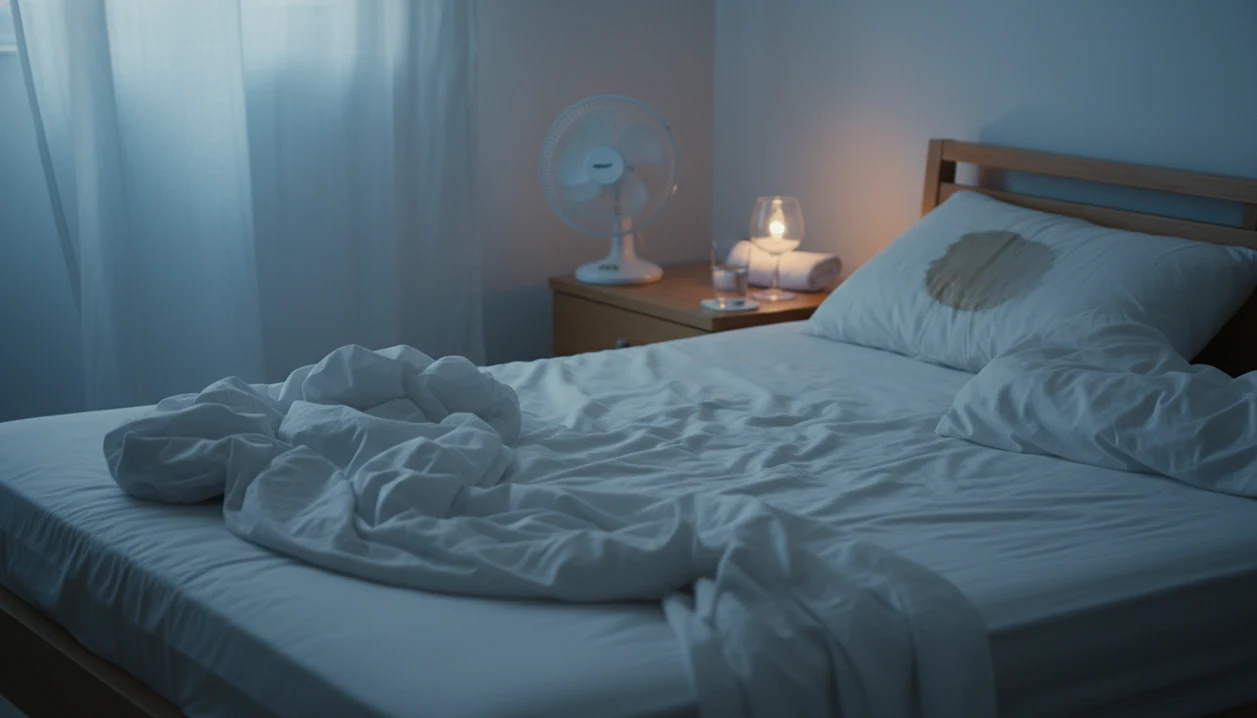
You may fall asleep feeling warm, then wake at 3 a.m. with a damp shirt, wet sheets, or chills after throwing off the covers. One episode may come from drinking late, having more than usual, or reacting strongly to a particular drink. Repeated episodes deserve a closer look.
Pay attention to when the sweating starts, how much you drank, and what comes with it. Sweating shortly after one drink is different from sweating after your alcohol level falls or after you cut back. That distinction can separate an uncomfortable night from a possible withdrawal warning.
What alcohol night sweats can feel like
- Alcohol night sweats mean waking hot, flushed, damp, or soaked after drinking. Some people notice a damp collar; others wake up with sheets wet enough to change.
- Alcohol can cause heat sensation and heat loss at the same time. You may kick off the covers, sweat, then feel chilled minutes later.
- One sweaty night after drinking is often discomfort, not a diagnosis. The beer fridge hum during dinner prep may matter if it marks a pattern of late drinking.
- Repeated or severe sweating needs more attention. Sweats after stopping alcohol, tremor, confusion, fever, or severe dehydration are warning patterns.
- A brief symptom log can reveal the pattern. Record the drink type, amount, last-drink time, room temperature, sweating, shaking, nausea, and overnight waking.
Why drinking can leave you hot, damp, then chilled
Alcohol night sweats usually happen because alcohol changes blood flow, sleep continuity, and nervous-system activity at the same time. The result can feel confusing: hot skin, damp clothes, then chills when you wake and the sweat cools.
- Widened skin blood vessels. Alcohol can cause vasodilation, meaning blood vessels near the skin open wider. More warm blood reaches the surface, so your face, chest, or arms feel hot, but that same surface warmth can let heat escape faster.
- Choppy late-night sleep. Alcohol may help you fall asleep, then fragment sleep later as it wears off. That 3 a.m. wake-up is when you notice the sweat, throw off the blanket, or feel suddenly chilled.
- Different sweat patterns. Hangover sweating can come with thirst, nausea, headache, and poor sleep. Withdrawal-linked sweating is more concerning because it reflects autonomic nervous system activation: the body’s automatic “fight-or-flight” controls running too hot after alcohol drops.
- Overlapping causes. Intolerance, medications, fever, infection, anxiety, and other illness can look similar, so night sweats alone do not diagnose the cause.
Can one drink make you sweat at night?
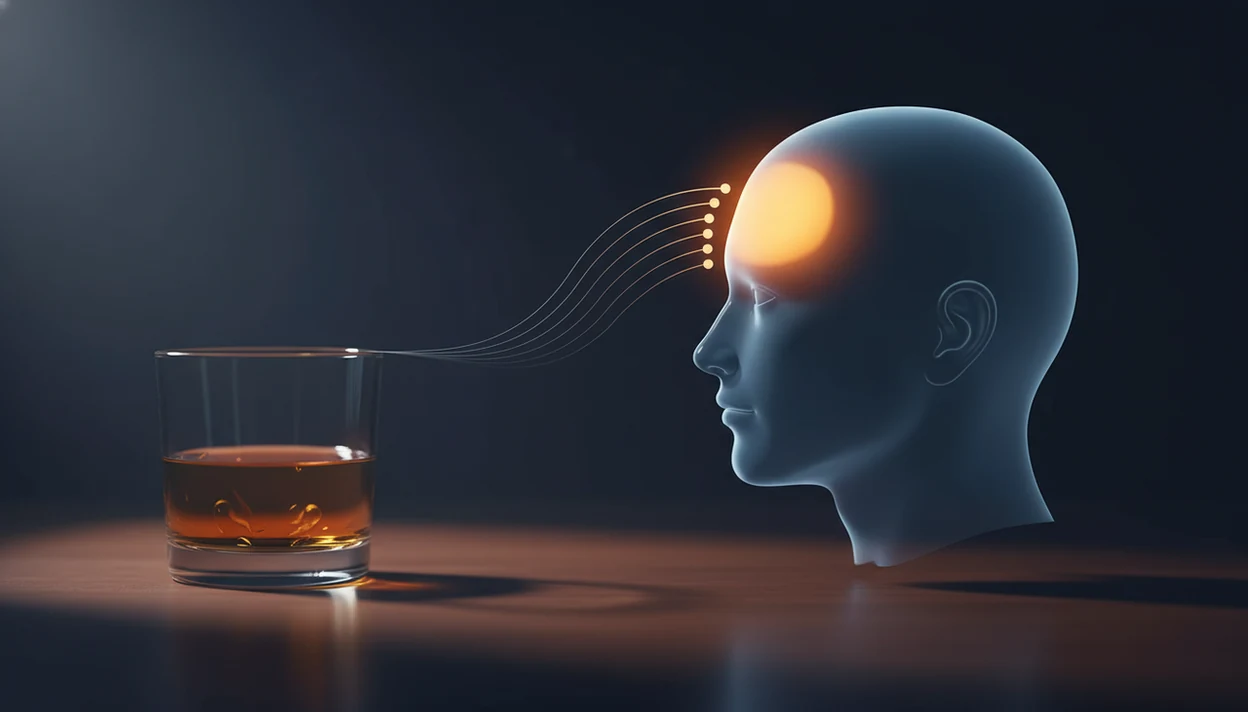
Why alcohol makes you hot at night: even one drink can widen skin blood vessels, trigger flushing, disturb sleep, or interact with a person’s sensitivity to alcohol. The dose is not the only variable.
Some people flush after wine, beer, spirits, or specific mixers. Others notice an itchy throat after a missed vape, then a drink makes the body feel even more reactive. Histamine-like reactions, alcohol intolerance, medication interactions, and individual metabolism can all play a part. One episode cannot confirm alcohol intolerance, so record the drink, timing, food, medications, and symptoms rather than deliberately repeating the reaction.
Look for patterns instead. Which drink? What time? Empty stomach or after food? New medication? If the reaction is intense, new, or paired with swelling, breathing trouble, fainting, fever, or chest pain, get medical advice rather than trying to test it again.
Hangover sweating vs withdrawal or alcohol intolerance
Alcohol sweating can come from a hangover, withdrawal, or intolerance, and each pattern points to a different next step. The timing is often the clearest clue.
| pattern | timing | typical clues | what to do next |
|---|---|---|---|
| Hangover sweating | Later that night or the next morning | Poor sleep, thirst, headache, nausea, warm skin, light sweating | Hydrate, rest, eat gently, and reduce the amount or lateness of drinking next time |
| Alcohol withdrawal sweating | Within hours after the last drink, especially after cutting back from regular heavy use | Sweating, shaking, anxiety, fast heartbeat, nausea, agitation, poor sleep | Seek medical advice; severe symptoms need urgent care |
| Alcohol intolerance or flushing | Soon after drinking, sometimes after one drink | Red face, warmth, stuffy nose, nausea, rapid heartbeat, flushing with certain drinks | Track triggers and ask a clinician if reactions are strong, new, or worsening |
Withdrawal symptoms can begin within hours after the last drink and may include sweating and autonomic overactivity, as summarized in clinical references on alcohol withdrawal (source). If night sweats start when you reduce alcohol, treat that as information, not a character test.
For people cutting back on purpose, structured alcohol reduction guides can help separate habit cues from medical warning signs.
The 6 to 12 hour alcohol withdrawal window
Alcohol withdrawal can begin 6 to 12 hours after the last drink. Early symptoms include sweating, shaking, anxiety, nausea, insomnia, agitation, and a racing heart. Uncomplicated symptoms commonly last 3 to 7 days, although some can continue longer. Timing alone does not diagnose withdrawal, but a repeated cluster of symptoms after alcohol levels fall is more concerning than sweating by itself.
Seizures, hallucinations, severe confusion, fever, or marked agitation can signal dangerous withdrawal. People who drink heavily every day, need alcohol to stop shakes or sweating, or have previously had withdrawal seizures or delirium should not stop suddenly without medical guidance. See the NHS guidance on alcohol misuse and withdrawal.
Medical treatment may include monitoring and clinician-dosed medication. WHO alcohol withdrawal guidance identifies benzodiazepines as first-line medicines for preventing seizures and delirium when indicated. Thiamine may also be given, particularly when poor nutrition or severe withdrawal raises concern. Do not use someone else’s sedatives or injectable vitamins.
Do not use another drink as a home treatment for sweating or shaking. It can temporarily hide symptoms and delay appropriate withdrawal care.
Sweating does not clear alcohol faster
- Myth: sweating means alcohol is leaving faster. Sweat does not meaningfully speed alcohol elimination; the liver does most of the work over time.
- Alcohol is usually metabolized at roughly 0.015 blood alcohol concentration per hour on average. Clinical toxicology references commonly describe average ethanol elimination at about 15 mg/dL, or 0.015 g/dL, per hour: source. A hot shower, sauna, or heavy blanket will not turn that into a shortcut.
- Myth: the room must be too warm. Alcohol sweats can happen in a cool room because the trigger is internal temperature regulation, not just bedding.
- Myth: night sweats are always a normal hangover symptom. Repeated drenching sweats, tremor, fever, confusion, or symptoms after stopping alcohol need a different level of attention.
- Myth: feeling warm means alcohol is warming the body safely. Alcohol can push heat toward the skin while increasing heat loss.
A simple rule helps: For people who wake sweaty after drinking, reducing late-night alcohol is often more useful than only changing bedding because alcohol can disturb both temperature control and sleep continuity.
Seek emergency help for a seizure, hallucinations, severe confusion, fainting, chest pain, trouble breathing, uncontrolled vomiting, severe shaking, or a very rapid or irregular heartbeat. If you drink heavily or daily, get medical advice before stopping suddenly because alcohol withdrawal can be dangerous.
Get medical care for these warning signs
Alcohol-related night sweats need medical attention when they suggest withdrawal, illness, severe dehydration, or another urgent problem. Don’t try to out-wait severe symptoms alone.
1. Withdrawal-pattern symptoms. Sweating after reducing or stopping alcohol, shaking, severe anxiety, nausea, vomiting, agitation, or a fast heartbeat can signal withdrawal. Medical support may be needed, especially after regular heavy drinking.
2. Neurologic or mental status changes. Confusion, hallucinations, seizures, fainting, or extreme disorientation are urgent warning signs. For seizures, hallucinations, severe confusion, fainting, chest pain, or trouble breathing, call emergency services immediately.
3. Illness or heart-related symptoms. Fever, chest pain, severe weakness, or signs of severe dehydration should be treated as medical issues, not just a rough hangover.
4. Support access. SAMHSA’s National Helpline is available 24 hours a day, 7 days a week, 365 days a year for people worried about alcohol use or withdrawal: SAMHSA.
If alcohol also seems to trigger headaches, tingling, vision changes, or unusual nervous-system symptoms, our guide to alcohol neurological triggers may help you organize what to tell a clinician.
Reduce sweaty nights without overlooking withdrawal risk
The most practical way to reduce alcohol night sweats is to lower the alcohol load, avoid late drinking, and track the situations that precede sweaty nights. Cooling the room helps comfort, but it does not treat withdrawal or medical causes.
If you drink heavily, daily, or have had withdrawal symptoms before, do not treat “cut back” as home detox advice. Before reducing alcohol, contact a clinician or urgent care service if you drink heavily or daily, get symptoms between drinks, or have had withdrawal before.
- Reduce total alcohol. Set a drink limit before the first pour, not after the second.
- Stop earlier in the evening. Give your body more time to process alcohol before deep sleep.
- Alternate with water. Keep water visible, especially if the usual cue is a glass refill during TV.
- Eat before drinking. Food can slow the rush of alcohol effects for some people.
- Track the trigger. Note the drink type, time, amount, room temperature, and symptoms.
- Cool the sleep setup. Use breathable bedding, a cooler room, and water beside the bed.
Write down the time of your last drink and the time the sweating began, especially if the gap is 6 to 12 hours.
If app support is your next experiment, our best drink less app guide compares what to look for.
Measure the drinks that come before sweaty nights
A large glass or strong pour may contain more alcohol than it appears to. In the United States, one standard drink contains 14 grams of pure alcohol. That is about 12 ounces of 5% beer, 5 ounces of 12% wine, or 1.5 ounces of 40% spirits. Strong beer, generous wine pours, and mixed drinks may count as more than one.
- Record the container size or measured pour, not just “one beer” or “one glass.”
- Write down the alcohol percentage shown on the label.
- Note the time of the final drink and when sweating or shaking began.
- Bring the record to a clinician if symptoms occur after cutting back.
The CDC drinking self-check includes standard-drink examples that can help you estimate your actual intake.
Questions about sweating after alcohol
Why do I sweat after drinking alcohol?
Alcohol widens blood vessels near the skin, changes temperature regulation, and disrupts sleep later in the night. As alcohol levels fall, nervous system activity may also increase. The result can be warm skin, sweating, restless waking, and then chills as moisture cools on your body.
Can one drink cause night sweats?
Yes. One drink may trigger flushing, sweating, a stuffy nose, nausea, or a rapid heartbeat in someone who is sensitive to alcohol, taking an interacting medication, or reacting to a particular drink. A new or intense reaction, especially with swelling, breathing trouble, fainting, or chest pain, needs medical attention.
Are night sweats after drinking dangerous?
A single mild episode without other symptoms is often uncomfortable rather than dangerous. Repeated drenching sweats, symptoms after cutting back, or sweating with shaking, confusion, fever, vomiting, chest pain, hallucinations, or a racing heart are more concerning. Persistent sweats may also have causes unrelated to alcohol.
Can sweating remove alcohol from my body faster?
No. The liver processes most alcohol over time. Exercise, a sauna, a hot shower, heavy blankets, coffee, or forced sweating will not sober you up quickly. These methods can worsen dehydration or make you feel faint, especially after heavy drinking.
Why do I get chills after sweating from alcohol?
Alcohol can move warm blood toward the skin, making you feel hot while increasing heat loss. Sweat then cools as it evaporates, so you may wake damp and suddenly chilled. Persistent chills with fever, severe weakness, confusion, or uncontrolled shaking should not be treated as an ordinary hangover.
Can alcohol withdrawal cause night sweats?
Yes. Withdrawal can begin 6 to 12 hours after the last drink and may include sweating, tremor, anxiety, nausea, insomnia, agitation, and a racing heart. Severe confusion, hallucinations, fever, or seizures require emergency care. Heavy daily drinkers should get medical advice before stopping suddenly.
How can I prevent night sweats after drinking?
Drinking less and finishing earlier may reduce sweating linked to late alcohol use and disrupted sleep. Measure actual pours, eat before drinking, alternate with water, and keep the bedroom cool. If you drink heavily, get symptoms between drinks, or have had withdrawal before, do not make a sudden reduction without medical advice.
When should persistent night sweats be checked?
Arrange a medical assessment if sweats continue across several nights, soak the bedding repeatedly, happen without recent drinking, or occur with fever, weight loss, enlarged lymph nodes, cough, diarrhea, or medication changes. Alcohol can trigger sweating, but it can also distract from infection, menopause, thyroid disease, sleep apnea, or another condition.