
How Alcohol Affects Neurogenesis and Brain Recovery
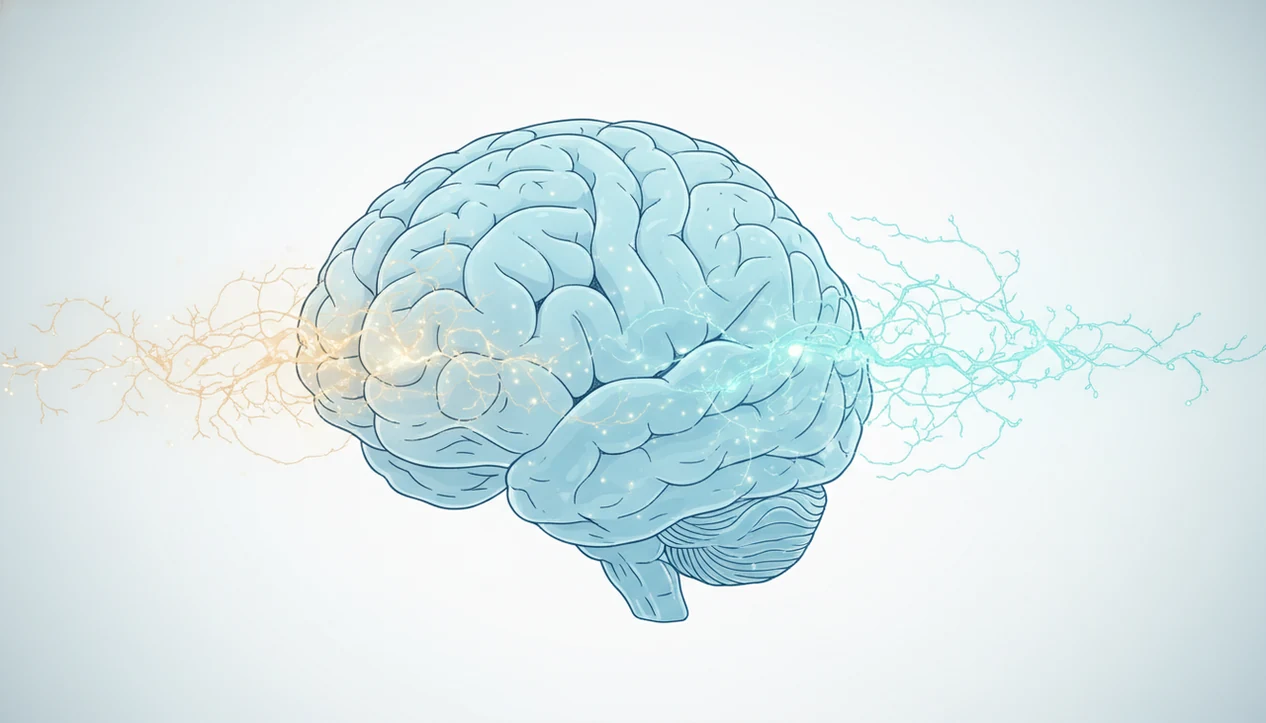
Quick answer: alcohol neurogenesis recovery is possible in the sense that reducing or quitting heavy alcohol use may allow hippocampal cell growth, BDNF signaling, and brain structure to partly rebound over time. The strongest evidence shows alcohol suppresses adult hippocampal neurogenesis during intoxication, while early abstinence can trigger a short-lived increase in new cell proliferation and longer-term recovery may unfold over months.
Definition: Alcohol-related neurogenesis recovery means the partial return of new neuron growth and neuroplasticity processes, especially in the hippocampus, after alcohol exposure is reduced or stopped.
This article is educational and is not medical advice. If you drink heavily every day, have had withdrawal symptoms before, or feel confused, shaky, feverish, or at risk of harming yourself, seek medical help before changing alcohol use abruptly.
TL;DR
- Heavy or chronic alcohol use is linked to reduced adult hippocampal neurogenesis, lower BDNF-related plasticity, inflammation, and memory-learning problems.
- Early abstinence may trigger a rebound in neural progenitor proliferation, but this does not mean the brain is fully repaired within days or weeks.
- Human evidence suggests hippocampal volume can improve over months of abstinence, while exercise, sleep, stress reduction, and consistent behavior change may support recovery.
Alcohol Neurogenesis Recovery at a Glance
Quick answer: Alcohol-related neurogenesis recovery may occur after reducing or quitting heavy drinking, especially in hippocampal pathways involved in learning, mood, and memory. Recovery is usually partial, variable, and time-dependent; the safest first step for heavy daily drinkers is medical guidance because withdrawal can be dangerous.
Key takeaways
- Heavy alcohol exposure often suppresses new hippocampal cell growth and BDNF-related signaling.
- Early abstinence may allow a rebound in cell proliferation, but this does not mean instant brain recovery.
- Sleep, nutrition, exercise, and lower stress may support recovery conditions, though they are not cures.
- Memory, mood, and impulse control may improve gradually for many people after alcohol reduction.
- Tracking cravings and triggers can help identify the moments most likely to lead to drinking.
- People with possible dependence should ask a clinician about withdrawal risk and medication options.
Neurogenesis means the creation of new neurons, and adult neurogenesis is most often discussed in the hippocampus. Alcohol neurogenesis recovery means that some of these cell-growth and plasticity processes may restart or improve after heavy drinking is reduced or stopped.
The clearest harm signal comes from heavy, repeated, binge-level, or dependent alcohol exposure. Occasional low-level drinking is harder to interpret from the same research, because many studies use stronger exposure patterns than a normal dinner drink.
Recovery is not instant. Think weeks to months, not one dry night.
For adults cutting back, the useful daily question is simple: what makes the next choice easier? Tools like Me Quit can help track drink cravings, streaks, dry days, and milestones, but the brain recovery work still depends on repeated behavior change in real life.
Five Facts About Alcohol, BDNF, and Hippocampus Recovery
- Heavy or chronic alcohol use reduces adult hippocampal neurogenesis during intoxication, especially by lowering new cell proliferation and survival.
- Early abstinence can produce a rebound burst of neural progenitor proliferation in animal models, including a first-week increase after a 4-day binge ethanol model.
- Alcohol affects BDNF, CREB, inflammatory cytokines, and other neuroplasticity pathways that shape learning, mood, stress response, and repair.
- Human imaging suggests hippocampal volume may increase during months of abstinence, although volume does not always return to the level seen in non-dependent controls.
- Exercise and mood-supporting routines may increase BDNF-related plasticity and support recovery while someone is reducing alcohol.
The practical takeaway is not “wait for the brain to fix itself.” It is “remove the repeat insult, then give the brain boring support.” Sleep, movement, meals, and fewer cue-driven drinking loops matter when the brunch menu keeps nudging bottomless mimosas.
For heavy drinkers, abstinence or sustained reduction is often more useful than occasional short breaks because the hippocampus needs repeated alcohol-free time to stabilize plasticity.
How Alcohol Affects Neurogenesis in the Hippocampus
Alcohol-related neurogenesis suppression is most consistently seen in the hippocampus, a brain region involved in memory, learning, stress regulation, and emotional context. The hippocampus helps you connect “I drank here, with these people, after this feeling” into a trigger map.
Adult neurogenesis is a staged process. Neural progenitor cells first divide, then some survive, mature, and integrate into existing circuits. Plain English: the brain has to make the cell, keep it alive, train it, and wire it in.
Alcohol can interfere with several of those steps. A 2014 review of adult hippocampal neurogenesis found that the vast majority of in vivo studies reported decreased neurogenesis during alcohol intoxication, with increases mainly seen during abstinence after dependence the NIH.
That fits what people describe as fog, slower recall, or a flat “I need something” feeling after repeated drinking. Not moral weakness. Brain adaptation.
Does Alcohol Stop Neurogenesis Completely?
Does alcohol stop neurogenesis completely? No, alcohol does not necessarily stop all neurogenesis forever, but heavy or chronic exposure can strongly suppress new cell growth in the hippocampus.
The strongest suppression evidence comes from heavy, repeated, binge-level, or dependence-related alcohol exposure. That is different from saying every sip permanently shuts down brain cell growth. It also differs from the old myth that alcohol simply “kills all your brain cells” and nothing can recover.
The more accurate picture is narrower and more useful: alcohol can reduce the birth and survival of new cells, especially in the hippocampus, and abstinence can allow some rebound. Human certainty is limited because the most detailed cell-by-cell evidence comes from animal models.
If you want the broader science background, the related guide on alcohol and neurogenesis explains how researchers separate cell birth, survival, and brain function.
Alcohol BDNF Hippocampus Pathways That Shape Brain Recovery
BDNF, or brain-derived neurotrophic factor, is a growth-supporting protein involved in plasticity, learning, and neuron survival. If neurogenesis is the building project, BDNF is part of the signal system that tells cells when conditions are safer for growth and wiring.
Alcohol can alter BDNF and CREB signaling. CREB is a transcription factor, meaning it helps switch certain genes on or off. In plain terms, repeated alcohol exposure can disturb the messages that support learning and cell survival.
Inflammation matters too. IL-1β, a pro-inflammatory cytokine, has been linked to impaired neural progenitor proliferation and poorer new cell survival. Experimental work summarized in the neurogenesis literature found that blocking alcohol-induced IL-1β reversed alcohol’s decrease in progenitor proliferation and new cell survival.
So inflammation is not a side issue. Heavy shoulders at happy hour, poor sleep, and next-day brain fog can sit inside the same recovery picture, even when the biology is more complex than the feeling.
Brain Cells After Quitting Alcohol: Recovery Timeline Evidence
Brain cells after quitting alcohol may show early biological rebound, but cell proliferation, hippocampal volume, and clearer thinking are related outcomes, not the same measurement. A craving timer glowing in bed can mark one decision point, yet the brain timeline keeps running after the urge passes.
| Recovery window | What evidence suggests | What it does not prove |
|---|---|---|
| First week | Animal models show a burst of progenitor cell proliferation after heavy exposure stops. | It does not prove full repair or restored memory within days. |
| Several months | Human imaging has shown hippocampal volume increases during abstinence. | Volume change does not prove new neurons alone caused the improvement. |
| Longer term | Cognition and mood may keep improving with stable alcohol reduction and health support. | Some changes may remain after severe or long exposure. |
First week after stopping heavy exposure
In a 4-day binge ethanol rat model, researchers reported a burst of brain cell proliferation during the first week of abstinence, especially in the hippocampus and cortex. the NIH. This is often called reactive neurogenesis.
Months after abstinence begins
A 7-month human imaging study found hippocampal volume increased during abstinence, though volumes remained smaller than controls. the NIH. That points to partial recovery, not a guaranteed reset.
Lifestyle Levers for Hippocampus Recovery After Alcohol
The most useful lifestyle levers for hippocampus recovery after alcohol are exercise, sleep regularity, nutrition, stress management, and craving tracking. None is magic. Together, they reduce friction around the next alcohol-free choice.
- Exercise: Physical activity has evidence for increasing serum BDNF in people recovering from alcohol use disorder, including a pilot study after a single exercise session. For example, a human alcohol-use-disorder study found acute aerobic exercise increased circulating BDNF after a single session the NIH.
- Sleep regularity: Stable sleep gives memory and stress systems a cleaner recovery window than late-night scrolling and broken rest.
- Nutrition: Regular meals help reduce the shaky “I need something” cue that can masquerade as a drink craving.
- Stress management: Urge surfing, short walks, and breathing drills can lower the pressure at decision points.
- Craving tracking: Naming the cue, routine, and reward turns a vague urge into a specific plan.
Apps like Me Quit can support drinking less by helping adults log cravings, streaks, dry days, and milestones. A good Me Quit mequit addiction recovery hub for quit smoking, stop vaping, quit drinking, and mindful alcohol reduction should deliver private cue tracking and reset support, not diagnosis, detox care, or emergency treatment.
For practical routines beyond brain science, the alcohol reduction guides cover cravings, limits, and habit loops.
Sex, Genetics, and Severity Differences in Alcohol Neurogenesis Recovery
Alcohol neurogenesis recovery varies because the exposure and the person both matter. Dose, drinking duration, age, nutrition, sleep, liver health, stress load, and co-occurring nicotine use can all change the recovery picture.
Sex differences may matter too. Female animal models have shown reactive hippocampal neurogenesis during early abstinence, which suggests the rebound response is not limited to one biological sex. That does not mean every person follows the same timeline.
Genetics add another layer. The BDNF Val66Met variant has been associated with different hippocampal recovery patterns during abstinence, including less volume recovery in people carrying the Met variant in one human imaging study.
Variability does not mean recovery is impossible. It means your timeline may not match someone else’s. If a weekend lapse brings the thought, “I already messed up, so why not keep going?”, use it as data for streak repair.
When to Seek Medical Help During Alcohol Reduction
Seek medical help before reducing alcohol if you drink heavily every day, have had withdrawal symptoms before, or feel unsafe. Do not stop suddenly without guidance when your body may be physically dependent on alcohol.
Withdrawal risk is not a test of motivation, discipline, or character. It is a medical risk caused by the nervous system adapting to regular alcohol exposure, and it can become dangerous even when someone is deeply committed to change. Apps, journals, streak counters, and trackers can help you notice patterns, but they cannot monitor or treat alcohol withdrawal.
- Contact a clinician, addiction medicine provider, or local detox service before making a sharp cut if you have heavy daily use.
- Get urgent care now for seizures, hallucinations, confusion, fever, severe shaking, chest pain, or symptoms that feel rapidly worse.
- Use emergency services if you might harm yourself, cannot stay oriented, or are alone with severe symptoms.
- Ask for crisis support or a trusted person to stay with you while you arrange care.
- Return to tracking only after the immediate safety plan is handled.
Limitations
The evidence on alcohol neurogenesis recovery is promising, but it has real limits. Keep these caveats in view before turning brain science into a personal scorecard.
- Recovery may be incomplete after long, severe, or repeated heavy alcohol exposure.
- Moderate drinking effects are harder to generalize from heavy-use and dependence studies.
- Medical withdrawal risk is real for some heavy drinkers, especially with daily use, seizures, confusion, or severe symptoms.
Clinicians typically recommend medical guidance before abrupt alcohol cessation for people with heavy daily use or past withdrawal symptoms. That is the safer decision point.
Related brain risks, including inflammation and longer-term disease pathways, are covered in alcohol neuroinflammation brain fog and alcohol neurodegenerative disease risk.
FAQ
Does alcohol stop neurogenesis?
Heavy or chronic alcohol use can strongly suppress hippocampal neurogenesis, but it does not necessarily stop all new cell growth forever. The strongest evidence involves heavy, binge-level, or dependence-related exposure.
Can brain cells grow back after quitting alcohol?
Some brain plasticity and new cell growth can occur after quitting or reducing alcohol, especially in hippocampus-related pathways. Recovery varies by alcohol history, health, sleep, nutrition, stress, and genetics.
How long does brain recovery take after quitting alcohol?
Early biological changes may appear within weeks, while structural and cognitive recovery can take months or longer. A short alcohol-free streak is useful, but it should not be treated as complete repair.
Does BDNF improve after quitting alcohol?
BDNF-related plasticity may improve with abstinence and supportive behaviors such as exercise and sleep regularity. Human BDNF measurement is often indirect, so it cannot perfectly show what is happening inside the brain.
Does exercise boost BDNF during alcohol recovery?
Physical exercise can increase serum BDNF in people recovering from alcohol use disorder, based on early human evidence. Exercise should be viewed as a support for recovery, not a stand-alone cure.
Can the hippocampus recover after heavy drinking?
The hippocampus may partly recover after abstinence, including possible volume increases over months. Recovery may be incomplete after severe or long-term alcohol exposure.
Is alcohol-related brain damage permanent?
Some alcohol-related brain changes can improve after quitting or sustained reduction. Severe, long-term, or medically complicated damage may be only partially reversible.
Is quitting alcohol suddenly dangerous?
Quitting suddenly can be dangerous for people with heavy daily alcohol use or withdrawal symptoms. Seek medical guidance before stopping abruptly if you have shakes, seizures, confusion, hallucinations, or a history of severe withdrawal.