
How Long-Term Drinking Damages the Body’s Organs
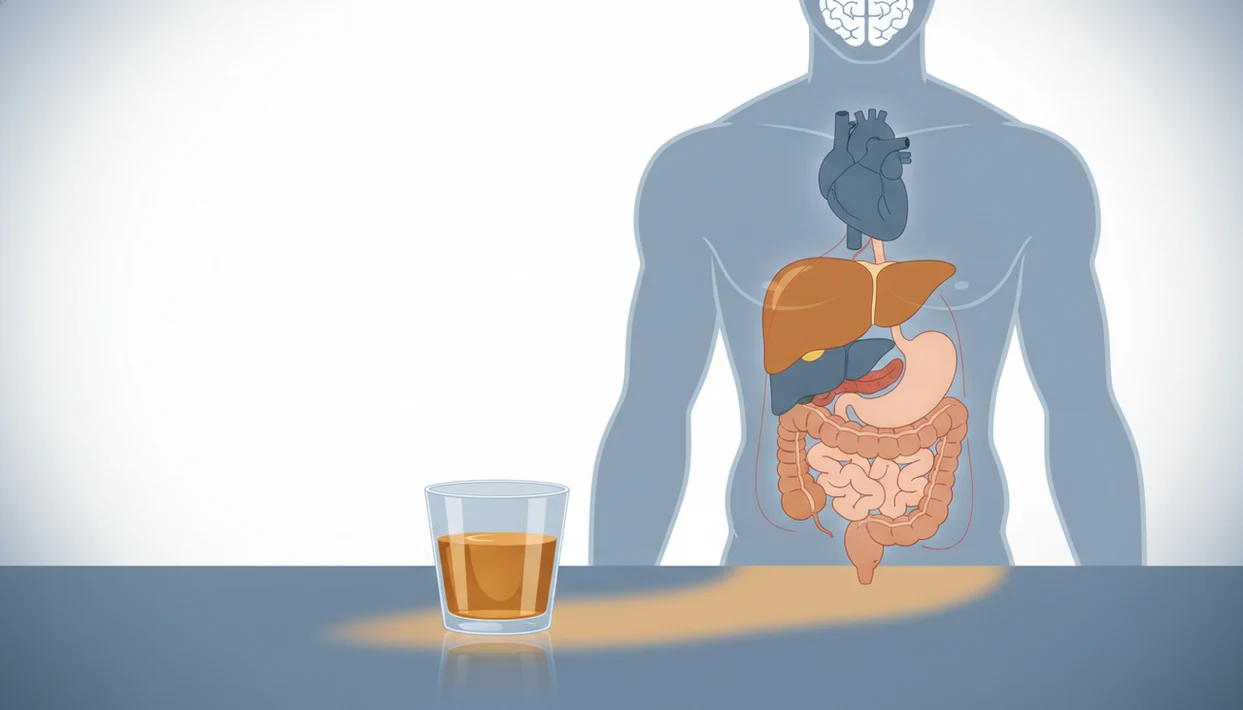
Long term alcohol organ damage is the gradual harm regular drinking can cause to the liver, stomach, pancreas, heart, brain, and cancer risk over months or years. Early damage can be silent and sometimes reversible, but ongoing alcohol exposure can lead to ulcers, pancreatitis, cirrhosis, liver cancer, heart disease, and lasting brain changes.
This article is educational and cannot diagnose liver disease, ulcers, pancreatitis, cancer risk, or alcohol withdrawal. If you have severe symptoms or heavy daily alcohol use, medical advice is safer than self-monitoring alone.
Definition: Long-term alcohol organ damage means the cumulative injury ethanol and its byproducts cause to major organs, especially the liver, stomach and gut, pancreas, heart, brain, and hormone-sensitive tissues.
TL;DR
- Alcohol-related organ damage often begins quietly, with fatty liver, gastritis, reflux, or poor sleep before obvious disease appears.
- The liver and stomach are frequent early targets, but regular drinking can also damage the pancreas, heart, brain, immune system, and cancer defenses.
- Cutting down or stopping alcohol can reduce strain on organs and may reverse early liver and digestive changes, but advanced scarring or severe disease needs medical care.
Long-Term Alcohol Organ Damage at a Glance
Quick answer: Regular drinking can gradually injure several organs, especially the liver, digestive tract, pancreas, heart, brain, and immune system. Cutting back or stopping often reduces strain on the body, but symptoms such as severe withdrawal, jaundice, vomiting blood, chest pain, or confusion need medical care.
Key takeaways
- Organ damage can develop before obvious symptoms appear.
- The liver often shows early stress, but the stomach, pancreas, heart, and brain may also be affected.
- Less alcohol exposure generally gives inflamed or stressed tissues a better chance to recover.
- Binge drinking can be risky even when weekly totals seem moderate.
- People who drink daily or heavily should ask a clinician before stopping suddenly because withdrawal can be dangerous.
- Tracking drinks, cravings, and triggers can make patterns easier to change.
Long-term alcohol organ damage is slow injury from repeated ethanol exposure, and it can develop for years before a person feels clearly ill. The liver, stomach, gut, pancreas, heart, brain, and cancer-related tissues are among the main areas affected.
The same ethanol reaches the bloodstream whether the drink is beer, wine, spirits, or hard seltzer. A neat label does not make the exposure safer. Per the CDC, excessive alcohol use caused an estimated 178,000 deaths per year in the United States during 2020–2021, making it a major preventable cause of death CDC report.
Quiet risk is the hard part.
A person may notice only reflux after dinner, worse sleep, or a calendar filling with “normal” drinking nights. Honest tracking can matter before symptoms appear because it turns a vague pattern into something countable: drinks, days, triggers, and recovery time.
Five Facts About Regular Drinking Health Effects
- Alcohol can affect almost every organ system. The liver gets attention first, but the gut, pancreas, heart, brain, nerves, immune system, and hormone-sensitive tissues also respond to repeated exposure.
- Alcohol liver damage can progress in stages. Fatty liver may come first, followed by alcohol-associated hepatitis, fibrosis, cirrhosis, liver failure, and liver cancer in some people.
- Alcohol can irritate the stomach and gut. Regular drinking is associated with gastritis, reflux, nutrient problems, diarrhea, appetite changes, and higher ulcer-related risk.
- Early damage may be quiet. Fatty liver or stomach inflammation can improve after major reduction or abstinence, but advanced scarring can be permanent.
- Cutting down or quitting is more useful than drink-swapping. Detox teas, cleanses, and switching from liquor to wine do not remove ethanol exposure.
For organ protection, reducing total ethanol exposure is usually more meaningful than choosing a different alcohol type because the same compound drives much of the injury.
Ethanol, Acetaldehyde, and Alcohol Organ Damage Mechanisms
Long-term alcohol organ damage works through repeated ethanol metabolism, acetaldehyde exposure, inflammation, oxidative stress, and reduced recovery time between drinking episodes. The liver does much of the processing, converting ethanol into acetaldehyde, a toxic compound linked with cell injury.
How alcohol organ damage works: repeated drinking disrupts fat metabolism, gut barrier function, immune signaling, blood pressure, sleep architecture, and brain chemistry. In plain terms, the body keeps being asked to process a toxin before it has fully reset from the last exposure.
Daily or near-daily drinking can matter even without dramatic binges. A measuring shot glass near the sink may look harmless night by night, but the pattern removes repair time. Risk varies by dose, frequency, genetics, sex, nutrition, medications, viral hepatitis, and other health conditions.
Clinicians typically recommend medical evaluation, not guesswork, when someone is worried about actual organ damage. Blood tests, imaging, endoscopy, and physical examination answer questions that symptom logs cannot.
Alcohol Liver Damage: Fatty Liver, Cirrhosis, and Cancer Risk
Does alcohol cause fatty liver, cirrhosis, and liver cancer? Yes, regular drinking can start with fat buildup in liver cells and progress in some people to inflammation, fibrosis, cirrhosis, liver failure, and liver cancer.
The liver is a major early target because it processes much of the alcohol a person drinks. Fatty liver may improve after stopping or sharply reducing alcohol, especially before scarring develops. Cirrhosis is different. It involves scar tissue that may not fully reverse, even when drinking stops.
According to NIAAA, alcohol-associated liver disease is involved in a large share of liver disease deaths in the United States NIAAA alcohol data. A 2019 review reported that among people with heavy, long-term alcohol use, about 10–20% progress to cirrhosis, with higher risk of liver failure and liver cancer the NIH.
Jaundice, abdominal swelling, vomiting blood, confusion, black stools, or severe fatigue need prompt medical attention. For broader reading on reduction steps, the alcohol reduction guides collect related body and craving topics.
Alcohol Stomach and Gut Damage: Gastritis, Ulcers, and Absorption
Can alcohol damage the stomach? Alcohol can damage the stomach by irritating the lining and changing acid, mucus, and inflammation patterns.
Common warning signs include gastritis, reflux, nausea, burning pain, bloating, diarrhea, and appetite changes. Some people first notice it as a sour rush in the throat after lying down, then ignore it because it fades by morning.
Alcohol can also weaken the gut barrier, alter the microbiome, and worsen nutrient absorption. That matters because the gut is not just a tube for digestion. It communicates with the immune system and helps regulate inflammation.
Alcohol stomach ulcers need careful wording. Alcohol can irritate the stomach and worsen ulcer risk or symptoms, but ulcers also involve factors such as H. pylori infection and NSAID use, including ibuprofen and naproxen. Severe pain, vomiting blood, black stools, unexplained weight loss, or persistent vomiting should be treated as medical warning signs, not “normal drinking stomach.”
Pancreas, Heart, and Brain Effects From Regular Drinking
Regular drinking can injure organs beyond the liver and stomach, including the pancreas, heart, brain, and peripheral nerves. These effects may build slowly, then appear as pain, blood pressure changes, memory problems, or sleep disruption.
The pancreas can become inflamed, causing acute or chronic pancreatitis. Severe upper abdominal pain, vomiting, fever, or pain that travels to the back needs medical assessment. The fuller mechanism is covered in alcohol and pancreatic damage.
The heart can be affected through high blood pressure, cardiomyopathy, arrhythmias, and increased stroke risk. Brain and nervous system effects include memory problems, mood disruption, sleep fragmentation, neuropathy, and reduced impulse control. Alcohol can also worsen nutritional deficiencies, especially thiamine deficiency in heavy drinkers.
The pocket check is real.
Some brain and nerve changes may improve after stopping, but severe or prolonged damage may not fully reverse. Related symptom patterns are discussed in alcohol neurological triggers.
Cancer and Immune Risks From Long-Term Drinking
Alcohol is linked with several cancers, including cancers of the mouth, throat, esophagus, liver, colorectum, and breast. The risk is population-level, not a prediction for one person, but it is consistent enough to shape public-health guidance.
Acetaldehyde can damage DNA. Alcohol can also affect hormones, inflammation, and nutrient processing, which helps explain why risk is not limited to the digestive tract. The National Cancer Institute states that even up to one drink per day increases a woman’s breast cancer risk by about 5–15% compared with women who do not drink at all the National Cancer Institute alcohol data.
No alcohol type is protective for cancer risk because ethanol is the relevant exposure. Wine, beer, liquor, and hard seltzer all contain it.
Alcohol can also weaken immune defenses and make recovery from infections or injuries harder. A lime wedge sinking in club soda may look like a small choice, but repeated substitutions can reduce total exposure over time.
Safer Drinking Limits and Organ Recovery After Cutting Back
Organ risk generally rises with the amount and frequency of alcohol exposure, and drink-free days give the body more recovery time. The UK NHS recommends that men and women do not regularly drink more than 14 units per week to reduce the risk of alcohol-related liver disease the NHS alcohol data.
Guideline limits are population averages, not guarantees of safety. They do not remove risk for cancer, pregnancy, liver disease, medication interactions, or prior alcohol problems.
How to use alcohol reduction to lower organ strain:
- Track drinks honestly by date, amount, location, and whether the drink was planned.
- Set drink-free days so the liver, stomach, sleep system, and nervous system get recovery time.
- Avoid topping up by pouring measured drinks instead of refilling the same glass.
- Alternate with water and plan a clear exit from drinking situations.
- Review triggers such as stress, social pressure, pain, nicotine cravings, or poor sleep.
- Reset after a slip without turning one heavy night into a heavy week.
Digital trackers can help you log drinks, cravings, streaks, and triggers, but they should not be used for diagnosis, detox supervision, or emergency care. Me Quit can support private pattern tracking and reset planning for adults reducing alcohol.
Anyone with withdrawal symptoms, heavy daily drinking, or signs of organ damage should speak with a clinician before abruptly stopping. A best drink less app guide can help compare tracking workflows, but medical risk comes first.
When to Get Medical Help for Possible Alcohol Organ Damage
Get urgent medical help for red flags such as vomiting blood, black stools, severe abdominal pain, confusion, seizures, jaundice, fainting, chest pain, or a swollen belly. Book a non-urgent appointment if drinking has been regular and symptoms keep returning, even if they improve between episodes.
Withdrawal is a separate safety issue. If you have heavy daily use, morning shakes, sweating, racing heart, agitation, hallucinations, seizures, or past difficult withdrawals, ask a clinician before stopping suddenly.
- Call emergency services for severe bleeding, confusion, seizures, intense pain, chest symptoms, or signs of liver failure such as yellow skin or severe abdominal swelling.
- Schedule a medical visit for persistent reflux, nausea, diarrhea, unexplained weight loss, fatigue, high blood pressure, numbness, memory changes, or repeated right-upper-belly discomfort.
- Tell the clinician plainly how much you drink, how often, when you last drank, what medications you take, and whether you use NSAIDs such as ibuprofen or naproxen.
- Ask what testing fits your situation, which may include blood tests, liver imaging, abdominal ultrasound or CT, stool testing, and endoscopy for bleeding, ulcers, or swallowing symptoms.
Feeling better after a dry week is useful information, but it does not rule out silent liver, pancreas, heart, or gut damage.
Limitations
Alcohol-related organ risk is real, but it is not identical for every person. Population-level evidence helps guide safer choices, yet it cannot diagnose one body from a screen.
- No article, app, symptom checklist, or online calculator can diagnose organ damage. Blood tests, imaging, endoscopy, or clinical evaluation may be needed.
- Supplements, detox teas, and liver cleanses cannot reverse advanced cirrhosis or severe organ damage.
- Digital tools such as Me Quit can support tracking and behavior change, but they do not replace medical care.
A mild hangover after two extra drinks is not the same as alcohol withdrawal. Shaking, confusion, seizures, hallucinations, or severe autonomic symptoms need urgent help.
FAQ
What organs does alcohol damage?
Alcohol can damage the liver, stomach, gut, pancreas, heart, brain, nerves, immune system, and cancer-related tissues. The liver and digestive tract are common early targets because they process or directly contact alcohol.
Can alcohol damage your stomach?
Yes. Alcohol can irritate the stomach lining, worsen gastritis and reflux, and aggravate ulcer symptoms, especially when combined with factors such as H. pylori or NSAID use.
Does alcohol cause fatty liver?
Yes. Regular drinking can cause fat to build up in liver cells, and early fatty liver may improve after abstinence or a major reduction in alcohol.
Can fatty liver become cirrhosis?
Yes. If drinking continues, fatty liver can progress to alcohol-associated hepatitis, fibrosis, and cirrhosis in some people.
Is liver damage always painful?
No. Early liver disease is often silent, and symptoms may appear only when damage is more advanced.
Can alcohol organ damage reverse?
Some early alcohol-related changes, such as fatty liver or mild stomach irritation, may improve after cutting down or stopping. Advanced scarring, severe pancreatitis, or prolonged nerve and brain injury may not fully reverse.
How much alcohol is safe daily?
Lower intake generally lowers risk, but no daily amount is completely risk-free for some outcomes, especially cancer. People with pregnancy, liver disease, medication interactions, or prior alcohol problems may need to avoid alcohol.
When should I see a doctor for possible alcohol-related organ damage?
Seek medical care for jaundice, abdominal swelling, vomiting blood, black stools, severe abdominal pain, confusion, unexplained weight loss, persistent vomiting, or severe fatigue. People with heavy daily drinking or withdrawal symptoms should ask a clinician before stopping suddenly.