
How Alcohol May Affect Alzheimer’s, Parkinson’s, and Neurodegenerative Disease Risk
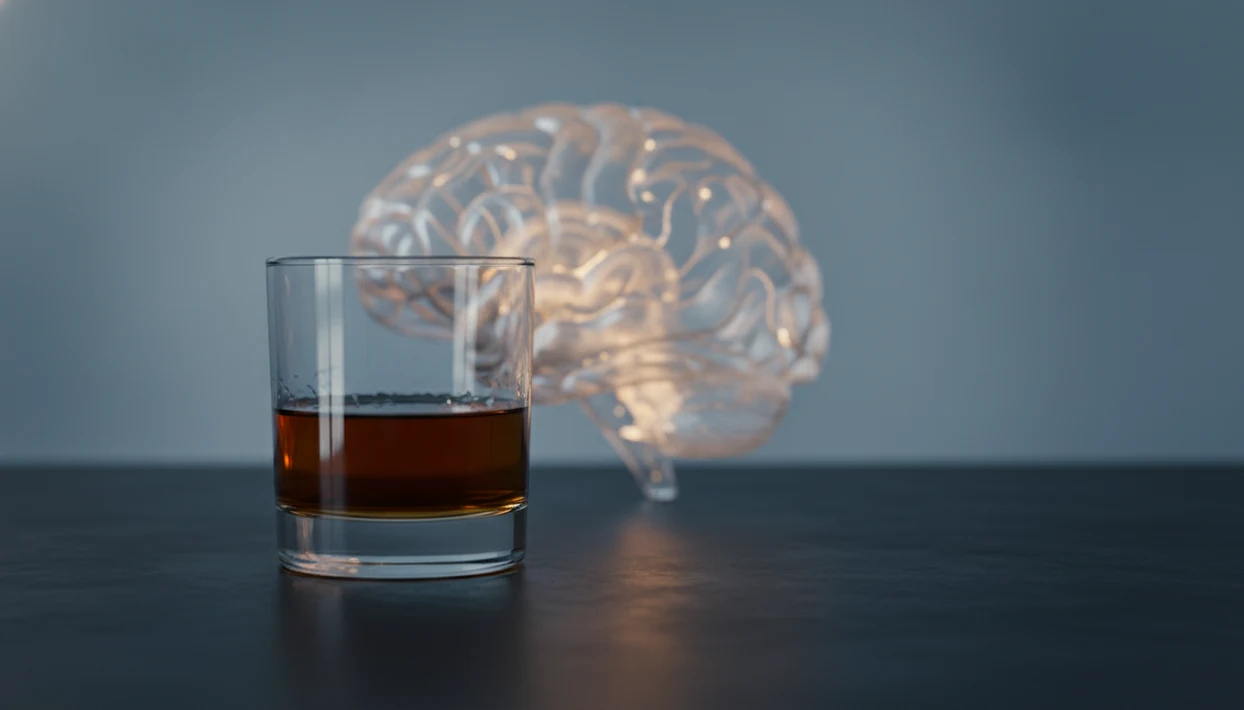
Heavy or long-term drinking can raise alcohol neurodegenerative disease risk by increasing brain inflammation, oxidative stress, neuron damage, and brain tissue loss linked with dementia, Alzheimer’s disease, and Parkinson’s disease. The clearest risk signal is seen with heavy drinking and alcohol use disorder; evidence for low or moderate drinking is mixed and should not be treated as brain protection.
Definition: Alcohol-related neurodegenerative risk describes the ways chronic alcohol exposure may contribute to progressive brain changes that affect memory, thinking, movement, and long-term neurological health.
Medical scope: This page is educational and cannot diagnose dementia, Parkinson’s disease, alcohol withdrawal risk, or alcohol use disorder. Seek urgent medical care for sudden confusion, seizures, severe withdrawal symptoms, new weakness, or unsafe falls.
TL;DR
- Alcohol use disorder is associated with higher risks of Alzheimer’s disease and Parkinson’s disease in large cohort research.
- Alcohol may harm the brain through neuroinflammation, oxidative stress, glutamate excitotoxicity, thiamine deficiency, sleep disruption, and brain atrophy.
- Cutting down or quitting alcohol is a practical brain-health step, especially for adults who drink heavily or regularly exceed recommended limits.
Alcohol Neurodegenerative Disease Risk at a Glance
Quick answer: Heavy or long-term alcohol use may raise the risk of alcohol-related brain damage and some neurodegenerative outcomes by promoting inflammation, oxidative stress, sleep disruption, nutrient deficiency, and direct neuronal injury. The strongest concern is heavy drinking or alcohol use disorder; low or moderate drinking should not be viewed as a proven way to protect the brain.
Key takeaways
- Alcohol-related brain changes are often more preventable than many inherited neurologic risks.
- Binge patterns may stress the brain even when weekly totals seem moderate.
- Memory, balance, mood, and sleep changes are worth tracking rather than dismissing.
- Reducing alcohol can support blood pressure, sleep quality, and metabolic health, which also affect the brain.
- People who drink heavily should ask a clinician before stopping suddenly because withdrawal can be dangerous.
- A simple craving and trigger log can reveal situations that repeatedly lead to drinking.
Heavy drinking and alcohol use disorder are consistently linked with higher dementia and neurodegenerative disease risk. That does not mean alcohol causes every case of Alzheimer’s disease, Parkinson’s disease, dementia, or alcohol-related brain damage, but it does make alcohol a serious modifiable risk factor.
In a U.S. claims cohort of more than 1 million older adults, alcohol use disorder was linked with a 78% higher Alzheimer’s disease risk and a 42% to 49% higher Parkinson’s disease risk, compared with matched controls the NIH. Those are association findings, not proof that one drink directly causes one diagnosis.
The practical read is simpler. If drinking is frequent, heavy, or hard to control, brain-health risk moves higher. Moderate drinking evidence is inconsistent, and it does not justify drinking for brain protection.
The phone check before bed can feel small. It still counts.
Five Facts About Alcohol and Alzheimer’s Disease Risk
- Heavy drinking and alcohol use disorder increase dementia risk. They are also linked with higher rates of Alzheimer’s disease, especially when drinking is chronic or severe.
- A large older-adult cohort found a strong Alzheimer’s association. In more than 1 million people, alcohol use disorder was associated with a 78% higher Alzheimer’s disease risk.
- Alcohol may worsen Alzheimer’s-related brain pathways. The main suspects are inflammation, oxidative stress, impaired repair, and brain atrophy in areas involved in memory.
- Higher weekly intake is linked with faster cognitive decline. Drinking more than 28 UK units per week is associated with sharper decline in thinking skills with age, according to the Alzheimer’s Society.
- Lowering intake may reduce preventable brain strain. Cutting down in midlife is often easier than waiting for symptoms, because the trigger map is still changeable.
For adults who drink heavily, reducing alcohol is often a more practical brain-health step than chasing “protective” drinks, because the clearest evidence points to harm at high intake.
How Alcohol-Related Neurodegeneration Works in the Brain
Alcohol-related neurodegeneration works through repeated stress on brain cells, support cells, blood vessels, sleep, and nutrition. The main mechanisms are neuroinflammation, oxidative stress, excitotoxicity, and structural brain change.
Neuroinflammation means alcohol can activate immune signaling in the brain and keep inflammatory stress switched on. Oxidative stress means alcohol metabolism can produce reactive oxygen species, which are unstable molecules that damage cells. Excitotoxicity is a glutamate problem; repeated drinking and withdrawal cycles can overstimulate neurons and make them more vulnerable.
Chronic heavy drinking is also linked with brain atrophy, white-matter injury, and weaker communication between brain regions. White matter is the brain’s wiring. When it is injured, planning, balance, attention, and memory can all feel less steady.
The indirect paths matter too. Poor sleep, high blood pressure, liver disease, falls, medication interactions, nutritional deficiency, and thiamine deficiency can all add load. The deeper nervous-system pattern is covered in alcohol nervous system regulation.
Alcohol and Parkinson’s Disease Risk Evidence
Can alcohol increase Parkinson’s disease risk? In one large U.S. cohort, alcohol use disorder was associated with a 49% higher Parkinson’s risk in women and a 42% higher risk in men the NIH.
Parkinson’s evidence is more mixed than dementia evidence. Some studies show higher risk with alcohol use disorder or heavy intake, some show no clear association, and some older observational studies suggested apparent protective links. That messy pattern can happen when studies differ in drink measurement, smoking patterns, health status, and who gets counted as an abstainer.
Possible mechanisms still make biological sense. Chronic heavy drinking can affect dopamine pathways, increase oxidative stress, and sustain neuroinflammation. Those systems are relevant to movement, motivation, and brain repair.
Still, causation should not be overstated. Many Parkinson’s studies are observational, so confounding is hard to remove. A sticky bar table under your fingertips tells you a trigger is real; it does not diagnose your future brain health.
Heavy Drinking, Alcohol Use Disorder, and Early-Onset Dementia
Does heavy drinking raise early-onset dementia risk? A French nationwide cohort found alcohol use disorders were present in 57% of early-onset dementia cases in men and 39% in women, and alcohol use disorder was identified as the strongest modifiable risk factor in that study thelancet.
Early-onset dementia usually means dementia diagnosed before older age, often before 65 depending on the source. It can come from many causes, including genetics, vascular disease, head injury, and other medical conditions. Alcohol use disorder is not the only explanation.
The warning is that brain harm can build before memory symptoms are obvious. Someone may still work, drive, text, and handle errands while sleep, balance, attention, and planning are quietly getting worse.
That is why the midlife decision point matters. The last drink marked on a phone is not dramatic. It is data, and data can make the next choice easier.
Moderate Alcohol Use and Alzheimer’s or Parkinson’s Claims
Evidence around light or moderate drinking and neurodegenerative disease risk is mixed and conflicting. People who do not drink should not start drinking to protect the brain.
| Claim | What the evidence can and cannot say |
|---|---|
| “Moderate drinking protects memory.” | Some studies show lower risk among moderate drinkers, but confounding is common. Healthier lifestyles and income differences can distort results. |
| “Abstainers always have higher dementia risk.” | Some abstainer groups include former drinkers who stopped because of poor health, which can make abstinence look riskier than it is. |
| “Red wine prevents Alzheimer’s.” | Resveratrol research does not justify alcohol as a prevention strategy. Alcohol brings cancer, liver, sleep, fall, and blood pressure risks. |
| “My intake is moderate because I pour at home.” | Self-poured drinks are often larger than standard units, and people often underreport intake without meaning to. |
UK guidance cited by the Alzheimer’s Society recommends no more than 14 units per week for men and women org alcohol data. If you want a behavior plan, the broader alcohol reduction guides can help you turn that limit into weekly routines.
Alcohol Brain Inflammation, Dementia Symptoms, and Warning Signs
Alcohol brain inflammation is a risk mechanism, not a symptom you can reliably feel. New or worsening memory, movement, balance, or safety changes deserve medical evaluation.
- Memory and confusion changes: Repeating the same question, getting lost in familiar places, or losing track of bills can come from dementia, alcohol-related brain injury, depression, sleep loss, or medication effects.
- Personality and planning changes: Irritability, poor judgment, missed appointments, and trouble following recipes or work steps can signal several brain or mental-health conditions.
- Movement and nerve signs: Balance problems, tremor, falls, numbness, and unsteady walking may involve alcohol effects, vitamin deficiency, neuropathy, Parkinson’s disease, or other neurological causes.
- Thiamine-related emergencies: Wernicke-Korsakoff syndrome is a serious alcohol-related condition involving thiamine deficiency, confusion, eye movement changes, coordination problems, and memory impairment.
Clinicians typically recommend medical assessment for new, worsening, or safety-related symptoms rather than guessing from drinking history alone. Shaky fingers over a phone screen are a cue to ask for help, not a reason to self-diagnose.
When to Seek Medical Help for Alcohol-Related Brain Symptoms
Seek medical help promptly for new brain, movement, or safety symptoms linked to drinking, and use emergency care for sudden or severe changes. Alcohol history can guide the evaluation, but it should not become a do-it-yourself diagnosis of Alzheimer’s disease or Parkinson’s disease.
- Call emergency services for seizures, sudden confusion, new weakness on one side, fainting, head injury, repeated vomiting, or an unsafe fall.
- Ask a clinician before stopping suddenly if you drink heavily every day, have morning shakes, have had withdrawal seizures, or need alcohol to feel steady. Medically supervised withdrawal may be safer.
- Book primary care when memory, balance, sleep, mood, or medication side effects are changing, especially if nutrition has been poor or weight has dropped.
- Request referral to neurology for progressive tremor, gait changes, numbness, worsening cognition, or repeated falls, and addiction medicine for cravings, loss of control, or relapse risk.
- Separate possibilities with testing rather than guessing. Dementia-like symptoms can come from alcohol effects, sleep loss, depression, medication interactions, vitamin deficiency, liver problems, or a neurodegenerative disease.
Alcohol Reduction Steps for Long-Term Brain Health
Cutting down works better when you first measure the current pattern. Don’t try to fix every drink, cue, and social routine on day one.
Track current drinking patterns
Write down each drink, time, place, mood, and trigger for one week. Notice the cue, routine, reward loop: sofa scrolling, work stress, bar patio, or the “I need something” feeling before a social event. If cravings feel automatic, alcohol neuroadaptation cravings explains why the brain learns those loops.
Set lower-risk weekly limits
Set a weekly cap below high-risk patterns and avoid exceeding recommended guidelines. Add dry days before you argue with yourself in the moment. A private log can help you compare planned limits with actual drinks without guessing.
Build alcohol-free routines
- Log the drink urge before you decide, using time, trigger, and intensity.
- Choose a replacement action such as water, food, a walk, gum, or a 10-minute timer.
- Plan the social exit before the first drink, including transport and a line you can say.
- Review weekly and keep the one change that made the next choice easier.
- Ask a clinician before stopping suddenly if you may have alcohol dependence, because withdrawal can be dangerous.
The Me Quit mequit addiction recovery hub for quit smoking, stop vaping, quit drinking, and mindful alcohol reduction can support private craving logs, streak repair, and drink-limit goals, not detox care or diagnosis.
Limitations
The science is strong enough to take heavy drinking seriously, but it is not simple enough to turn into a personal prediction. Key limitations include:
- Alcohol use disorder studies may reflect combined effects of drinking, smoking, nutrition, injuries, sleep, mental health, socioeconomic factors, and other health conditions.
- Individual risk varies by genetics, age, sex, liver health, medications, cardiovascular health, and drinking pattern.
- This page is educational and is not a diagnosis or a substitute for medical advice.
Reset the plan.
If a weekend lapse turns into “I already messed up, so why not keep going?”, use streak repair rather than self-blame. Long-term change is built from repeatable next choices, and alcohol neuroadaptation recovery explains why the brain can gradually adapt after drinking patterns change.
FAQ
Does alcohol cause Alzheimer’s disease?
Alcohol is linked with higher Alzheimer’s disease risk, especially heavy drinking and alcohol use disorder. Most human studies are observational, so they do not prove alcohol causes every Alzheimer’s case, but heavy long-term drinking is a meaningful risk factor.
Can alcohol increase Parkinson’s risk?
Alcohol use disorder has been associated with higher Parkinson’s disease risk in large cohort research, including higher risks in both women and men. The broader Parkinson’s evidence is mixed, so the safest wording is association, not proven direct causation.
Is moderate drinking safe for dementia?
Moderate drinking evidence is inconsistent and should not be used as a dementia prevention strategy. People who do not drink should not start, and people who drink regularly should compare their intake with current low-risk guidance.
Does alcohol kill brain cells permanently?
Alcohol can damage neurons, white matter, brain volume, and neural communication, especially with heavy long-term exposure. Some brain and cognitive recovery may occur after reducing or stopping alcohol, but persistent symptoms need medical evaluation.
Can quitting alcohol improve memory?
Memory, sleep, attention, and mood may improve after reducing or quitting alcohol, especially when poor sleep and heavy intake were part of the problem. Ongoing confusion, worsening memory, falls, or personality changes should be assessed by a clinician.
What is alcohol-related dementia?
Alcohol-related dementia, often discussed under alcohol-related brain damage, is cognitive decline linked to long-term heavy drinking and related effects such as nutritional deficiency, brain injury, and thiamine deficiency. It can affect memory, planning, judgment, and daily functioning.
Should dementia patients drink alcohol?
People with dementia should ask a clinician before drinking alcohol. Alcohol can worsen confusion, sleep disruption, falls, medication side effects, dehydration, and safety risks, even at amounts that once seemed manageable.
How much alcohol raises dementia risk?
Risk rises most clearly with heavy drinking, alcohol use disorder, and intake above recommended limits. Drinking more than 28 UK units per week has been associated with sharper decline in thinking skills with age.