
How Alcohol Can Damage Nerves and the Spine
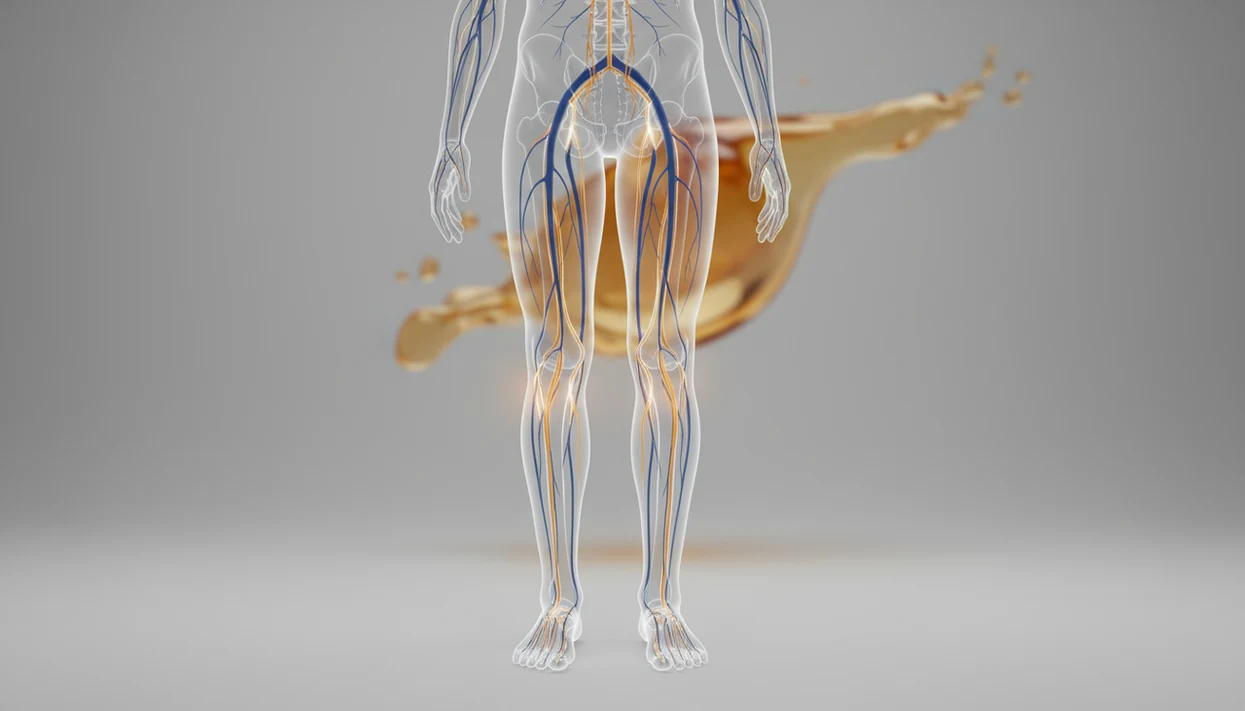
Alcohol nerve and spinal damage usually develops after long-term heavy drinking, when alcohol toxicity, inflammation, poor nutrition, and reduced nerve repair contribute to pain, numbness, weakness, and balance problems. Most cases involve peripheral nerves in the feet and legs rather than direct spinal cord injury, but heavy alcohol use can also affect broader nervous system function.
> Alcohol-related nerve damage is most often peripheral neuropathy linked to chronic heavy drinking, nutritional deficiency, or both, while true alcohol spinal cord damage is less common and needs medical evaluation.
This page is educational and cannot diagnose neuropathy, myelopathy, vitamin deficiency, stroke, or spine disease. If symptoms are sudden, one-sided, rapidly worsening, or involve bladder or bowel control, seek urgent medical care.
- Alcoholic neuropathy symptoms often start as burning, tingling, numbness, or weakness in the feet and lower legs.
- Alcohol vitamin B nerve damage is a major risk because alcohol can reduce thiamine and other B-vitamin intake, absorption, and storage.
- Alcohol nerve damage recovery is most likely when drinking stops early, nutrition improves, and other causes of neuropathy are ruled out.
Alcohol nerve and spinal damage at a glance
Quick answer: Long-term heavy drinking can injure nerves by increasing toxic stress, inflammation, nutrient depletion, and impaired repair. Symptoms often start as burning, tingling, numbness, or weakness in the feet and legs, and improvement may depend on reducing alcohol exposure, correcting deficiencies, and getting medical care early.
Key takeaways
- New numbness, foot pain, weakness, or balance changes deserve medical evaluation.
- Stopping or reducing alcohol may help prevent further nerve injury for many people.
- Vitamin deficiencies, especially B vitamins, can worsen alcohol-related nerve symptoms.
- Nerve healing is often slow and may take months or longer, if recovery occurs.
- Do not stop heavy daily drinking suddenly without medical advice because withdrawal can be dangerous.
- Tracking drinks, cravings, and triggers can make patterns easier to change.
Alcohol nerve and spinal damage is plain-language shorthand for nerve injury associated with chronic heavy drinking. In most medical discussions, it means peripheral neuropathy, not a literal injury inside the spinal cord.
Peripheral nerves carry signals between the brain, spinal cord, feet, legs, hands, and organs. When alcohol harms those nerves, symptoms may include burning pain, numbness, tingling, weakness, slowed reflexes, and balance problems. The first clue might be toes that feel hot at night or legs that feel less steady on stairs.
That wobble matters.
Alcohol can injure nerves directly and indirectly through nutrient depletion. New weakness, repeated falls, bladder or bowel changes, or rapidly worsening numbness should be checked by a clinician promptly, not watched for weeks at home.
Five facts about alcoholic neuropathy symptoms
- Alcohol-related neuropathy is a real acquired peripheral neuropathy linked to years of heavy drinking, and reviews describe it as common among people with chronic alcohol use disorder the NIH.
- Symptoms often begin in the feet and lower legs before the hands, which is why people notice socks, shoes, stairs, or shower balance first.
- Alcoholic neuropathy symptoms can include burning pain, numbness, tingling, weakness, reduced reflexes, and unsteady walking.
- Poor nutrition is a major contributor, especially low thiamine and other B vitamins that nerves use for energy and repair.
- Stopping alcohol early can improve symptoms, but long-standing damage may not fully reverse.
A common real-life pattern is subtle: the brunch menu turns into bottomless mimosas, then the feet burn later that night. For a wider nervous-system view, alcohol nervous system regulation explains how repeated drinking can train body signals over time.
How alcohol nerve damage works in the body
Alcohol-related nerve damage happens when alcohol toxicity, inflammation, oxidative stress, and nutrient deficiency interfere with nerve signaling, insulation, and repair. The technical terms are axonal injury and myelin damage; in everyday language, the wire and its coating stop working smoothly.
Alcohol can directly irritate peripheral nerves and the protective structures around them. It can also raise oxidative stress, which is cellular wear-and-tear, and make repair slower after small injuries. Nerves are not just cables. They need steady fuel.
Alcohol vitamin B nerve damage is especially important because chronic drinking can reduce appetite, impair absorption, and reduce storage of thiamine, also called vitamin B1. Other B vitamins matter too. If the body is short on these nutrients, nerve cells may struggle to maintain signals, insulation, and repair. The nutrition piece overlaps with alcohol vitamin deficiency nerve damage, but symptoms still need medical evaluation.
Peripheral neuropathy versus alcohol spinal cord damage
Most alcohol nerve damage articles are describing peripheral neuropathy, not spinal cord injury. Peripheral nerves sit outside the brain and spinal cord, so symptoms often show up in the feet, legs, and hands.
| Condition or phrase | What it usually means | Common clues | What to do |
|---|---|---|---|
| Peripheral neuropathy | Damage to nerves outside the brain and spinal cord | Burning, tingling, numb feet, weak ankles, reduced reflexes | Book medical evaluation and discuss alcohol, nutrition, and other causes |
| Alcohol spinal cord damage | An imprecise phrase that may refer to central nervous system or spinal cord involvement | Walking trouble, coordination changes, widespread weakness, bladder changes | Seek prompt medical assessment |
| Alcoholic myelopathy | A less common term for spinal cord dysfunction linked to alcohol-related disease or deficiency | Stiffness, weakness, gait changes, possible bladder issues | Treat as a medical concern, not a self-diagnosis |
The cold porch rail before sunrise may feel like a smoking cue, but stumbling on the step is different. Coordination loss and bladder changes need faster attention. Related conditions, including alcohol and multiple sclerosis, can also complicate symptom interpretation.
Alcohol vitamin B nerve damage and thiamine deficiency
Does alcohol cause vitamin B nerve damage? Yes, chronic heavy alcohol use can contribute to nerve damage by lowering thiamine, vitamin B1, and by affecting other nutrients such as B12 and folate.
Thiamine helps nerves turn food into usable energy. The NIH Office of Dietary Supplements notes that alcohol dependence can reduce thiamine intake, absorption, storage, and use the NIH statistics, which is why deficiency is often discussed in alcohol-related nerve disease. Cleveland Clinic describes alcoholic neuropathy as nerve damage that usually develops after years of heavy alcohol use clevelandclinic alcohol data.
Supplements can help correct a deficiency, but they are not a stand-alone fix if heavy drinking continues. Clinicians typically recommend evaluating nutrition, alcohol exposure, and other neuropathy causes together. Don’t guess from a bottle label. Ask about testing, dosing, and whether B12, folate, diabetes, kidney disease, or medications could be part of the picture.
Alcohol nerve damage recovery timeline and treatment basics
Alcohol nerve damage recovery depends on severity, duration, drinking pattern, nutrition, and other health conditions. The most common medically supported way to prevent ongoing alcohol-related nerve injury is stopping alcohol exposure combined with nutrition assessment and treatment of other causes.
Improvement may take months, and it can be incomplete when symptoms have been present for a long time. Supportive care often includes better nutrition, thiamine or vitamin replacement if prescribed, physical therapy, pain management, safer footwear, and fall prevention at home. Put the nightstand lamp within reach. Small friction changes count.
Doctors also need to rule out look-alikes. Diabetes, B12 deficiency, kidney disease, medication effects, autoimmune disease, and spine disorders can mimic alcoholic neuropathy symptoms. For people cutting back, a trigger map may show that wine buzz loosens nicotine rules, which then makes the next drink easier too. That linked pattern is covered more in alcohol neuroadaptation recovery.
When to seek medical help for numbness, weakness, or balance changes
Get medical help promptly for new numbness, weakness, falls, or balance changes, especially if symptoms are sudden or changing fast. Call emergency services now for one-sided weakness, facial droop, trouble speaking, severe new walking trouble, loss of bladder or bowel control, or a fall with injury.
Not every symptom is an emergency, but nerve symptoms should not be explained away as “just drinking.” Peripheral neuropathy, spine disease, stroke, medication effects, and vitamin deficiency can overlap because they can all affect strength, sensation, coordination, or reflexes. A clinician may need an exam, lab work, medication review, and sometimes imaging or nerve testing to sort out where the signal is failing.
- Call emergency care if symptoms are sudden, one-sided, rapidly worsening, linked with speech or vision changes, or involve bladder or bowel control.
- Book a clinician visit for burning feet, persistent tingling, worsening numbness, repeated tripping, or weakness that develops over days to months.
- Tell the full timeline: when symptoms started, whether they follow drinking, and whether they are spreading.
- Disclose alcohol use honestly, including amounts, recent changes, supplements, prescriptions, over-the-counter medicines, and any detox attempts.
MeQuit support for drinking less while protecting nerve health
Me Quit is a habit-tracking support tool for adults who want to stop smoking, stop vaping, drink less, and track cravings, streaks, and milestones. An app can’t tell whether numb toes are neuropathy, spine disease, or something else, but it can make drinking patterns visible enough to discuss honestly with a clinician.
Private logs can track cravings, alcohol-free days, drink-limit goals, triggers, and milestones. Tools like Me Quit help with cue, routine, reward awareness, not diagnosis, detox, or spinal cord treatment. A daily plan opened in the bathroom can be less dramatic than a public promise, but more useful at 7:10 a.m.
The Me Quit mequit addiction recovery hub for quit smoking, stop vaping, quit drinking, and mindful alcohol reduction can support habit tracking and streak repair, not medical testing or emergency care. More practical cut-back planning lives in the alcohol reduction guides.
Sources and medical review process
This page is built from medical review articles, NIH nutrition guidance, Cleveland Clinic patient education, and peer-reviewed literature on alcohol-related neuropathy and deficiency. It is not a substitute for clinician diagnosis, treatment, emergency care, or a supervised detox plan.
Claims about symptoms, vitamin deficiency, and recovery were checked against the same practical question: would this help someone describe symptoms clearly without pretending an article can examine them?
- Compare symptom language with medical descriptions of peripheral neuropathy, myelopathy, deficiency, and urgent neurologic warning signs.
- Check deficiency claims against nutrition references that explain how alcohol affects thiamine intake, absorption, storage, and use.
- Separate common patterns from certainty, especially where burning feet, numbness, weakness, diabetes, B12 deficiency, spine disease, or medications can overlap.
- Frame recovery cautiously by noting that stopping alcohol exposure and correcting deficiencies may help, while long-standing nerve damage can persist.
- Keep Me Quit in its lane: habit tracking, cravings, streaks, and alcohol-use visibility. It does not diagnose neuropathy, provide detox care, or replace medical testing.
Limitations
Online information can help you ask better questions, but it cannot diagnose the cause of numbness, weakness, pain, or gait changes.
- Symptoms are not specific to alcohol. Diabetes, B12 deficiency, kidney disease, autoimmune disease, medication effects, and spine problems can look similar.
- Research often focuses on chronic heavy drinking or alcohol use disorder, not brief or moderate drinking.
- Severe or sudden symptoms need medical evaluation rather than app-only behavior change.
If the thought is, “I already messed up, so why not keep going?”, use that as a decision point. Reset the plan. Then call for help if symptoms are changing fast.
FAQ
Can alcohol damage your nerves?
Yes. Chronic heavy alcohol use can damage peripheral nerves directly through toxicity and indirectly through nutritional deficiency, especially low thiamine and other B vitamins.
What are alcoholic neuropathy symptoms?
Alcoholic neuropathy symptoms can include burning pain, tingling, numbness, weakness, reduced reflexes, and balance problems. They often begin in the feet and lower legs.
Can alcohol affect the spinal cord?
Direct alcohol spinal cord damage is less common than peripheral neuropathy. Heavy alcohol use can still affect broader nervous system function, and spinal cord-type symptoms need medical evaluation.
Is alcohol nerve damage permanent?
Some people improve after stopping alcohol and correcting deficiencies. Long-standing nerve damage may be incomplete or permanent.
How long does nerve recovery take?
Recovery can take months or longer. The timeline depends on severity, duration, nutrition, drinking pattern, and other medical causes.
Does thiamine help nerve damage?
Thiamine can help correct deficiency linked to alcohol-related nerve problems. Supplementation should be clinician-guided and is not a stand-alone cure if heavy drinking continues.
Can drinking cause leg weakness?
Alcohol-related neuropathy can contribute to leg weakness. Diabetes, B12 deficiency, spine disorders, medications, and other causes should also be ruled out.
When should I see a doctor for numbness or weakness after drinking?
Seek medical evaluation for new weakness, falls, bladder or bowel changes, severe numbness, or rapidly worsening symptoms. Sudden one-sided weakness or trouble speaking needs emergency care.