

Alcohol Nerve Damage Symptoms: Tingling, Pain, and Weakness
Short answer
Heavy or long-term alcohol use can damage peripheral nerves directly and contribute to vitamin deficiencies. Symptoms often start in both feet as burning, tingling, numbness, or reduced sensation, then may spread upward. Weakness, balance trouble, foot drop, vision changes, or rapidly worsening symptoms need medical evaluation. Established nerve damage may improve, but it does not always fully reverse.
A buzzing toe, burning soles, or legs that feel less steady can be easy to blame on shoes, age, or a back problem. Alcohol-related neuropathy is another possibility, especially when symptoms affect both feet and develop gradually over weeks or months.
The pattern alone cannot confirm the cause. Diabetes, thyroid disease, vitamin B12 deficiency, medications, kidney disease, nerve compression, and spinal conditions can produce similar symptoms. A medical exam helps identify treatable deficiencies, rule out other causes, and address alcohol use safely.
How alcohol and vitamin deficiency can injure nerves
Alcohol vitamin deficiency nerve damage happens when alcohol exposure and low nerve-supporting nutrients injure peripheral nerves. Alcohol can contribute through two routes at once: direct nerve toxicity and impaired absorption, storage, or use of vitamins.
The vitamins most often discussed are thiamine B1, B6, B12, folate, and sometimes vitamin E. These nutrients help nerves signal, maintain protective tissue, and repair after stress. When they run low, symptoms often begin at the edges of the body, especially the feet, toes, fingers, and hands.
A new buzzing sensation in the toes can be an early reason to book an exam.
Regular drinkers with new tingling should not assume it is aging, shoe pressure, or simple back pain. A clinician may need to sort alcohol neuropathy from diabetes, spine disease, medication effects, or another neurologic condition.
Where alcohol neuropathy symptoms usually begin
Alcohol neuropathy symptoms often start as sensory changes in the feet, then move upward. Many people describe symptoms that are worse at night, after drinking, or when standing still.
- Burning pain: Alcohol-related nerve pain can feel hot, raw, or sunburn-like, especially in the soles.
- Tingling and pins and needles: People may feel buzzing, electric shocks, prickling, or a “walking on sand” sensation.
- Stocking-and-glove pattern: Symptoms often affect both feet, lower legs, and later the hands, rather than one single patch.
- Motor changes: Weakness, cramps, reduced coordination, balance problems, and restless-leg-like sensations can appear when motor nerves are involved.
- Autonomic symptoms: Nerve injury may also affect sweating, blood pressure, bowel function, bladder control, or sexual function.
A sour stomach before a social event can feel unrelated. But if it comes with foot tingling after repeated drinking, it belongs in the symptom history.
Alcoholic neuropathy symptoms, including vision changes
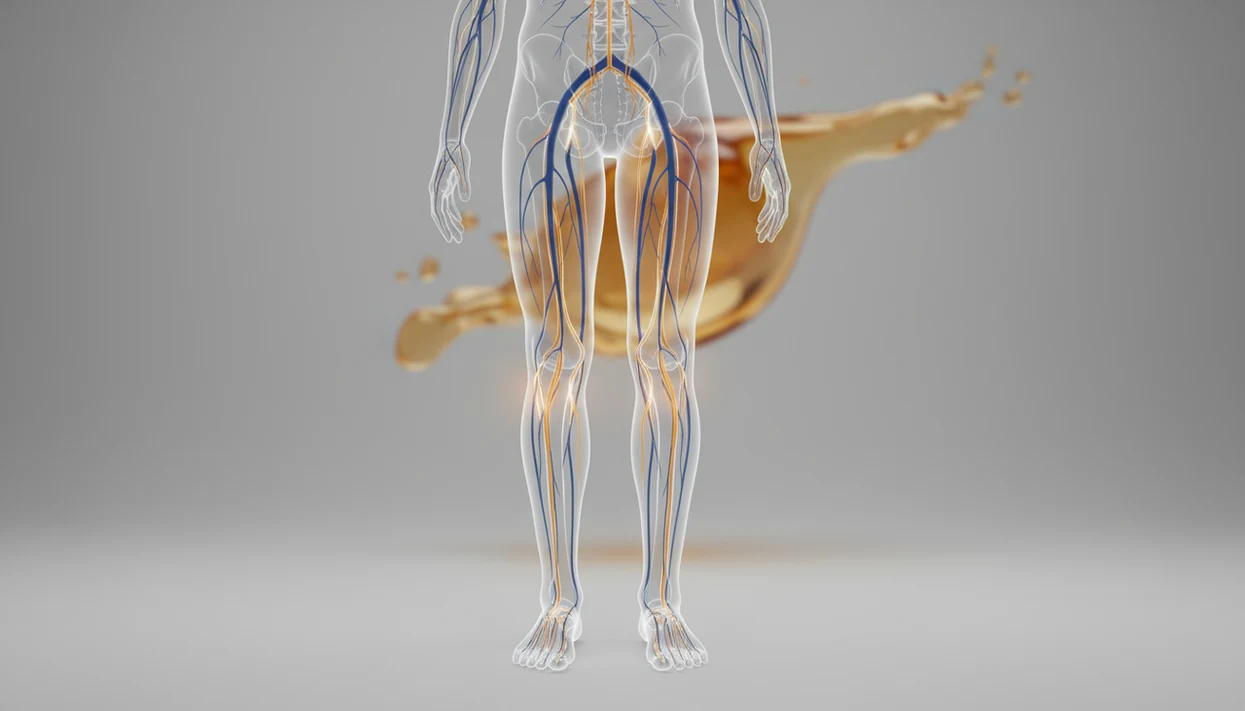
Alcoholic neuropathy symptoms commonly begin as burning, tingling, pins and needles, numbness, or reduced temperature sensation in both feet. The feet may feel heavy, unreliable, or as if they are walking on sand or glass. As damage progresses, symptoms can move into the lower legs and later the hands. Weakness, cramps, muscle loss, foot drop, clumsiness, and trouble balancing in a dark room can occur.
- Sensory symptoms: burning, stabbing pain, buzzing, numbness, or reduced awareness of heat and injury
- Motor symptoms: weak ankles, foot drop, cramps, reduced coordination, or repeated tripping
- Autonomic symptoms: altered sweating, lightheadedness, bowel changes, bladder trouble, or sexual dysfunction
- Balance symptoms: needing to watch the feet while walking or feeling less stable in low light
Heavy alcohol use and poor nutrition can also be associated with toxic-nutritional optic neuropathy. Possible symptoms include blurred or dim vision, washed-out colors, reduced red color perception, trouble reading, or central blind spots. Both eyes are often affected in a similar way. Reviews of nutritional optic neuropathy describe central vision and color changes as characteristic findings. New vision loss needs a prompt eye examination because delayed treatment can leave permanent impairment.
The roles of B1, B6, B12, and folate
Alcohol can damage nerves by lowering B-vitamin availability and by directly irritating nerve tissue. The two mechanisms can overlap, which is why supplements alone may not fully protect nerves if heavy drinking continues.
Thiamine B1 supports nerve metabolism, meaning the energy process nerves need to function. B6 is involved in neurotransmitter activity and nerve signaling, but both deficiency and excess can be harmful. B12 helps maintain myelin, the insulating layer around nerves. Folate supports cell repair and nervous system function.
Alcohol can reduce absorption in the gut, interfere with liver storage, and disrupt how vitamins are used. It can also increase inflammation and oxidative stress, separate from deficiency. For a wider nervous-system view, the related alcohol nervous system regulation guide explains how alcohol changes signaling beyond peripheral nerves.
This mechanism is consistent with clinical reviews describing alcohol-related neuropathy as a mix of nutritional deficiency and direct alcohol-related nerve toxicity: StatPearls.
The main medical priorities are reducing or stopping alcohol safely and having documented deficiencies corrected under clinical guidance.
How alcohol affects nervous system regulation and anxiety
Alcohol can feel calming for a few hours because it increases inhibitory GABA activity and reduces excitatory glutamate signaling. That short-term slowing is followed by adaptation. With repeated heavy use, the nervous system may become more excitable as alcohol wears off, contributing to anxiety, poor sleep, sweating, tremor, a racing heartbeat, and strong urges to drink.
This rebound is different from slowly developing peripheral neuropathy, although both can occur in the same person. The NIAAA overview of alcohol, the brain, and recovery describes how repeated alcohol exposure changes stress, reward, and inhibitory signaling. Those changes help explain why a drink can provide temporary relief while worsening anxiety or sleep later.
Heavy daily drinkers should get medical advice before stopping. Withdrawal can become dangerous, particularly after previous seizures, hallucinations, severe shaking, or delirium. Seizures, severe confusion, hallucinations, fever, chest pain, or severe agitation require emergency care.
Hours of relief followed by anxiety or shaking suggests rebound or withdrawal, not proof that alcohol is calming the nervous system overall.
Alcohol neuropathy vs sciatica
Alcohol neuropathy can mimic sciatica because both may cause leg pain, burning, tingling, or numbness. The pattern often gives the first clue, but evaluation matters because both conditions can coexist.
| Feature | Alcohol-related neuropathy | Sciatica |
|---|---|---|
| Typical pattern | Often both feet, then lower legs; may later affect hands | Often one-sided, from low back or buttock down one leg |
| Sensation | Burning, pins and needles, numbness, electric shocks | Sharp, shooting, radiating pain; may include tingling |
| Main mechanism | Peripheral nerve injury, vitamin depletion, alcohol toxicity | Nerve root irritation, often spine-related |
| Why it can confuse people | Leg symptoms may feel like “sciatic nerve pain” | Back pain may hide a separate neuropathy |
Persistent, worsening, one-sided, weak, or bladder/bowel-related symptoms need medical evaluation. Our alcohol nerve and spinal damage page covers the overlap in more detail.
Call 911 for sudden one-sided weakness, facial droop, speech trouble, severe confusion, seizures, new loss of bladder or bowel control, or abrupt inability to walk. If you drink heavily every day, need alcohol to feel normal, or have had withdrawal symptoms before, contact a clinician before stopping because abrupt withdrawal can be dangerous.
Alcohol and nerve damage: peripheral nerves vs spinal cord
Most discussions of alcohol and nerve damage refer to peripheral neuropathy. Peripheral nerves carry signals between the brain, spinal cord, skin, and muscles. Damage commonly produces burning, tingling, numbness, reduced reflexes, or weakness that begins in both feet. Alcohol spinal cord damage is a less precise phrase and may refer to spinal cord dysfunction caused by nutritional deficiency or another neurologic condition.
| Pattern | Common clues | Next step |
|---|---|---|
| Peripheral neuropathy | Burning or numb feet, weak ankles, reduced sensation, symptoms on both sides | Book a medical evaluation and discuss alcohol, nutrition, medications, and other causes |
| Possible spinal cord problem | Stiff legs, widespread weakness, major walking changes, or bladder and bowel symptoms | Seek prompt medical assessment |
| Possible stroke or acute neurologic problem | Sudden one-sided weakness, facial droop, speech trouble, or abrupt loss of coordination | Call emergency services |
Recovery also differs by cause and severity. Sustained abstinence and adequate nutrition may improve sensory symptoms, but established peripheral nerve damage may only partly reverse, according to a review of alcohol-related peripheral neuropathy. New bladder loss, bowel loss, repeated falls, foot drop, or rapidly spreading weakness should not be attributed to alcohol without urgent evaluation.
What the evidence says about frequency and recovery
These are population-level facts, not a diagnosis for one person. They can help frame what to ask a clinician when tingling or numbness appears.
- Up to 66% of individuals with chronic alcohol abuse may develop alcoholic polyneuropathy, according to the Foundation for Peripheral Neuropathy foundationforpn alcohol data.
- Over 50% of patients with alcohol use disorder have associated pyridoxine, or vitamin B6, deficiency in one 2023 clinical review the NIH.
- Chronic alcoholism is often associated with B12, B1, folate, and other B-vitamin deficiencies important for nerve health, according to NIH-reviewed clinical summaries of alcohol-related neurologic disease the NIH.
- Symptoms may improve after alcohol reduction and vitamin correction, especially when neuropathy is identified early.
- Some nerve damage can become permanent if heavy drinking continues for years.
For regular drinkers, early evaluation is often safer than waiting for numbness to “declare itself.”
Tests that can help identify the cause
An evaluation usually starts with a detailed symptom and drinking history, a neurologic exam, and lab tests selected for the possible causes. That visit may include questions about drinking pattern, diet, medications, diabetes risk, spine symptoms, falls, and family neurologic history.
Possible labs may include thiamine B1, B6, B12, folate, glucose or A1C, thyroid markers, liver markers, and other tests based on the exam. Some people also need nerve conduction studies or imaging if symptoms suggest spine involvement.
Normal basic labs do not always rule out alcohol-related nerve injury. A standard panel may miss functional deficiency, early neuropathy, or mixed causes.
One caution is important: do not self-treat with high-dose B6. Excess vitamin B6 can cause or worsen sensory neuropathy, so dosing should be discussed with a clinician NIH source.
Treatment priorities and realistic recovery
What helps alcohol neuropathy symptoms improve or stop worsening? Reducing or stopping alcohol is central because ongoing exposure can keep irritating nerves and blocking repair.
Medical care may include supervised vitamin repletion, often involving thiamine and other B vitamins when deficiencies are found. Supportive habits matter too: steady nutrition, hydration, sleep, gentle movement, fall prevention, foot checks, and pain management when needed.
A progress chart checked before sleep can be useful. A chart cannot treat neuropathy, but it may reveal links among drinking, sleep, meals, cravings, and symptom severity.
If cutting down feels hard, the guide on why alcohol moderation is hard explains the craving side.
Neuropathy vs withdrawal: two different timelines
Slowly progressive neuropathy and acute alcohol withdrawal can both cause unusual sensations, but their timelines and risks differ. Neuropathy generally develops over weeks, months, or years. Withdrawal may begin 6-12 hours after the last drink or a sharp reduction and commonly lasts 3-7 days, according to NHS guidance on alcohol dependence and withdrawal.
| Feature | Peripheral neuropathy | Alcohol withdrawal |
|---|---|---|
| Onset | Usually gradual over weeks or longer | Can begin within 6-12 hours after stopping or sharply reducing alcohol |
| Typical symptoms | Burning feet, numbness, reduced sensation, balance trouble, weakness | Tremor, sweating, anxiety, insomnia, nausea, racing heartbeat, abnormal sensations |
| Severe danger signs | Rapid weakness, falls, foot drop, bladder or bowel loss | Seizures, hallucinations, fever, severe confusion, or agitation |
Withdrawal seizures often occur within 12-48 hours, while delirium tremens commonly appears around days 2-3 and is life-threatening, as outlined in an alcohol detoxification guideline. A sudden increase in tingling after stopping does not automatically mean permanent nerve damage is worsening. Report it promptly so a clinician can assess withdrawal risk and other causes.
Get urgent care for these warning signs
Some symptoms should not wait for symptom tracking, vitamin shopping, or a lifestyle reset. Sudden neurologic changes need prompt medical assessment.
- Sudden weakness: New arm, leg, face, or one-sided weakness can signal a stroke or another urgent neurologic problem.
- Walking or balance collapse: Severe trouble walking, repeated falls, or sudden loss of coordination needs same-day care.
- Bowel, bladder, or saddle symptoms: New bladder loss, bowel loss, or numbness around the groin can signal spinal nerve compression.
- Brain and chest symptoms: Chest pain, severe confusion, fainting, or stroke-like symptoms require emergency evaluation.
- Wernicke concerns: Confusion, abnormal eye movements, and severe balance problems can reflect thiamine deficiency affecting the brain, not only peripheral nerves.
A lime wedge sinking in club soda is a fine harm-reduction moment. Severe confusion needs emergency care, not self-management.
The limits of symptom patterns and self-diagnosis
This guide can explain how alcohol and vitamin depletion may relate to tingling, numbness, and nerve pain. It cannot diagnose the cause of your symptoms or tell you which treatment or supplement dose is right for you.
Tingling has many possible causes, including diabetes, spine problems, medication effects, thyroid disease, infections, autoimmune conditions, injuries, and nutrient issues unrelated to alcohol. Alcohol may be one part of the picture, but persistent symptoms deserve a medical workup rather than a guess based on pattern alone.
If symptoms continue, spread, or worsen, use this information as a prompt to get evaluated:
- Track when tingling, numbness, pain, weakness, drinking, sleep, meals, and supplements occur.
- Bring that timeline to a clinician so they can decide which exam, labs, or nerve tests fit.
- Ask before starting or increasing B vitamins, especially B6, because dosing can matter.
- Separate behavior support from medical care: an app or journal can help you reduce alcohol and notice patterns, but it is not nerve treatment.
- Seek urgent care for sudden weakness, bladder or bowel changes, severe confusion, chest pain, or stroke-like symptoms.
Questions about alcohol-related nerve symptoms
Can alcohol cause tingling in both feet?
Yes. Alcohol-related peripheral neuropathy commonly causes symmetrical tingling, burning, numbness, or reduced sensation that begins in both feet and may move upward. Alcohol is not the only possible cause. Diabetes, vitamin deficiency, thyroid disease, medications, kidney disease, and compressed nerves can produce similar symptoms, so persistent tingling deserves an evaluation.
Where does alcoholic neuropathy usually start?
It usually starts in the toes or soles of both feet. Symptoms may include burning, pins and needles, numbness, or unusual sensitivity to touch. Over time, they can spread into the lower legs and later the hands. Sudden, one-sided, or rapidly spreading symptoms are less typical and need prompt medical assessment.
Can alcohol nerve damage be reversed?
Symptoms may improve after sustained abstinence, adequate nutrition, correction of deficiencies, pain treatment, and rehabilitation. Complete recovery is not guaranteed, especially after severe or long-standing damage. Improvement can be slow because nerves heal gradually. Continuing to drink heavily can cause further injury and reduce the chance of recovery.
Which vitamin deficiencies are linked with nerve symptoms?
Deficiencies involving thiamine, or B1, vitamin B12, folate, vitamin B6, and sometimes vitamin E can affect nerve function. Heavy alcohol use can interfere with nutrition, absorption, storage, and vitamin use. Do not start high-dose B6 on your own because excessive B6 can also cause sensory neuropathy.
How is alcohol-related neuropathy diagnosed?
There is no single test that confirms alcohol as the cause. A clinician may review drinking, diet, medications, symptom timing, strength, reflexes, walking, and sensation. Blood tests may check glucose, thyroid function, liver and kidney markers, and selected vitamins. Nerve conduction studies or imaging may be used when the pattern is unclear.
Can alcohol neuropathy feel like sciatica?
Yes, both can cause burning, tingling, numbness, or electric pain in a leg. Alcohol neuropathy more often begins in both feet and progresses upward. Sciatica is commonly one-sided and may run from the lower back or buttock down one leg. The two conditions can occur together, so an exam may be needed.
Can alcohol-related nerve damage affect vision?
Heavy alcohol use, poor nutrition, and vitamin deficiency can be associated with toxic-nutritional optic neuropathy. Symptoms may include blurred or dim vision, faded colors, trouble reading, or central blind spots, often in both eyes. Any new vision change needs prompt assessment because delayed treatment may result in permanent vision loss.
When is tingling or numbness an emergency?
Get emergency help for sudden one-sided numbness or weakness, facial droop, trouble speaking, severe confusion, seizures, abrupt walking difficulty, or loss of bladder or bowel control. Rapidly worsening weakness, repeated falls, foot drop, or new vision loss also needs prompt care. Gradual burning or tingling should still be discussed with a clinician.