How Alcohol Neuroadaptation Creates Cravings
Quick answer: Alcohol neuroadaptation cravings happen because repeated drinking trains the brain’s reward, stress, memory, and decision-making circuits to treat alcohol as a fast route back to relief or “normal.” These cravings are not a character flaw; they are learned brain responses that can be weakened by consistent cue management, healthier rewards, support, and practice.
> Definition: Alcohol neuroadaptation is the process where repeated alcohol exposure changes brain reward, stress, memory, and control circuits so alcohol becomes more strongly linked with relief, routine, and craving.
This guide is educational and cannot diagnose alcohol use disorder, withdrawal risk, or the safest plan for cutting down. If you have severe shaking, seizures, confusion, hallucinations, chest pain, or thoughts of self-harm, seek urgent medical care.
TL;DR
- Alcohol cravings can come from withdrawal, stress, emotional states, and cues your brain has linked with drinking.
- Craving involves more than dopamine; it also includes brain regions tied to emotion, memory, attention, and impulse control.
- You can rewire alcohol cravings by repeatedly replacing the old cue → drink → relief loop with healthier routines and rewards.
Alcohol Neuroadaptation Cravings at a Glance
Quick answer: Alcohol cravings often intensify because repeated drinking teaches the brain to connect alcohol with relief, reward, routine, and emotional regulation. Over time, cues like stress, certain places, or evening rituals may trigger a learned urge even when a person consciously wants to cut back.
Key takeaways
- Cravings are learned brain-and-body signals, not proof of weak willpower.
- The strongest urges often follow predictable cues: time of day, mood, people, places, or routines.
- Reducing exposure to high-risk cues can make early change easier for many people.
- Replacing alcohol with a consistent, healthier reward may help the brain learn a new pattern.
- Severe withdrawal symptoms can be dangerous and should be evaluated by a medical professional.
- Tracking cravings can reveal patterns that are hard to notice in the moment.
Alcohol neuroadaptation cravings are urges to drink that come from learned changes in the brain, not weak will. Repeated alcohol exposure can train reward, stress, memory, and decision-making circuits to expect alcohol when a person wants relief, confidence, sleep, escape, or celebration.
The public-health scale matters. In 2022, about 29.5 million people aged 12 or older in the United States had alcohol use disorder, according to NIAAA alcohol facts and statistics NIAAA alcohol data. That number does not mean every craving equals AUD, but it shows why alcohol craving deserves careful explanation.
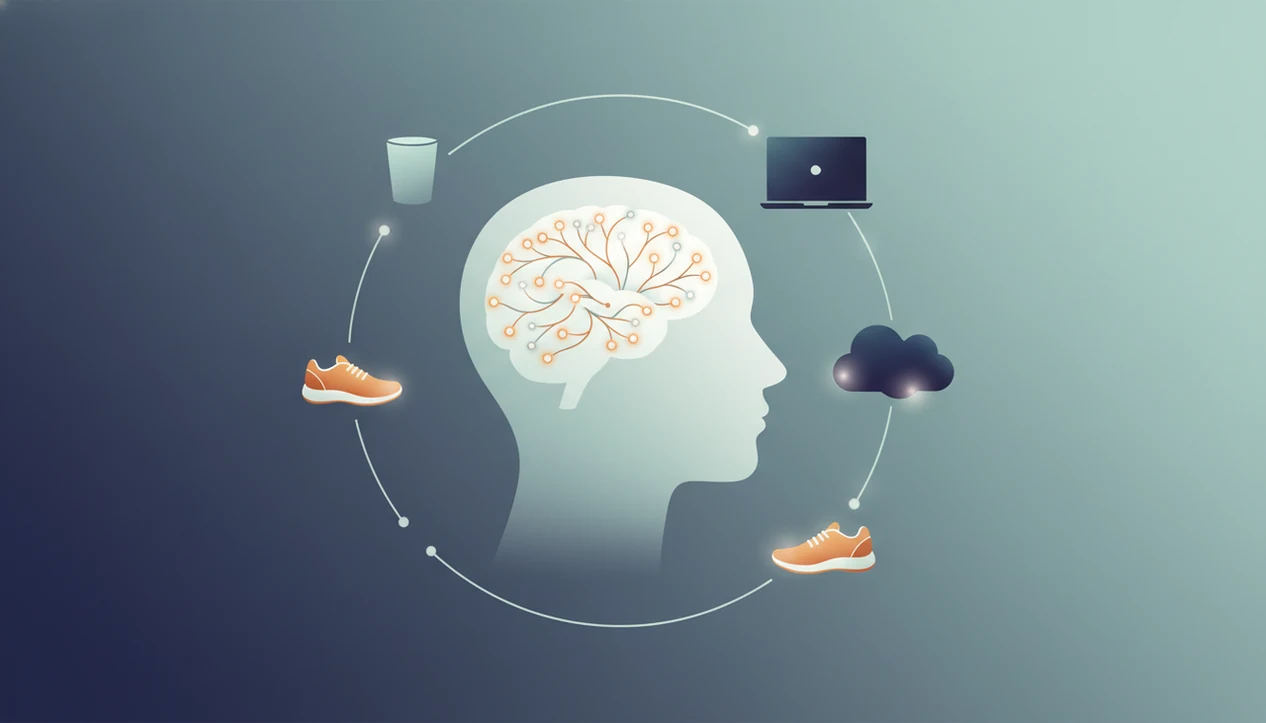
A weeknight pour after laptop shutdown can become more than a preference. It can become a practiced loop. Rewiring means changing the cue, the routine, and the reward often enough that the brain gets a different prediction.
Not instant. Still possible.
Five Facts About Why Alcohol Cravings Happen
- Alcohol neuroadaptation changes reward, stress, memory, and decision-making circuits, so alcohol can feel like a shortcut to relief rather than a simple choice.
- Withdrawal cravings and cue-triggered cravings are different, but they can overlap. Withdrawal is body-driven adaptation; cue craving is learned association.
- Stress, certain friends, familiar rooms, smells, times of day, and drinking memories can all trigger alcohol urges. A sticky bar table under fingertips can be enough for some people.
- Craving involves the prefrontal cortex, anterior cingulate, striatum, and amygdala, not dopamine alone. That helps explain why urges can feel emotional, focused, and hard to interrupt.
- Cravings can persist after detox because learned cues may remain active for weeks to months. The full recovery process is discussed in alcohol neuroadaptation recovery, but the short version is repetition: new responses need practice.
For many people, naming the trigger is easier than arguing with the urge because it turns a vague impulse into a pattern.
How Alcohol Neuroadaptation Works in Brain Reward Pathways
Alcohol neuroadaptation works by teaching the brain to expect alcohol-related reward, relief, or emotional settling after repeated drinking. The brain is not only “chasing dopamine”; it is learning predictions across reward, stress, memory, attention, and control systems.
In plain language, the cortico-striatal-limbic network means the planning brain, habit brain, and emotion brain are all involved. Neuroimaging research has linked stress and alcohol cues with activity in regions such as the medial prefrontal cortex, orbitofrontal cortex, anterior cingulate cortex, striatum, and amygdala in alcohol-dependent individuals ucla.
Stress-system activation also matters. When alcohol has been used to remove discomfort, drinking becomes negative reinforcement: not “I feel great,” but “I feel less bad.” That difference is clinically important. It changes the plan from chasing motivation to building safer relief.
The craving timer glowing in bed can feel strangely loud.
Withdrawal Cravings vs Cue-Triggered Alcohol Cravings
Withdrawal cravings come from the brain and body pushing back toward an adapted baseline. Cue-triggered alcohol cravings come from learned links between alcohol and specific contexts, such as Friday night, certain friends, stress after work, or celebrations.
Both can feel physical. Both can feel urgent.
| Craving type | What drives it | Common examples | Safety note |
|---|---|---|---|
| Withdrawal craving | The body has adapted to alcohol and reacts when alcohol is reduced or stopped | Shaking, sweating, anxiety, insomnia, nausea, rising panic | Severe withdrawal symptoms need medical care, especially seizures, confusion, hallucinations, or unstable vital signs |
| Cue-triggered craving | The brain has linked a cue with drinking and expected relief | Friday night, old drinking friends, a restaurant booth, a holiday toast | The urge can be intense even when physical withdrawal has passed |
| Mixed craving | Withdrawal discomfort and learned cues arrive together | Anxiety at dusk plus the usual drink time | Professional support can help separate risk from habit patterns |
A mild hangover after two extra drinks is not the same as dangerous withdrawal. If symptoms are severe or escalating, medical evaluation is the safer path.
When to Seek Medical Help for Alcohol Cravings
Seek medical help right away if alcohol cravings come with seizures, hallucinations, confusion, chest pain, or thoughts of self-harm. Also talk with a clinician before stopping suddenly if you drink heavily or daily, because alcohol withdrawal can become dangerous without monitoring.
Self-guided craving coping is for urges that are uncomfortable but medically stable. Detox and withdrawal management are different: they focus on keeping the body safe while alcohol levels fall. Needing that help does not mean you failed. It means the risk is bigger than a timer, a walk, or a craving log can safely handle.
- Call emergency services if symptoms feel severe, frightening, or unsafe, especially seizures, chest pain, confusion, hallucinations, or self-harm thoughts.
- Contact a clinician before a sudden quit attempt if you have heavy daily drinking, past withdrawal, severe shaking, or morning drinking to feel steady.
- Ask about treatment options such as medication for alcohol use disorder, therapy, outpatient programs, peer support, or medically supervised detox.
- Restart support quickly after a slip or relapse instead of hiding it. A changed plan is often more useful than shame.
Stress, Mood, and Alcohol Craving Loops
Does stress make alcohol cravings stronger? Yes, stress can make alcohol feel like the fastest route to relief because the brain remembers that drinking temporarily reduced discomfort before.
That is negative reinforcement. The drink removes anxiety, anger, loneliness, boredom, or shame for a short period, so the brain stores it as a solution. The problem is that the relief teaches the loop, even when the next morning brings more stress.
Chronic stress can sensitize craving pathways. That means a smaller trigger may create a larger urge than expected. Headache behind the eyes at dusk, a tense text message, or a quiet apartment after work can all become part of the pattern.
Pattern recognition is not self-blame. It is data. A useful craving log includes time, trigger, intensity, body sensation, and response, not just a vague note that says “bad mood.”
How to Use Reward Substitution to Rewire Alcohol Cravings
Reward substitution uses the cue → routine → reward model to replace an alcohol loop with a safer routine that still gives the brain something it values. The most practical way to rewire alcohol cravings is to repeat a specific replacement response when the same trigger appears.
- Identify the cue. Write down the time, place, emotion, people, and craving intensity from 1 to 10.
- Choose the replacement routine. Use one action you can do quickly, such as a walk, shower, breathing exercise, sparkling drink, text to a friend, or small hobby task.
- Add a real reward. Pair the routine with relief, taste, movement, warmth, music, social contact, or visible progress.
- Delay the drinking decision. Set a 10-minute timer before acting on the urge, then reassess the intensity.
- Review the pattern weekly. Keep what reduced intensity and change what only distracted you for a minute.
For people reducing alcohol, reward substitution is often easier than pure resistance because it gives the brain a competing routine instead of an empty command to “stop.”
Healthier Rituals That Rewire Alcohol Cravings
Healthier rituals work best when they match the reward alcohol was providing. A replacement that offers no relief, pleasure, sensory cue, or social signal usually fades quickly.
- Body reset ritual: A brisk walk, stretching, or a warm shower can target physical agitation. Movement gives the nervous system a different outlet.
- Sensory swap ritual: Sparkling water, tea, citrus, ice, or a special glass can replace part of the taste-and-hand routine. Small details matter.
- Connection ritual: Texting a friend, joining peer support, or leaving the room during a drinking cue can reduce isolation-based urges.
- Mindfulness ritual: Slow breathing or urge surfing can help a person notice craving intensity without obeying it.
- Progress ritual: A visible streak, craving log, or milestone chart can make delayed reward more concrete.
Me Quit can support that last ritual by giving adults a private place to log alcohol cravings, streaks, replacement routines, and milestones. On this page, Me Quit is a tracking aid, not detox, diagnosis, or medical treatment. For broader context, the alcohol reduction guides cover related brain and body topics.
Support Options for Persistent Alcohol Neuroadaptation Cravings
Persistent alcohol neuroadaptation cravings may need more than self-help, especially when urges are frequent, intense, or tied to withdrawal risk. Common support options include CBT, mindfulness training, relapse-prevention planning, peer support, and medications prescribed by a clinician.
Relapse rates for substance use disorders are commonly reported in the 40 to 60 percent range, according to NIDA guidance on treatment and recovery the NIH. That statistic is not a prediction for one person. It does show why ongoing support is normal, not a sign of failure.
Public-health guidance also treats alcohol harm as serious: the CDC attributed about 140,000 deaths per year in the United States to excessive alcohol use, based on 2015 to 2019 data CDC report. Clinicians typically recommend medical evaluation when alcohol reduction causes severe withdrawal symptoms, safety concerns, repeated loss of control, or inability to cut down.
App-based logs can support awareness and behavior change, but they are not detox, diagnosis, or medical treatment. The Me Quit mequit addiction recovery hub for quit smoking, stop vaping, quit drinking, and mindful alcohol reduction can deliver private craving tracking and progress feedback, not emergency care or a clinician relationship.
Limitations
Rewiring alcohol cravings is real, but it has boundaries. Habit practice can help, however it does not erase medical risk or replace professional care.
- Some people need medication, therapy, intensive outpatient care, residential care, or medical detox.
- Digital tools are not a substitute for medical evaluation during severe withdrawal.
- Mindful alcohol reduction is not appropriate or safe for everyone, especially after severe dependence or dangerous withdrawal.
Reset the plan.
A self-guided approach fits some lower-risk drinkers, while people with withdrawal symptoms, safety concerns, or repeated failed cut-down attempts should seek clinical support.
FAQ
Why do alcohol cravings happen?
Alcohol cravings can happen because repeated drinking changes reward, stress, memory, and control circuits. Withdrawal, cues, emotions, routines, and learned relief patterns can all contribute.
Are alcohol cravings about willpower?
Alcohol cravings are not simply about willpower. They involve measurable brain adaptation and habit learning, though personal choices and support still matter.
How long do alcohol cravings last?
A single alcohol craving often rises and falls within minutes. Cue-triggered cravings can recur for months or longer, especially around familiar drinking contexts.
Can the brain rewire itself after heavy drinking?
Yes, neuroplasticity allows new habits and rewards to weaken old alcohol associations over time. Recovery timelines vary by drinking history, health status, and support.
What triggers alcohol cravings?
Common alcohol craving triggers include stress, places, people, emotions, memories, routines, celebrations, and withdrawal discomfort. Some triggers are obvious, while others appear only after logging patterns.
Does detox stop alcohol cravings?
Detox may address physical withdrawal, but it does not always stop learned cue-triggered cravings. Ongoing coping skills, treatment, and support may still be needed.
What helps alcohol cravings fast?
Fast coping options include delaying the decision, walking, drinking water, paced breathing, changing rooms, distracting attention, or contacting support. Apps such as Me Quit can help log the craving and track what response worked.
When are alcohol cravings dangerous?
Alcohol cravings are dangerous when they come with severe withdrawal symptoms, loss of control, safety risk, or inability to cut down. Medical help is important for seizures, confusion, hallucinations, severe shaking, or thoughts of self-harm.