
How Alcohol Affects Neurogenesis in the Brain
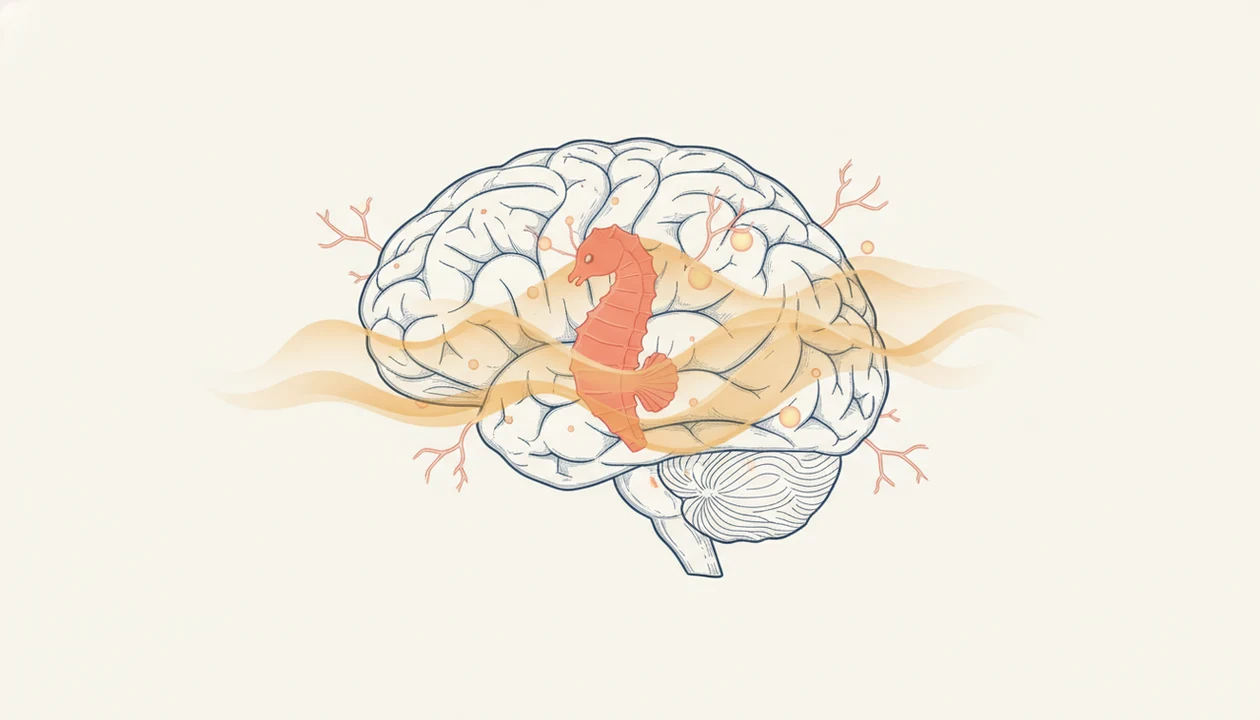
Research on alcohol and neurogenesis is strongest in the hippocampus: heavy or binge drinking can suppress the birth and survival of new neurons in this memory-related brain region. The clearest evidence comes from animal and preclinical research, which also suggests that reducing or stopping alcohol may allow some reactive brain repair, though not a guaranteed full reset.
> Definition: Neurogenesis is the process by which the brain creates new neurons, and in adults it is most often discussed in relation to the hippocampus, a region involved in learning, memory, and mood regulation.
TL;DR
- Heavy and binge drinking can reduce hippocampal neurogenesis, especially during adolescence and alcohol dependence.
- Alcohol may disrupt BDNF, inflammation, stress hormones, and neural stem-cell activity, all of which influence new brain cell growth.
- Abstinence may trigger partial recovery in some studies, but there is no proven alcohol dose that improves neurogenesis.
Alcohol and Neurogenesis: The Short Brain-Health Answer
Quick answer: Alcohol, especially heavy or binge drinking, can often interfere with neurogenesis in the hippocampus, a brain area involved in memory and learning. Cutting back or stopping may support healthier brain signaling and partial recovery for many people, but recovery varies and is not guaranteed.
Key takeaways
- The strongest evidence links heavy alcohol exposure with reduced new-neuron growth in memory-related brain circuits.
- Binge patterns may be especially disruptive because the brain is repeatedly exposed to high alcohol peaks.
- Sleep, nutrition, exercise, and stress reduction may support brain recovery when alcohol intake decreases.
- Adolescents and young adults may be more vulnerable because the brain is still developing.
- If you drink daily or heavily, do not quit abruptly without medical guidance because withdrawal can be dangerous.
- Tracking cravings and triggers can make alcohol reduction more concrete and easier to adjust.
Heavy and binge drinking can suppress hippocampal neurogenesis, meaning fewer new neurons are born, mature, and survive in a brain region tied to memory, learning, and mood. Light drinking has not been proven to boost neurogenesis.
The strongest evidence comes from animal studies, nonhuman primate research, and preclinical models. That matters because researchers can examine neural stem cells, immature neurons, and hippocampal tissue more directly than they can in living humans. The pattern is still important: alcohol exposure can interfere with the brain’s normal repair and adaptation signals.
A practical reading is simple. If alcohol is showing up as repeated binge episodes, lost sleep, or next-day recall gaps, reducing those episodes is a brain-health step. Not a guarantee. A step.
For a wider brain-behavior view, the related topic of alcohol neuroadaptation cravings explains how repeated drinking can also reshape reward and craving pathways.
Five Facts About Alcohol, New Brain Cells, and Memory
- Heavy and binge drinking reduce hippocampal cell proliferation and new neuron survival in preclinical models, especially during adolescent development and alcohol dependence.
- In one adolescent rat model, four days of binge alcohol exposure reduced hippocampal cell proliferation by 21.5% and led to 53% fewer new neurons one month later the NIH.
- In the same research area, doublecortin, a marker of immature neurons, fell by 33% and 28% at 0 and 2 days after the last binge exposure in adolescent rats the NIH.
- Chronic binge alcohol exposure in adolescent nonhuman primates caused persistent decreases in hippocampal neurogenesis that remained two months after alcohol was discontinued, according to a 2010 PNAS study pnas.
- During abstinence in alcohol-dependent rats, researchers have reported significant increases in neural progenitor cells and immature neurons within 7 to 14 days, suggesting reactive neurogenesis.
The short version: alcohol can narrow the brain’s “new-cell pipeline.” The effect is not just about one bad night; repeated exposure changes the environment where new neurons try to grow.
How Alcohol Affects Hippocampus Neurogenesis
The hippocampus is a memory and learning region where adult neurogenesis is most often studied, especially in the dentate gyrus. In plain language, it is one place researchers look when asking whether the adult brain can keep making new neurons.
How alcohol affects hippocampus neurogenesis works through several stages. Neural stem cells first divide, a process called proliferation. Some cells then mature, extend dendrites, connect into hippocampal circuits, and survive long enough to contribute to learning and memory. Alcohol can interfere at several points in that sequence.
It is not accurate to say alcohol simply kills brain cells every time someone drinks. The available evidence points to a broader pattern: disrupted stem-cell activity, altered dendrites, inflammatory signaling, stress-pathway activation, and poorer survival of new neurons.
The patio table with an ashtray and a pint is not just a social scene for some people. It can also be the place where two habit loops keep reinforcing each other.
Alcohol BDNF Levels and Brain Repair Signals
Does alcohol lower BDNF levels and slow brain repair signals? Alcohol may disrupt BDNF-related neuroplasticity pathways, but BDNF is only one part of a larger repair system.
BDNF, or brain-derived neurotrophic factor, is a growth-support signal involved in neuron survival, learning, and synaptic plasticity. Think of it as one of the chemical messages that helps neurons adapt and maintain useful connections. Alcohol exposure may disturb BDNF signaling, inflammatory balance, stress hormones, and cell-survival pathways at the same time.
Researchers are still mapping the exact pathways in humans. That is an important limitation, not a footnote. A blood or brain BDNF finding does not translate neatly into one person’s memory, mood, or recovery timeline.
For people comparing brain fog, cravings, and inflammatory symptoms after drinking, alcohol neuroinflammation effects covers a neighboring mechanism.
Alcohol Memory Brain Cells: Learning, Mood, and Recall Effects
Reduced adult hippocampal neurogenesis is associated with impaired learning and memory in preclinical research, while increased neurogenesis is linked with better performance in those functions frontiersin. That does not mean neurogenesis explains every alcohol-related memory problem.
The hippocampus helps the brain form and organize new memories. When alcohol interferes with hippocampal circuits, learning, recall, and mood regulation may suffer. Some people notice it as rereading the same page three times. Others notice the blank space after a night that included more drinks than planned.
Still, alcohol memory brain cells is a simplified phrase. Memory problems from alcohol can also involve poor sleep, blackouts, thiamine deficiency, depression, anxiety, medication interactions, and wider brain-network changes.
For heavy or binge drinkers, reducing alcohol is often more brain-relevant than chasing a supplement because it removes a repeated stressor on hippocampal plasticity.
Binge Alcohol, Adolescent Brains, and Lasting Neurogenesis Changes
Adolescent brains may be especially vulnerable to alcohol-related neurogenesis changes because the hippocampus and connected circuits are still developing. The strongest evidence here comes from adolescent animal and nonhuman primate models, not direct dose-matched human experiments.
Study findings are still concerning. Adolescent rat research reported lower cell proliferation, fewer surviving new neurons, and reduced doublecortin markers after binge-like exposure. In adolescent nonhuman primates, chronic binge alcohol exposure produced persistent decreases in hippocampal neurogenesis that were still present two months after alcohol stopped.
That does not mean every drink causes permanent brain-cell loss. It does mean short binge-like exposure can produce effects lasting weeks or months in models used to study developing brains.
The bathroom stall cloud after class tells a similar public-health story for nicotine. Early repeated exposure can train the brain before the person feels fully trained by it.
Alcohol Abstinence, Reactive Neurogenesis, and Partial Recovery
The two-phase story is important: alcohol can suppress neurogenesis during exposure, then abstinence may trigger reactive neurogenesis during early recovery. In alcohol-dependent rats, researchers have reported significant increases in proliferating neural progenitor cells and immature neurons in the hippocampus within 7 to 14 days.
One frequently cited rat study reported a temporally specific burst of hippocampal cell proliferation during abstinence after alcohol dependence jneurosci.
That timing should be read carefully. Reactive neurogenesis may support recovery, but it does not prove complete reversal or a return to a never-exposed baseline. New neurons still need to mature and integrate correctly into circuits. More cells alone are not the whole outcome.
For someone trying to drink less, reducing binge episodes is likely a brain-friendly step because it lowers repeated hippocampal stress. A calendar dry day marked green can be a small data point, not a moral score.
The related topic of alcohol neurogenesis recovery looks more closely at what is known, and not known, about repair after drinking stops.
Practical Alcohol Reduction Steps That May Support Neurogenesis
For heavy or binge drinkers, the most practical brain-friendly action is reducing alcohol exposure or quitting with appropriate support. This is risk reduction, not a promise that neurogenesis will fully normalize.
- Track each drink with time, setting, amount, and what happened before it.
- Identify binge triggers such as payday drinks, bottomless brunch menus, loneliness, or the bartender reaching for the usual bottle.
- Set alcohol-free days and treat them as recovery data, not a personality test.
- Protect sleep because poor sleep can worsen memory, cravings, and next-day decision-making.
- Plan for cravings by writing a response before the urge arrives.
- Seek medical support if you may be alcohol dependent or have withdrawal symptoms such as shaking, sweating, confusion, seizures, or hallucinations.
Me Quit can help adults privately track cravings, drink limits, dry days, streaks, and milestones. Me Quit mequit addiction recovery hub for quit smoking, stop vaping, quit drinking, and mindful alcohol reduction can support daily behavior tracking and reset planning, but it is not detox supervision, withdrawal care, or a medical diagnosis.
For broader habit planning, the alcohol reduction guides collect related topics on cravings, limits, and brain effects.
When to Seek Medical Help for Alcohol Withdrawal
Seek medical guidance before abruptly stopping alcohol if dependence is possible. Withdrawal can become dangerous, and a clinician can help decide whether home reduction, medication support, or supervised detox is safer.
Some warning signs need urgent care, not a wait-and-see plan: seizures, confusion, hallucinations, fever, severe shaking, or symptoms that feel like they are escalating quickly. Risk is also higher for people who are pregnant, have liver disease, have had withdrawal seizures before, drink heavily every day, or use sedatives or other substances that affect the nervous system.
- Call emergency services if seizures, hallucinations, severe confusion, fever, or uncontrolled shaking appear.
- Contact a clinician before quitting suddenly if morning drinking, tremors, sweats, or repeated failed stop attempts are part of the pattern.
- Share your history honestly, including pregnancy, liver disease, prior withdrawal seizures, medications, and other substance use.
- Use tracking tools carefully as notes for patterns and triggers, not as detox supervision, emergency care, or proof that stopping is medically safe.
A drink log can be useful. It cannot monitor blood pressure, prevent seizures, or replace a treatment team.
Limitations
The evidence on alcohol and neurogenesis is important, but it has clear boundaries.
- Much detailed evidence comes from animal and nonhuman primate studies, so exact human dose-response effects are uncertain.
- Individual vulnerability varies by age, genetics, mental health, sleep, nutrition, medication use, and other substance use.
- This article is educational and is not a diagnosis, detox protocol, withdrawal plan, or clinician relationship.
If alcohol withdrawal is possible, clinicians typically recommend medical assessment rather than stopping suddenly without guidance. A mild hangover after two extra drinks is different from withdrawal symptoms that need professional care.
FAQ
Does alcohol stop neurogenesis?
Heavy or binge drinking can suppress neurogenesis, especially in the hippocampus. The strongest evidence comes from animal, nonhuman primate, and preclinical research.
Does alcohol kill brain cells?
The common claim that alcohol simply kills brain cells is too broad. Alcohol more reliably disrupts neuron growth, dendrite structure, circuit function, and new-neuron survival.
Can the brain regrow neurons?
Adult hippocampal neurogenesis refers to the brain’s ability to create some new neurons in the hippocampus. The extent and functional importance of this process in humans are still being studied.
Does quitting alcohol restore neurogenesis?
Abstinence may trigger reactive neurogenesis in some animal studies, including changes within 7 to 14 days. This does not prove complete reversal of alcohol-related brain changes.
Does alcohol lower BDNF?
Alcohol may disrupt BDNF-related plasticity pathways, along with inflammation and stress-hormone systems. BDNF is important, but it is not the only mechanism involved.
Does binge drinking affect memory?
Binge drinking can disrupt hippocampal function and is associated with learning and memory problems. Memory effects may also involve blackouts, sleep disruption, nutrition, and broader brain-network changes.
Is moderate drinking safe for neurogenesis?
No alcohol dose is proven to improve adult hippocampal neurogenesis. Risk varies by age, health status, drinking pattern, sleep, genetics, and other substance use.
Are teen brains more vulnerable to alcohol?
Adolescent brains may be more vulnerable because the hippocampus and related circuits are still developing. Binge-like alcohol exposure in adolescent models has produced neurogenesis changes lasting weeks or months.