

How Alcohol Affects Gut Health, Immunity, and Vitamins
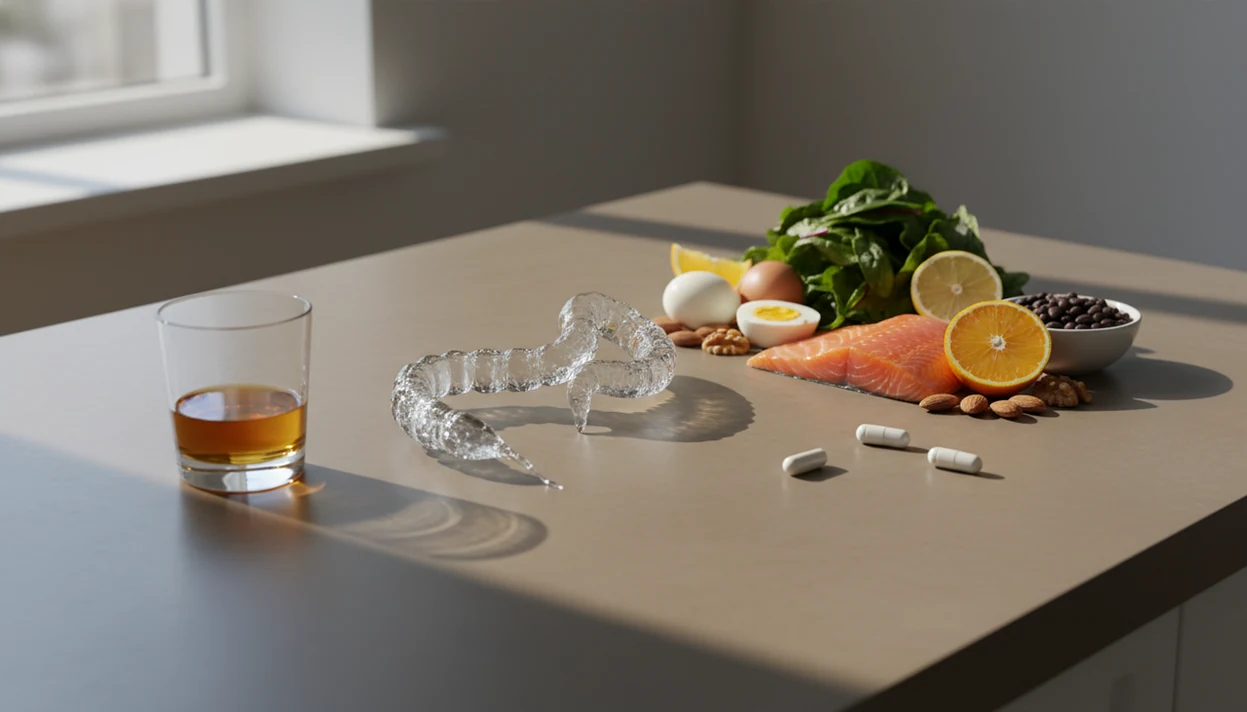
Gut trouble after drinking may show up as bloating, reflux, diarrhea, poor appetite, fatigue, or a harder-to-name sense that sleep and mood are off. These effects can involve the intestinal lining, gut microbes, immune signaling, food choices, and the way nutrients are absorbed and used.
The useful question is not which detox product to buy. Start with how much and how often you drink, what symptoms follow, and if cutting back could trigger withdrawal. From there, consistent meals, symptom tracking, medical testing, and targeted treatment can address specific problems.
Bottom line
Alcohol can irritate the intestinal lining, alter gut bacteria, increase immune stress, and interfere with nutrient absorption, especially during regular heavy drinking. Reducing alcohol exposure is more protective than adding probiotics or vitamins. Supplements can treat a confirmed deficiency, but they cannot prevent ongoing alcohol-related gut damage. Heavy daily drinkers should get medical advice before stopping suddenly.
The gut barrier is part of your immune defense
The gut barrier is a physical and immune defense layer that helps keep microbes, toxins, and partially digested material from crossing into the bloodstream. Alcohol can make this lining more permeable, which may raise inflammation and strain immune regulation.
That barrier is not just “digestion.” It is part of your immune system. When alcohol shifts the microbiome and irritates intestinal cells, immune cells may stay more activated than they should. Over time, that can contribute to broader immune dysregulation and higher infection susceptibility. The full microbiome pattern is covered in more detail in alcohol and gut microbiome.
The public-health context is serious, but it does not need scare tactics. The CDC estimates excessive alcohol use caused about 178,000 deaths per year in the United States during 2020-2021 (CDC alcohol data), and the WHO identifies alcohol as a major contributor to global disease burden (the World Health Organization alcohol data). When drinking is heavy, reducing alcohol exposure is usually the first priority, followed by a review of symptoms, eating patterns, and possible nutrient deficiencies.
How alcohol affects the gut microbiome and recovery
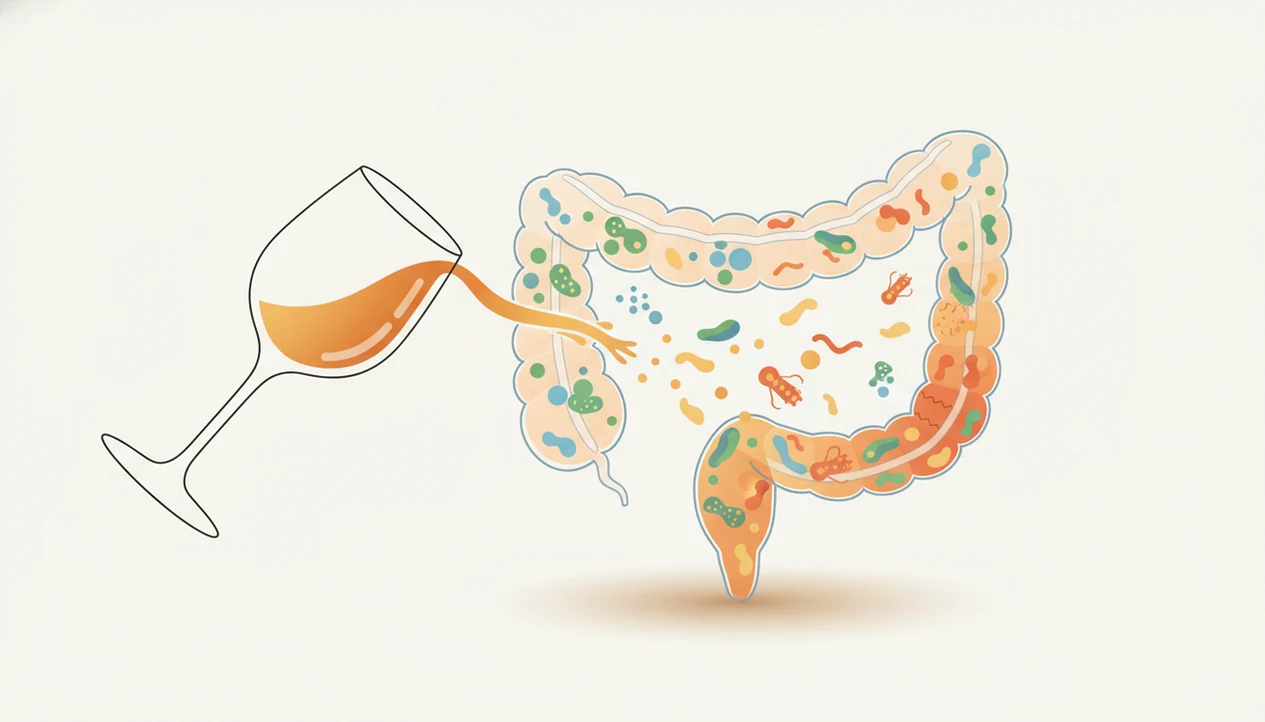
Alcohol-related microbiome changes involve more than alcohol touching the stomach. Ethanol and acetaldehyde, a reactive breakdown product, can stress intestinal cells and change which organisms thrive. Some beneficial microbes may become less dominant while other organisms expand. Researchers also report changes in microbial diversity, barrier function, and inflammatory signaling, although no single microbiome pattern applies to everyone. A review of alcohol and intestinal immune function describes how these changes can increase the movement of microbial products across the gut barrier.
A realistic alcohol gut microbiome recovery timeline
There is no dependable 7-day, 30-day, or 90-day microbiome reset. Reflux, bloating, bowel changes, and sleep disruption may improve within days or weeks for some people, while microbial and inflammatory changes can take longer. Ongoing bowel disease, liver disease, diet, medications, and the amount of alcohol consumed can all affect recovery.
- Reduce alcohol exposure, unless withdrawal risk makes an abrupt change unsafe.
- Eat fiber-rich foods such as beans, oats, vegetables, fruit, and whole grains, increasing gradually if bloating is a problem.
- Try yogurt or other fermented foods only if they are tolerated.
- Keep meals, hydration, and sleep times consistent.
- Get medical advice for persistent pain, bleeding, weight loss, vomiting, or ongoing diarrhea.
Does alcohol cause intestinal inflammation or worsen bowel disease?
Alcohol can directly irritate the intestinal lining, increase permeability, and alter gut bacteria. Those effects can expose immune cells to more gut-derived irritants. Symptoms may include cramping, urgency, diarrhea, bloating, nausea, or burning, but these symptoms do not prove that alcohol caused inflammatory bowel disease.
People who already have bowel disease may be more sensitive. In one U.S. study, 69% of participants with inactive inflammatory bowel disease who drank reported worse gastrointestinal symptoms, compared with 43% of participants with irritable bowel syndrome. A later systematic review of alcohol and inflammatory bowel disease reported a stronger flare association for ulcerative colitis than for Crohn's disease, including a 2.62-fold higher flare risk in the ulcerative colitis analysis.
| Drink | Possible triggers |
|---|---|
| Beer | Alcohol, carbonation, fermentable carbohydrates, and gluten in many products |
| Wine | Alcohol, acidity, histamines, and sulfites |
| Liquor | A high alcohol concentration, especially when consumed quickly |
| Cocktails | Alcohol plus sugar, citrus, caffeine, or other mixers |
Alcohol is generally best avoided during active enterocolitis, diverticulitis, an inflammatory bowel disease flare, unexplained bleeding, or dehydration. Contact the clinician managing your bowel condition if drinking repeatedly precedes pain, urgency, bleeding, or nighttime symptoms.
How alcohol causes gut dysbiosis and weakens the barrier
Alcohol gut dysbiosis means that the community of organisms in the digestive tract has shifted in a potentially harmful direction. Ethanol, acetaldehyde, diet changes, poor sleep, and intestinal inflammation can all contribute. Dysbiosis is not one specific lab result, and consumer microbiome tests cannot reliably identify a single supplement that will repair it.
The barrier and microbiome can also affect each other. Alcohol-stressed intestinal cells may form a weaker boundary, while microbial changes can increase inflammatory products near that boundary. According to a peer-reviewed review of alcohol and gut immunity, this can disrupt communication between microbes, intestinal cells, and the immune system.
Do not try to out-supplement repeated irritation. Less alcohol, regular meals, varied plant foods, sleep, and treatment of persistent digestive disease are more useful than a detox cleanse.
Why alcohol raises concern about B-vitamin deficiency
Does alcohol cause vitamin B deficiency? Alcohol can interfere with B-vitamin absorption, storage, activation, and use, so the issue is not only whether someone eats enough B-rich foods.
B1, also called thiamine, helps cells turn food into energy and supports nerve function. B6 helps with neurotransmitter pathways. B9, or folate, supports red blood cells and DNA production. B12 supports nerves, red blood cells, energy metabolism, and brain function. When these run low, people may notice fatigue, tingling, low mood, poor concentration, or a flat “I need something” feeling at dusk.
The B12 finding matters because it was not limited to severe drinking. A controlled feeding study found that alcohol equal to 5% of daily calories, about 1 to 2 drinks per day, lowered blood B12 levels. Add the inline PubMed source for this controlled-feeding claim here, and verify the participant count and alcohol dose before publication; if using the commonly cited moderate-alcohol trial, cite https://pubmed.ncbi.nlm.nih.gov/15173406/. Chronic heavy alcohol use also raises concern for thiamine deficiency and Wernicke-Korsakoff syndrome, a serious neurologic condition. If you have symptoms, heavy alcohol use, or trouble cutting back, ask a clinician about evaluation rather than guessing.
Nutrient absorption beyond B vitamins
Alcohol can inhibit absorption of multiple micronutrients in the small intestine, not just B vitamins. That matters because immune function depends on a pattern of nutrients, not one “recovery” pill.
Vitamin C: Supports immune-cell activity, antioxidant defenses, and tissue repair. Low intake, poor absorption, and higher oxidative stress can all matter.
Vitamins A, D, E, and K: These fat-soluble vitamins support immune signaling, barrier tissues, clotting, and antioxidant protection. But high doses can build up, especially vitamin A.
Zinc and magnesium: Zinc supports immune-cell development and wound repair. Magnesium supports muscle, nerve, and energy pathways.
Iron, calcium, and selenium: These minerals affect oxygen transport, bone health, thyroid function, and antioxidant systems.
Deficiencies can come from malabsorption, lower diet quality, increased urinary losses, vomiting or diarrhea, liver-related changes, and medication interactions. The deeper nutrient pathway is explained in alcohol gut nutrient absorption. Avoid megadosing fat-soluble vitamins or minerals without guidance. More is not automatically safer.
If you drink heavily every day or have previously had alcohol withdrawal, do not stop suddenly without medical advice. Call emergency services for a seizure, hallucinations, severe confusion, fever, fainting, chest pain, uncontrollable vomiting, vomiting blood, black stools, or rapidly worsening symptoms after cutting back.
How alcohol affects nutrient absorption and deficiencies
Alcohol can affect nutrition at several points: appetite and meal choices, absorption in the small intestine, storage, metabolism, and urinary losses. Heavy drinking, vomiting, diarrhea, liver disease, and irregular eating increase the risk. A review of alcohol, the gut, and nutrition describes deficiencies involving B vitamins as well as vitamins C and D and other micronutrients.
- Thiamine, or vitamin B1: Supports energy metabolism, brain function, and nerves. Confusion, abnormal eye movements, or difficulty walking require urgent assessment.
- Vitamin B12: Supports nerves and red blood cell formation. Low levels can cause fatigue, tingling, balance problems, or memory changes.
- Folate: Supports DNA production and red blood cells. Deficiency may contribute to anemia and fatigue.
- Zinc: Supports immune function, appetite, wound healing, and tissue repair.
- Vitamins A, C, D, E, and K: Support barrier tissues, immune signaling, antioxidant defenses, bones, and blood clotting.
For two weeks, record drinks, meals, bowel symptoms, sleep, and energy. Ask about testing if fatigue, numbness, weight loss, poor appetite, vomiting, or digestive symptoms persist. High-dose supplements are not automatically safer, especially fat-soluble vitamins such as A and D. Treatment should match the deficiency and account for medications, liver health, kidney health, and pregnancy.
Can gut changes affect sleep, mood, and cravings?
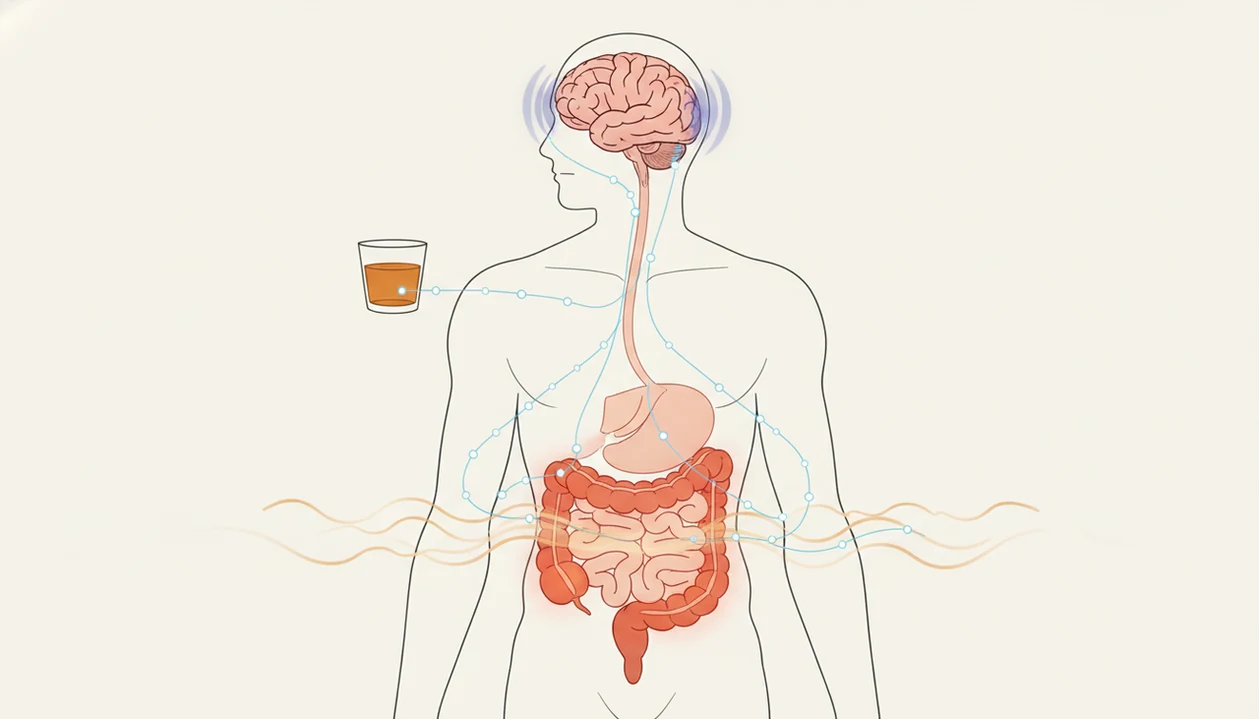
The gut-brain axis is two-way signaling between the gut, microbes, immune system, and nervous system. Alcohol-related inflammation and nutrient depletion may affect mood, cognition, sleep, and cravings, but they are one pathway, not the whole story.
A craving can feel physical before it becomes a thought. Tight chest. Restless legs. A quick scan of the room for what usually comes next. Alcohol may worsen that loop through poor sleep, blood-sugar swings, gut irritation, and lower nutrient status. The alcohol gut brain axis is especially relevant for people who notice anxiety, brain fog, or stronger urges after several drinking nights.
Food habits help, but they work better with alcohol reduction. Fiber-rich foods, beans, oats, vegetables, fermented foods if tolerated, and steady hydration can support the gut environment.
Alcohol and the gut-brain axis: mood, sleep, and cravings
The gut-brain axis includes signals traveling through immune pathways, nerves, hormones, and microbial products. Alcohol can weaken tight junctions, the small seals between intestinal cells. When the barrier becomes more permeable, bacterial products can enter circulation more easily and trigger inflammatory signals. This is often called leaky gut, although increased intestinal permeability is the more precise term.
| Alcohol-related change | Possible result |
|---|---|
| Microbiome disruption | Bloating, bowel changes, or altered microbial signaling |
| Greater intestinal permeability | More immune activation and inflammatory signaling |
| Poor sleep and blood-sugar swings | Fatigue, irritability, and stronger urges the next day |
| Repeated cue and reward learning | Cravings after work, during stress, or in familiar drinking settings |
These pathways influence risk, but they do not predict exactly how one person will feel. Anxiety can occur without stomach pain, and bowel symptoms can occur without obvious mood changes. Gut-supportive foods may help overall nutrition, but they do not replace treatment for anxiety, depression, alcohol use disorder, or withdrawal. The most direct gut-brain intervention is reducing alcohol exposure safely and observing which symptoms change.
Food, testing, and supplements versus alcohol reduction
Recovery support works best as a stack: reduce alcohol, improve food quality, test when appropriate, and use targeted supplements only when they fit. A multivitamin, immunity gummy, probiotic, or hangover pill cannot fully protect the gut barrier or immune system from ongoing heavy drinking.
| Support option | What it can help with | What it cannot do |
|---|---|---|
| Food-first nutrition | Protein, fiber, minerals, steady energy, gut support | Quickly correct every deficiency |
| Lab testing | B12, folate, vitamin D, iron status, liver markers, other risks | Replace clinical judgment |
| Clinician-guided supplements | B-complex, thiamine, folate, B12, vitamin D, magnesium, zinc | Cancel alcohol-related tissue effects |
| Alcohol reduction | Lowers the source of gut irritation and nutrient disruption | Diagnose symptoms or manage withdrawal alone |
A workable plan often starts with less alcohol and regular, nutrient-dense meals, then adds testing when symptoms, heavy use, medications, pregnancy, or existing medical conditions raise the risk of deficiency. Be careful with high-dose vitamin A, iron, niacin, and stacked supplement blends.
Make a safer, measurable plan to drink less
Before setting alcohol-free days, consider withdrawal risk. If you drink heavily every day, need alcohol to stop shaking, or have had withdrawal symptoms, seizures, or hallucinations before, contact a clinician rather than stopping suddenly.
- Record every drink for several days, including the amount, time, place, and what happened before it.
- Measure pours. A large wine glass, strong beer, or mixed drink may contain more than one standard drink.
- Choose a specific daily or weekly limit instead of a general promise to drink less.
- Identify two high-risk situations, such as finishing work or meeting friends at a bar, and plan an alcohol-free alternative.
- Keep less alcohol at home and tell one trusted person about the plan.
- Review sleep, digestion, cravings, and missed limits after one or two weeks.
The CDC recommends first identifying current consumption and then setting clear limits and practical changes. Its steps for getting started with drinking less can help structure the plan. CDC guidance also states that drinking less is safer than drinking more, and not drinking is a valid choice.
Get medical care for these withdrawal or deficiency signs
Seek medical help the same day if alcohol reduction brings severe symptoms, or if nutrient-deficiency signs affect your nerves, balance, thinking, or vision. Heavy drinkers should not stop abruptly without guidance, because withdrawal can become dangerous.
- Get urgent care for shaking that feels hard to control, heavy sweating, fast heartbeat, fever, severe anxiety or agitation, confusion, hallucinations, seizures, chest pain, fainting, or symptoms that escalate after cutting back.
- Report neurologic changes such as new numbness or tingling, burning feet, severe weakness, trouble walking, poor coordination, memory gaps, confusion, double vision, or unusual eye movements; these can fit serious thiamine or B12 deficiency patterns.
- Watch for liver and bleeding warnings including yellow skin or eyes, dark urine, pale stools, swollen belly, easy bruising, black or bloody stools, vomiting blood, or persistent vomiting that prevents fluids or food.
- Choose lab testing over guessing when drinking has been heavy, symptoms are present, pregnancy is possible, prescriptions are involved, or you are considering high-dose iron, vitamin A, niacin, B vitamins, or multiple stacked blends.
- Ask for a taper or detox plan if you drink daily or heavily; a clinician can help make cutting back safer than white-knuckling withdrawal alone.
How the health evidence was reviewed
This article is editorially reviewed for clarity, safety, and evidence alignment; it is not a personal medical review of your symptoms. It uses medical and public-health sources to explain risk, not to diagnose deficiency, withdrawal, immune disease, or alcohol use disorder.
Our review process gives more weight to public-health agencies such as the CDC, WHO, NIH, and NIAAA, then to peer-reviewed nutrition, addiction, gastroenterology, and immunology research. Claims about supplements are checked more cautiously than claims about deficiency risk, because supplement marketing often runs ahead of long-term clinical evidence.
- Prioritize authoritative sources when describing alcohol risk, withdrawal danger, nutrient deficiency, and public-health burden.
- Check supplement claims against human data when available, dose ranges, safety warnings, medication interactions, and whether the product treats a measured deficiency or only promises “support.”
- Separate education from care by explaining patterns and warning signs while directing symptoms, lab interpretation, tapering, detox, and dosing decisions to clinicians.
- Revisit evidence regularly as alcohol guidance, nutrition research, and supplement safety findings change, with extra attention to withdrawal standards and deficiency treatment.
- Avoid overclaiming when evidence is early, animal-based, brand-funded, or focused on short-term markers instead of real health outcomes.
Alcohol, digestion, and vitamin questions
Can alcohol weaken the immune system through the gut?
Yes. Alcohol can weaken the intestinal barrier, change gut bacteria, and increase the movement of microbial products into circulation. That may keep immune pathways more activated while weakening parts of the body's defense against infection. Risk is greater with repeated heavy drinking, poor nutrition, liver disease, and disrupted sleep.
Which vitamin deficiencies are linked to heavy drinking?
Common concerns include thiamine, folate, vitamin B12, vitamin C, and vitamin D. Alcohol can also affect vitamins A, E, and K and minerals such as zinc, magnesium, iron, calcium, and selenium. The actual pattern varies, so persistent symptoms are better assessed with medical history, examination, and targeted blood tests.
Can alcohol cause thiamine deficiency?
Prolonged heavy drinking can contribute to thiamine deficiency through poor intake, reduced absorption, altered use, and depleted stores. Risk rises with vomiting, weight loss, or malnutrition. Confusion, abnormal eye movements, severe weakness, or trouble walking can indicate Wernicke encephalopathy and require emergency medical assessment.
Will a B-complex vitamin protect my gut if I drink?
No. A B-complex may help correct or prevent a specific deficiency in some circumstances, but it does not protect the intestinal lining or microbiome from ongoing alcohol exposure. High doses can also cause side effects or interact with medical conditions. Ask a clinician about testing and an appropriate dose if heavy drinking or symptoms raise concern.
Do probiotics restore gut health after alcohol?
Probiotics may help some digestive symptoms, but there is no established product, strain, or schedule that reliably reverses alcohol-related dysbiosis. Fermented foods are another option if tolerated. Reducing alcohol, eating varied fiber-rich foods, sleeping consistently, and treating an underlying digestive condition usually matter more than choosing a probiotic.
How long does the gut take to recover after drinking less?
There is no fixed reset period. Bloating, reflux, sleep, or bowel symptoms may improve over days to weeks, while microbiome and inflammatory changes may take longer. Recovery depends on drinking history, diet, medications, liver health, and existing bowel disease. Persistent pain, bleeding, weight loss, vomiting, or diarrhea needs medical evaluation.
Can alcohol cause bloating and diarrhea?
Yes. Alcohol can irritate the gut, speed or disrupt intestinal movement, affect fluid balance, and change bacterial fermentation. Beer, wine, cocktails, carbonation, sugar, and mixers may add separate triggers. Repeated diarrhea can worsen dehydration and nutrient loss. Seek care if it is persistent, bloody, black, painful, or accompanied by fever or weight loss.
Is it safe to stop drinking suddenly for better gut health?
Not for everyone. Abruptly stopping can be dangerous for someone who drinks heavily every day or has had withdrawal, seizures, or delirium before. Withdrawal may begin within hours and can escalate. Get medical advice before stopping in these situations. Seizures, hallucinations, severe confusion, fever, or uncontrollable vomiting require emergency help.