
How Alcohol Affects Gut Serotonin, the Microbiome, and Mood
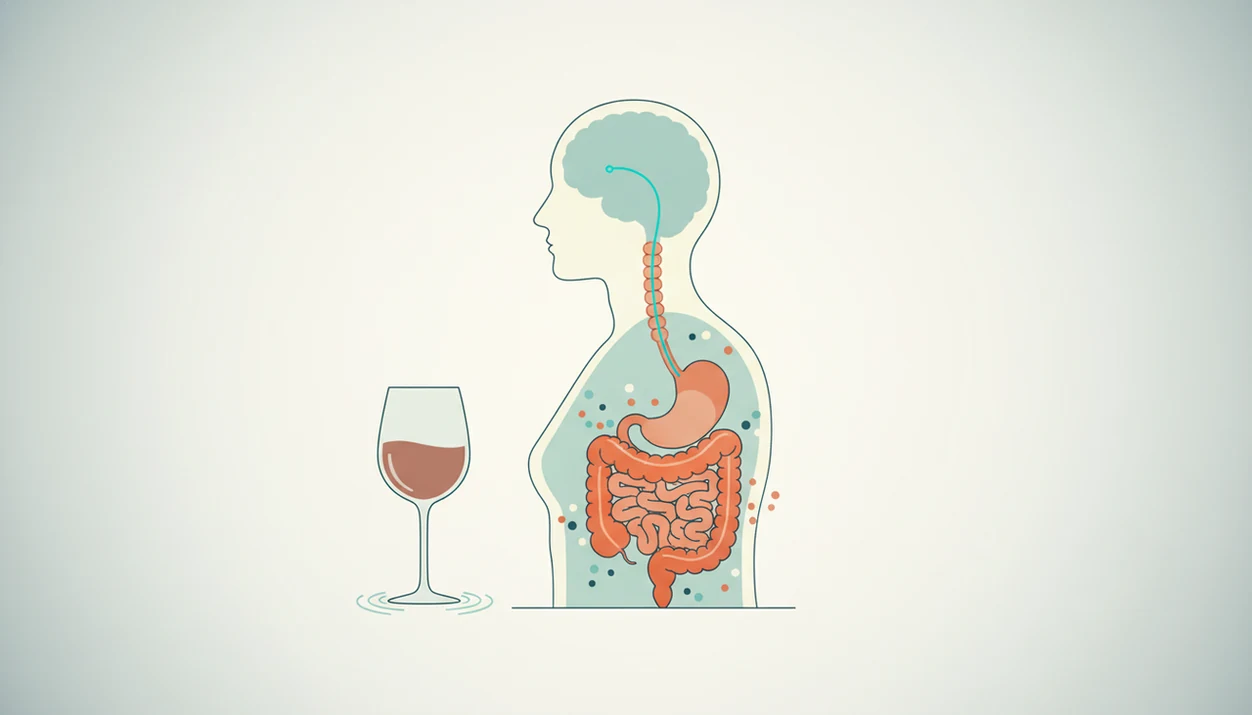
Alcohol can affect mood partly by irritating the gut, shifting the microbiome, and changing gut-brain signals rather than simply “draining” serotonin. The alcohol gut serotonin mood connection is real, but it is indirect: most serotonin is made in the gut, while mood changes also involve sleep, stress, inflammation, withdrawal, and brain chemistry.
Definition: Alcohol gut serotonin mood describes how drinking may influence emotional state through gut inflammation, microbiome changes, serotonin-related signaling, and the gut-brain axis.
TL;DR
- About 95% of the body’s serotonin is produced in the gut, but gut serotonin does not simply cross into the brain; see this peer-reviewed review on peripheral serotonin signaling: https://www.ncbi.nlm.nih.gov/pmc/articles/PMC6469458/.
- Alcohol can disrupt gut bacteria, gut lining integrity, immune signaling, and vagus nerve communication, all of which may affect mood.
- Gut mood after quitting alcohol often improves gradually, but there is no guaranteed “serotonin reset” timeline.
Alcohol Gut Serotonin Mood: Five Facts to Know First
Quick answer: Alcohol may affect mood through gut irritation, microbiome shifts, inflammation, sleep disruption, and gut-brain signaling, not by simply “using up” serotonin. Because gut serotonin mostly acts locally in the digestive system, mood effects are usually indirect and vary by person.
Key takeaways
- Most serotonin is produced in the gut, but it does not directly become brain serotonin.
- Alcohol can irritate the digestive tract and may worsen bloating, diarrhea, reflux, or nausea.
- Mood dips after drinking often involve poor sleep, stress hormones, withdrawal effects, and inflammation.
- Cutting back gradually can make patterns in cravings, mood, and triggers easier to spot.
- Severe anxiety, shaking, confusion, seizures, or hallucinations after stopping alcohol need urgent medical care.
- Food, hydration, sleep, movement, and support can help stabilize routines while drinking less.
- Gut serotonin and mood are linked indirectly, not through a simple “alcohol empties serotonin” model.
- About 95% of the body’s serotonin is produced in the gut, according to a 2019 review, but brain serotonin is regulated separately.
- Alcohol can irritate the gut lining, increase inflammatory signaling, and shift the microbiome away from its usual balance.
- The main gut-brain routes are the vagus nerve, immune signaling, hormones, and microbial metabolites.
- Low mood after drinking can also come from fragmented sleep, dehydration, rebound anxiety, stress hormones, and withdrawal effects.
That last point matters after a night that seemed “normal.” You may blame your mood on one chemical, but the body is handling several signals at once. Heavy shoulders at happy hour can become restless sleep, a sour stomach, and a flat mood the next morning.
Not one switch. A whole circuit.
How Alcohol Gut-Brain Serotonin Signaling Works
Alcohol gut-brain serotonin signaling works through the gut-brain axis, a two-way communication system between the digestive tract and the brain. Gut serotonin helps regulate gut movement, sensation, and local signaling, while brain serotonin is controlled by separate nervous system processes.
The gut-brain axis uses several routes at the same time. The vagus nerve carries information between the gut and brain. Immune signals report irritation or inflammation. Microbial metabolites, which are compounds made by gut bacteria, can also influence body-wide signaling. Hormones add another layer.
Alcohol can touch several of these routes at once. It may irritate the gut, disturb sleep, change stress chemistry, and make cravings louder the next day. If wine buzz loosens your nicotine rules, that is not just “bad discipline.” It is a decision point shaped by habit loops, cues, and body state.
Alcohol Microbiome Serotonin Changes in the Gut
Alcohol microbiome serotonin changes are better understood as shifts in gut ecology, not one harmful germ taking over. Dysbiosis means the microbial balance changes in a way that may affect digestion, gut barrier function, inflammation, and serotonin-related local signaling.
The human gut microbiome has historically been estimated at about 100 trillion microbial cells. A 2021 systematic review found alcohol use was associated with measurable microbiota changes across multiple human and animal studies. For a broad review of alcohol-related dysbiosis, gut permeability, and inflammatory signaling, cite: https://www.ncbi.nlm.nih.gov/pmc/articles/PMC5513683/. That does not mean every drink causes the same change in every person. It means alcohol exposure is a real pressure on the gut system.
For a deeper gut-only view, the alcohol gut microbiome guide covers bacteria, diversity, and gut lining changes in more detail. The practical takeaway is simpler: when alcohol repeatedly irritates the gut, mood may be affected through inflammation, poor sleep, and altered gut-brain signals.
The stomach often notices first.
Vagus Nerve Alcohol Mood Pathways
Can the vagus nerve explain alcohol-related mood changes? It may be one pathway, because the vagus nerve is a major information route between the gut and brain, but it is not the only one.
NIH and peer-reviewed gut-brain research describe this axis as involving the vagus nerve, immune signaling, endocrine signaling, and microbial metabolites; see https://www.ncbi.nlm.nih.gov/pmc/articles/PMC5859128/. In plain language, the brain is not guessing what is happening in the gut. It receives signals from nerves, immune activity, bacterial byproducts, and hormones.
Alcohol-related gut irritation may change the “status updates” the brain receives. That can show up as fogginess, unease, low mood, or the vague “I need something” feeling that often precedes a drink, cigarette, or vape. However, vagus nerve stimulation alone should not be treated as a fix for alcohol-related mood problems. The stronger plan is reducing alcohol exposure, improving sleep, and watching the trigger map over time.
Mood After Drinking Alcohol and Gut Serotonin Myths
Feeling depressed after drinking is not always a serotonin issue. Alcohol can affect mood through gut inflammation, microbiome shifts, sleep fragmentation, dehydration, stress hormones, rebound anxiety, and withdrawal-like effects.
| Common claim | More accurate explanation |
|---|---|
| “Alcohol uses up serotonin.” | Alcohol can affect serotonin-related signaling, but the direct depletion story is oversimplified. |
| “If my gut is healthy, my mood should be fine.” | Gut health matters, but sleep, stress, anxiety, nutrition, and withdrawal risk also matter. |
| “Probiotics will fix alcohol mood symptoms.” | Probiotics may help some people, but they are not a standalone reset for alcohol-related mood changes. |
| “Sadness after drinking means something is wrong with me.” | Low mood after drinking is common and can reflect body stress, poor sleep, or rebound anxiety. |
For many people, reducing alcohol is often more useful than chasing a serotonin supplement because it removes the repeated gut and sleep disruption driving the pattern.
Gut Mood After Quitting Alcohol Timeline
Gut mood after quitting alcohol can improve gradually, but timing varies. Digestive symptoms, sleep, cravings, anxiety, and mood do not all change on the same schedule.
First Days Without Alcohol
In the first days, some people feel better quickly. Others feel worse before they feel steady. Sleep may be choppy. Cravings can spike at the usual drinking hour. Digestion may feel unpredictable, especially if alcohol had become part of the evening routine.
A party cooler packed with cans can still pull attention before the gut feels different. That is why early change often needs friction: leave sooner, bring club soda, eat first, or text one person before the first urge turns into a plan.
Following Weeks of Gut-Brain Recovery
Over the following weeks, gut and mood patterns may become easier to read. Diet quality, fiber, sleep regularity, stress, drinking history, medications, and medical factors all influence the timeline.
Avoid promises of a fast gut reset or guaranteed serotonin replenishment date. The more realistic marker is pattern change: fewer anxious mornings, steadier digestion, fewer “I already messed up, so why not keep going?” moments, and better recovery after a hard day. If habit cues are the sticky part, the alcohol habit loop guide explains cue, routine, and reward in more detail.
Practical Gut-Brain Supports When Drinking Less Alcohol
Reducing alcohol exposure is the core gut-brain support. The other steps work better when alcohol is not repeatedly irritating the system.
- Reduce alcohol exposure: Set dry days, drink-limit goals, or a taper plan if that is appropriate for your risk level.
- Add fiber-rich foods: Beans, oats, berries, vegetables, and whole grains give gut microbes more useful material.
- Hydrate before the cue hits: Put water where the drink usually sits, especially during the after-work window.
- Protect sleep regularity: Keep the same wake time when possible, even after a restless night.
- Track patterns: Log cravings, mood, digestion, sleep, and drinking triggers for one week.
Tools like Me Quit can help adults track cravings, streaks, milestones, and mindful alcohol reduction privately. A good Me Quit mequit addiction recovery hub for quit smoking, stop vaping, quit drinking, and mindful alcohol reduction gives people cue tracking and streak repair, not medical detox or emergency care.
For people cutting back rather than quitting all at once, a best drink less app comparison can help match tracking style to goals.
When to Seek Medical Help for Alcohol, Mood, or Withdrawal
Seek medical help when alcohol reduction brings serious withdrawal signs, severe mood symptoms, or any concern about safety. Apps and articles can support tracking and reflection, but they cannot provide detox care, emergency assessment, or crisis support.
- Call emergency services now if withdrawal includes seizures, hallucinations, severe confusion, chest pain, fainting, fever, or shaking that feels out of control.
- Ask a clinician before stopping suddenly if you drink heavily every day, have had withdrawal symptoms before, have a seizure history, use sedatives or opioids, are pregnant, or have major medical conditions.
- Separate low mood from danger signs: a flat or anxious day after drinking can happen, but severe depression, not functioning, feeling hopeless, or worsening symptoms deserve professional care.
- Get immediate crisis help if you have suicidal thoughts, feel you might hurt yourself, or cannot stay safe. Use local crisis lines, emergency services, or a trusted person who can stay with you.
- Use tools as support, not detox: tracking cravings and mood can help you explain patterns, but supervised withdrawal care belongs with qualified professionals.
Limitations
The alcohol, gut serotonin, and mood connection is real, but it is easy to overstate. Use this topic as a map, not a diagnosis.
- Mild drinking, binge drinking, heavy use, alcohol use disorder, and withdrawal can differ biologically.
- Mood symptoms may need professional support, especially if severe, persistent, or linked with withdrawal risk.
- Withdrawal can be medically risky for some people, so heavy drinkers should not rely on an app or article alone.
Clinicians typically recommend medical guidance for people with heavy alcohol use, prior withdrawal symptoms, seizures, severe depression, or safety concerns. The alcohol reduction guides library is useful for self-guided learning, but care decisions belong with qualified professionals.
Seek urgent medical help if alcohol reduction is linked with confusion, seizures, hallucinations, chest pain, suicidal thoughts, or severe shaking. People with daily heavy use or prior withdrawal symptoms should ask a clinician about tapering or supervised detox before stopping abruptly.
Sources and Review Standard
This page uses a cautious evidence standard: medical claims are grounded in NIH materials, peer-reviewed reviews, and clinical guidance, while practical tips are framed as behavior support. It does not promise a fixed serotonin “reset” date after drinking or quitting.
Gut-brain research often finds associations between alcohol use, microbiome changes, inflammation, and mood. Association matters, but it is not the same as proof that one gut change caused one mood symptom in one person. When the evidence is correlational, this page says so and avoids turning population patterns into personal diagnoses.
Review follows a simple process:
- Separate medical claims from practical guidance: Use stronger wording for established risks, and softer wording for habit, tracking, and lifestyle support.
- Check source fit: Prefer NIH, peer-reviewed reviews, and clinician-facing guidance for biology, withdrawal risk, and safety language.
- Avoid timeline certainty: Recheck any claim that suggests a guaranteed gut, mood, or serotonin recovery schedule.
- Refresh when evidence changes: Update or recheck the page when major guidance shifts, new reviews become available, or safety language needs tightening.
Me Quit is a tracking support for cravings, streaks, mood notes, and alcohol reduction patterns. It is not medical treatment, detox care, or emergency support.
FAQ
Does alcohol affect gut serotonin?
Alcohol can influence serotonin-related gut signaling indirectly through gut irritation, microbiome changes, immune activity, and gut-brain communication. Gut serotonin is not the same as brain serotonin.
Does alcohol deplete serotonin?
The idea that alcohol directly depletes serotonin is oversimplified. Mood changes after drinking involve sleep, stress hormones, dehydration, withdrawal effects, inflammation, and brain chemistry.
Why do I feel sad after drinking alcohol?
Sadness after drinking can come from sleep disruption, rebound anxiety, dehydration, withdrawal-like effects, and gut-brain signaling. It is not always caused by serotonin alone.
Can alcohol cause gut dysbiosis?
Research links alcohol use with measurable changes in gut microbiota composition. Dysbiosis means a shift in microbial balance, not one single bad bacteria.
Does gut serotonin reach the brain?
Gut serotonin does not simply cross into the brain. The mood connection is indirect, through gut-brain signaling routes such as nerves, immune signals, hormones, and microbial metabolites.
How long does it take serotonin to recover after quitting alcohol?
There is no reliable fixed serotonin recovery timeline after drinking or quitting alcohol. Mood and gut changes depend on sleep, stress, diet, drinking history, and health factors.
Do probiotics help your gut and mood after drinking alcohol?
Probiotics may be one helpful factor for some people, but they are not a standalone fix for alcohol-related mood symptoms. Reducing alcohol exposure, improving sleep, and eating fiber-rich foods usually matter too.
Can quitting alcohol improve mood?
Quitting or reducing alcohol may improve mood over time for many people. The timeline depends on sleep recovery, stress, nutrition, drinking history, withdrawal risk, and overall health.