
How Alcohol Disrupts the Gut Microbiome
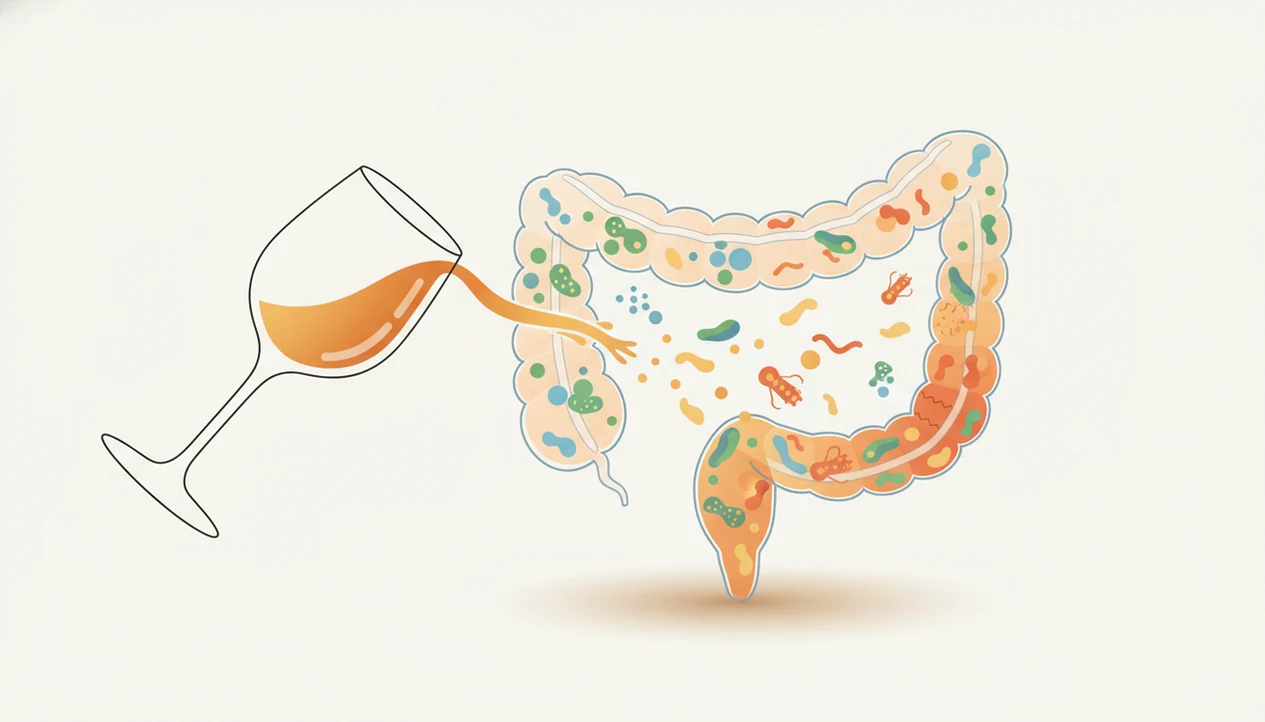
Alcohol gut dysbiosis happens when drinking shifts the balance of gut microbes, weakens the gut barrier, and increases inflammatory signaling. The strongest recovery steps are reducing or stopping alcohol, eating more fiber-rich whole foods, improving sleep, and being cautious about probiotic claims.
> Definition: Alcohol-related gut dysbiosis is an alcohol-associated imbalance in gut bacteria, fungi, and microbial byproducts that can affect digestion, intestinal permeability, inflammation, immunity, mood, and recovery.
TL;DR
- Alcohol can lower beneficial gut bacteria and increase inflammatory or opportunistic microbes, especially with chronic heavy drinking.
- A key problem is not only bacteria balance but also gut-barrier disruption, sometimes described as increased intestinal permeability or “leaky gut.”
- Alcohol microbiome recovery usually depends more on reducing alcohol, improving diet, sleep, and stress than on probiotics or gut cleanses alone.
Alcohol gut dysbiosis definition and gut bacteria imbalance basics
Quick answer: Alcohol may contribute to gut dysbiosis by shifting microbial balance, irritating the gut lining, and increasing inflammatory signaling. For many people, the most practical first step is to reduce or stop drinking while supporting the gut with fiber-rich foods, sleep, hydration, and medical guidance when symptoms are severe or withdrawal is possible.
Key takeaways
- Cutting back on alcohol often gives the gut a better chance to rebalance.
- Fiber from beans, oats, vegetables, fruit, nuts, and whole grains helps feed beneficial gut microbes.
- Sleep disruption and stress can make digestion and cravings feel worse after drinking.
- Probiotic benefits vary; they should not be treated as a quick fix for alcohol-related gut issues.
- Track drinks, symptoms, cravings, and triggers to spot patterns you can change.
- Seek medical advice before stopping suddenly if you drink heavily or have withdrawal symptoms.
Alcohol gut dysbiosis is an unhealthy shift in the gut microbiome linked to alcohol exposure, not one single infection that can be “killed off” with a simple fix. Dysbiosis means the whole microbial ecosystem has moved away from a more stable pattern.
That ecosystem includes gut bacteria, fungi, microbial metabolites, barrier function, and immune signaling. The barrier part matters. A person may notice bloating after drinks at dinner, but the research concern is deeper than ordinary indigestion.
Alcohol gut bacteria imbalance is most strongly associated with repeated or heavy drinking, although short-term changes may occur after acute exposure. The available evidence connects alcohol-related dysbiosis with digestion, inflammation, immunity, energy, and mood. It is a population-level pattern, not a diagnosis someone can confirm by symptoms alone.
The sticky bar table is not the mechanism. The repeated exposure is.
5 facts about alcohol gut bacteria imbalance
- Alcohol can reduce microbial diversity and alter both bacterial and fungal communities, especially with heavier or repeated exposure.
- A 2022 review reported increases in Proteobacteria and Gammaproteobacteria and decreases in beneficial taxa such as Bacteroides, Akkermansia, Roseburia, and Faecalibacterium frontiersin.
- Alcohol can increase intestinal permeability, allowing bacterial products to cross the gut barrier and contribute to inflammatory signaling.
- Acute drinking may cause temporary changes in microbes, digestion, and immune activity; chronic heavy drinking is more strongly tied to sustained dysbiosis.
- Recovery is possible for many people after reducing alcohol exposure, but it is not guaranteed, instant, or caused by one probiotic capsule.
A useful rule is simple: alcohol microbiome recovery usually starts with removing the driver, then rebuilding the daily pattern.
Alcohol, acetaldehyde, tight junctions, and microbiome inflammation
Alcohol gut dysbiosis works through several connected mechanisms. Alcohol and acetaldehyde, its toxic breakdown product, can stress the gut environment, change microbial growth patterns, and disturb the chemical signals microbes produce.
When beneficial bacteria decline and inflammatory or opportunistic microbes increase, microbial metabolites can shift. Some metabolites support barrier function and immune balance. Others may promote inflammation, especially when the gut lining is already irritated.
The gut barrier is central here. Tight junctions are small sealing structures between intestinal cells. Alcohol can loosen these junctions, increase permeability, and allow bacterial products to move into circulation. That process can add stress to the liver and activate immune pathways.
A gut microbiota-gut-brain axis review states that alcohol-related barrier disruption and permeability changes can affect mental status and gut activity through immune, metabolic, and inflammatory pathways the NIH. For a deeper brain-focused explanation, the alcohol gut brain axis guide covers that pathway separately.
One night of drinking versus chronic alcohol microbiome damage
What does one night of drinking do to the microbiome? One episode may cause transient shifts in digestion, microbial activity, inflammation, sleep, and gut comfort, but the available evidence does not support saying that a single drink permanently damages the microbiome.
Chronic heavy use is different. Repeated exposure is more strongly associated with sustained dysbiosis, reduced microbial diversity, increased intestinal permeability, and liver-related inflammation. The pattern matters more than one isolated evening.
A 2024 binge-on-chronic mouse study found reduced gut microbial diversity, altered bacteria and fungi, and increased intestinal colonization with K. pneumoniae after alcohol exposure the NIH alcohol data. That is useful mechanistic evidence, but animal studies do not translate directly to human drinking patterns.
The bartender reaching for the usual bottle captures the real issue better than a rare toast does. Repetition changes exposure.
Drinking, gut inflammation, anxiety, and the gut-brain axis
Drinking gut inflammation anxiety is a common search because the next day can feel both physical and emotional. The gut-brain axis is two-way communication among gut microbes, immune signaling, microbial metabolites, stress hormones, and the nervous system.
Alcohol-related permeability and inflammation may contribute to changes in anxiety, low mood, sleep quality, and energy. That does not mean the gut is the only cause. Anxiety after drinking can also reflect poor sleep, dehydration, blood sugar swings, stress, and withdrawal-like rebound as alcohol leaves the body.
Heavy shoulders at happy hour can turn into a 3 a.m. wake-up with a racing mind. That pattern is common, but it is not a diagnosis.
Clinicians typically recommend medical assessment when anxiety, panic, tremor, vomiting, confusion, or withdrawal symptoms follow heavy alcohol use. A mild hangover after two extra drinks is not the same as alcohol withdrawal that needs professional support.
Alcohol withdrawal can become medically dangerous; MedlinePlus lists severe confusion, fever, seizures, and persistent vomiting among symptoms that need emergency care medlineplus.
Alcohol microbiome recovery steps after cutting back
Reducing or stopping alcohol is the most important driver of alcohol microbiome recovery because it removes the repeated exposure that can disrupt microbes and barrier function. Food, sleep, hydration, movement, and stress care then have a better chance to support recovery.
Reduce alcohol exposure first
The most common practical way to support alcohol-related gut recovery is to reduce alcohol exposure while rebuilding fiber intake and sleep regularity. If heavy alcohol use or withdrawal risk is present, cutting back should be discussed with a clinician.
A private tracker can record cravings, dry days, limits, and trigger notes; it cannot diagnose gut disease or replace medical care.
Rebuild daily gut-supportive routines
- Set a drinking target. Choose alcohol-free days, a drink limit, or a quit date that fits your medical risk level.
- Add fiber at meals. Use legumes, oats, vegetables, fruit, nuts, seeds, and whole grains.
- Try fermented foods if tolerated. Yogurt, kefir, kimchi, or sauerkraut may fit some diets, but they are not magic.
- Stabilize sleep and hydration. Keep a regular bedtime and drink water earlier in the day.
- Review medications with a clinician. Antibiotics, acid reducers, and other drugs can affect gut symptoms and microbial patterns.
- Log triggers weekly. Record time, trigger, intensity, and response, not just “felt bad.”
The broader behavior-change side is covered in our alcohol reduction guides.
Probiotics, supplements, and alcohol gut dysbiosis claims
Probiotics may help some people with specific digestive issues, but they do not reliably reverse alcohol-related dysbiosis if drinking continues. Strain, dose, duration, baseline diet, and ongoing alcohol exposure all matter.
Be cautious with gut cleanses, detox teas, and supplement stacks that promise full microbiome restoration. Those claims often run ahead of the evidence. Food pattern and alcohol reduction are usually more defensible than product-first recovery.
A capsule cannot cancel every weekend.
Medical guidance is important for persistent diarrhea, blood in stool, unexplained weight loss, severe abdominal pain, known liver disease, or heavy alcohol use. Those signs may point to problems beyond dysbiosis. If upper stomach burning, nausea, or ulcer-like pain is the main symptom, alcohol gastritis and ulcers may be a more relevant starting point.
Alcohol gut dysbiosis testing and symptom clues
Alcohol gut dysbiosis can be suspected from patterns, but symptoms alone cannot prove it. Possible clues include bloating, diarrhea, constipation, reflux, changes in food tolerance, fatigue, poor sleep, and hangover-related gut upset.
These symptoms are nonspecific. They can come from irritable bowel syndrome, infections, inflammatory bowel disease, celiac disease, medications, stress, liver disease, ulcers, or ordinary diet changes. A sudden shift after a vacation with more drinks and less sleep is useful context, not a diagnosis.
There is no single routine clinical test that proves alcohol gut dysbiosis. Commercial stool tests may describe microbial patterns, but they often do not provide clear treatment decisions. A stool report may be useful context for a clinician, but it should not be treated as proof that alcohol is the only cause of symptoms.
Professional care is warranted for severe, persistent, or alarming symptoms. Gut discomfort after drinking can overlap with nutrient, immune, and stomach-lining issues, including patterns discussed in alcohol gut nutrient absorption.
When to seek medical care for gut symptoms after drinking
Seek medical care promptly if gut symptoms after drinking are severe, persistent, or paired with warning signs. A rough hangover can cause nausea, loose stool, headache, and regret; it should not cause blood in the stool, severe abdominal pain, confusion, seizures, or repeated vomiting.
The hard part is that alcohol can blur categories. Next-day discomfort may be simple irritation, but shaking, sweating, agitation, hallucinations, or worsening vomiting after heavy use may suggest withdrawal rather than ordinary hangover. Heavy drinkers should not stop abruptly without medical guidance, because withdrawal can become dangerous.
- Call emergency services for seizures, confusion, fainting, vomiting that will not stop, black or bloody stool, or severe belly pain.
- Contact a clinician soon for ongoing diarrhea, unexplained weight loss, fever, dehydration, or symptoms that keep returning after alcohol.
- Tell your clinician if you have liver disease, are pregnant, take regular medications, or have a weakened immune system, because the risk calculation changes.
- Use this page as education, not diagnosis. It cannot confirm dysbiosis, rule out gastrointestinal disease, or determine whether withdrawal treatment is needed.
Limitations
The available evidence on alcohol gut dysbiosis is useful, but it has real limits.
- Recovery speed varies by alcohol exposure, diet, sleep, stress, medications, liver health, and baseline microbiome.
- People with heavy alcohol use, withdrawal risk, liver disease, gastrointestinal bleeding, severe pain, or persistent diarrhea should seek medical care.
- Education about dysbiosis is not the same as medical advice, diagnosis, detox planning, or treatment.
If tracking helps, a private craving log can make patterns visible. One useful entry is time, trigger, intensity, drink amount, gut symptom, and response.
FAQ
Does alcohol kill gut bacteria?
Alcohol can alter microbial balance and diversity, but the effect is more complex than simply killing bacteria. It can shift bacteria, fungi, metabolites, and gut-barrier function.
Can your gut microbiome recover after quitting alcohol?
Many microbiomes can improve when drivers such as alcohol are reduced or removed. Recovery varies by diet, sleep, stress, medications, liver health, and baseline gut health.
How long does gut recovery take after alcohol?
Gut recovery may take weeks to months, and timing differs between people. Chronic heavy drinking usually requires more time and medical context than a brief period of lighter drinking.
Do probiotics help after drinking alcohol?
Probiotics may help some people, but they are not a reliable fix if alcohol exposure continues. Fiber-rich foods, alcohol reduction, and sleep regularity are usually more important foundations.
What does leaky gut from alcohol mean?
Leaky gut from alcohol means increased intestinal permeability, where the gut barrier becomes less tightly sealed. This can allow bacterial products to contribute to inflammatory signaling.
Can alcohol cause gut inflammation?
Alcohol-related dysbiosis and barrier disruption can contribute to inflammatory signaling in the gut and body. The risk is clearer with repeated or heavy drinking than with isolated low-level exposure.
Can alcohol make anxiety worse the next day?
Alcohol can worsen next-day anxiety through poor sleep, rebound nervous-system activity, dehydration, stress, and possibly gut-brain inflammatory pathways. It is not the only possible cause of anxiety.
What foods help restore gut bacteria after drinking?
Fiber-rich whole foods such as legumes, oats, vegetables, fruit, nuts, seeds, and whole grains support beneficial gut microbes. Fermented foods may help if tolerated, but they do not restore the microbiome instantly.