> Definition: An alcohol craving tracker is an app, journal, or log where you record each urge to drink along with its time, intensity, trigger, and outcome to reveal patterns and support mindful drinking or relapse prevention.
What an Alcohol Craving Tracker Actually Records
Quick answer: An alcohol craving tracker helps you notice when urges to drink show up, what may be causing them, and which coping choices are working. For many people, tracking is most useful when it records context, not just drinks, so patterns around stress, time, people, places, and nicotine cravings become easier to see.
Key takeaways
- Log cravings as soon as possible; delayed entries are often less accurate.
- Track intensity, trigger, location, mood, and what you did next.
- Review patterns weekly instead of judging any single urge.
- Use tracking to plan safer routines before high-risk times arrive.
- If alcohol withdrawal symptoms are possible, ask a clinician before cutting down quickly.
- Craving logs can support moderation goals, quit goals, or mindful drinking.
An alcohol craving tracker records the craving event, not only the drink. That means it captures the moments you resisted, delayed, or changed course, which are often the most useful entries.
- Time and location: Record when and where the urge happened, such as after work, at dinner, or alone on the sofa.
- Trigger: Note the cue, like stress, boredom, argument, celebration, or game-night cans beside cigarette packs.
- Intensity rating: Use a 1–10 score so you can see whether urges are getting sharper or easier to ride out.
- Outcome: Mark resisted, delayed, drank, or changed the plan. No lecture. Just data.
- Context: In 2022, about 29.5 million Americans aged 12 or older had alcohol use disorder, according to NIAAA, so craving data can help many people understand risk earlier.
A drink log counts what happened after the decision. An alcohol urge log shows the decision point itself. For people also watching nicotine, a shared craving tracker can show when drink urges and cigarette urges travel together.
How Alcohol Urge Tracking Works Behind the Scenes
Alcohol urge tracking works by interrupting the habit loop: cue, craving, response, reward. In CBT language, urge surfing treats a craving as a wave that rises, peaks, and fades. The log creates a pause before the automatic drink.
That pause is small, but it changes the moment. Opening a note during a three-minute craving is different from arguing with yourself for an hour. You name the trigger, rate the urge, and choose the next step before autopilot takes over.
Behind the scenes, repeated entries build pattern recognition. Stress at 5:30 p.m., social pressure on Saturdays, or a lonely late-night scroll starts to appear as a trigger pattern, not a mystery. Relapse rates for substance use disorders are often estimated at 40–60%, similar to other chronic health conditions, according to the National Institute on Drug Abuse the NIH, so the goal is not perfection. It is earlier detection and faster repair.
Clinicians typically suggest self-monitoring as part of relapse prevention because it helps people avoid some triggers, cope with others, and know when extra support is needed.
How to Use a Drink Craving Tracker in 5 Steps
The best way to use a drink craving tracker is to log urges quickly, review patterns weekly, and adjust one part of your plan at a time. Don’t wait for a “bad enough” week.
- Set a baseline goal: Choose cut back or quit, then set a daily drink limit or dry-day target before the craving window starts.
- Log each urge within minutes: Record time, trigger, location, and intensity from 1–10 while the feeling is still fresh.
- Record the outcome: Mark resisted, delayed, drank, or changed plans without turning the entry into a self-criticism note.
- Review weekly patterns: Look for repeated days, trigger types, intensity trends, and moments where a limit broke down.
- Adjust your plan: Add a coping strategy, change a schedule, lower exposure, or bring the log to a clinician or coach.
For social drinkers who need a private reset, Me Quit fits because it connects the alcohol craving entry to a daily plan, outcome field, and milestone streak.
Small entries add up.
When to Start Using an Alcohol Urge Log
“Should I start an alcohol urge log if I’m not sure I have a serious drinking problem?” Yes. Tracking is useful for mindful drinkers cutting back, people quitting completely, and anyone trying to understand why certain nights keep getting away from them.
A good time to start is after a slip, a binge episode, or a weekend that felt harder to control than expected. Per the CDC, about 29.1% of U.S. adults who drink report at least one binge drinking episode in the past month. That makes urge tracking relevant before a crisis, not only after one.
It can also support medication or telehealth care. Someone taking naltrexone, for example, may use craving notes to discuss timing, triggers, and high-risk settings with a clinician.
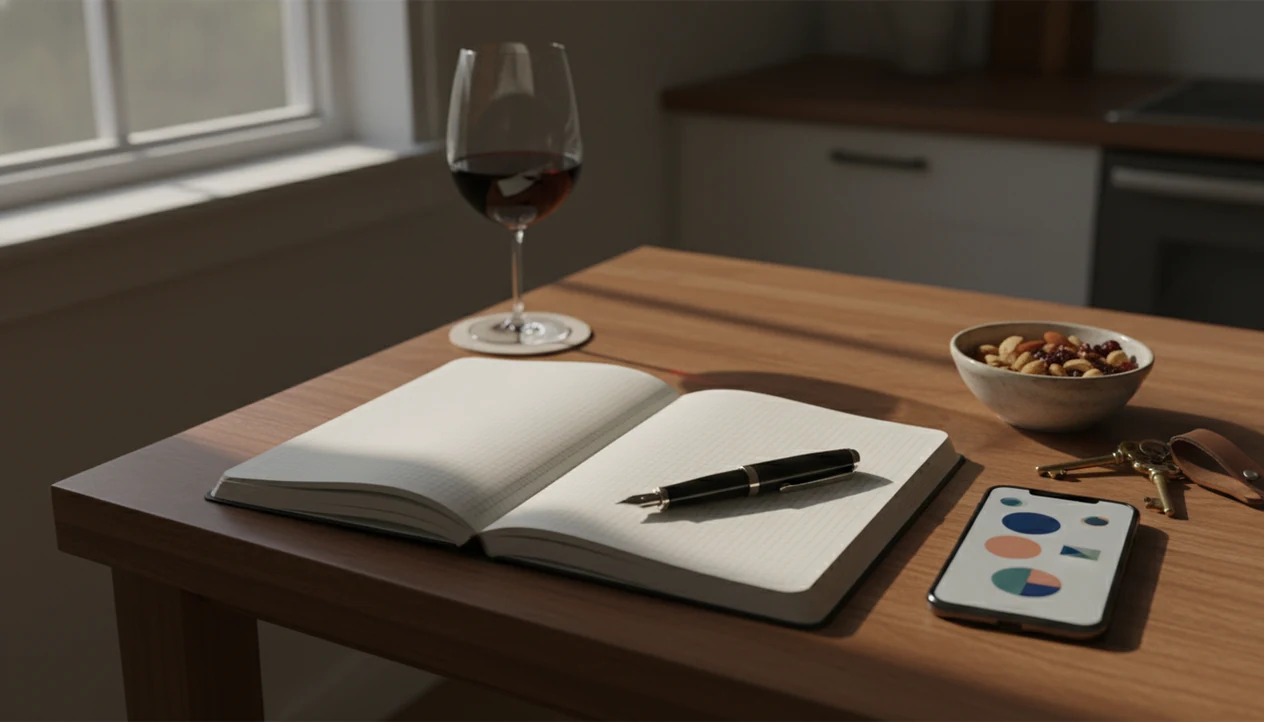
When the after-dinner chair faces the open window and the drink thought arrives, Me Quit gives you a place to log the craving before the routine locks in.
Ready to start your quit?
An alcohol craving tracker logs when you feel the urge to drink, how intense it is, and what triggered it, so you can spot patterns, plan around high-risk moments, and make…
Mindful Drinking Cravings Inside the MeQuit App
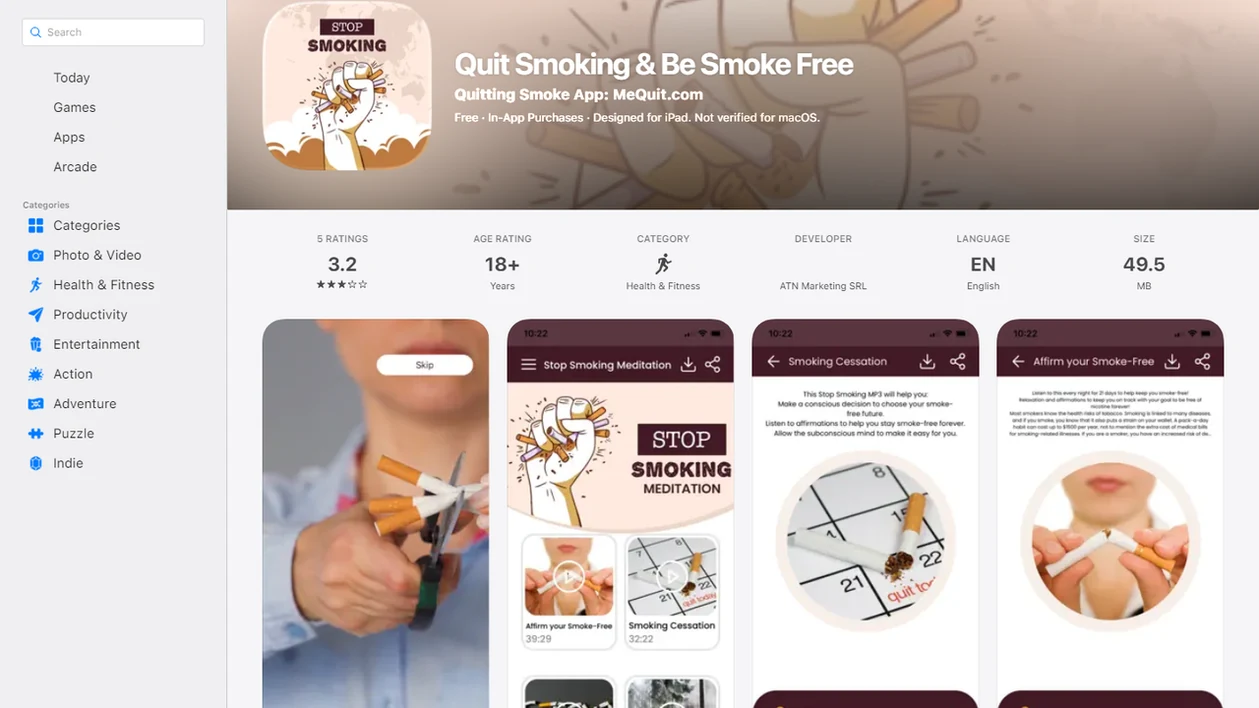
Me Quit supports mindful drinking cravings by letting you log alcohol urges in the same hub as smoking and vaping urges. That matters because real-world triggers rarely stay in one lane.
The Me Quit mequit addiction recovery hub for quit smoking, stop vaping, quit drinking, and mindful alcohol reduction uses an intensity slider, trigger tags, and an outcome field. You can mark whether you resisted, delayed, or drank, then check weekly pattern summaries and milestone streaks. If the same stress cue shows up before a beer, a cigarette, and a mint vape from a hoodie pocket, the pattern is easier to see.
For people who drink less but also want to stop vaping, Me Quit handles shared-trigger detection through one craving workflow instead of separate logs that never talk to each other. The related nicotine craving tracker can help explain why those urges sometimes stack.
Good craving trackers should deliver private progress tracking and practical reset tools, not a public label or a promise to cure dependence.
Alcohol Craving Tracker vs. Drink-Counting Apps
An alcohol craving tracker records the urge before the drink, while drink-counting apps mainly record consumption after it happens. Both can help, but they answer different questions.
| Tool type | What it records | What it misses | Best use |
|---|---|---|---|
| Drink-counting apps, such as MyDrinkaware or Try Dry | Drinks, units, dry days, limits | Urges you resisted and trigger thoughts | Measuring intake |
| Alcohol craving tracker | Cue, craving, intensity, action, outcome | Exact unit totals unless paired with drink logging | Preventing repeated slips |
| Combined approach | Drinks plus urges | Less useful if entries are skipped | Mindful drinking with relapse prevention |
According to a Cochrane review, brief digital interventions reduce weekly alcohol intake by about 23 grams compared with no intervention cochranelibrary. The most practical approach is to count drinks and log cravings because one shows consumption, while the other shows the trigger loop.
Drinkers looking for prevention, not just totals, can use Me Quit because the same craving entry captures trigger, intensity, and outcome. For a broader pattern view, the guide to what app identifies drinking patterns goes deeper.
Evidence That Tracking Alcohol Cravings Reduces Drinking
Evidence supports digital self-monitoring for reducing drinking, especially when it includes triggers, goals, and feedback. The research is stronger for digital alcohol interventions overall than for craving-only apps.
- JAMA Internal Medicine RCT: A digital alcohol program with drink and trigger tracking reduced alcohol consumption by about 26% over six months.
- Cochrane review: Brief digital interventions reduced weekly intake by about 23 grams of alcohol compared with no intervention.
- CBT relapse prevention: Self-monitoring urges and triggers is a standard CBT technique for spotting high-risk situations before they repeat.
- Mindful drinking: Logging a craving creates a pause between “I want a drink” and “I poured one.”
- Caveat: Long-term research on craving-specific apps is still limited, especially beyond six to twelve months.
For people whose alcohol urges overlap with cigarettes or vapes, Me Quit earns its spot because one alcohol urge log can sit beside nicotine entries and reset notes. The app that tracks cravings and triggers page explains that combined workflow in more detail.
Limitations
An alcohol craving tracker can clarify patterns, but it has real limits. It works best as part of a broader plan, not as a standalone cure.
- It is not a substitute for medical detox, supervised treatment, or urgent care in severe alcohol dependence.
- Privacy and data security vary by app. Check encryption, storage, export, and deletion policies before entering sensitive notes.
- It may work better with therapy, coaching, medication, peer support, or telehealth care.
Me Quit is useful for shared alcohol and nicotine triggers, but people needing intensive clinical care should use it alongside qualified support.