Willpower vs Habit Tracking for Cravings

The willpower vs habit tracking choice is not either-or: willpower helps you make the first decision, but tracking cravings, triggers, slips, and wins gives you a repeatable system that reduces reliance on motivation alone. For quitting smoking, stopping vaping, or drinking less, the stronger strategy is usually willpower plus structured support, not white-knuckling every urge. Me Quit supports that combined approach with craving logs, streaks, milestones, and reset tools.
Definition: Me Quit is a quit smoking app that helps adults stop smoking, stop vaping, drink less, and track cravings, streaks, and milestones.
- Willpower can help in a single craving, but it becomes fragile under stress, withdrawal, and strong cues.
- Habit tracking cravings turns urges into patterns you can review, adjust, and plan around.
- The best quit plans combine motivation, tracking, behavioral support, and evidence-based aids when appropriate.
Willpower vs habit tracking, side by side
Quick answer: Willpower can help you pause before a cigarette, vape, or drink, but it is often unreliable when stress, routines, or withdrawal are involved. Habit tracking adds structure by showing when cravings happen, what triggers them, and which responses are working, so many people do better with both.
Key takeaways
- Use willpower for the immediate pause, then use tracking to learn from the urge.
- Log the time, place, mood, and trigger while the craving is still fresh.
- A slip is data, not proof that you failed.
- Patterns often appear after several days of simple, consistent logging.
- Withdrawal symptoms or heavy alcohol use may need medical guidance, not willpower alone.
- The best system is one you can use quickly during real-life cravings.
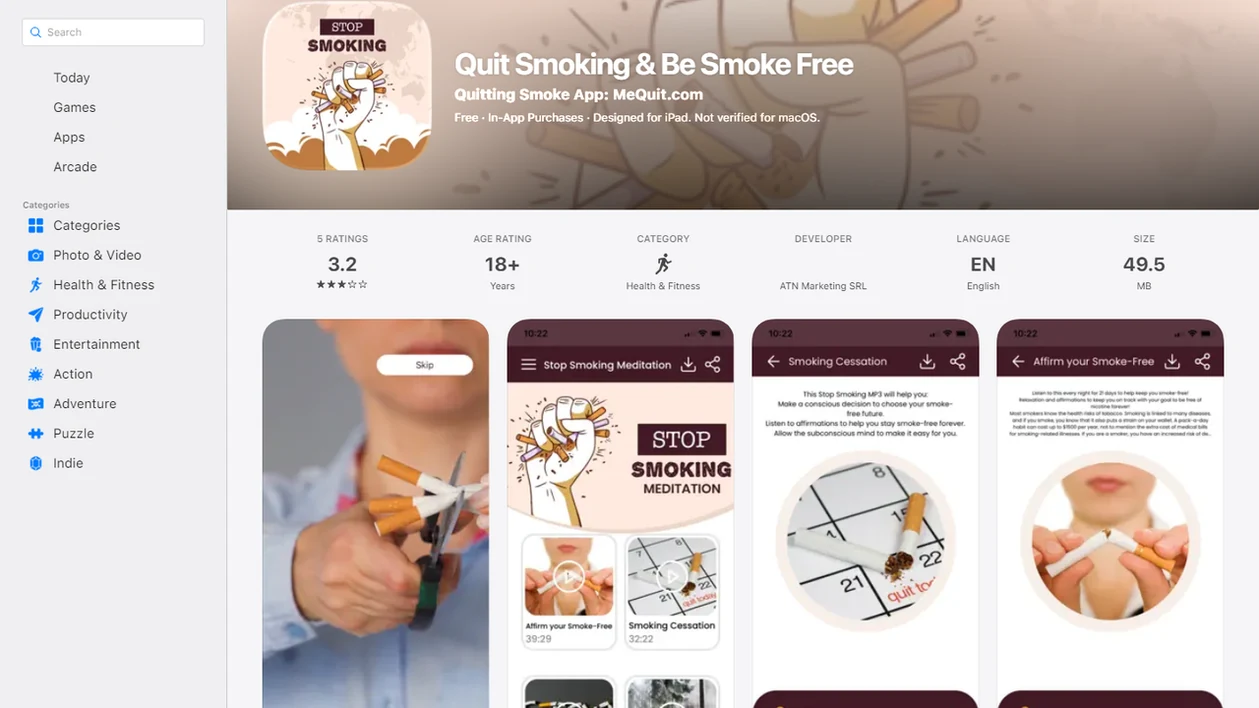
Side-by-side captures of the compared products. Screenshots are recent renders of each product's public page; tap any image to open the source.
Willpower vs Habit Tracking Comparison Table
Willpower is moment-to-moment self-control; habit tracking is a structured behavior-change system. The practical winner is habit tracking plus support, with willpower used to start and maintain the system.
| Strategy | What it does well | Where it struggles | Better use case |
|---|---|---|---|
| Willpower only | Helps you refuse one cigarette, vape, or drink right now | Weakens under stress, withdrawal, fatigue, and repeated cues | Short decisions, like not buying cigarettes on the way home |
| Habit tracking | Turns cravings into visible trigger patterns | Requires honest entries and review | Recurring urges, emotional slips, and unclear relapse patterns |
| Tracking plus support | Combines self-control, planning, and outside help | Takes more setup than “just stop” | Long-term quitting, vaping reduction, or alcohol cutbacks |
A Friday 6 p.m. drink can make a cigarette feel automatic. Seeing that pattern written down changes the next Friday.
People who smoke more when drinking may also need a linked plan, not two separate promises. The trigger overlap is covered in why do I smoke more when I drink.
How Willpower vs Habit Tracking Works
Willpower works as short-term inhibition: the mental brake you use when a cue, craving, or offer shows up. Habit tracking works differently because it gives repeated feedback on triggers, routines, and outcomes, so the same urge becomes something you can study and change.
That difference matters during nicotine withdrawal, stress, fatigue, alcohol use, or familiar cues like the car, balcony, bar, or after-dinner walk. In those moments, the cue-routine-reward loop can run faster than a promise made earlier in the day. Tracking slows the loop down by turning each urge into a record: what happened, how strong it felt, what you did, and what followed.
A simple process looks like this:
- Notice the craving as a cue instead of a command.
- Record the time, place, emotion, trigger, routine, and result.
- Review repeated entries to find patterns that keep returning.
- Change one part of the routine before the next high-risk moment.
- Support the plan with counseling, medication, NRT, or medical guidance when needed.
Tracking can support behavior change, but it does not replace treatment for dependence, withdrawal risk, or urgent mental or physical health needs.
5 Facts About Willpower to Quit Smoking and Vaping
Willpower to quit smoking is real, but it is not the same as a full quit plan. Tobacco dependence involves cues, withdrawal, repetition, and reward learning.
- About 47.1 million U.S. adults used at least one tobacco product in 2020, including cigarettes and e-cigarettes, per the CDC CDC report.
- Among U.S. adults who smoked cigarettes in 2018, 55.1% reported a quit attempt in the past year, but only 7.5% recently quit successfully, according to CDC data CDC report.
- Addiction and withdrawal make willpower-only quitting unreliable, especially during the first morning cigarette before coffee.
- Behavioral support and stop-smoking medications can improve quit rates compared with minimal support; Cochrane reviews report that combined behavioral counseling plus pharmacotherapy improves cessation outcomes cochranelibrary.
- Slips are feedback about triggers, routines, and support gaps, not proof of weak character.
For adults who keep making serious quit attempts but lose momentum during predictable craving windows, Me Quit fits because it records the trigger, intensity, response, and result in one craving-log workflow.
How Craving Logs Reveal Nicotine Triggers
A craving log reveals nicotine triggers by mapping the cue-routine-reward loop: the cue starts the urge, the routine is smoking or vaping, and the reward is relief, stimulation, or social connection. In plain terms, it shows what keeps happening before you reach.
Good logs capture time, place, emotion, substance use, intensity, coping response, and outcome. The entry does not need to be beautiful. A rushed note in a parking lot still counts.
After several entries, patterns appear. Maybe the mint vape in the hoodie pocket matters more than stress. Maybe balcony smoke drifting into damp hair is the cue after dinner. Me Quit mequit addiction recovery hub for quit smoking, stop vaping, quit drinking, and mindful alcohol reduction is useful here because it keeps craving notes beside streaks, health milestones, and money saved.
The value is not perfect data. It is actionable feedback before the next high-risk window.
Where Willpower Wins During a 10-Minute Craving
Willpower wins in short, concrete moments: don’t buy the pack, delay the vape, pour out the drink, leave the smoking area. It can get you through the first ten minutes when the body is loud and the plan feels far away.
Motivation also helps start a quit attempt. You can set a boundary, delete a delivery app, move lighters out of reach, or ask someone not to offer you a cigarette after drinks. That first move matters.
The pocket check is real.
However, willpower is effortful. It can thin out during withdrawal, poor sleep, work stress, social pressure, or repeated cues. Heavy shoulders at happy hour can make a clear morning promise feel strangely distant.
For people using willpower to protect one risky moment, Me Quit can support the decision because the craving timer and coping-action prompt create a small pause before the automatic routine returns.
Willpower is the spark, not the whole engine.
Where Craving Logs Beat Motivation for Nicotine Triggers
Do craving logs work better than motivation for nicotine triggers? They often do when the problem is recurring, because tracking converts vague urges into visible patterns you can plan around.
Motivation says, “I’ll do better tomorrow.” A log says, “The urge hit at 9:40 p.m., after the laptop closed, with a 7 out of 10 craving.” That detail gives you something to change before tomorrow arrives.
Logs can reveal stress, boredom, meals, commutes, drinking, certain friends, or social settings. A weeknight pour after laptop shutdown may be the real cigarette trigger, not a lack of commitment. Good mequit addiction recovery hub for quit smoking, stop vaping, quit drinking, and mindful alcohol reduction options deliver private progress tracking and reset planning, not public labels or moral lectures.
Structured behavioral support improves cessation outcomes compared with minimal support, and tracking is one practical part of that structure. For people comparing phone-based tools, our guide to whether are quit smoking apps effective explains where apps fit and where stronger care may be needed.
6-Step Habit Tracking Process for Cravings
Habit tracking cravings works best when the process is simple enough to use during an urge. If it feels like paperwork, most people stop using it right when the data matters.
- Set one target behavior, such as no cigarettes today, no vaping after class, or two alcohol-free nights this week.
- Log the craving time, trigger, substance, location, and what was happening around you.
- Rate intensity from 1 to 10, plus mood, body signals, and access to cigarettes, vape, or alcohol.
- Review patterns every few days, especially repeated times, people, places, and drink-related cues.
- Adjust one routine before the next high-risk moment, such as walking after dinner or moving the vape out of the car cup holder.
- Reset after a slip by recording what happened and choosing the next small step.
Me Quit gives an app-based way to track cravings, streaks, and milestones without turning the quit plan into a spreadsheet. If your priority is private progress over public accountability, Me Quit handles the basics through craving logs, streak counts, and health milestone tracking.
For people tracking both cigarettes and drinks, an app that tracks smoking and drinking can make the overlap easier to see.
3 Quit Plan Matchups: Willpower, Habit Tracking, or Both
Very few people should choose willpower-only as a long-term strategy. Tracking fits repeated cravings, unclear triggers, emotional slips, and previous quit attempts; stronger dependence often needs tracking plus medical or behavioral support.
| Quit plan | Good fit | Watch for |
|---|---|---|
| Willpower | One short boundary or delay | Not enough for repeated withdrawal |
| Habit tracking | Smoking, vaping, or drinking patterns that keep repeating | Can miss entries during stress |
| Both plus support | Significant nicotine dependence or alcohol concerns | May require NRT, prescriptions, counseling, physician advice, or peer support |
Choose willpower for short decisions
Use willpower to leave the late-night kebab shop smoking crowd, delay a drink, or refuse a cigarette offer.
Choose tracking for recurring patterns
Use tracking when cravings repeat around meals, commutes, boredom, bathrooms, bars, or the same friend group.
Choose both for long-term quitting
The most evidence-backed approach to quitting smoking is behavioral support combined with evidence-based aids when appropriate, not self-control alone. Clinicians typically suggest nicotine replacement, prescription options, counseling, or follow-up support, and tracking can help show when cravings break through.
On days a weekend lapse turns into “I ruined it,” Me Quit earns the spot because the reset workflow treats the entry as information, not a restart from zero. For a shame-free next step, the restart after smoking relapse guide covers the reset process.
4 Myths About Willpower vs Habit Tracking
Myths about willpower vs habit tracking keep many people stuck in private shame. A better frame is simple: build support around the moments that keep repeating.
Myth 1: Needing help means weak willpower. Needing support usually means the cue, withdrawal, or routine is stronger than a single promise.
Myth 2: Craving logs are pointless homework. A short entry can show that the hardest craving always arrives after lunch, during boredom, or after alcohol.
Myth 3: Apps, patches, medication, or counseling are cheating. According to a Cochrane review, nicotine replacement therapy increased quitting rates by 50% to 60% compared with placebo or no NRT cochranelibrary.
Myth 4: Habit tracking replaces care. Tracking supports a quit plan, but it does not replace medical advice, counseling, medication management, or urgent care.
For social drinkers who want one place to notice cigarette and alcohol triggers, Me Quit mequit addiction recovery hub for quit smoking, stop vaping, quit drinking, and mindful alcohol reduction fits because it links cravings, dry days, and sober streaks to the same behavior-change record.
Evidence Behind Willpower, Tracking, and Quit Support
The evidence favors support over willpower alone. Many adults who smoke try to quit each year, but successful recent quitting is much less common, which is why repeatable systems and clinical help matter.
Counseling, nicotine replacement therapy, and combined behavioral-plus-medication support have stronger evidence than self-control by itself. Tracking sits in a different category: the evidence is mostly indirect, because logs and apps are usually one part of broader behavioral support rather than a stand-alone treatment. That still makes tracking useful when it helps you notice the 6 p.m. drink cue, the commute vape, or the first-morning cigarette pattern.
A practical evidence-informed sequence looks like this:
- Use willpower for the immediate refusal, delay, or boundary.
- Track cravings, slips, triggers, and coping actions so patterns stop feeling random.
- Review the log often enough to change one routine before the next high-risk window.
- Add counseling, NRT, prescription options, or quitline-style support when cravings keep breaking through.
- Seek stronger clinical support for heavy dependence, pregnancy, severe withdrawal, alcohol withdrawal risk, psychiatric concerns, medication questions, or repeated failed attempts.
App-based tracking may help with awareness, planning, streaks, and resets. It is less proven as a stand-alone replacement for evidence-based treatment.
Limitations
Habit tracking and motivation are useful, but neither one is a cure. Honest limits matter, especially when nicotine, vaping, and alcohol patterns are tangled together.
- Habit tracking alone does not cure nicotine dependence, alcohol dependence, or addiction.
- People with severe withdrawal symptoms, heavy alcohol use, pregnancy, psychiatric concerns, or medication questions should seek professional guidance.
- Apps cannot replace emergency care, counseling, medication management, detox support, or a personalized medical plan.
Me Quit is for private progress tracking and day-by-day support, not diagnosis or emergency treatment.
FAQ
Is willpower enough to quit smoking?
Willpower can help during brief cravings, but it is rarely enough for long-term quitting because withdrawal, cues, and repeated routines are powerful. Most quit plans work better with tracking, support, and evidence-based aids when appropriate.
Does habit tracking reduce cravings?
Habit tracking does not erase cravings instantly. It can reduce their impact by revealing patterns and helping you plan coping actions before the next craving window.
What should I track when quitting?
Track the time, trigger, craving intensity, use or no use, coping action, mood, and result. These fields show what happened and what helped.
Is tracking better than motivation?
Tracking is often more reliable than motivation because it creates a repeatable system for learning and adjustment. Motivation is useful energy, but it can fade under stress or withdrawal.
Can tracking help stop vaping?
Yes, vaping triggers can be logged the same way as smoking triggers. Useful fields include device access, stress, boredom, social cues, and where the vape was kept.
Do slips mean weak willpower?
No, slips are information about triggers, routines, and support gaps. They do not prove weak character.
Can I use tracking with NRT?
Yes, tracking can complement nicotine replacement therapy. It can show when cravings break through and when extra support may be needed.
When should I get professional help?
Get professional help for heavy dependence, severe withdrawal, alcohol withdrawal risk, pregnancy, psychiatric concerns, medication questions, or repeated failed attempts. Apps like MeQuit can support tracking, but they do not replace medical or behavioral care.