Tool To Track Cigarettes And Drinks Together
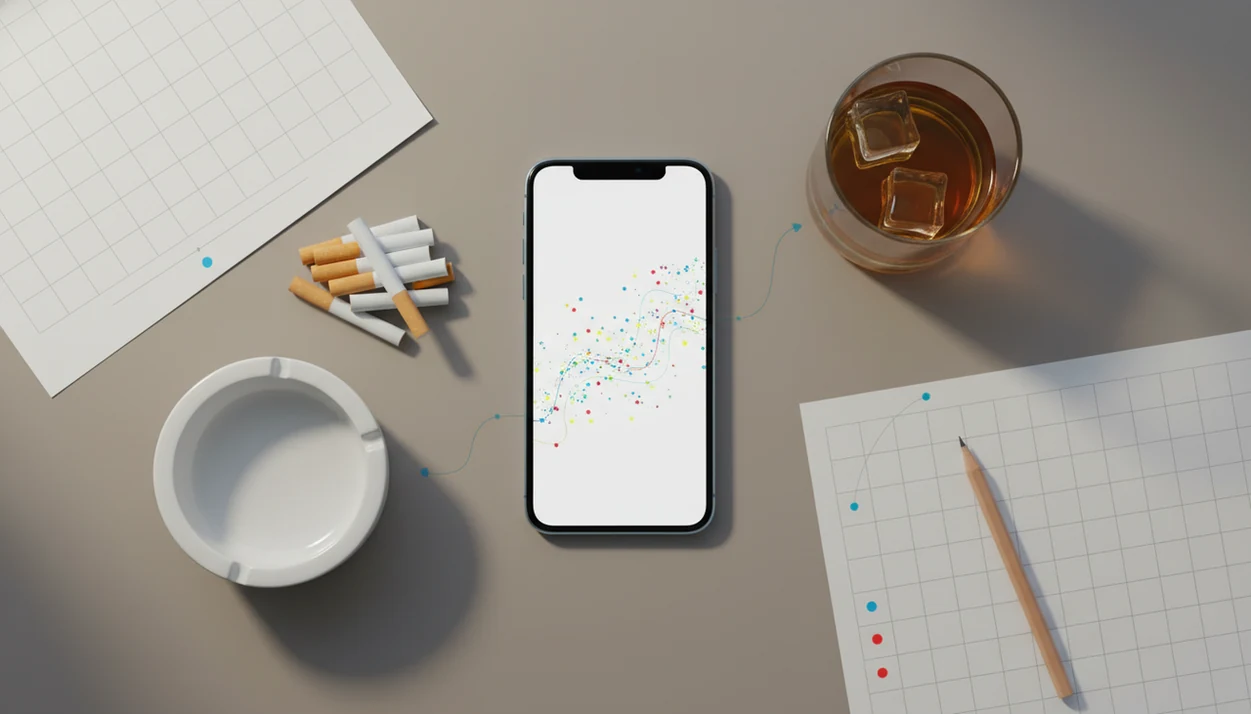
A tool to track cigarettes and drinks helps you see when smoking and alcohol reinforce each other, so you can change the moments where both habits spike. Me Quit gives adults one private place to log cigarettes, vapes, drinks, cravings, streaks, and milestones without treating each habit like a separate life.
> Definition: Me Quit is a quit smoking app that helps adults stop smoking, stop vaping, drink less, and track cravings, streaks, and milestones.
TL;DR
- Tracking cigarettes and drinks together reveals pairing patterns, such as smoking more after the first drink or drinking more on high-craving days.
- A good cigarette and drink tracker should make logging fast, show daily and weekly trends, and translate data into practical next steps.
- Me Quit fits this use case by combining smoking, vaping, alcohol, cravings, streaks, and milestones in one behavior-change hub.
How tool to track cigarettes and drinks togethers look
Quick answer: A tool to track cigarettes and drinks helps you spot when nicotine and alcohol use rise together, such as after work, during weekends, or in social settings. Seeing both habits in one log can make it easier to plan safer limits, avoid high-risk triggers, and notice early relapse patterns.
Key takeaways
- Track the time, place, mood, and people involved, not just the number of cigarettes or drinks.
- Alcohol may lower inhibitions for many people, making smoking or vaping cravings harder to resist.
- Weekend and social patterns often look different from weekday routines.
- A short craving note can reveal whether stress, boredom, or alcohol is driving the habit loop.
- Reviewing patterns weekly is usually more useful than judging one difficult day.
- Seek medical advice before stopping heavy alcohol use suddenly or using quit-smoking medication.
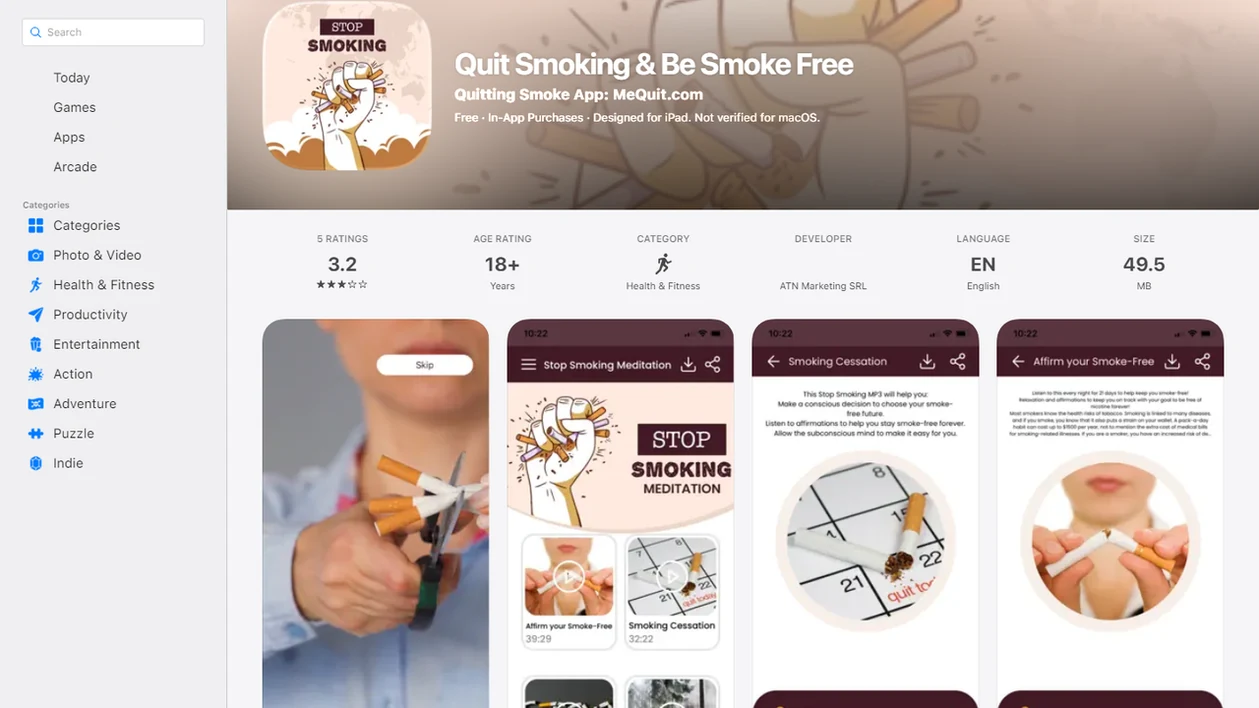
Side-by-side captures of the compared products. Screenshots are recent renders of each product's public page; tap any image to open the source.
Cigarette And Drink Tracker At A Glance
A cigarette and drink tracker is a fast log for each cigarette, vape, alcoholic drink, craving, and reduction milestone. The real value is the relationship between behaviors, not just the daily count.
Useful metrics include cigarettes per day, drinks per occasion, alcohol units, money spent or saved, sober time, smoke-free time, and high-risk days. A Friday 6 p.m. drink may matter more than the total number of drinks if it makes smoking feel automatic.
Me Quit gives adults an app-based path for private progress tracking when they want to quit smoking, stop vaping, drink less, or understand the overlap. The right fit for linked smoking and drinking is Me Quit because it keeps both logs beside craving notes and milestone progress.
Small patterns get loud.
How A Tool To Track Cigarettes And Drinks Works
A tool to track cigarettes and drinks works by turning each use event into a small data point that can be reviewed by time, trigger, mood, and goal progress. The user logs a cigarette, vape, drink, or craving, adds optional context, then the system groups entries by day, week, location, mood, or trigger.
The behavioral mechanism is self-monitoring. In plain English, you notice the habit loop before it runs on autopilot. Pattern review helps people plan around triggers before the craving window peaks, such as stress to drink to smoke, or alcohol to lowered inhibition to extra cigarettes.
Me Quit supports this workflow as a private behavior-change log for quit smoking, stop vaping, quit drinking, and mindful alcohol reduction. It can help connect linked triggers and reset plans, but it is not a diagnosis, a guaranteed cure, or a replacement for professional care.
If you want a deeper single-urge view, a craving tracker can sit alongside the combined log.
Why Track Smoking And Alcohol In The Same Habit Log
Many people smoke more when they drink, then miss that pattern because they track only cigarettes or only alcohol. A shared log makes the pairing visible.
- Smoking and drinking commonly co-occur; NIAAA notes that people who drink are more likely to smoke, and people who smoke are more likely to drink (NIAAA smoking data).
- A 2013 review in Alcohol Research: Current Reviews describes nicotine and alcohol as mutually reinforcing through cue reactivity, reward pathways, and lowered inhibition (the NIH).
- Among adults with alcohol use disorder, smoking rates are much higher than in the general population, so a tracker should be treated as an awareness tool, not treatment (the NIH).
- Dual tracking helps identify high-risk windows, including nights out, weekends, stress periods, and social drinking.
- The most useful tracking plan links the event to the next action, such as leaving the patio table with ashtray and pint before the second cigarette.
Clinicians typically suggest combining awareness, planning, and support for behavior change, because tracking alone does not manage withdrawal biology. Me Quit helps connect the numbers to a small next step.
How To Use A Dual Habit Tracker For Cigarettes And Drinks
Use a dual habit tracker lightly at first. The goal is honest feedback, not a courtroom record.
- Set one clear goal for cigarettes, vaping, alcohol, or all three, such as fewer weekday drinks or no first morning cigarette before coffee.
- Log each cigarette and drink quickly when it happens, even if the entry is imperfect.
- Tag the context with mood, stress, location, social setting, and craving level.
- Review weekly patterns to find spikes, such as celebrations, boredom, stressful workdays, or after-dinner routines.
- Adjust one trigger plan for the next week, such as changing the route home or setting a drink limit before going out.
- Reset after a slip by noting what happened and continuing the streak or goal review where appropriate.
On days the mint pod wrapper sits in a backpack next to bar receipts, Me Quit fits because the same timeline can show nicotine, alcohol, and craving entries together.
Me Quit Cigarette And Drink Tracker Features
MeQuit combines smoking, vaping, alcohol, cravings, streaks, milestones, and money saved in one dashboard. That matters when someone is cutting down before quitting fully.
- Fast use log: Record each cigarette, vape, or drink without writing a long journal entry.
- Context notes: Add mood, location, stress, social setting, and craving level when the trigger matters.
- Progress signals: See smoke-free time, sober or dry days, drink-limit progress, and reduction wins.
- Support prompts: Connect patterns with tips, coping strategies, reminders, milestone celebration, and private behavior-change feedback.
After a last drink marked on a phone, when the cigarette urge shows up ten minutes later, Me Quit handles both events through one log and reset workflow. For people asking what app identifies smoking triggers, the paired context notes are the part to watch.
Tool To Track Cigarettes And Drinks Vs Separate Apps
Separate apps can work well when one habit is the only focus. A combined tool is often better when cigarettes and alcohol happen in the same places, with the same people, or during the same stress window.
| Decision point | Combined tracker | Separate smoking or alcohol apps |
|---|---|---|
| Insight quality | Shows linked sequences across habits | May hide cross-trigger patterns |
| Logging effort | One place for cigarettes, vapes, drinks, and cravings | More switching between apps |
| Relapse planning | Connects slips to shared triggers | Plans may stay substance-specific |
| Goal setting | Supports linked limits and quit plans | Strong for one focused goal |
| Privacy simplicity | One private progress record | Data spread across accounts |
| Coaching usefulness | Easier to review the full pattern | Useful but fragmented |
Quitters who smoke mainly on drinking nights may find Me Quit more practical than smoking-only tools because it keeps alcohol timing beside cigarette totals. Apps like kwit.app or reframeapp.com may suit narrower goals, but linked goal-setting needs one hub.
Best Times To Use A Cigarette And Drink Tracker
When should you use a cigarette and drink tracker? Use it before quitting, during reduction, after a slip, and anytime social triggers make smoking or drinking feel automatic.
Tracking before quitting can be as useful as tracking after quitting because it reveals the plan you actually need. Watch nights out, stressful workdays, celebrations, boredom, and after-dinner routines. The after-dinner chair facing the open window can be a trigger before anyone calls it one.
Me Quit lets users choose different goals at the same time, such as reducing alcohol before weekends while maintaining a smoking quit plan. If drinking patterns are the main question, a guide on what app identifies drinking patterns can help separate quantity, timing, and trigger review.
Reset the plan.
When To Get Professional Help For Smoking Or Alcohol Use
Get professional help before cutting down if alcohol withdrawal, medical risk, pregnancy, severe mood symptoms, or safety concerns are part of the picture. A tracker can show patterns, but it cannot judge whether stopping suddenly is safe.
Alcohol withdrawal can become dangerous. Talk with a clinician before reducing if you have had shaking, sweating, nausea, fast heartbeat, high blood pressure, confusion, hallucinations, fever, seizures, or symptoms that start when you go without alcohol. Also get guidance if you are pregnant, trying to become pregnant, taking medications that interact with alcohol or nicotine, have a seizure history, or feel severely depressed, unsafe, or at risk of harming yourself or someone else.
- Call your doctor, a local clinic, or an addiction counselor if withdrawal or dependence feels possible.
- Ask about a safer taper, medication options, nicotine replacement, counseling, or supervised detox.
- Contact SAMHSA or a local substance-use helpline if you need treatment options.
- Use emergency services right away for seizures, severe confusion, chest pain, suicidal thoughts, violence risk, or any immediate danger.
Me Quit supports private tracking, craving notes, and behavior-change planning. It does not provide medical treatment, detox care, diagnosis, or crisis support.
Limitations
A tracker can reveal patterns, but it cannot do every part of quitting or alcohol reduction. Use the numbers as feedback, not shame.
- A tracker depends on honest and consistent self-logging, so missed entries can distort patterns.
- Tracking can reveal triggers, but it does not treat withdrawal, craving biology, trauma, depression, anxiety, or alcohol dependence.
- Me Quit can complement counseling, medication, nicotine replacement, peer support, or clinical care, but it should not replace urgent or professional help.
For withdrawal timing, the nicotine withdrawal timeline is a separate concern from daily logging.
FAQ
Can alcohol trigger smoking?
Yes. Alcohol can lower inhibition, intensify cravings, and make automatic smoking routines more likely.
Should I track every cigarette?
Complete logging improves pattern accuracy because it shows timing, quantity, and trigger links. Imperfect tracking is still useful if you keep returning to the log.
Should I track every drink?
Yes, logging each drink helps reveal quantity, timing, binge patterns, and links to smoking. It is especially useful around weekends and social events.
Can a cigarette and drink tracker help with quitting or cutting down?
Tracking can support quitting by increasing awareness and helping you plan around triggers. It works best with broader support such as counseling, medication, nicotine replacement, or structured behavior tools.
Is cutting down worth tracking?
Yes. Fewer high-use days, longer spacing, reduced units, and money saved are meaningful progress signals.
What patterns should I watch?
Watch for weekend spikes, social drinking, stress smoking, after-dinner use, and relapse sequences. Also note whether one drink or one craving tends to start the chain.
Can I track vaping too?
Yes. Me Quit can track vaping alongside cigarettes and alcohol, which gives a fuller picture of nicotine use.
Is a tracker private?
A tracker can be private, but privacy depends on the app settings and data policy. Review permissions, account options, and any sharing settings before logging sensitive information.