
How Alcohol Can Increase ARDS Risk
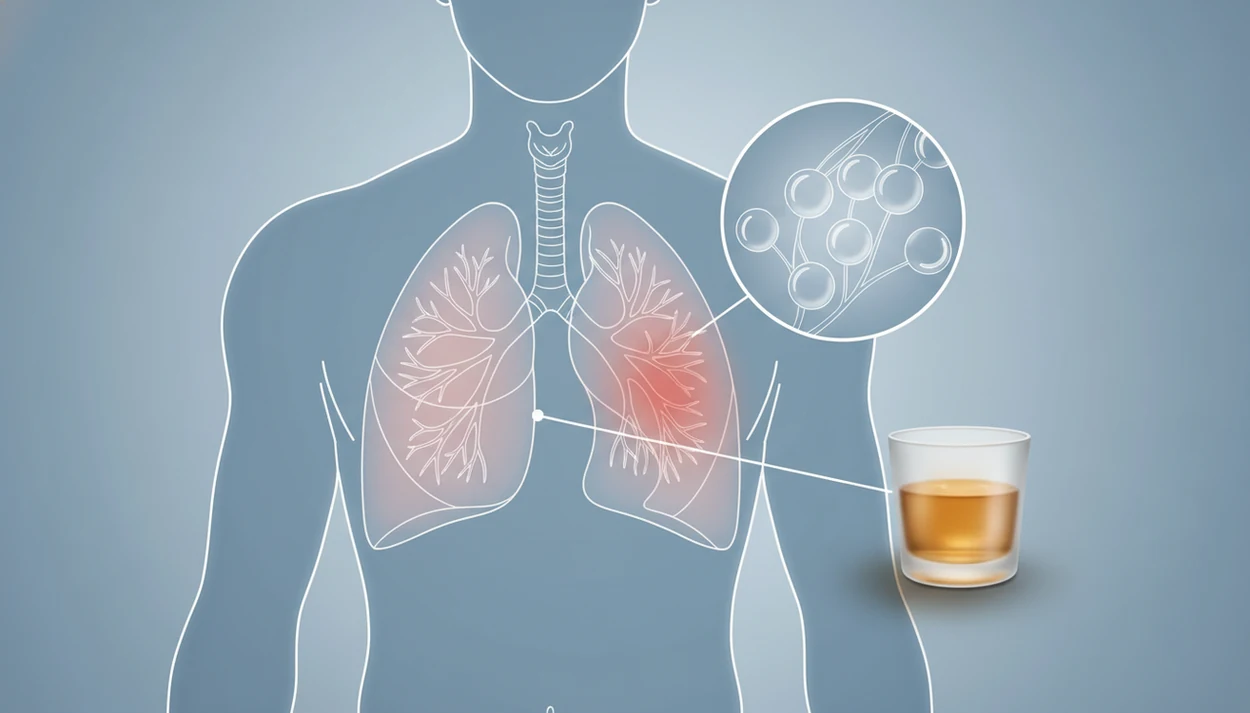
Chronic heavy drinking can raise alcohol and ards risk by weakening lung defenses, increasing pneumonia and sepsis risk, and making the air sacs more vulnerable to severe inflammatory injury. The strongest evidence links high alcohol use or alcohol abuse history with roughly double the odds of developing acute respiratory distress syndrome in hospitalized or critically ill adults.
Definition: Alcohol and ARDS risk refers to the way heavy or chronic alcohol use may increase a person’s chance of developing acute respiratory distress syndrome, a life-threatening form of lung failure usually triggered by pneumonia, sepsis, trauma, aspiration, or severe viral infection.
TL;DR
- Heavy or chronic alcohol use is linked to about a 1.9-fold higher odds of ARDS in meta-analysis data.
- Alcohol can damage lung defenses by reducing antioxidant protection, impairing air-sac immune cells, and increasing infection and aspiration risk.
- Cutting back alcohol, quitting smoking, and stopping vaping are practical lung-protection steps, but ARDS symptoms require urgent medical care.
Alcohol and ARDS Risk at a Glance
Quick answer: Heavy or long-term alcohol use may increase ARDS risk by weakening immune defenses in the lungs and making severe infections, aspiration, pneumonia, or sepsis more dangerous. Cutting back can be a practical risk-reduction step, but anyone with possible alcohol dependence should get medical guidance before stopping abruptly.
Key takeaways
- Alcohol does not directly “cause” every ARDS case, but it can make common ARDS triggers more likely or more severe.
- The biggest concern is chronic heavy drinking, especially when combined with pneumonia, sepsis, trauma, or vomiting with aspiration.
- Smoking or vaping may add lung irritation and can compound respiratory risk for many people.
- Reducing alcohol is most useful when paired with prevention basics: vaccines, infection care, safer sleep, and avoiding smoke exposure.
- Seek urgent care for severe shortness of breath, bluish lips, confusion, chest pain, or rapidly worsening breathing.
- Do not quit heavy daily drinking suddenly without medical advice, because withdrawal can be dangerous.
ARDS is sudden, severe lung failure where the tiny air sacs fill with fluid and oxygen levels drop. Heavy or chronic alcohol use is associated with higher ARDS risk, especially after pneumonia, sepsis, trauma, aspiration, or severe viral infection.
Alcohol is usually a risk amplifier, not the single cause. The trigger may be pneumonia after a bad fever, aspiration after vomiting, or a body-wide inflammatory hit after trauma. Alcohol can make the lung less ready for that hit.
That distinction matters. Someone may feel fine during a normal week, then get much sicker when infection arrives. A sleepy slump after a dry night is not ARDS; severe breathlessness is different.
This page is informational. It cannot diagnose ARDS, estimate your personal ICU risk, or replace emergency care.
Five Facts About Alcohol Acute Respiratory Distress Syndrome Risk
- High alcohol consumption is linked with higher ARDS odds. A 2018 meta-analysis of 13 studies and more than 177,000 people found high versus low alcohol consumption was associated with a 1.89-fold increase in ARDS odds the NIH.
- Alcohol abuse history shows a similar signal. Sensitivity analyses in the same meta-analysis found alcohol abuse history was associated with a 1.90-fold higher odds of ARDS.
- ICU data show a larger jump in some groups. Two ICU epidemiologic studies including 571 intensive care patients found chronic alcohol abuse increased ARDS incidence nearly three-fold. This estimate is summarized in the same meta-analysis and should be read as ICU-population evidence, not a general-population prediction the NIH.
- The mechanisms are not just “being drunk.” Alcohol may raise risk through immune dysfunction, oxidative stress, glutathione depletion, aspiration, and more severe infection.
- Risk reduction is practical, not moral. Reducing alcohol can be part of a lung-protection plan alongside quitting smoking and vaping. The tiny win is logging the drink before pouring the next one.
Alcoholic Lung Mechanisms Inside the Alveoli
Alcoholic lung refers to alcohol-related changes in the alveoli, the tiny air sacs where oxygen crosses into the blood and carbon dioxide leaves it.
Here is how alcohol and ARDS risk works inside the lung. Chronic heavy drinking can deplete glutathione, an antioxidant that helps protect lung tissue from chemical stress. Less antioxidant protection means more oxidative stress, which is a simple way to say lung cells are less protected from inflammatory damage.
A review of alcohol-related lung injury describes oxidative stress, glutathione depletion, impaired alveolar macrophage function, and barrier disruption as plausible pathways the NIH.
The alveolar epithelial barrier can also become leakier. That barrier normally helps keep fluid out of the air spaces. When it weakens during infection or injury, fluid can move into the alveoli, oxygen drops, and breathing becomes harder.
Alcohol also impairs alveolar macrophages. Those are cleanup-and-defense immune cells sitting inside the air sacs. If bacteria, viruses, or aspirated stomach contents arrive, the response may be slower and messier. For many patients, ARDS progression means severe inflammation, fluid leakage, low oxygen, and sometimes a ventilator.
Alcohol Pneumonia Lung Injury and ARDS Triggers
Does alcohol cause ARDS by itself? Usually, ARDS follows another serious illness or injury rather than appearing randomly.
Pneumonia is one of the main pathways. Heavy alcohol use can weaken airway and alveolar immune defenses, so a lung infection may spread faster or trigger a stronger inflammatory response. That is where alcohol pneumonia lung injury becomes clinically important.
Aspiration is another route. Intoxication, vomiting, reflux, sedation, or reduced airway protection can let stomach contents enter the lungs. A person may not remember the event, but the lungs can react hard afterward.
Sepsis and trauma are body-wide inflammatory triggers. Heavy alcohol use may worsen immune balance, nutrition, liver stress, and recovery after those hits. COVID-19 adds another example: unhealthy alcohol use has been associated with worse COVID-19 severity categories, including ventilation and death outcomes jmir.
For related trigger patterns beyond ARDS, the alcohol acute triggers guide maps how alcohol can interact with sudden health events.
Alcohol and ARDS Risk by Drinking Pattern
Alcohol and ARDS evidence is strongest for chronic heavy drinking, alcohol abuse history, unhealthy alcohol use, and hospitalized or ICU populations. It is weaker for occasional or lower-level drinking, so it is not honest to name a guaranteed safe threshold.
| Drinking pattern | What the evidence suggests | Practical takeaway |
|---|---|---|
| Chronic heavy drinking or alcohol abuse history | Most consistently linked with higher ARDS odds, especially in hospitalized adults | Treat reduction as a lung-resilience goal |
| Unhealthy alcohol use | Associated with worse severe infection categories in some COVID-19 data | Ask a clinician about risk if illness occurs |
| Binge episodes | May increase aspiration, vomiting, sedation, and pneumonia risk | Avoid stacking drinks at one sitting |
| Lower or occasional intake | ARDS-specific risk is less precisely defined | Track weekly drinks instead of guessing |
In SARS-CoV-2 infection data, unhealthy alcohol use was linked with 89% higher odds of being in a more severe COVID-19 disease category, including higher ventilation and death rates jmir.
For people reducing risk, weekly drink tracking is often easier than relying on memory because “just two” can become six by Friday.
How to Apply Alcohol and ARDS Risk Information
Use alcohol and ARDS risk information as a prevention screen, not a personal diagnosis. The goal is to make your baseline visible, notice extra lung-risk factors, and know when symptoms move beyond habit tracking.
- Review your pattern honestly: chronic heavy drinking, binge episodes, or occasional use. ARDS evidence is strongest around long-term heavy use, but binge nights can still matter through vomiting, sedation, and aspiration risk.
- Identify added risks that could make the lungs more vulnerable, such as pneumonia, recent infection, smoking, vaping, aspiration, or a history of severe respiratory illness.
- Track your weekly drinks before changing the goal. A concrete baseline makes “cutting back” less vague and helps you see whether weekends, stress, or social settings are driving the total.
- Discuss higher-risk history with a clinician if you drink heavily, may have withdrawal symptoms, or have had severe infections, ICU care, or breathing complications before.
- Treat severe breathing symptoms as urgent. Blue or gray lips, confusion, chest pain, very low oxygen, or rapidly worsening shortness of breath need medical help, not a streak reset.
Common Myths About Alcohol Acute Respiratory Distress Syndrome
Myth 1: Only smoking harms the lungs. Smoking and vaping directly stress the airways, but alcohol can also affect lung injury risk by weakening immune defenses and antioxidant protection inside the air sacs.
Myth 2: Alcohol only matters if someone is intoxicated at admission. Long-term drinking patterns can change lung biology before hospitalization. The risk is not limited to the night someone arrives in the emergency department.
Myth 3: Young, otherwise healthy people are unaffected. Age and baseline health matter, but heavy drinking can still worsen the body’s response to pneumonia, sepsis, trauma, or COVID-19. No shame. Just a real variable.
Myth 4: Alcoholic lung ARDS is too rare to matter. ICU studies have found alcohol abuse history in a meaningful share of ARDS cases. Clinicians typically consider alcohol history relevant when assessing pneumonia, aspiration, sepsis, and respiratory failure risk.
A practical trigger map can also include mood loops; alcohol anxiety brain chemistry explains why the next-day “I need something” feeling can pull people back toward drinking.
Alcohol Reduction, Smoking Cessation, and Lung Injury Prevention
Reducing alcohol may lower the chance of severe complications if pneumonia, sepsis, trauma, aspiration, or severe viral infection occurs. It is one prevention lever, not a treatment for ARDS.
Alcohol, cigarettes, and vaping often overlap in real life. A pub exit through the smoking area can become one linked decision point: drink, cigarette, then another drink. That loop matters because the lungs do not experience these behaviors in separate boxes.
Me Quit can support private habit tracking for smoking, vaping, drinking goals, cravings, streaks, and milestones. It cannot diagnose ARDS, treat alcohol use disorder, manage withdrawal risk, or assess emergency breathing symptoms.
How to use alcohol reduction for lung-protection habits:
- Track weekly drinks before changing anything.
- Set a drink limit for higher-risk nights.
- Plan alcohol-free days and protect them with reminders.
- Avoid binge episodes by choosing a replacement action early.
- Ask for medical support if withdrawal risk is possible.
For step-by-step cutback strategies, the alcohol reduction guides library is a better next read.
Emergency Signs of ARDS and Severe Alcohol Pneumonia Lung Injury
ARDS is an emergency diagnosed in medical settings using oxygen levels, imaging, and clinical assessment. Cutting back alcohol is prevention-focused; it is not a substitute for urgent treatment.
Call emergency services or local urgent medical help for severe shortness of breath, blue or gray lips, confusion, chest pain, very low oxygen if measured, or rapid worsening after infection or aspiration. Higher concern is warranted after pneumonia, sepsis, trauma, overdose, aspiration, or severe COVID-19.
Do not wait to “sleep it off.”
Breathing trouble after vomiting, sedation, or a serious infection can change quickly. The bar patio, the car ride home, or scrolling in bed afterward may feel ordinary, but oxygen problems are not a habit-loop issue. They need medical assessment.
If alcohol is part of a broader health-risk pattern, alcohol artery disease risk covers another place where cutting back may reduce strain.
Limitations
The alcohol and ARDS research is important, but it has limits. Use it as risk guidance, not as a personal prediction.
- Most evidence is observational, so it shows association and plausible mechanisms, not guaranteed causation for every individual.
- Many studies focus on ICU or hospitalized patients, so general-community risk is less precisely defined.
- Definitions of high alcohol consumption, alcohol abuse, and unhealthy alcohol use vary across studies.
Good quit smoking, stop vaping, quit drinking, and mindful alcohol reduction hubs deliver private tracking, trigger awareness, and streak repair, not ICU triage or emergency respiratory care. The Me Quit mequit addiction recovery hub for quit smoking, stop vaping, quit drinking, and mindful alcohol reduction fits that prevention lane.
FAQ
Can alcohol cause ARDS?
Alcohol usually increases vulnerability to ARDS rather than acting as the sole direct cause. ARDS is most often triggered by pneumonia, sepsis, trauma, aspiration, or severe viral infection.
Does alcohol worsen pneumonia?
Heavy drinking can weaken lung immune defenses and increase the risk of severe pneumonia complications. Pneumonia is also one of the major triggers for ARDS.
What is alcoholic lung?
Alcoholic lung means alcohol-related changes in lung immunity, antioxidant defenses, and air-sac barrier function. These changes can make the lungs more vulnerable during infection or injury.
Can binge drinking affect breathing?
Binge drinking can raise aspiration risk through sedation, vomiting, reflux, and reduced airway protection. Severe or rapidly worsening breathing symptoms need urgent medical care.
Does quitting alcohol lower ARDS risk?
Cutting down or quitting alcohol is likely beneficial for lung resilience, especially alongside stopping smoking or vaping. The exact timing of ARDS risk reduction is not clearly established.
Is ARDS the same as pneumonia?
No. Pneumonia is a lung infection, while ARDS is severe lung failure that pneumonia can trigger.
Does alcohol affect COVID ARDS?
Studies have linked higher weekly alcohol intake and unhealthy alcohol use with worse COVID-19 severity categories and higher ARDS odds. The evidence is observational, so it shows risk association rather than certainty.
When is shortness of breath urgent?
Severe shortness of breath, blue or gray lips, confusion, chest pain, very low oxygen, or rapid worsening after infection or aspiration is urgent. Call emergency services or local urgent medical help.