
How Alcohol May Worsen Autoimmune Neurological Symptoms
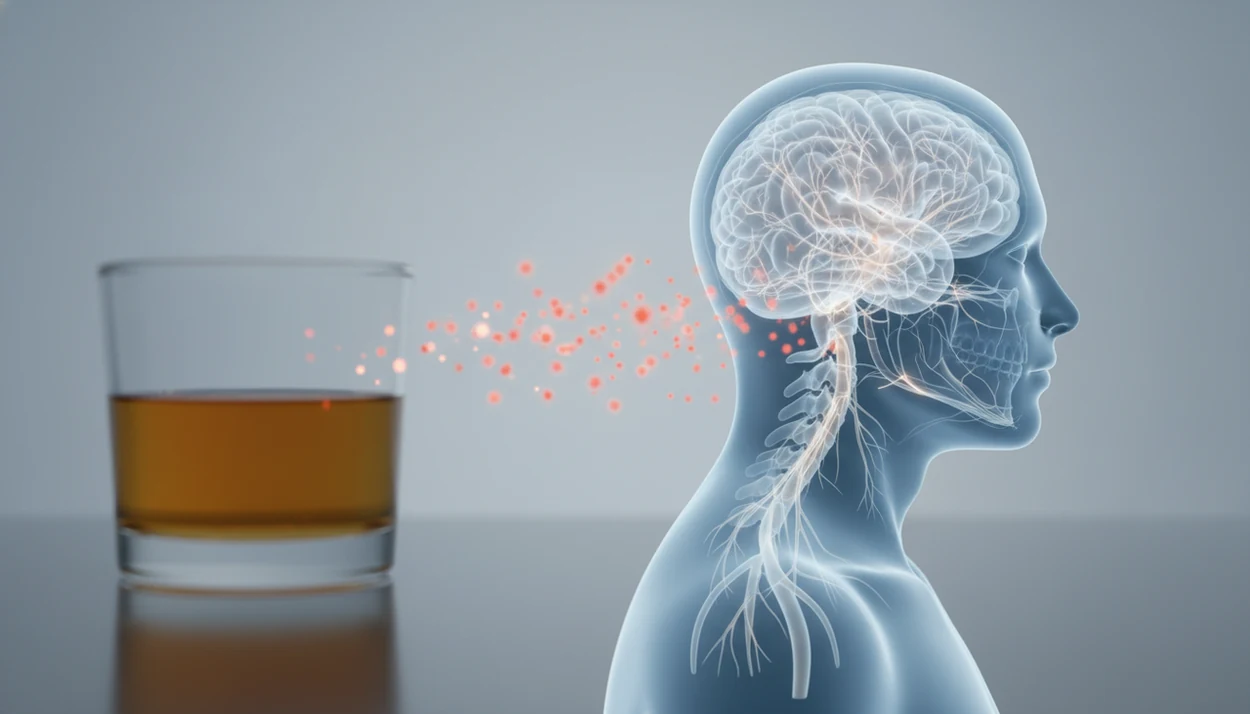
Alcohol autoimmune neurological symptoms can worsen because alcohol may add nerve toxicity, inflammation, immune disruption, sleep disruption, and medication-interaction risks on top of an already vulnerable brain or nervous system. If you have MS, Guillain–Barré syndrome, Hashimoto’s encephalopathy, autoimmune encephalitis, or unexplained numbness, weakness, balance trouble, brain fog, or vision changes, discuss alcohol use honestly with your clinician before assuming symptoms are “just the autoimmune disease.”
> Definition: Alcohol-related worsening of autoimmune neurological symptoms means drinking may amplify nerve or brain symptoms through inflammation, direct neurotoxicity, nutritional deficiency, sleep disruption, or treatment interactions in people with immune-mediated nervous-system disease.
Medical scope: This article is educational and cannot determine whether alcohol, medication effects, withdrawal, vitamin deficiency, or autoimmune disease activity is causing your symptoms. New or rapidly worsening neurological symptoms should be assessed by a clinician, and emergency symptoms should not be tracked at home first.
TL;DR
- Alcohol can mimic, compound, or worsen neurological symptoms such as tingling, numbness, weakness, balance problems, fatigue, brain fog, and memory issues.
- The highest-risk pattern is chronic heavy drinking, but some people with autoimmune neurological disease also notice symptom flares after smaller amounts.
- Reducing or stopping alcohol may improve some alcohol-related nerve and cognitive symptoms over months, especially when nutrition, thiamine status, and medical treatment are addressed.
Alcohol and autoimmune neurological symptoms at a glance
Quick answer: Alcohol may worsen autoimmune neurological symptoms for some people by adding inflammation, sleep disruption, balance impairment, nerve irritation, and medication-interaction risks. It is not always the main cause of symptoms, but reducing or pausing alcohol can make patterns easier to discuss with a clinician.
Key takeaways
- New numbness, weakness, vision loss, confusion, or trouble walking should be treated as medical symptoms, not a normal reaction to alcohol.
- Alcohol can make fatigue, dizziness, coordination, sleep, mood, and brain fog harder to interpret.
- Some immune, seizure, pain, sleep, and psychiatric medicines can interact with alcohol.
- Heavy daily drinking should not be stopped suddenly without medical advice because withdrawal can be dangerous.
- A symptom diary is often more useful than memory when flares, drinks, sleep, stress, and medications overlap.
- If symptoms improve during an alcohol break, that information can help guide safer long-term choices.
Alcohol is not usually considered the primary cause of autoimmune neurological diseases, but it can worsen symptoms, blur diagnosis, and slow recovery planning. The overlap matters because alcohol can cause numbness, tingling, weakness, tremor, fatigue, brain fog, balance problems, memory issues, sleep disruption, and vision complaints.
Alcohol-related neuropathy and autoimmune neurological symptoms can also exist at the same time. That is the hard part in clinic, and it is why a symptom diary alone cannot diagnose the cause. A note like “two drinks, poor sleep, right foot tingling worse by morning” is useful, but it is not a neurological exam.
Medication interactions are another reason to ask a neurologist or pharmacist about drinking. Steroids, anti-seizure medicines, sedatives, immune treatments, pain medicines, and liver-metabolized drugs can change the risk calculation quickly.
Five facts about alcohol, nerve inflammation, and autoimmune disease
- Chronic heavy alcohol use can directly damage peripheral nerves and the brain. The symptoms can look like autoimmune disease activity, especially when numbness, burning pain, imbalance, and memory changes appear together.
- Alcohol can raise oxidative stress, alter cytokines, and worsen systemic inflammation. In plain terms, it can push the body toward a more irritated immune state, though the effect varies by dose and person.
- Alcohol can worsen thiamine and B-vitamin deficiency risks that affect cognition and nerves. The nutrition side is often missed. Our related explainer on alcohol and b vitamin deficiency covers that mechanism in more detail.
- Alcohol may interact with steroids, immunosuppressants, anti-seizure medicines, sedatives, and other neurological treatments. The concern is not only intoxication. Liver strain, infection risk, falls, and sedation can all matter.
- Cutting down or quitting may improve some alcohol-related neurological symptoms, but recovery may take months. Some nerve damage can persist, especially after long-term heavy use.
How alcohol worsens autoimmune neurological symptoms
Alcohol can worsen autoimmune neurological symptoms through an additive injury model: immune-mediated nerve or brain injury plus alcohol-related neurotoxicity may create more symptoms than either factor alone. This is a mechanism explanation, not a way to self-diagnose.
The additive injury model
Autoimmune disease may affect myelin, peripheral nerves, brain tissue, or nerve signaling. Alcohol can add impaired coordination, slower reaction time, dehydration, poorer sleep, and higher pain sensitivity. A person may notice the difference as a shaky walk to the bathroom at 2 a.m., not as an abstract “inflammatory burden.”
Inflammation, vitamins, and nerve repair
Alcohol can affect immune dysregulation, oxidative stress, blood-brain barrier stress, cytokine changes, and nerve repair. It can also worsen symptom perception by disrupting mood and sleep. Mechanism varies by dose, drinking pattern, medications, nutritional status, and current disease activity. The most common medically supported way to reduce alcohol-related nerve risk is reducing exposure while correcting nutrition and reviewing medicines with a clinician.
Alcohol and multiple sclerosis symptom risks
Does alcohol and multiple sclerosis mean alcohol causes every MS flare? No. Alcohol is not proven to cause MS flares in every person, but it can worsen fatigue, balance, cognition, sleep, bladder urgency, depression, and heat sensitivity-like symptom perception.
Multiple sclerosis affects an estimated 2.8 million people worldwide, according to the National Institute of Neurological Disorders and Stroke the NIH. That population is broad, so individual alcohol tolerance varies. One person may notice nothing after a small glass of wine. Another may feel leg heaviness and blurred concentration the next day.
Neurologists often review alcohol because it can interact with MS medications, increase fall risk, and raise liver concerns. The last drink marked on a phone can become a useful data point if symptoms change the next morning. For anxiety-linked rebound after drinking, the alcohol anxiety brain chemistry guide explains a related pathway.
Alcohol and Guillain–Barré syndrome recovery concerns
Does alcohol and guillain barre syndrome mean alcohol triggered the illness? Usually, no. Infections are the main recognized triggers for Guillain–Barré syndrome, not alcohol, and GBS needs urgent medical diagnosis and monitoring.
Alcohol may still complicate recovery. It can worsen neuropathy risk, autonomic symptoms, fatigue, sleep quality, balance, pain, and medication side effects. That matters during a period when walking, breathing strength, blood pressure stability, and nerve recovery may already be under close review.
GBS is rare, with many references estimating roughly 1 to 2 cases per 100,000 people each year; the National Institute of Neurological Disorders and Stroke describes it as a rare neurological disorder that can progress quickly and require urgent care the NIH. Treatment may include IVIG, plasmapheresis, pain medicines, physical therapy, and follow-up rehabilitation. During that process, clinician-specific guidance matters more than general alcohol rules. Pub exit through the smoking area, one beer in, can be a real relapse setup for both nicotine and alcohol habits.
Alcohol and Hashimoto’s encephalopathy brain-fog questions
Does alcohol and hashimotos encephalopathy mean alcohol causes the condition? No. Hashimoto’s encephalopathy is an uncommon immune-mediated brain condition associated with cognitive changes, seizures, confusion, tremor, psychiatric symptoms, or altered consciousness, and alcohol should not be presented as its cause. A medical review in StatPearls describes Hashimoto’s encephalopathy as a rare, steroid-responsive encephalopathy associated with thyroid autoimmunity and neuropsychiatric symptoms the NIH.
Alcohol can still complicate the picture. It can cause intoxication-related confusion, sleep disruption, withdrawal effects, thiamine deficiency, liver strain, and medication interactions. Those effects can sit on top of brain fog that already feels hard to explain.
Not subtle.
New confusion, seizures, severe headache, weakness, or rapid mental-status change needs urgent medical evaluation. Do not wait to see whether “sleep fixes it.” For broader alcohol-related health risks, the alcohol reduction guides library groups related brain and body topics in one place.
Alcohol-related neuropathy versus autoimmune neurological damage
Alcohol-related neuropathy and autoimmune neurological damage can look similar, and both can coexist. Testing matters because guessing from symptoms alone can miss treatable disease activity, alcohol-related injury, or both.
| Feature | Alcohol-related peripheral neuropathy | Autoimmune neurological disease |
|---|---|---|
| Common examples | Alcohol-related nerve damage, often with nutrition issues | MS, GBS, CIDP, autoimmune encephalitis, thyroid-related encephalopathy |
| Typical symptom pattern | Burning, numbness, tingling, pain, imbalance, often in feet first | Weakness, sensory change, vision loss, brain symptoms, autonomic symptoms, or relapsing patterns |
| Evidence clue | Heavy alcohol use is associated with about 3-fold higher neuropathy prevalence; one review cites 46% in chronic alcohol abusers versus 9% in controls the NIH | Diagnosis may involve MRI, spinal fluid, nerve studies, antibodies, thyroid tests, and clinical course |
| Key warning | Can be under-recognized if drinking is minimized | Can worsen quickly and need urgent care |
Red flags include rapidly ascending weakness, trouble breathing, new bladder or bowel dysfunction, vision loss, seizures, severe confusion, or sudden neurological deficits.
Alcohol reduction steps for autoimmune neurological symptom tracking
Use alcohol tracking as supportive behavior data, not as medical treatment or diagnosis. A useful log entry includes time, trigger, amount, symptom intensity, sleep, medication timing, and response. Tools like Me Quit can help organize that pattern privately, but clinician review is still the safety layer.
- Log each drink with time, amount, setting, and whether it was planned or automatic.
- Record symptoms such as tingling, weakness, tremor, fatigue, balance trouble, brain fog, vision change, or pain from 0 to 10.
- Note sleep and medication timing so alcohol effects are not confused with missed doses, sedatives, steroids, or poor sleep.
- Set alcohol-free days and compare symptom patterns on drinking days versus dry days.
- Share the pattern with a neurologist, pharmacist, or addiction-informed clinician, especially if symptoms are changing.
- Use private support tools if reminders, streaks, and reset prompts help you stay consistent.
Me Quit can support private tracking for cravings, alcohol-free days, smoking or vaping triggers, streaks, and reset patterns. It is a behavior-support tool, not a diagnostic device, detox service, or medication-clearance system. If you drink heavily or daily, get medical help before abrupt cessation because alcohol withdrawal can be dangerous.
When neurological symptoms need urgent medical help
Some neurological symptoms need emergency care, not another log entry. Breathing trouble, weakness that is moving upward, seizures, severe confusion, or stroke-like symptoms should be treated as urgent until a clinician says otherwise.
A symptom log can help later, but it should not slow down care when the pattern is dangerous. Sudden face drooping, one-sided weakness, trouble speaking, new vision loss, loss of consciousness, or rapidly worsening walking problems are not “wait and compare tomorrow” symptoms.
- Call emergency services if breathing feels weak, speech suddenly changes, one side of the body becomes weak or numb, a seizure occurs, or confusion is severe.
- Avoid driving yourself if balance, vision, alertness, or coordination is affected.
- Bring medication details if possible, including recent steroid, anti-seizure, sedative, immune-treatment, or alcohol-use changes.
- Contact your neurologist for new or worsening symptoms that are not emergency-level, especially if they persist, repeat, or interfere with walking, work, sleep, or daily tasks.
- Ask for clinician review after falls, suspected withdrawal symptoms, medication changes, missed doses, or side effects that feel neurological.
The point is not to panic over every tingle. It is to separate routine tracking from symptoms that need real-time medical judgment.
Limitations
The available evidence has real boundaries, and those boundaries matter for this topic.
- Autoimmune neurological conditions vary widely. MS findings may not apply to GBS, CIDP, autoimmune encephalitis, or Hashimoto’s encephalopathy.
- Symptom worsening after alcohol may reflect sleep loss, dehydration, intoxication, withdrawal, medication effects, or disease activity rather than one clear mechanism.
- This article cannot tell an individual whether any amount of alcohol is safe with their diagnosis or medicines.
For behavior-focused planning, a best drink less app guide can help compare tracking tools, but it cannot replace medical advice.
FAQ
Can alcohol worsen MS symptoms?
Alcohol may worsen fatigue, balance, cognition, sleep, bladder urgency, mood, and medication side effects in some people with MS. It does not prove a new MS flare by itself.
Can alcohol trigger autoimmune flares?
Alcohol is not a universal autoimmune flare trigger. It may worsen inflammation, sleep, gut and immune regulation, and symptom perception in some people.
Is alcohol neuropathy reversible?
Some alcohol-related nerve symptoms may improve after stopping alcohol, nutrition support, thiamine correction, and time. Severe or long-standing damage may persist.
Does alcohol cause Guillain–Barré syndrome?
Infections are the main recognized trigger for Guillain–Barré syndrome. Alcohol may complicate nerve recovery, balance, fatigue, autonomic symptoms, or medication tolerance.
Can alcohol cause brain fog?
Alcohol can cause brain fog through poor sleep, intoxication effects, inflammation, thiamine deficiency, withdrawal, liver strain, and medication interactions. New severe confusion needs urgent evaluation.
Is wine safer for autoimmune disease?
Wine is not automatically anti-inflammatory or safe for immune-mediated neurological conditions. Alcohol content, medications, sleep effects, and individual disease activity matter more than the drink type.
Should I quit alcohol suddenly?
If you drink heavily or daily, ask a clinician before sudden cessation because alcohol withdrawal can be dangerous. Me Quit may support tracking, but it is not detox care.
When are neurological symptoms urgent?
Seek urgent care for breathing trouble, rapidly worsening weakness, seizures, severe confusion, sudden vision loss, new bladder or bowel dysfunction, or stroke-like symptoms. Do not use an app or symptom log as a substitute for emergency care.