
How Alcohol Can Affect Arteries, Plaque, and Aneurysm Risk
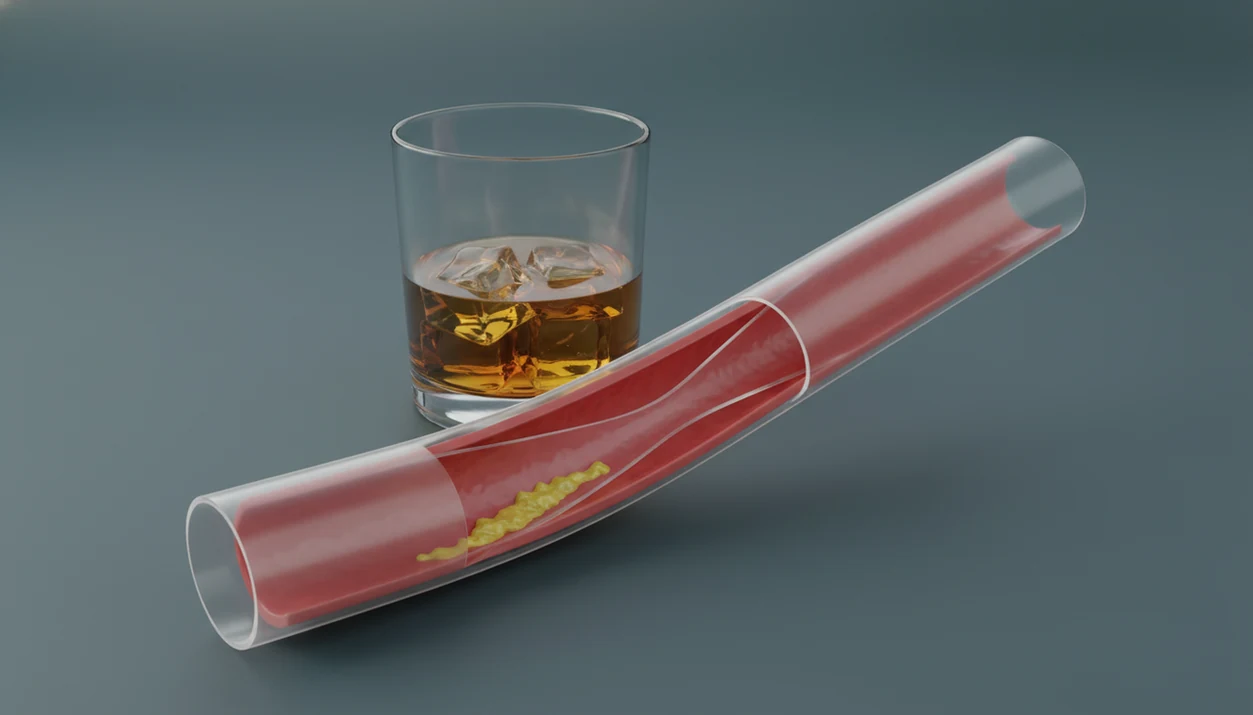
Heavy drinking is the clearest alcohol artery disease risk because it can raise blood pressure, increase inflammation, stress vessel walls, and worsen blood-flow problems over time. Evidence is strongest for heavy intake and binge drinking; low or moderate drinking data are mixed and should not be treated as artery protection.
Definition: Alcohol artery disease risk means the chance that drinking alcohol may contribute to artery narrowing, plaque-related blood-flow problems, or artery wall weakening such as aneurysm risk.
Medical scope: This article explains risk evidence and symptom red flags; it is not a diagnosis, screening plan, or a substitute for care from a clinician who knows your blood pressure, medications, and vascular history.
TL;DR
- Heavy alcohol use is linked to higher blood pressure, vascular stress, stroke risk, and worse blood-vessel health.
- Alcohol and peripheral artery disease evidence includes a large genetic analysis tying higher intake to a threefold increase in PAD risk.
- Alcohol and aortic aneurysm evidence is mixed, so moderate drinking should not be framed as a reliable protective strategy.
Alcohol Artery Disease Risk at a Glance
Quick answer: Alcohol may contribute to artery disease risk, especially at heavy or binge levels, by raising blood pressure, promoting inflammation, and adding stress to blood vessel walls. Low or moderate drinking should not be viewed as a reliable way to protect arteries, because evidence is mixed and individual risk varies.
Key takeaways
- Heavy drinking often raises blood pressure, a major driver of artery damage.
- Binge drinking may create short-term spikes in vessel stress and heart workload.
- Alcohol can worsen sleep, weight, and medication adherence, indirectly affecting artery risk.
- People with high blood pressure, diabetes, smoking history, or prior vascular disease should be especially cautious.
- Cutting back is often more realistic when cravings, triggers, and drinking patterns are tracked.
- Seek medical advice before stopping suddenly if you drink heavily or have withdrawal symptoms.
Heavy drinking and binge drinking are the clearest alcohol-related concerns for artery health. Artery disease can mean plaque narrowing, poor blood flow to the legs or brain, or weakening of a vessel wall, as in an aneurysm.
Moderate drinking evidence is not consistent enough to call alcohol a treatment, prevention plan, or artery-protective habit. That matters for anyone already managing high blood pressure, diabetes, high cholesterol, or tobacco use. Those risks stack. A cigarette after drinks on the bar patio is not just “two separate habits” in the body; it can be a shared vascular stress pattern.
Clinicians typically recommend reducing heavy alcohol intake, avoiding binges, and managing major cardiovascular risks such as smoking, blood pressure, diabetes, and cholesterol together. The most useful next step is usually a risk-factor plan, not a single magic food or drink.
Five Facts About Alcohol and Artery Health
- Heavy drinking is associated with worse blood-vessel health, including higher blood pressure and higher cardiovascular risk.
- Higher alcohol intake was associated with a threefold increase in peripheral artery disease risk in a genetic study of more than 500,000 UK residents, reported by the American Heart Association heart alcohol data.
- Alcohol and aortic aneurysm findings are mixed; some observational studies show lower aneurysm rates at moderate intake, but that does not prove alcohol protects the aorta.
- Alcohol and carotid artery disease is usually understood through blood pressure, atherosclerosis, rhythm changes, inflammation, and stroke pathways.
- Binge drinking can spike blood pressure and strain the cardiovascular system even when someone does not drink every day.
Small patterns count.
For many people, the decision point is not a diagnosis. It is the second round ordered beside salty food, then the cigarette outside, then the “I’ll restart Monday” thought.
How Alcohol Affects Arteries, Plaque, and Vessel Walls
Alcohol may affect arteries mainly by raising blood pressure, increasing inflammation, and impairing endothelial function, which means the inner lining of blood vessels stops responding as cleanly to blood-flow demands. In plain language, vessels can become stiffer, more irritated, and less able to relax when the body needs better circulation.
For clinical background, the American Heart Association notes that limiting alcohol can help manage blood pressure, and CDC lists excessive alcohol use as a high-blood-pressure risk factor (AHA; CDC).
Plaque buildup and vessel wall weakening are related but different problems. Plaque-related disease narrows the artery, reducing blood flow to the legs, brain, heart, or other tissues. Aneurysm risk is about wall widening or weakening, especially when pressure keeps pushing against a vulnerable artery.
Alcohol does not have to directly “create every blockage” to worsen vascular risk. It can push the system in the wrong direction through pressure, metabolic changes, sleep disruption, and missed medication routines. If you are mapping triggers, include the ordinary ones too: a late dinner, restless legs in bed, and the “I need something” feeling after a long commute.
For artery risk, reducing heavy drinking usually works better when paired with blood pressure checks and tobacco cessation because those risks reinforce each other.
Alcohol and Peripheral Artery Disease Risk in the Legs
Does alcohol increase peripheral artery disease risk in the legs? Higher alcohol intake has been associated with higher PAD risk, but alcohol should not be treated as the only or primary cause.
Peripheral artery disease means reduced blood flow outside the heart, often to the legs, commonly because narrowed arteries limit circulation. People may notice calf pain when walking, cold feet, slow-healing sores, or numbness, though some have few symptoms early.
A large genetic analysis of more than 500,000 UK residents linked higher alcohol intake with a threefold increase in PAD risk. That signal is important, but real-world PAD risk also depends on smoking, diabetes, high blood pressure, cholesterol, age, and family history.
The pocket check is real.
If someone drinks, smokes, and has borderline blood pressure, the practical plan is not to debate one cause. It is to reduce friction around the next healthy choice: track drinks, put gum where the cigarette pack used to sit, and ask a clinician about PAD screening if symptoms show up.
Alcohol and Aortic Aneurysm Evidence
An aortic aneurysm is abnormal widening or weakening of the aorta wall, not the same thing as plaque narrowing. Alcohol and aortic aneurysm evidence is mixed, so the safest reading is cautious: heavy drinking remains a vascular concern, and moderate drinking is not proven protection.
| Evidence type | What it found | How to read it |
|---|---|---|
| Alcohol-related disease study | A nationwide study linked alcohol-related diseases with nearly 2.4-fold higher abdominal aortic aneurysm incidence the NIH. | This supports concern about heavy or harmful alcohol patterns. |
| Swedish cohort, men | About 80,000 Swedish adults were studied; men drinking 10 glasses weekly had a hazard ratio of 0.80 versus 1 glass weekly. The cohort was published in Circulation (the NIH). | An inverse association does not prove alcohol strengthens the aorta. |
| Swedish cohort, women | Women drinking 5 glasses weekly had a hazard ratio of 0.57 versus 1 glass weekly. The cohort was published in Circulation (the NIH). | Confounding may explain part of the apparent benefit. |
| Practical takeaway | Heavy use, smoking, hypertension, and family history deserve attention. | Do not use alcohol as an aneurysm prevention strategy. |
Aneurysms can be silent. That is the unnerving part. People with known aneurysm risk should follow medical monitoring plans, not self-test with alcohol changes.
Alcohol and Carotid Artery Disease Stroke Pathways
Carotid arteries are the neck arteries that supply blood to the brain. Alcohol and carotid artery disease are usually connected through stroke-related pathways, especially high blood pressure, inflammation, rhythm changes, and atherosclerosis.
Carotid disease often involves plaque narrowing. If plaque ruptures or a clot travels to the brain, stroke risk can rise. Alcohol may add strain by raising blood pressure or triggering irregular heart rhythms in some people, especially after heavier drinking.
The 2022 subarachnoid hemorrhage evidence is related cerebrovascular evidence, not the same as carotid plaque disease. In that study, alcohol abuse after aneurysmal subarachnoid hemorrhage was associated with about 2.5-fold higher odds of angiographic vasospasm and delayed cerebral ischemia. Different condition, same warning light: blood vessels in the brain can be sensitive to alcohol-related stress.
If anxiety after drinking is part of your pattern, the alcohol anxiety brain chemistry guide explains why the next-day body alarm can feel so convincing.
When to Seek Medical Care for Artery Symptoms
Seek emergency care for symptoms that could mean stroke, heart attack, aneurysm trouble, or sudden loss of blood flow to a limb. Do not wait to “see if it passes” when symptoms are sudden, severe, or clearly different from your usual baseline.
- Call emergency services for face drooping, arm weakness, trouble speaking, sudden confusion, vision loss, or the worst headache of your life.
- Treat chest pressure, shortness of breath, sweating, nausea, or pain spreading to the jaw, back, or arm as possible heart attack symptoms, especially if they are new or intense.
- Get urgent help for sudden severe chest, back, belly, or tearing pain, which can be a warning sign of an aneurysm complication.
- Seek same-day emergency care for a cold, pale, blue, numb, weak, or very painful foot or leg, especially if it starts suddenly.
- Book a primary-care appointment for repeat calf, thigh, or buttock pain that appears with walking and improves with rest, slow-healing foot sores, cold feet, or new numbness.
- Talk with a clinician before stopping suddenly if you drink heavily or have had shakes, seizures, hallucinations, or severe withdrawal before.
Alcohol, Smoking, and Artery Disease Risk Reduction
Alcohol reduction alone does not erase artery disease risk, especially if smoking, high blood pressure, diabetes, or cholesterol problems are still active. Quitting smoking is one of the most important steps for lowering risk across PAD, carotid disease, and aneurysm concerns.
Four risk-reduction moves to name clearly:
- Track drinks. Write down drink count, setting, and trigger, including the brunch menu with bottomless mimosas.
- Avoid binges. A lower weekly total can still be risky if most drinks land in one night.
- Monitor blood pressure. Home readings can reveal patterns that a single office visit misses.
- Discuss metabolic risk. Ask a clinician about cholesterol, diabetes, PAD symptoms, and family history.
Behavior-change tools can support cue tracking and streak repair, but they do not diagnose artery disease or replace clinical care. Me Quit, an addiction recovery hub for quit smoking, stop vaping, quit drinking, and mindful alcohol reduction, is one example of private tracking and next-choice support—not emergency care or vascular treatment.
If alcohol is your main change target, our alcohol reduction guides cover drink limits, dry days, and craving routines in more detail.
How to Apply Alcohol Artery Disease Risk Information
Use this information to spot patterns, name the risks that travel together, and bring clearer notes into medical care. The goal is not to self-diagnose artery disease; it is to make the next seven days more measurable and safer.
- Compare your drinking pattern with heavy-use and binge-drinking thresholds, paying attention to both weekly totals and nights when several drinks cluster together.
- List your overlapping artery risks, including smoking or vaping, high blood pressure, diabetes, high cholesterol, family history, and missed medication routines.
- Track possible circulation symptoms such as calf pain when walking, cold feet, numbness, skin color changes, or sores on the feet or legs that heal slowly.
- Bring your log to a clinician before making major changes, especially if you drink heavily, take blood pressure medicine, have known artery disease, or may be at withdrawal risk.
- Set one seven-day reduction target, such as two alcohol-free nights, skipping the binge setting, delaying the first cigarette, or replacing one smoke-and-drink cue with a short walk.
Small, specific targets are easier to repair than vague promises.
Limitations
Alcohol artery disease research has real uncertainty, especially at low or moderate intake levels. Read the evidence as risk guidance, not a personalized medical answer.
- Alcohol reduction is not a substitute for quitting smoking, treating high blood pressure, managing diabetes, or lowering high cholesterol.
- People with withdrawal risk, heavy dependence, or prior severe withdrawal should speak with a clinician before stopping suddenly.
- This article is informational and is not a diagnosis, screening plan, or personalized medical treatment.
Reset the plan.
For some readers, the useful next step is a blood pressure log and a primary-care visit. For others, it is a drink-limit goal inside a best drink less app workflow.
FAQ
Does alcohol clog arteries?
Alcohol does not simply “clog” arteries by itself. It may contribute to artery risk through blood pressure, inflammation, metabolic changes, and habits that worsen plaque risk.
Can alcohol cause peripheral artery disease?
Higher alcohol intake has been associated with peripheral artery disease risk. The risk is usually greater when smoking, diabetes, high cholesterol, or hypertension are also present.
Does alcohol worsen carotid artery disease?
Alcohol can worsen stroke-related pathways such as high blood pressure, vascular stress, inflammation, and rhythm changes. Carotid artery disease still depends on many factors, including plaque burden and overall cardiovascular risk.
Can alcohol cause an aortic aneurysm?
Evidence is mixed, but alcohol-related disease and heavy use have been linked to higher abdominal aortic aneurysm risk. Moderate drinking should not be treated as aneurysm prevention.
Is red wine good for arteries?
Red wine is not a reliable or medically recommended artery-protective treatment. Any possible association in some studies must be weighed against alcohol’s blood pressure, cancer, liver, and injury risks.
Does binge drinking affect arteries?
Yes. Binge drinking can spike blood pressure and strain the cardiovascular system even when a person does not drink every day.
Can quitting alcohol improve blood flow?
Reducing alcohol may help lower blood pressure and vascular strain in some people. Blood flow also depends on smoking, plaque, diabetes, cholesterol, activity level, and medical treatment.
When should artery symptoms be urgent?
Seek urgent medical care for sudden weakness, face drooping, trouble speaking, chest pain, severe back or abdominal pain, or a cold painful limb. These symptoms can signal stroke, heart attack, aneurysm complications, or severe blood-flow blockage.