Alcohol Coach vs App: Which Support Fits Your Drinking Goal?

Choose an app if you want private, self-guided tracking to cut back; choose a coach, group, or medical help if you need accountability, repeated support, or safety guidance. The alcohol coach vs app decision mainly depends on your drinking risk, your goal, and whether you can change patterns without real-time human support.
This guide is educational and cannot tell you whether stopping or cutting down is medically safe for your body. If you have withdrawal symptoms, confusion, seizures, suicidal thoughts, or feel at immediate risk, seek professional or emergency help instead of relying on an app.
- An alcohol app is best for logging drinks, setting limits, tracking cravings, and building self-awareness.
- An alcohol coach is better when you need personalized accountability, pattern-spotting, and support after setbacks.
- Withdrawal symptoms, loss of control, repeated failed attempts, or serious harm are signs to seek professional alcohol help rather than relying on an app alone.
MeQuit is a quit smoking app that helps adults stop smoking, stop vaping, drink less, and track cravings, streaks, and milestones.
Alcohol coach vs app, side by side
Quick answer: An alcohol app is often a good first step if your goal is to cut back privately and you can track honestly without real-time support. A coach, group, therapist, or clinician may be a better fit if you need accountability, have repeated relapses, drink heavily, or may be at risk for withdrawal.
Key takeaways
- Use an app for self-monitoring, patterns, goals, cravings, and motivation between drinking decisions.
- Choose human support when you need feedback, accountability, or help after repeated setbacks.
- Do not stop heavy daily drinking suddenly without medical guidance, because withdrawal can be dangerous.
- Medication-assisted treatment may help some people reduce or stop drinking and requires a clinician.
- A private app can lower the barrier to starting, especially if stigma or cost keeps you from asking for help.
- The best option is the one that matches your risk level, goal, and ability to follow through.
Side-by-side captures of the compared products. Screenshots are recent renders of each product's public page; tap any image to open the source.
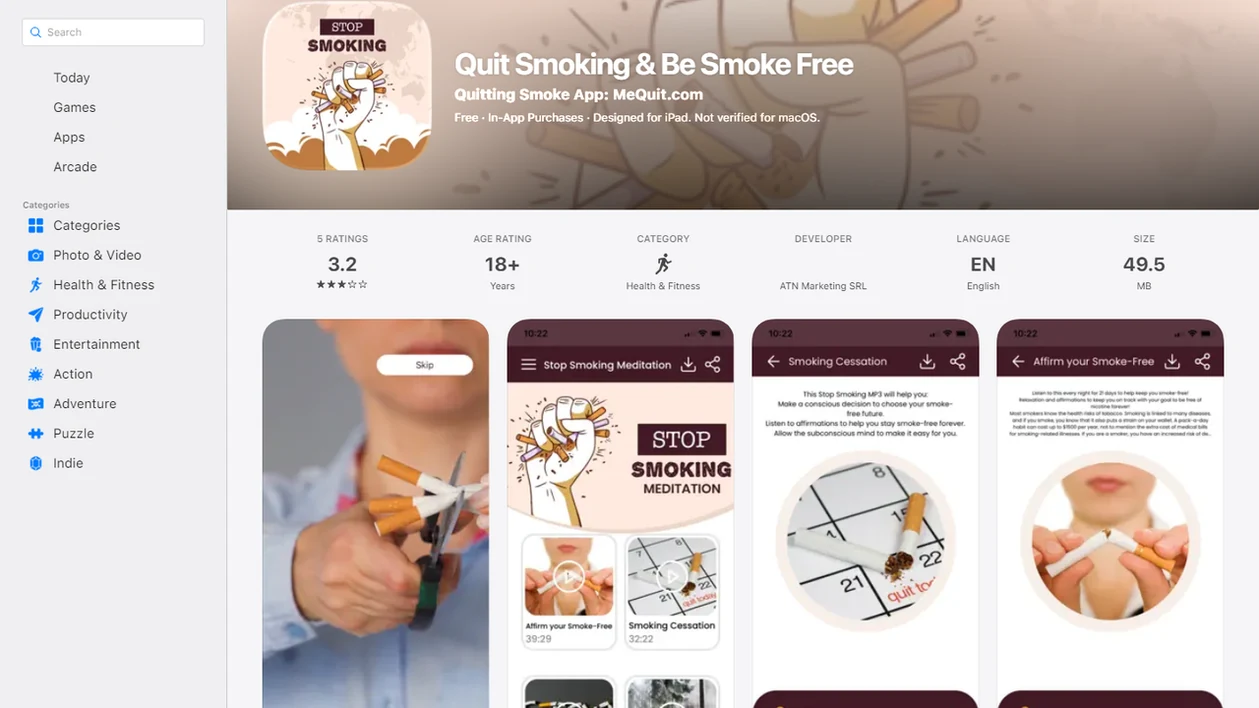
Alcohol coach vs app comparison table
An alcohol app supports self-management, but it does not diagnose or treat alcohol use disorder. A coach, group, or clinician adds more human support, with different levels of privacy, cost, and safety oversight.
| Support type | Cost | Privacy | Accountability | Personalization | Safety fit |
|---|---|---|---|---|---|
| Alcohol app | Usually low | High, phone-based | Self-driven | Based on logs and prompts | Low-risk habit change |
| Alcohol coach | Moderate to high | Private, but human-led | Scheduled check-ins | Stronger goal adjustment | Not medical treatment |
| Peer group | Often free or low | Less private | Group accountability | Varies by group | Supportive, not clinical care |
| Doctor, therapist, or detox service | Varies | Clinical privacy rules | Structured care | Medical assessment | Higher-risk drinking |
For low-risk cutbacks, an app may be enough to notice the Friday 6 p.m. drink that makes another drink feel automatic. If stopping feels unsafe or impossible, choose people over pixels.
How an alcohol coaching app works
An alcohol coaching app works by turning drinking patterns into visible data: goals, drink logs, craving notes, reminders, streaks, milestones, and reflection prompts. The behavior-change mechanism is simple habit-loop work: notice the cue, change the response, and review the reward.
A good app helps you record time, place, mood, social setting, and trigger pattern. That can reveal patterns you miss in the moment, like ordering a second drink after skipping dinner or pouring wine while answering work messages. Apps such as Me Quit, Reframe, and Sunnyside can support private progress tracking, but they cannot medically assess withdrawal risk or decide whether alcohol use disorder is present.
For low-risk drinkers, app-based support usually works best when the goal is specific, the logging is honest, and the person reviews patterns weekly.
How to use an alcohol app to drink less
Use an alcohol app as a daily feedback tool, not as a silent scoreboard. The point is to catch the craving window early enough to choose a small next step.
- Set a realistic goal, such as three alcohol-free days, a weekly drink limit, or no impulse drinks after dinner.
- Log every drink honestly, including size, time, and whether you planned it.
- Track cravings, emotions, places, and social situations, especially around meals, stress, and weekends.
- Review your patterns once a week, looking for repeat triggers rather than blaming yourself.
- Adjust the plan if risk signs appear, and escalate to coaching, a clinician, or a helpline if cutting back keeps failing.
Small data gets loud fast.
If privacy is the main reason you want phone-based support, a private alcohol reduction app may fit better than a public group.
When an alcohol app is enough support
An alcohol app may be enough when drinking is low-risk, the goal is mindful reduction, and you can follow limits without withdrawal symptoms or serious harm. It fits people who want awareness before they want a public identity.
- Mindful alcohol reduction: Apps help you pause before the automatic glass, especially on routine weeknights.
- Mild habit change: A tracker can support alcohol-free days, smaller pours, or skipping the “one more” order.
- Drink counting: Logging removes guesswork, including the brunch menu with bottomless mimosas.
- Private motivation: Streaks, money saved, and reminders help when you do not want a group setting.
- Early awareness: Notes about mood, place, and company can show which social triggers repeat.
An app is often enough for people who can cut back once they see the pattern, while coaching fits people who need another person to help them act on it.
Drink less coach accountability for setbacks
Do I need a drink less coach if I already have an app? A coach may help when you know what to track but keep getting stuck at the same point.
A drink less coach can review logs with you, ask better questions, and help plan around setbacks. Many coaches use a motivational interviewing style, which means they explore your reasons for change instead of lecturing. That can be useful after a rough weekend, when a reset feels more realistic than pretending nothing happened.
Coaching is not the same as licensed treatment. A coach can offer accountability, pattern-spotting, and goal adjustment, but should not diagnose alcohol use disorder, manage withdrawal, or replace a therapist or doctor. If you are comparing phone tools before choosing, our alcohol app alternatives guide lays out app-only and human-supported options.
Reset, not restart from zero.
Alcohol app safety red flags
Alcohol app safety red flags are signs that self-guided tracking may be insufficient or unsafe. In 2021, about 29.5 million people aged 12 or older in the U.S. had alcohol use disorder, according to SAMHSA’s national survey SAMHSA.
- Withdrawal symptoms: Shakes, sweating, nausea, anxiety, seizures, or confusion after cutting down need medical guidance.
- Morning drinking: Drinking soon after waking can signal dependence risk, not just a habit.
- Loss of control: If one drink repeatedly becomes many, an app may not be enough.
- Repeated failed attempts: Several serious cutback attempts that collapse deserve outside support.
- Harm and blackouts: Drinking despite relationship, work, legal, health, or memory problems is a red flag.
Clinicians typically recommend medical assessment when withdrawal, blackouts, or loss of control are present. A shaky phone log at midnight is information, but it is not care.
Alcohol help options beyond an app
Alcohol help beyond an app ranges from coaching to medical care, and the right step depends on risk. Higher-risk drinking usually needs human assessment, not only reminders and streaks.
- Coach: Useful for accountability, planning, and behavior review when medical risk is low.
- Peer group: Offers shared experience and routine support, including non-AA options for some people.
- Therapist: Helps when drinking connects to anxiety, trauma, depression, or relationship stress.
- Doctor or addiction clinician: Can assess withdrawal risk, medications, health effects, and alcohol use disorder.
- Detox service or crisis support: Needed when stopping could be medically unsafe or distress is urgent.
SAMHSA’s National Helpline is free, confidential, and available 24/7, 365 days a year for treatment referral and information SAMHSA. For people who want structured self-guided support without meetings, a quit drinking app without AA may be one lower-intensity option.
Sources and safety basis for alcohol support decisions
The safety basis for alcohol support decisions comes from public-health guidance, not from app streaks alone. SAMHSA and NIAAA are the main reference points for alcohol risk, treatment referral, withdrawal concerns, and evidence-based definitions of risky drinking.
Use self-tracking as information, then match the next step to risk:
- Check whether you have withdrawal symptoms such as shaking, sweating, nausea, anxiety, confusion, or a history of seizures after cutting down.
- Treat those symptoms as a reason for medical assessment, because withdrawal can be dangerous and cannot be ruled out by a drink log.
- Use coaching for behavior change, accountability, and planning, while remembering that a coach does not diagnose alcohol use disorder or manage detox.
- View alcohol apps as tools with some evidence for short-term reductions, especially when they increase awareness, goals, and feedback, but not as a complete care plan.
- Seek immediate help for urgent danger, seizures, severe confusion, or thoughts of self-harm.
The dividing line is safety. Tracking can show a pattern; trained help decides whether the pattern needs medical care.
MeQuit app features for private alcohol tracking
Me Quit supports adults who want private behavior-change tools for drinking less, alongside quit smoking and stop vaping support. It is built for cravings, streaks, milestones, reminders, and self-guided progress tracking, not for diagnosis, detox, or emergency care.
The practical value is in combined trigger tracking. A pub exit through the smoking area can make both a cigarette and another drink feel automatic. Tools like the Me Quit mequit addiction recovery hub for quit smoking, stop vaping, quit drinking, and mindful alcohol reduction track cravings and milestones across linked habits, not medical detox or clinician-led treatment.
People comparing app tones may also look at a Reframe app alternative or a Sunnyside app alternative. The better choice is the one you will actually open during a three-minute craving.
Limitations
App-based drinking support has real limits. A systematic review and meta-analysis of alcohol-reduction apps found short-term promise but noted limits in study quality, follow-up length, and certainty of evidence jmir.
- No diagnosis: Apps cannot diagnose alcohol use disorder or determine your medical risk.
- No withdrawal management: Symptoms such as shaking, sweating, confusion, or seizures need professional guidance.
- AI coach limits: AI-style prompts can miss danger signs that a trained clinician would ask about.
The most medically supported next step for withdrawal risk is professional assessment combined with appropriate care planning.
FAQ
Is there an alcohol app?
Yes. Alcohol apps exist for drink tracking, reminders, goals, cravings, sober streaks, moderation progress, and alcohol-free day planning.
Do alcohol apps really work?
Alcohol apps can help some motivated people cut back by increasing awareness and consistency. Evidence is mixed, and results depend on risk level, app quality, and regular use.
What does an alcohol coach do?
An alcohol coach provides personalized guidance, accountability, goal support, and pattern review. Coaching is not medical diagnosis or treatment.
Is coaching better than an app?
Coaching is often better for accountability and personalized feedback. Apps are often better for privacy, convenience, and daily tracking.
Can an app treat alcoholism?
No. An app cannot diagnose or treat alcohol use disorder by itself, and higher-risk drinking needs professional help.
When should I get alcohol help?
Get alcohol help if you have withdrawal symptoms, loss of control, repeated failed attempts, blackouts, or drinking despite harm. Serious mental health distress also needs professional or crisis support.
Can I cut back alone?
Some low-risk drinkers can cut back with tracking, goals, and alcohol-free days. If attempts repeatedly fail, it is wise to add coaching, clinical care, or another support option.
Are AI alcohol coaches safe?
AI alcohol coaches can offer prompts and reflection questions. They may miss safety risks and are not equivalent to a licensed clinician.
What is the best alcohol support?
The best alcohol support matches risk: an app for self-guided change, a coach for accountability, and medical care for dependence, withdrawal risk, blackouts, or drinking despite harm. A private tracking app can support daily awareness, but it is not a substitute for medical care.