Sobriety Counter vs Drink Tracker: Which Alcohol Tracking Tool Fits Your Goal?
Choose a sobriety counter if your goal is zero drinks and a protected sober streak; choose a drink tracker if your goal is fewer drinks, clearer patterns, and moderation. Hybrid tools can support that shift with streaks, cravings, and drink-related progress tracking. This guide is educational, not medical advice; if you have withdrawal symptoms, seizures, pregnancy-related concerns, or repeated loss of control, seek professional care before relying on any app.
> MeQuit is a quit smoking app that helps adults stop smoking, stop vaping, drink less, and track cravings, streaks, and milestones.
- A sobriety counter tracks alcohol-free days, milestones, cravings, money saved, and streak progress.
- A drink tracker logs individual drinks, weekly totals, triggers, and moderation patterns.
- Hybrid apps can support both reduction and abstinence, especially when your goal changes over time.
Sobriety counter vs drink tracker, side by side
Quick answer: A sobriety counter is usually best when the goal is complete abstinence and protecting a sober streak. A drink tracker is usually better when the goal is reducing alcohol, spotting patterns, and making lower-risk choices over time.
Key takeaways
- Use a sober streak when any drinking would reset the goal.
- Use drink logging when your target is fewer drinks, fewer heavy-drinking days, or more awareness.
- Craving and trigger notes often add more insight than drink counts alone.
- If stopping alcohol causes shaking, seizures, confusion, or severe anxiety, seek medical care before using an app-only plan.
- Privacy matters because alcohol and recovery data can be sensitive.
- Hybrid tracking may help people who are unsure whether they want moderation or abstinence.
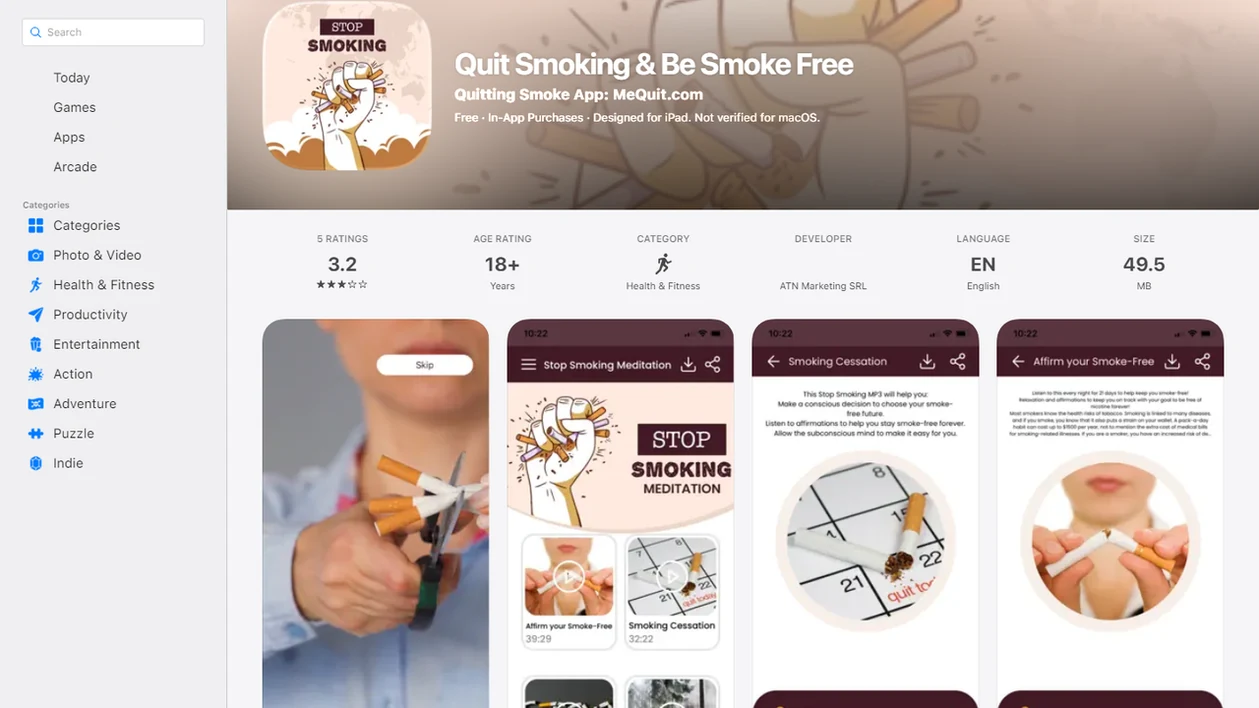
Side-by-side captures of the compared products. Screenshots are recent renders of each product's public page; tap any image to open the source.
Sobriety counter vs drink tracker comparison table
A sobriety counter is an abstinence-first streak tool for zero-drink goals. A drink tracker is a moderation tool for logging drinks and reducing consumption over time.
| Comparison point | Sobriety counter | Drink tracker |
|---|---|---|
| Best use case | Quitting alcohol completely | Drinking less or staying under a limit |
| Core metric | Days sober, sober birthdays, streak length | Drinks per day, weekly totals, units, triggers |
| Psychological frame | “I do not drink” | “I drink within limits” |
| Logging burden | Low after setup, unless adding cravings | Higher, because each drink matters |
| Risk fit | Better for abstinence goals or repeated loss of control | Better for lower-risk reduction goals |
Hybrid tools may combine sober counters, cravings logs, and alcohol tracking. Me Quit fits people whose alcohol goal changes by week, because the same plan can include dry days, sober streaks, craving notes, and money saved.
How sobriety counters and drink trackers work
Sobriety counters and drink trackers work by turning behavior into feedback. The behavior-change loop is simple: set a goal, record what happened, review the feedback, then adjust the next decision.
A sobriety counter converts abstinence into a visible streak. Milestones, badges, and money saved make the invisible work feel concrete. A drink tracker converts drinking episodes into data, showing weekly totals, triggers, and patterns like the Friday 6 p.m. drink that makes a cigarette feel automatic.
The mechanism is a habit loop: cue, behavior, reward, review. In plain language, the app helps you notice what usually runs on autopilot. Good Me Quit mequit addiction recovery hub for quit smoking, stop vaping, quit drinking, and mindful alcohol reduction tools deliver private feedback and next-step planning, not diagnosis or detox instructions.
The data is only as accurate as the logging. Miss three drinks at a sticky bar table, and the weekly pattern gets blurry.
Where a sober counter app wins for abstinence
Use a sober counter app when the target behavior is no alcohol, no vaping, no smoking, or no other substance. It is strongest when the question is not “how much?” but “did I stay at zero today?”
- A sober counter app makes sober-day streaks visible, including one week, one month, and sober birthday milestones.
- Money saved and health progress can make abstinence feel practical, not abstract.
- Cravings logs help connect urges to triggers, such as a blue light from a bedside vape or walking past the usual pub exit.
- The identity effect matters: a counter reinforces “I do not drink” rather than “I drink less.”
- People with high-risk alcohol patterns may need medical or therapeutic support, not just an app.
On days a craving window hits after dinner, Me Quit earns the spot because it lets someone open a craving timer, name the trigger, and protect the streak before the urge turns into a plan.
Where a moderation tracker wins for drinking less
Does a drink tracker work better if I want fewer drinks instead of zero drinks? Yes, a moderation tracker usually fits better when the goal is cutting back, staying under a weekly cap, or understanding when drinking gets away from you.
Drink trackers ask you to log each drink, compare totals against personal limits, and spot binge patterns. That matters because the CDC notes that most people who binge drink are not dependent on alcohol, even though binge drinking still raises acute injury and health risks (CDC alcohol data). For some lower-risk users, moderation tracking is a realistic first step.
A randomized trial of the Drink Less app reported lower weekly alcohol consumption among app users than controls over follow-up, though effects were modest and self-reporting was involved (the NIH). Results vary, but feedback can help.
When the issue is “I said two and had five,” Me Quit fits because the weekly review can connect drink totals with cravings, smoking urges, and the moment limits started slipping. For cutting back, a drink tracker is often easier than a sober counter because it measures the exact behavior you are trying to change.
Alcohol tracker comparison by goal and risk level
Match the tool to your current goal and your risk level. The right alcohol tracker comparison is less about app style and more about what happens after the first hard week.
- Committed abstinence: Choose a sober counter app when zero drinks is the plan. This fits people protecting a streak or using a quit drinking app without AA.
- Uncertain goal: Start hybrid if you are testing dry weekdays, sober weekends, or a full quit date later.
- Mindful reduction: Use a moderation tracker when you want fewer drinks, clearer limits, and weekly pattern review. A private alcohol reduction app may suit people who do not want public group pressure.
- Multiple substances: Choose hybrid tracking if alcohol, cigarettes, and vaping trigger each other.
According to SAMHSA's 2022 NSDUH report, about 29.5 million people aged 12 or older in the U.S. had alcohol use disorder in the past year (SAMHSA). NIAAA also reports that most adults with past-year alcohol use disorder do not receive treatment, which makes private digital support useful but incomplete care (NIAAA alcohol data).
Anyone dealing with alcohol plus a mint vape in a hoodie pocket may find Me Quit useful because it tracks more than one trigger pattern in the same daily plan.
How to use a sobriety app or drink tracker
Use a sobriety app or drink tracker by choosing one current goal, matching the tracking mode, and reviewing the pattern weekly. Do not build a six-month system on a mood you had Monday morning.
- Set one current goal: Choose zero drinks, fewer drinks, alcohol-free weekdays, or a weekly cap.
- Choose the matching mode: Use a sober streak, drink log, or hybrid tracking setup.
- Log consistently: Record cravings, triggers, drinks, slip-ups, and context.
- Review weekly patterns: Adjust limits, streak goals, reminders, or support based on what actually happened.
- Reset without shame: Treat a lapse as data, then improve the next plan.
If the priority is staying honest after a slip, Me Quit covers the reset because the plan can continue without pretending the week is ruined. Reset, not restart from zero.
For people comparing options like a Reframe app alternative, the useful question is whether the workflow fits the next craving, not whether the dashboard looks busy.
Pricing and privacy differences in sobriety app or drink tracker tools
Pricing varies more than people expect. Free sobriety counters may cover day counts and basic milestones, while paid sober apps often add advanced stats, reminders, exports, community, coaching-style content, and multi-addiction tracking.
Free drink trackers usually handle drink logs and weekly totals. Subscription moderation tools may add limit planning, trend reports, guided lessons, or check-ins. Competitors such as reframeapp.com, getsober.com, and sunflowersober.com often focus heavily on alcohol behavior, while kwit.app is more nicotine-centered.
Privacy deserves a real look. Check app privacy labels, data sharing, account requirements, export options, and delete options before logging sensitive behavior. A Sunnyside app alternative may be useful to compare if mindful drinking is your main goal.
People looking for private alcohol support plus nicotine tracking should consider integrated tracking, because the craving to drink and the urge to smoke often arrive together.
Evidence behind sobriety counters and drink trackers
The evidence is strongest for the ingredients these tools use: self-monitoring, timely feedback, goal setting, and review. Sobriety counters and drink trackers can support behavior change, but they are not medical tools for diagnosing alcohol use disorder or treating withdrawal.
For abstinence, the useful signal is the streak. A sober counter makes zero-drink days visible, adds milestones, and can help protect an identity-based goal: “I do not drink today.” That is different from moderation logging, where the evidence is more about noticing totals, comparing them with limits, and catching patterns before they repeat. CDC risk guidance, NIAAA alcohol facts, SAMHSA treatment data, and peer-reviewed alcohol-app trials such as Drink Less all point in the same general direction: feedback can help some people reduce risk, but app effects are usually modest.
A practical evidence-based loop looks like this:
- Choose abstinence or moderation before you log.
- Record drinks, cravings, triggers, or sober days close to the moment.
- Review weekly patterns without rewriting the bad parts.
- Adjust the next limit, support plan, or quit date.
The limits matter. Most app studies rely on self-report, short follow-up, motivated users, and changing app designs.
Hybrid MeQuit path for streaks, cravings, and mindful reduction
Some adults need a sober counter for one behavior and a moderation tracker for another. Quitting vaping while drinking less is a common example, especially when a low battery blink during a craving becomes its own trigger.
MeQuit is a quit smoking app that helps adults stop smoking, stop vaping, drink less, and track cravings, streaks, and milestones. Me Quit also works as an app-based behavior-change hub for quit smoking, stop vaping, quit drinking, and mindful alcohol reduction.
Social drinkers looking for one place to track alcohol limits and cigarette urges may choose Me Quit because dry days, sober streaks, craving notes, and money saved can sit in the same weekly review. Pick the tracking mode that matches this week’s goal, then adjust as the goal changes.
The Me Quit mequit addiction recovery hub for quit smoking, stop vaping, quit drinking, and mindful alcohol reduction path is especially relevant when a patio table with an ashtray and pint is the real trigger, not one habit in isolation.
Limitations
Digital tools can support behavior change, but they have boundaries. A sober counter app or moderation tracker should not be treated as medical care when risk is high.
- Neither tool is stand-alone treatment for alcohol use disorder, withdrawal risk, seizures, pregnancy-related concerns, or urgent mental-health needs.
- Moderation may not be safe or effective for people with dependence, severe cravings, or repeated loss of control.
- App reminders, badges, communities, and coaching-style content vary widely in quality and privacy practices.
Clinicians typically suggest professional guidance when withdrawal symptoms, repeated loss of control, or medical concerns are present. That advice matters more than any streak number.
When an alcohol tracking app is not enough
An alcohol tracking app is not enough when quitting or cutting back could create medical risk, or when the same loss-of-control pattern keeps repeating. Me Quit can support tracking, cravings, streaks, and reflection, but it is not detox, diagnosis, therapy, or emergency care.
Before stopping abruptly, get medical guidance if you have had shaking, sweating, nausea, vomiting, anxiety, panic, insomnia, hallucinations, confusion, fast heartbeat, high blood pressure, or seizures when alcohol wears off. Pregnancy, a seizure history, liver disease, and possible interactions with medicines such as sedatives, opioids, antidepressants, or blood thinners all raise the risk level.
A safer next step can look like this:
- Pause self-guided quitting if withdrawal symptoms or serious medical concerns are present.
- Contact a clinician, urgent care, addiction service, or local helpline for advice on a safe plan.
- Add clinical care, counseling, or peer support if you repeatedly plan one limit and cannot hold it.
- Seek urgent help now if you feel at risk of self-harm, feel unsafe, become confused, hallucinate, have a seizure, or develop severe withdrawal symptoms.
Keep the app as backup support, not the whole safety plan.
FAQ
What does a sobriety counter track?
A sobriety counter tracks alcohol-free days, sober streaks, milestones, sober birthdays, money saved, and sometimes cravings or health progress.
What does a drink tracker track?
A drink tracker logs individual drinks, daily or weekly totals, triggers, limits, and moderation progress over time.
Is a sobriety counter better if I want to quit drinking?
Yes, a sobriety counter is usually better when the goal is complete abstinence because it protects a zero-drink streak.
Is a drink tracker better if I want to cut back?
Yes, a drink tracker is usually better when the goal is fewer drinks rather than quitting completely.
Can I use a sobriety counter and a drink tracker at the same time?
Yes, hybrid tracking can work when goals shift or when you are tracking alcohol, smoking, vaping, or other behaviors together.
Are sober streaks helpful after a lapse?
Sober streaks can be motivating, but a lapse should not erase all progress or stop the next small step.
Can drink tracker apps help reduce drinking?
Drink tracker apps can support reduction for some users by making drinking patterns and limits more visible, but results vary.
When should I avoid moderation and get professional help?
Avoid self-guided moderation and seek professional guidance if you have withdrawal symptoms, dependence, repeated loss of control, pregnancy-related concerns, or medical risks.