How to Quit Smoking With Phone Tracking and Reminders
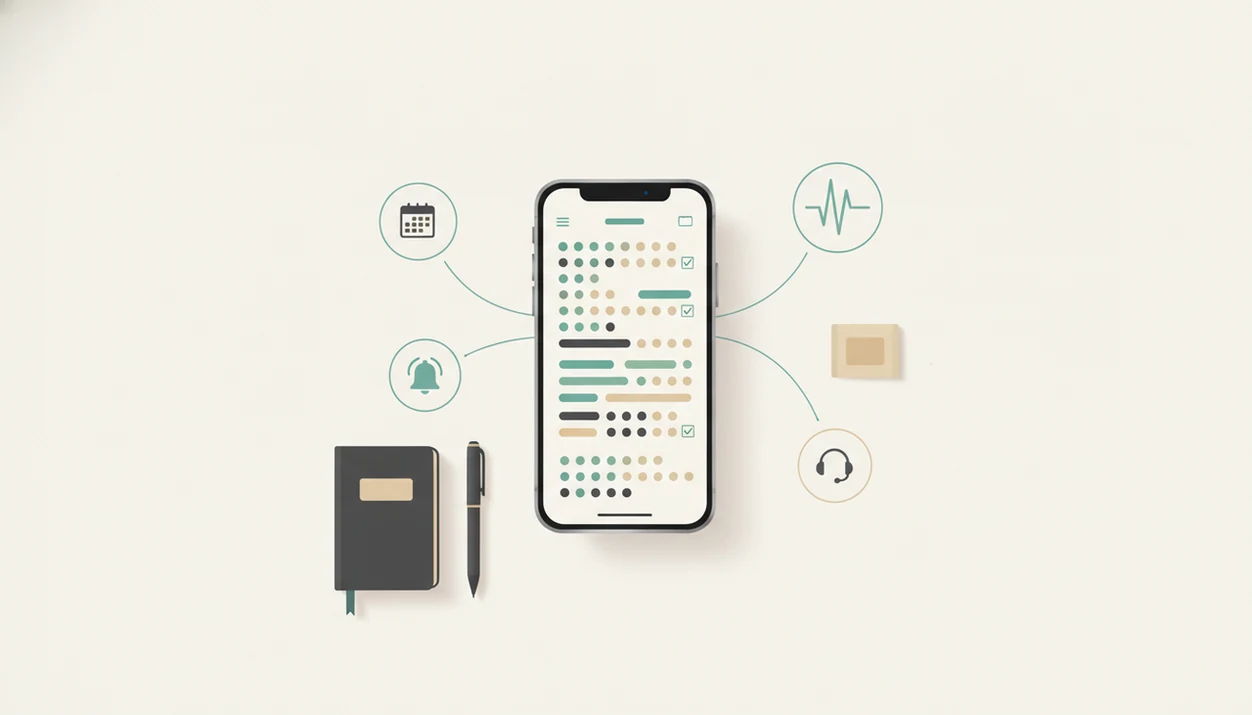
The most practical way to learn how to quit smoking with phone tools is to turn your iPhone or Android into a daily quit system: set a quit date, log cigarettes and cravings, schedule reminders, use a craving plan, and escalate to live support when the app is not enough. A phone app works best when it is paired with proven supports such as nicotine replacement therapy, counseling, text coaching, or a quitline.
> Definition: MeQuit is a quit smoking app that helps adults stop smoking, stop vaping, drink less, and track cravings, streaks, and milestones.
TL;DR
- Use your phone as a quit hub, not just a badge counter: track cigarettes, cravings, triggers, money saved, NRT notes, and relapse resets.
- Set a specific quit date, build craving reminders before you need them, and use the app at the exact moment you would usually smoke.
- Escalate beyond the app if cravings stay intense: counseling plus medication can improve quit success by as much as 2–3 times compared with trying without support.
Phone-Based Quit Smoking Systems
Quick answer: You can use phone tools to quit smoking by making the phone your daily cue, tracker, and backup plan. For many people, the strongest approach combines app-based craving tracking and reminders with evidence-based support such as nicotine replacement therapy, counseling, text coaching, or a quitline.
Key takeaways
- Use one simple quit dashboard so your plan is easy to open during cravings.
- Log the situation around each urge, not just whether you smoked.
- Pair phone reminders with real actions like walking, breathing, water, or calling support.
- Track nicotine replacement or medication use so patterns and side effects are easier to discuss.
- Treat a slip as data, then restart quickly instead of abandoning the plan.
- Seek medical guidance if withdrawal feels severe or if you use quit-smoking medication.
A phone-based quit smoking system is a repeatable loop of tracking, prompts, coping tools, and escalation, not just an app download. The useful part is what happens in the craving window: you notice the trigger, log the urge, interrupt the habit, choose a replacement action, then review the pattern later.
That loop matters because smoking is often tied to habit loops and cue reactivity. In plain English, the brain learns that a place, mood, drink, or time of day means “smoke now.” A cold porch rail before sunrise can become part of the routine before you even think.
Research on smartphone cessation tools based on Acceptance and Commitment Therapy found that more frequent app use was linked with higher odds of 30-day abstinence the NIH. Tools like Me Quit can serve as a private hub for smoking, vaping, and mindful alcohol reduction, but the app still needs daily use.
Phone Quit Smoking Plan At A Glance
A phone quit plan works best when each tool has a job and a time to use it. iPhone and Android can both support the same structure through calendar events, app reminders, notes, widgets, privacy settings, and saved support contacts.
| Task | Phone tool | When to use it |
|---|---|---|
| Set quit date | Calendar event | 1 to 4 weeks before quitting |
| Log cigarettes | App tracker or note | For several baseline days |
| Hit craving button | Delay timer, breathing prompt, saved reasons | Before smoking |
| Add trigger notes | Tags for place, mood, people, alcohol, vaping | Right after an urge |
| Set NRT reminders | Medication reminder or app note | Patch, gum, lozenge, or prescribed medicine schedule |
| Review milestones | Streak, money saved, health milestone screen | End of day or week |
| Escalate support | 1-800-QUIT-NOW, SmokefreeTXT, clinician contact | When urges feel unmanageable |
Per the CDC, most adults who smoke want to quit, and many try each year, but only a smaller share succeed in a given year CDC smoking data.
Before You Start: Set Up Your Phone And Support
Before you start, make your phone quiet, private, and ready for the first hard craving. A few setup choices now prevent the quit plan from becoming another app you forget to open.
- Check whether you should get clinician guidance before quit day, especially if you are pregnant, smoke heavily, use other medications, or are considering nicotine replacement therapy or prescription cessation medicine.
- Choose one tracking app, one calendar, and one saved support contact so your plan has a clear home instead of scattered notes and half-used reminders.
- Rewrite lock-screen and notification text for privacy if anyone else sees your phone. “Check plan” may be safer than “don’t smoke” on a work device, shared tablet, or family phone.
- Save support before you need it: 1-800-QUIT-NOW, SmokefreeTXT, and a clinician or pharmacist contact if medication questions might come up.
- Remove visible smoking cues before quit day, including cigarettes, lighters, ashtrays, porch containers, car packs, and anything that makes the old routine feel automatic.
5 Phone App Steps To Stop Smoking
Use these five steps to turn a phone app to stop smoking into a daily quit routine. The goal is not perfect tracking. The goal is to catch the moment before the cigarette.
- Set a quit date and add it to your iPhone or Android calendar with two preparation reminders.
- Log every cigarette for several days so you can see your baseline times, places, and trigger patterns.
- Build reminder prompts for high-risk moments, including commute stress, after meals, alcohol, and the first morning cigarette before coffee.
- Use a craving action menu before smoking: delay five minutes, breathe, walk, drink water, text someone, or call support.
- Review each night by checking streaks, slips, triggers, and whether you need more support tomorrow.
For people who forget patterns under stress, quick phone logging is often easier than memory-based quitting because the urge gets recorded while it is still fresh.
Step 1: Set Your Quit Smoking Date On iPhone Or Android
How do I set a quit smoking date on iPhone or Android? Choose a specific quit date, put it in your calendar, and prepare the phone before withdrawal or stress peaks. Many people pick a date within one to four weeks, giving enough time to observe triggers without drifting forever.
Add a calendar event, a lock-screen line that names your reason, and a short note titled “Why I’m quitting.” Keep it concrete: no stale smoke on my winter coat, more breath on stairs, less money disappearing at the corner store.
Privacy matters. Set notifications to say “check plan” rather than “don’t smoke,” especially on shared devices. Save emergency contacts, your clinician or pharmacist if relevant, 1-800-QUIT-NOW, and text support before the hard day arrives. quitSTART from Smokefree.gov is a free evidence-informed option from the National Cancer Institute and CDC; a free quit smoking app should still have planning, tracking, and support features.
Step 2: Track Cigarettes, Cravings, And Triggers On Your Phone
Phone tracking turns smoking from a vague problem into visible trigger patterns. Log quickly, even if the entry is messy.
- Count: Record each cigarette, not just the “bad” ones, so your baseline is honest.
- Time and place: Note when and where it happened, such as the car, balcony, work exit, or after dinner.
- Emotion: Tag stress, boredom, anger, relief, loneliness, or celebration.
- Social setting: Mark whether you were alone, with smokers, drinking, or holding a vape.
- Intensity and action: Rate the craving, then note whether you delayed, smoked, walked, texted, or used NRT.
The point is pattern detection, not shame. Morning coffee, commute tension, meals, alcohol, and social smoking often cluster together. Me Quit can connect cigarette, vape, and drink triggers in one recovery hub, which helps when the Friday 6 p.m. drink makes smoking feel automatic.
Fast beats flawless.
Step 3: Build Quit Smoking Reminders For Craving Moments
Quit smoking reminders work when they meet the craving at the usual time. Random motivation pings are easier to ignore, especially after a long workday.
Build if-then scripts. If I want to smoke after lunch, then I walk for five minutes. If my chest flutters near the corner store, then I open the craving timer before going inside. If I want a cigarette after two drinks, then I switch to water and text my support person.
Use a small menu: delay timer, breathing prompt, saved reasons, water, movement, distraction game, or message. Keep it short enough to use with shaky fingers over a phone screen. iPhone Focus modes and Android notification controls can hide alerts during meetings and surface them at risk times. Too many notifications can backfire; once people turn everything off, the system goes quiet.
Step 4: Add NRT Notes, Counseling, And Quitline Support
The most common medically supported way to improve quit success is behavioral support combined with medication when appropriate. Clinicians typically recommend discussing nicotine replacement therapy or cessation medication with a clinician or pharmacist, especially if you smoke heavily, have medical conditions, are pregnant, or take other medicines.
- Nicotine replacement therapy: Record patch use, gum, lozenge, inhaler, or spray notes so you can spot missed doses and craving spikes.
- Prescription medication: Track timing and side effects only as directed by a clinician.
- Counseling: Note coaching sessions, triggers discussed, and the next small step.
- Quitline and text support: Save 1-800-QUIT-NOW and SmokefreeTXT as escalation options.
The National Cancer Institute says counseling and medication together can increase quit success by as much as 2–3 times compared with trying without support the National Cancer Institute smoking data. Escalation is smart support, not a restart from zero.
Step 5: Reset A Smoking Slip Without Losing The Plan
What should I do if I smoke after my quit date? Treat the slip as data, then reset the plan within 10 minutes. A lapse is one event; returning to the old pattern is what you are trying to prevent.
Use a fast reset: log what happened, remove remaining cigarettes, open a craving tool, message support, and update the trigger plan. If the butt bucket near the apartment door pulled you back in, move it, clean the area, and change the leaving-home routine.
Per the CDC, many adults who smoke make quit attempts, and a much smaller percentage successfully quit in a given year. That does not mean slips are harmless. It means repeated attempts are common, and the next action matters. Review relapse patterns weekly, especially alcohol-linked slips, work stress, and “just one” social smoking moments.
Reset, not restart from zero.
Common Myths About Quitting Smoking On iPhone Or Android
Quitting smoking on iPhone or Android can help, but phone tools are often misunderstood. These myths make people expect either too much or too little from an app.
- Myth 1: Downloading an app makes you quit. Apps help when you actively log, plan, respond to cravings, and review patterns.
- Myth 2: Phone tools only help light smokers. Heavier smokers may still benefit, but they often need stronger live and medical support.
- Myth 3: All apps are the same. Evidence-informed features include tracking, coping skills, structured quit plans, goal setting, privacy controls, and support escalation.
- Myth 4: Apps replace counseling or medication. They can organize the plan, but they do not replace clinical care when it is needed.
- Myth 5: A streak is the whole plan. Streaks help motivation, but trigger notes and reset steps prevent repeat slips.
A good quit-smoking phone system should offer private progress tracking and next-step prompts, not diagnosis, detox care, or a guaranteed cure. Me Quit can also connect stop-vaping, quit-drinking, and mindful alcohol-reduction patterns when those triggers overlap. If you are comparing options, a best quit smoking app guide should explain both features and limits.
Limitations
Phone-based quitting is useful, but it has clear limits. A phone can hold the plan; it cannot provide every kind of care.
- Phone apps cannot replace medical evaluation, prescription support, emergency help, or urgent mental health care.
- Many quit smoking apps have not been tested in rigorous clinical trials, even when they look polished.
- Heavy nicotine dependence, severe withdrawal, repeated relapse, pregnancy, and medication questions may require live professional support.
For someone who wants private day-by-day support, an app to help me stop smoking can be a practical starting point, but not the whole safety net.
FAQ
Can phone tracking help me quit smoking?
Yes, phone tracking can help when you use it actively for cigarette logs, reminders, coping tools, quit planning, and support escalation. It is not a standalone cure.
What is the best quit smoking app?
Choose an evidence-informed app with cigarette tracking, craving tools, quit planning, privacy controls, and escalation to support. The right choice depends on whether you also need vaping, alcohol, money saved, or health milestone tracking.
Can I quit smoking on iPhone?
Yes, you can quit smoking on iPhone by combining an app, calendar reminders, Focus settings, health notes, and saved quitline contacts. Use the phone during the craving, not only at the end of the day.
Can I quit smoking on Android?
Yes, you can quit smoking on Android with an app, notifications, widgets, calendar reminders, and support contacts. Android notification controls can help keep reminders private and timed to high-risk moments.
Should I track every cigarette?
Track every cigarette early in the quit process because it reveals timing, triggers, and baseline patterns. Later, you can shift toward craving, streak, and relapse-prevention tracking.
Do quit smoking reminders work?
Quit smoking reminders work best when tied to predictable craving moments and specific replacement actions. Generic motivation alerts are easier to ignore.
What should I log for cravings?
Log the time, place, emotion, trigger, craving intensity, action taken, and outcome. Also note whether alcohol, vaping, stress, or social pressure was involved.
What if I smoke again?
Treat the slip as data, log what happened, reset quickly, and update the trigger plan. If slips repeat, add live support such as a quitline, counseling, or medical guidance.
When should I call a quitline?
Call a quitline when cravings feel unmanageable, relapse risk is high, or you need live coaching beyond the app. In the United States, 1-800-QUIT-NOW connects callers to free quit support.