
How Drinking Less Alcohol Can Help Your Body and Mind
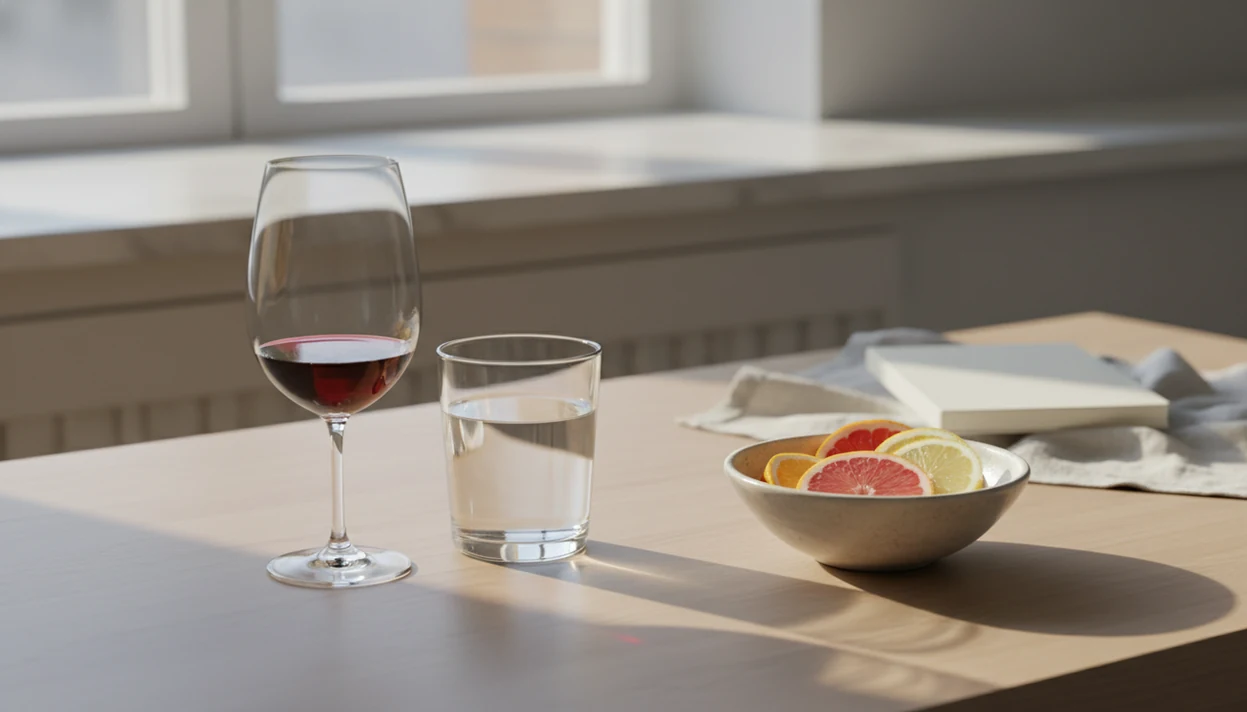
Cutting back can improve ordinary parts of the week that alcohol makes harder: getting out of bed, concentrating through a meeting, following through on a workout, or staying patient at home. The changes are not identical for everyone, but comparing drinking days with alcohol-free days can reveal a pattern.
Start by counting accurately and choosing a change you can measure. If you drink heavily most days, need a morning drink, or have felt shaky or sick after stopping, speak with a clinician before reducing. Alcohol withdrawal can become dangerous.
The short version
Drinking less alcohol can mean fewer hangovers, clearer mornings, better sleep, steadier mood, and more reliable energy. Over time, lower alcohol exposure also reduces risks linked to high blood pressure, liver disease, stroke, heart disease, and several cancers. You do not have to quit completely before a reduction can benefit your health.
The gains you may notice now and later
- Better short-term function: Drinking less often means fewer hangovers, better sleep, steadier mood, clearer mornings, and more reliable energy for ordinary days.
- Lower long-term health risk: Reduced drinking is associated with lower risk of high blood pressure, liver disease, stroke, heart disease, and several cancers.
- Any reduction can matter: A person does not need to choose lifelong abstinence before getting some risk reduction from fewer drinks.
- Guideline limits give context: Per the CDC, U.S. guidance defines lower-risk drinking as 2 drinks or less in a day for men and 1 drink or less for women. The CDC’s moderate drinking guidance explains these daily limits and notes that drinking less is generally better for health than drinking more CDC alcohol data.
- The public-health stakes are high: The CDC reports about 178,000 U.S. deaths each year from excessive alcohol use, making reduction a practical prevention step CDC alcohol data.
A half-poured wine glass on the counter can be a useful signal. Not a verdict. Just data.
One drink may be larger than it looks
In the United States, one standard drink contains about 14 grams of pure alcohol. Typical equivalents are 12 fluid ounces of regular beer, 5 fluid ounces of wine, or 1.5 fluid ounces of distilled spirits. Strong beer, a large home pour, or a mixed drink can contain more than one.
| Drink | Typical standard serving |
|---|---|
| Regular beer | 12 fluid ounces |
| Wine | 5 fluid ounces |
| Distilled spirits | 1.5 fluid ounces |
The CDC's moderate alcohol guidance defines moderate use as no more than two drinks in a day for men or one for women. These are reference limits, not a guarantee of safety, and drinking less is generally better for health.
Why fewer drinks can change sleep, mood, and physical strain
Drinking less alcohol works by reducing repeated alcohol-related disruption to sleep architecture, hydration, blood sugar, mood regulation, liver workload, and cardiovascular strain.
Alcohol can make someone feel sleepy at first, but it often fragments later sleep. That matters because restorative sleep supports attention, appetite regulation, and emotional control the next day. Fewer alcohol spikes and crashes may also mean less next-day irritability, anxiety, and fog.
There is a body side, too. Lower alcohol exposure can reduce strain on the liver, blood pressure patterns, heart function, and cancer-related risk pathways. The mechanism is not instant repair. It is less repeated load over time.
Benefits vary by person, drinking pattern, medications, sleep debt, and overall health. Someone who has two extra drinks on Friday may notice better Saturday mornings. Someone with heavy daily drinking may need a clinical plan, not just a tracking sheet.
For more background on related body changes, the alcohol reduction guides cover brain, cravings, and physical risk in more detail.
Will cutting back clear alcohol-related brain fog?
Does drinking less mental clarity improve in a way people can actually feel? Fewer drinks can lead to clearer mornings, stronger focus, better recall, and fewer foggy workdays.
The most noticeable change is often routine reliability. You wake up, find your phone, remember the end of the night, and start the day without negotiating with a headache. That can improve decisions, emotional regulation, and follow-through.
Among people with alcohol use disorder, reduced drinking has been associated across studies with lower depression and anxiety and better self-esteem. For example, alcohol-treatment research has found that reductions in drinking can be associated with improvements in alcohol-related consequences and quality-of-life measures, though results vary by population the NIH. That finding is encouraging, but it is population-level evidence. It does not mean alcohol reduction alone treats anxiety, depression, trauma, or compulsive use.
If brain fog is the main concern, it helps to log the pattern: time, number of drinks, sleep quality, and next-day focus. The connection becomes harder to ignore after a few entries, especially after workdays with meetings. Our guide to brain fog after drinking alcohol explains that pattern further.
Does quitting or reducing alcohol give you more energy and improve focus?
Alcohol consumed at night can still affect the next morning. A 10 p.m. drink may show up as extra snooze cycles, shorter patience, slower recall, or repeated rereading during a 9 a.m. meeting. You do not need a severe hangover to have reduced next-day focus.
Test the change over 7, 14, or 30 days
Choose a measurable target, such as three alcohol-free days each week, one fewer drink per occasion, or no drinking after 8 p.m. Each morning, compare alcohol-free days with drinking days instead of looking for one dramatic change.
| Track | Possible improvement |
|---|---|
| Morning energy | Less heaviness or fewer snooze cycles |
| Sleep | Fewer wake-ups, less thirst, or steadier mornings |
| Concentration | Longer focus blocks and fewer rereads |
| Mood | Less irritability, anxiety, or emotional whiplash |
| Daily follow-through | Fewer delayed tasks and more consistent workouts |
Some differences can appear within days, while a clearer personal pattern may take two to four weeks. Results vary with drink amount, timing, sleep debt, stress, medications, and health. A measured pour and a written morning score are more dependable than memory alone.

From the first alcohol-free days to the following months
The health benefits of cutting back alcohol often begin with fewer rough mornings, then build into better sleep, steadier energy, and lower long-term disease risk.
First few days
Early changes may include fewer hangovers, better hydration, steadier appetite, and less morning nausea. Sleep can feel uneven at first, especially if alcohol was part of the bedtime routine. Still, many people notice they wake up less puffy and less mentally dulled.
First few weeks
Over several weeks, some people see easier weight management, clearer skin, improved blood pressure patterns, and better fitness recovery. Skin changes are not guaranteed. If facial redness or collagen concerns are part of the reason you are cutting back, the alcohol wrinkles and collagen explainer gives more context.
Longer-term risk reduction
Longer-term reduction lowers risk linked to liver disease, high blood pressure, stroke, heart disease, and some cancers. HSE public-health guidance states that cutting down or giving up alcohol reduces the risk of 7 types of cancer, including mouth, throat, liver, and breast cancers hse alcohol data.
Drinking less lowers risk; it does not erase every past alcohol-related risk.
What happens to your body and mind when you stop drinking alcohol or drink less?
During the first few alcohol-free days, some people notice fewer hangovers, less morning nausea, better hydration, or clearer thinking. Sleep may improve, but it can also feel uneven at first if drinking was part of the bedtime routine. Over the following weeks, patterns in energy, mood, blood pressure, appetite, fitness recovery, and concentration may become easier to see.
Longer-term benefit comes from reducing repeated alcohol exposure. According to the CDC guidance on why drinking less matters, lower intake reduces risks connected with injuries, several cancers, heart and liver disease, depression, anxiety, and memory problems. Cutting down can help even when permanent abstinence is not your current goal.
Track drinks, sleep, morning energy, anxiety, focus, and hangover symptoms for two to four weeks. Review alcohol-free days and heavier nights side by side.
This timeline does not apply safely to everyone. Abruptly stopping after chronic heavy drinking can cause dangerous withdrawal. Tremor, sweating, vomiting, a racing pulse, confusion, hallucinations, or seizures require medical attention.
Check your drink sizes and withdrawal risk first
Before reducing alcohol, write down your current weekly amount, usual drinking days, and real drink sizes. A “glass” poured at home may be two standard drinks.
| Checkpoint | What to note | Why it matters |
|---|---|---|
| Weekly pattern | Drinks per week and drinking days | Shows whether risk is daily, weekend-heavy, or both |
| Guideline reference | U.S. lower-risk limits and U.K. 14-unit weekly guidance | Gives context, not personal medical advice |
| Trigger map | Stress, social pressure, boredom, loneliness, alcohol at home | Shows where planning beats willpower |
| Safety warning | Shaking, sweating, confusion, hallucinations, seizures, heavy daily drinking | Signals need for medical advice before cutting down |
| Support tool | Private logs, cravings, streaks, milestones | Helps turn vague intention into visible behavior |
Get medical advice before reducing if you drink heavily most days, have had withdrawal symptoms or seizures, or may be physically dependent on alcohol.
Talk with a clinician before cutting down if you drink heavily most days, need a morning drink, have had withdrawal symptoms, or have liver disease, pregnancy, a seizure history, or risky medication interactions. Call emergency services for seizures, hallucinations, confusion, fainting, chest pain, severe vomiting, or rapidly worsening withdrawal symptoms.
How to stop drinking after a health scare: a 7-day plan
A doctor warning, abnormal liver test, blackout, injury, or other scare calls for a concrete plan. First, follow the clinician's instructions and ask if stopping suddenly is safe. Do not attempt an abrupt stop on your own if you drink heavily most days, need alcohol to feel steady, or have had withdrawal symptoms.
- Write down what happened and why it matters now.
- Confirm the goal with a clinician if the scare involved liver disease, pancreatitis, pregnancy, medication interactions, withdrawal, or another serious condition.
- Set a seven-day limit, or choose no alcohol only when medical instructions and withdrawal safety are clear.
- Record every drink with its amount, time, place, mood, and trigger.
- Schedule two to four alcohol-free days if that plan is medically appropriate, and choose what will replace the usual drinking time.
- Remove alcohol from easy reach and avoid the riskiest setting for one week.
- Review the results, then continue, tighten the plan, or contact a clinician.
Moderation is not suitable for every situation. Blackouts, repeated drunk driving, loss of control, morning drinking, withdrawal symptoms, serious liver disease, pregnancy, or repeated failed attempts to stay within limits are reasons to discuss abstinence and treatment. NIAAA clinical guidance explains why some people need supervised withdrawal and continuing care.
Start with five changes you can measure
If you are wondering how to start drinking less, begin with one normal week of measurement before making big promises. Begin by recording one normal week, then choose a small reduction target based on the pattern you actually see.
- Track every drink for one normal week without judging it; include time, place, trigger, and amount.
- Set one specific target, such as two drink-free days or one fewer drink per occasion.
- Remove alcohol from easy reach, or avoid stocking it at home for the first two weeks.
- Swap one drink: choose the first drink, last drink, or weeknight drink and replace it with an alcohol-free option.
- Review patterns once a week and adjust the plan instead of quitting after one slip.
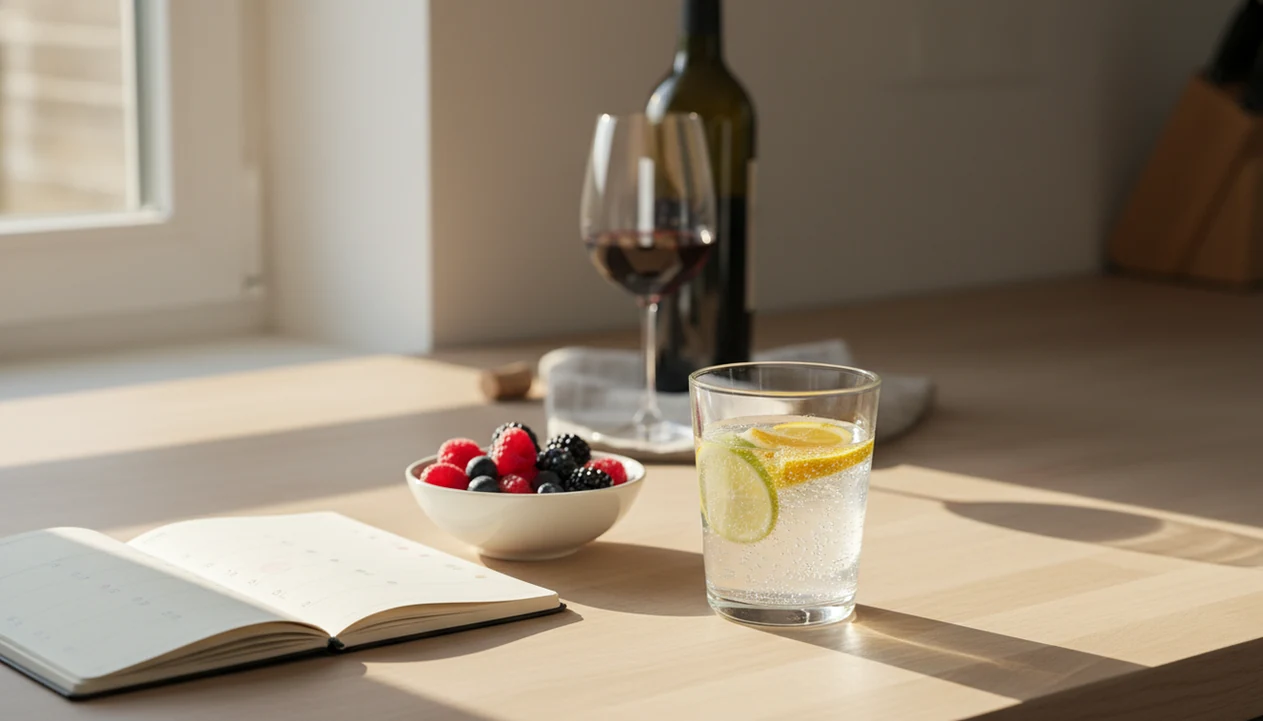
A calendar dry day marked green can feel small. It is still evidence.
For people comparing phone-based support, a best drink less app guide can help separate simple trackers from broader behavior-change tools.
How to use a drink tracking app to drink less for better health
A drink tracker is most useful when it connects alcohol intake with a health goal you care about. That might be sleeping through the night, lowering blood pressure with medical guidance, having steadier moods, managing calorie intake, recovering from workouts, or being more present for morning family routines.
- Choose one weekly goal, such as two alcohol-free days or one fewer drink per occasion.
- Log each drink as you have it, including the type, size, time, and setting.
- Record sleep quality, morning energy, mood, cravings, and focus the next day.
- Review the log once a week for high-risk times and differences after alcohol-free days.
- Change one part of the plan after a slip instead of deleting the record or starting over from zero.
Count standard drinks rather than glasses. A large wine pour, strong beer, or cocktail may contain more than one drink. A notebook, calendar, spreadsheet, or basic phone tracker can all do the job. The CDC Drink Less, Be Your Best campaign also supports specific reduction goals rather than treating complete abstinence as the only useful outcome.
Plan for parties, stress, and the 6 p.m. pull
Choose your small steps to reduce alcohol before a craving, stressful evening, or round of social pressure begins. High-risk moments are predictable, so the plan should be specific.
- Drink-free days: Choose fixed days with no alcohol, especially after heavier social nights.
- Start-and-stop times: Decide when drinking begins and when it ends before the event starts.
- Alternating drinks: Switch between alcoholic and non-alcoholic drinks, and eat before drinking.
- Social scripts: Use plain lines such as “I’m taking it easy tonight” or “I’m having an alcohol-free one first.”
- Environment changes: Avoid keeping alcohol at home, leave events earlier, or meet friends for coffee, a walk, or exercise.
The sticky bar table under your fingertips is not the moment to invent a strategy.
Changing the setting often works better than expecting motivation to stay strong all evening. It is easier to choose well when the fridge, route home, and social script already support the choice.
How strong is the evidence for cutting back?
The evidence is strongest that drinking less reduces alcohol-related health risk and can improve next-day functioning for many people. The exact size and speed of the benefit depend on your starting pattern, health, sleep, medications, and stress load.
Public-health guidance consistently links lower alcohol exposure with lower risk across conditions such as liver disease, high blood pressure, injuries, stroke, heart disease, and several cancers. Sleep evidence also fits everyday experience: alcohol may make you drowsy, but it can fragment later sleep and reduce restorative sleep quality, which helps explain why fewer drinks often mean clearer mornings.
The evidence supports lower disease risk, while the timing of changes in sleep, mood, and morning clarity varies from person to person.
- Treat disease-risk reduction as well-supported, especially when cutting down from heavy or frequent drinking.
- Expect sleep and morning clarity to be likely but variable, because timing, amount, and baseline sleep debt matter.
- View skin, weight, mood, and productivity gains as possible, not guaranteed, since food, exercise, mental health, and routines also drive those changes.
- Remember research limits, because many alcohol studies are observational and cannot perfectly separate drinking from income, diet, smoking, social support, or past health.
- Track your own response for a few weeks so the plan is based on your pattern, not someone else’s story.
How quitting or reducing alcohol benefits heart and liver health
Reducing alcohol lowers repeated strain related to blood pressure, heart function, and liver processing. The exact recovery timeline depends on the amount and duration of drinking, existing disease, medications, nutrition, and other health conditions. Better sleep and energy may be noticeable within days or weeks, while changes in blood pressure or liver tests require proper measurement and may take longer.
| Period | What to look for |
|---|---|
| First days | Fewer hangovers, better hydration, and less morning fog may occur |
| Following weeks | Sleep, energy, recovery, and blood pressure patterns may become clearer |
| Following months | A clinician may repeat blood pressure checks, liver tests, or other monitoring |
Do not use feeling better as proof that liver or heart disease has resolved. Abnormal liver tests, chest symptoms, high blood pressure, or a diagnosed condition need follow-up. A systematic review of alcohol-reduction outcomes found associations with lower blood pressure, improved biochemical markers, weight reduction, and improvement in some measures of alcohol-related liver disease, although results differed across studies.
Red wine is not a reason to start drinking
Alcohol should not be started for heart protection. Apparent benefits reported in some older observational studies can be affected by differences between drinkers and nondrinkers, including health, age, and former drinking. A 2023 systematic review and meta-analysis of 107 cohort studies, involving more than 4.8 million people, found no significant mortality reduction at low intake after adjustments for major biases. People who do not drink do not need to begin, and people who cut back are not giving up a proven health treatment.
Cutting-back mistakes that can raise your risk
One common mistake is treating a slip as failure instead of data. A useful log might say: “Saturday, 10:40 p.m., birthday dinner, intensity 8, had two extra drinks, left late.” That entry gives you something to change.
Another mistake is saving all drinks for one binge night and assuming weekly totals are the only thing that matters. Pattern matters. If the reduction plan creates one very heavy episode, it may increase risk even if the weekly number looks tidy. The health effects of concentrated drinking are covered in what binge drinking does to your body.
People also weaken progress by keeping alcohol at home, repeating the same trigger routine, and expecting motivation to carry the whole plan. Nicotine, vaping, poor sleep, and stress can interact with cravings, too.
The point is not moral judgment. It is pattern recognition.
Questions about cutting back on alcohol
How soon can I feel better after drinking less?
Fewer hangovers, less nausea, or clearer mornings may appear within several days. Sleep, energy, mood, and focus patterns can take two to four weeks to judge more clearly. Long-term reductions in disease risk build over months and years. Timing depends on your previous intake, health, medications, stress, and sleep.
Will cutting back improve my sleep?
It may. Alcohol can make you sleepy at first but disrupt sleep later in the night, contributing to waking, thirst, and morning grogginess. Sleep may feel unsettled at first if alcohol was part of your bedtime routine. Compare several alcohol-free nights with drinking nights before deciding how much has changed.
Can drinking less reduce anxiety or low mood?
Some people report fewer anxious mornings, less irritability, and steadier moods after reducing alcohol. Research also links drinking reduction with improvements in anxiety, depression symptoms, and quality of life in some groups. Alcohol is not the only cause of these symptoms, so persistent or severe changes deserve professional care.
Is cutting down worthwhile if I am not ready to quit?
Yes. Fewer drinks can reduce hangovers, injuries, and repeated strain on sleep, blood pressure, the liver, and other body systems. Cutting down does not remove every risk, and moderation is not safe for everyone. It can still be a meaningful step when abstinence is not your current goal.
What counts as one alcoholic drink?
One U.S. standard drink is about 12 fluid ounces of regular beer, 5 fluid ounces of wine, or 1.5 fluid ounces of distilled spirits at typical strengths. Large pours, high-alcohol beer, and many cocktails contain more than one standard drink, so measuring at home can improve accuracy.
Are one drink a day for women and two for men completely safe?
No. Those CDC amounts describe moderate drinking limits, not risk-free levels. Even moderate use can carry health risks, and less is generally better. People who are pregnant, take certain medications, have some medical conditions, cannot control their intake, or face withdrawal risk need different guidance.
Can I suddenly stop drinking if I have alcohol every day?
Not without checking your withdrawal risk. Abruptly stopping after chronic heavy drinking can cause tremor, sweating, vomiting, high pulse or blood pressure, seizures, hallucinations, or delirium. Contact a clinician before reducing if you drink heavily most days, need alcohol to feel steady, or have had withdrawal before.