
Why Sugar Cravings Hit After Quitting Alcohol
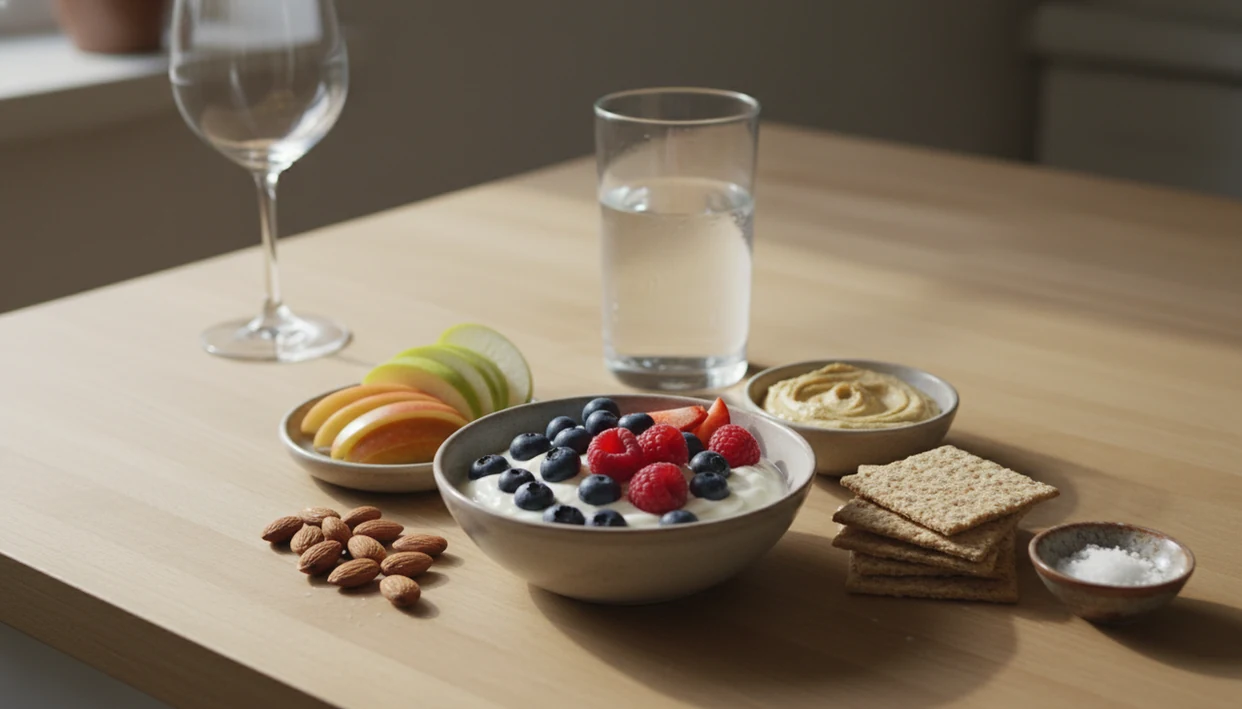
The urge may arrive at the exact time you used to pour a drink: chocolate after dinner, soda late at night, or an intense need for something crunchy. This is not a character flaw. Your appetite, reward expectations, sleep, and evening routine are all adjusting.
Focus first on safety. If you drink heavily every day or have had withdrawal symptoms before, get medical advice before stopping or making a large reduction. Food can ease hunger, but it cannot prevent withdrawal seizures, hallucinations, or severe confusion.
Short answer
Sugar cravings after quitting alcohol can reflect lost alcohol calories, uneven meals, poor sleep, stress, and a brain seeking a familiar quick reward. Regular meals, protein and fiber, planned snacks, hydration, and a 10-minute delay can help. Sugar does not treat alcohol withdrawal, and cravings do not prove you have a magnesium deficiency.
The Main Reasons Sweet and Salty Cravings Appear
- Sugar cravings after quitting alcohol are common, and they are not proof that you are “bad at” cutting back.
- Alcohol removal can change fast calories, dopamine reward, blood sugar rhythm, stress response, and evening habits at the same time.
- Salt cravings after quitting alcohol may reflect dehydration, sweating, appetite rebound, or a savory replacement ritual, not always sodium deficiency.
- Magnesium alcohol cravings are a real question because heavy alcohol use is linked with mineral depletion, but lab testing and medical context matter.
- Practical coping usually starts with protein-rich meals, planned snacks, fluids, movement, sleep, and a craving log with time, trigger, intensity, and response.
A useful next step is to treat cravings as data, not a character verdict. If evenings are the hard window, the wider pattern is covered in how to stop evening alcohol cravings.
Why Does the Brain Look for Sugar When Alcohol Is Gone?
Sugar cravings after quitting alcohol work through reward pathways, blood sugar changes, and habit loops that were previously tied to drinking.
Alcohol provides about 7 calories per gram, so cutting it out can remove a frequent quick-energy source. NIAAA lists alcohol at about 7 calories per gram, which is close to fat’s 9 calories per gram and higher than carbohydrate or protein at 4 calories per gram NIAAA alcohol data. Alcohol and sugar can both affect dopamine and serotonin signaling, which are involved in reward, mood, and reinforcement. Once the usual drink is gone, something sweet may become the quickest available source of energy, comfort, and reward.
Blood sugar may also feel less steady. Some people notice low energy around dinner, chocolate cravings at night, or a sudden urge for soda after they stop pouring a drink. The sticky bar table under your fingertips is gone, but the reward expectation may still be there.
In 2022, about 28.8 million U.S. adults had alcohol use disorder, according to NIAAA data NIAAA alcohol data. Population-level appetite changes affect a large group, but they do not predict one person’s exact timeline.
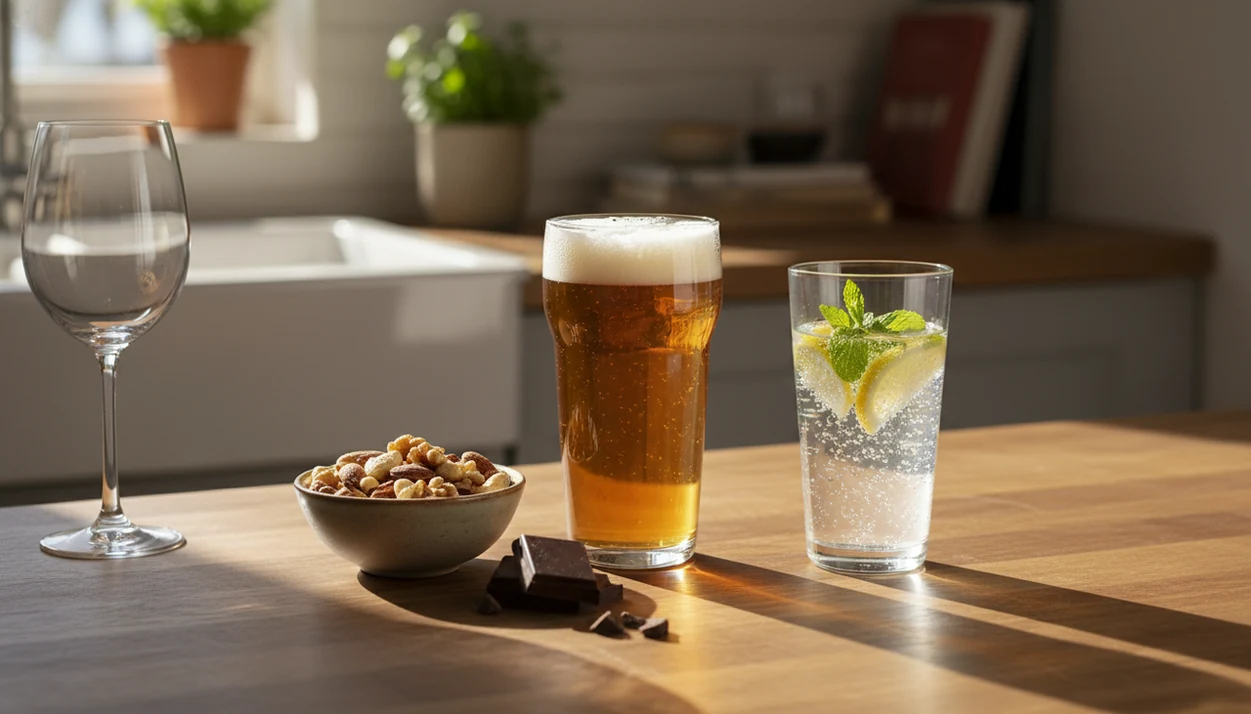
Blood Sugar Dips vs an Evening Reward Habit
Sudden candy, carb, soda, or chip cravings after stopping drinking often come from a blood-sugar dip plus a learned evening reward loop.
One reason is a blood sugar rise-and-crash pattern. A sweet food or refined carb can raise glucose quickly, which may feel like relief when you are tired, tense, or restless. Then glucose can fall again, leaving the body asking for another quick hit. Cookies, chips, soda, and refined carbohydrates may bring quick relief at 9 p.m., followed by renewed hunger or another craving later that night.
Sugar can be a short-term bridge for some people. It may be safer than returning to alcohol during a high-risk craving. However, relying on candy every night can keep the same “fast relief” loop alive.
A planned snack containing protein, fiber, and fat can be more manageable than going hungry and may reduce the energy dip that restarts the craving.
Why Sugar Cravings Happen After Quitting Alcohol and How to Manage Them
Alcohol provides about 7 calories per gram, so stopping can remove a regular source of calories at the same time that appetite returns. Sweets offer fast energy and an immediate reward, especially after a long gap without food. Alcohol can also be tied to dinner, the end of work, or relief from anxiety. A craving at that hour may be hunger, stress, habit, or several of these at once. The National Institute on Alcohol Abuse and Alcoholism advises medical help when prolonged heavy drinking could make withdrawal dangerous.
- Eat breakfast or lunch with protein instead of saving most food for the evening.
- Have a planned snack before the time you usually drank.
- Keep fruit, yogurt, oats, eggs, beans, vegetables, or nuts within easy reach.
- Allow a planned dessert if it helps you avoid drinking, rather than treating every sweet food as a failure.
A six-step response to a sudden craving
- Name the cue, such as hunger, loneliness, a difficult call, or the usual drinking hour.
- Rate the urge from 1 to 10.
- Drink water or another nonalcoholic beverage.
- Eat a balanced snack if you have gone several hours without food.
- Change rooms, walk, shower, or contact someone, then wait 10 to 20 minutes.
- Record what helped so you can prepare for the same cue next time.
When the Craving Is Salty Instead of Sweet
Salt cravings after quitting alcohol can come from fluid shifts, dehydration, sweating, stress, or appetite rebound. They can also come from the simple ritual of replacing a drink with something crunchy and savory.
A beer fridge hum during dinner prep can be a cue. If beer used to pair with pretzels, pizza, or crisps, the mouth may still expect salt when that time of day arrives. The body and the room both remember the pattern.
Not every salty craving means a sodium deficiency. Most people need a wider view: fluids, meals, sleep, medications, blood pressure, and medical history. Watch for dizziness, persistent thirst, swelling, faintness, or symptoms that feel unusual for you. People with kidney disease, heart disease, high blood pressure, diabetes, or eating disorder history should ask a clinician before making big salt or fluid changes.
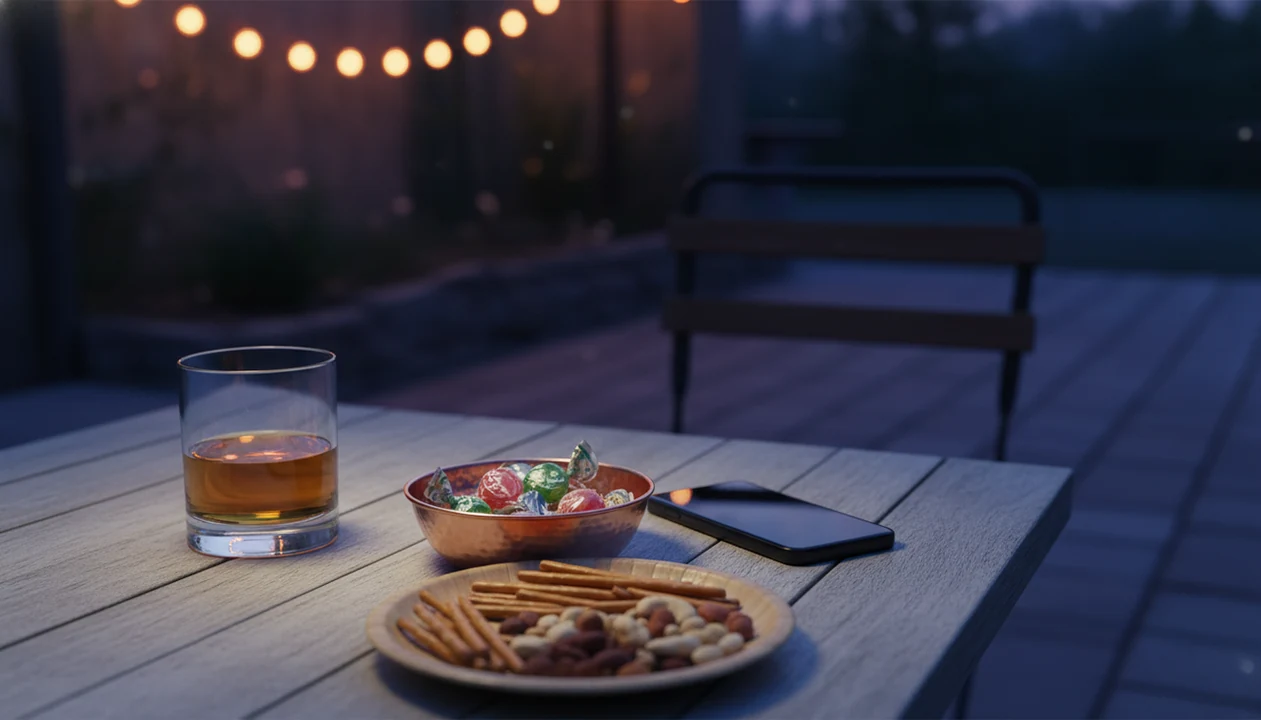
If you drink heavily every day, have had withdrawal before, or develop shaking, sweating, vomiting, a racing heart, hallucinations, or confusion, seek medical advice rather than stopping suddenly on your own. Call 911 for a seizure, severe confusion, fainting, chest pain, or inability to keep fluids down.
Magnesium, Alcohol Cravings, and Deficiency Concerns
Magnesium may help if a true deficiency is present, but it is not a guaranteed alcohol craving cure. Chronic heavy drinking is associated with magnesium deficiency in up to 30 to 80% of people with alcohol use disorder, according to a 2019 review the NIH. That matters, but it does not mean every craving is a magnesium problem.
Alcohol-related nutrition changes can involve several micronutrients, including magnesium, zinc, and B vitamins. Symptoms such as fatigue, poor sleep, muscle cramps, anxiety, and appetite changes can overlap with withdrawal, stress, medication effects, and ordinary under-eating.
High-dose supplements can cause side effects and may interact with medications or medical conditions. Before treating a suspected deficiency, a clinician may review your diet, drinking history, symptoms, medications, kidney function, and relevant laboratory results. Magnesium-rich foods such as leafy greens, nuts, seeds, and legumes are reasonable for many people, but supplement dosing belongs in medical context.
Build a Food and Sleep Plan for the Hardest Hours
Use these steps to reduce sugar, salt, and snack cravings while your alcohol routine changes:
- Eat regular meals with protein, fiber, and healthy fats, especially before your usual drinking window.
- Hydrate early with water or a nonalcoholic drink, then reassess thirst before reaching for salty snacks.
- Plan one snack such as Greek yogurt, nuts, fruit with nut butter, hummus, or eggs, rather than grazing from the bag.
- Move for 10 minutes when the craving spikes; walking can lower stress arousal without adding another reward loop.
- Protect sleep by dimming screens and setting a repeatable evening routine.
- Write down the pattern: record the time, trigger, intensity, food response, and whether the urge changed after 10 to 20 minutes.
The behavior skill is the important part. For a broader progress method, the track alcohol progress guide explains what to measure without turning recovery into a scoreboard.
Match the Response to the Type of Craving
Sugar, salt, crunchy snacks, and mineral-type concerns can overlap, but the response should match the likely driver. Use the table as a sorting tool, not a diagnosis.
| Craving type | Likely drivers | Common examples | Helpful response |
|---|---|---|---|
| Sweet cravings | Fast calories, dopamine reward, blood sugar dips | Chocolate, cookies, soda, ice cream | Eat a balanced snack, then wait 15 minutes |
| Salty cravings | Fluid shifts, sweating, stress, savory ritual | Chips, pretzels, salted nuts | Drink fluids, portion the snack, check symptoms |
| Crunchy snack cravings | Habit loop, hand-to-mouth routine, boredom | Crisps, crackers, popcorn | Use a bowl, add protein, change location |
| Mineral-type concerns | Possible low magnesium, zinc, or B vitamins | “I feel depleted,” cramps, fatigue | Review diet and ask a clinician if persistent |
The categories blur in real life. A bowl of salty popcorn may be about hydration, texture, stress, or the old drinking chair. If social settings are the trigger, how to socialize without alcohol may help you plan the food and drink environment first.
Break the Evening Cue, Routine, and Reward Cycle
Alcohol cravings often run inside a habit loop: cue, routine, reward. The cue might be 6:30 p.m., a pub exit through the smoking area, or opening a delivery app. The routine used to be drinking. The reward was relief, taste, numbness, or social permission to stop thinking.
Linked behaviors can intensify sugar cravings. Wine may pair with cigarettes. Beer may pair with salty snacks. Vaping while scrolling may keep the hand-to-mouth rhythm active after alcohol is removed. Replacement routines work better when they give the body something specific: a shower, herbal tea, a protein snack, a walk, or urge surfing for five minutes.
Tracking can support behavior change, but it cannot provide detoxification, diagnosis, emergency care, or medical treatment.
Why Sugar Cravings Happen After Quitting Alcohol and How to Manage Them Without Another Automatic Habit
A substitute can be useful without becoming your only coping tool. Sweets, salty snacks, alcohol-free drinks, television, exercise, and gaming can all interrupt an alcohol craving. The key question is not whether the substitute feels rewarding. It is whether you can choose it, set a limit, stop, and use something different next time.
| Substitute | Planned use | Possible warning sign |
|---|---|---|
| Sweets | Dessert after a meal | Secret eating or constant grazing |
| Salty snacks | One portion during the difficult hour | Large bags become the nightly routine |
| Movement | A walk or stretch for stress relief | Exercise becomes punishment for eating |
| Alcohol-free drinks | A set amount at home | The quantity rises or old bar routines continue |
| Entertainment | A chosen show, game, or book | Avoiding sleep, meals, or every uncomfortable feeling |
Warning signs include rising amounts, secrecy, distress, loss of control, or feeling unable to cope without one specific reward. Try rotating among taste, movement, rest, social contact, and a change of setting. A snack can be a practical bridge on a hard night. It becomes a concern when it causes distress, medical problems, or another pattern you cannot pause.
Describe the moment precisely: “9:15 p.m., alone on the couch, hungry, thinking about wine” gives you more options than “I have no willpower.”
The First 72 Hours: Cravings or Alcohol Withdrawal?
Timing matters when sweet cravings appear after a major reduction in drinking. Alcohol withdrawal can begin 6 to 12 hours after the last drink. Symptoms may be worst during the first 48 hours and commonly improve over 3 to 7 days. Seizures often occur 12 to 48 hours after stopping, while severe confusion and hallucinations can emerge around 48 to 72 hours. Review the NHS overview of alcohol dependence and withdrawal and its alcohol treatment guidance for the clinical warning signs.
- Food may help hunger or low energy, but it does not prevent seizures or severe withdrawal.
- Shaking, heavy sweating, a racing heart, vomiting, hallucinations, or confusion should not be managed with candy, sports drinks, or supplements.
- A previous withdrawal seizure or episode of severe withdrawal raises concern about trying to detox without medical supervision.
Withdrawal Signs That Need Medical Care
Get medical help promptly when alcohol reduction brings symptoms that feel severe, unsafe, or hard to manage at home. Cravings and food changes are common, but withdrawal and nutrition problems can become medical.
Call 911 for a seizure, severe confusion, hallucinations, chest pain, fainting, severe shaking, fever, extreme agitation, or an immediate risk of harm to yourself or someone else. Repeated vomiting, inability to keep fluids down, dark urine, dizziness when standing, or signs of dehydration also need clinical support, especially if they persist.
- Seek urgent care if withdrawal symptoms are escalating or you cannot stay hydrated.
- Arrange a clinical assessment if intense cravings persist, vomiting continues, you are losing weight, or eating and food restriction begin to feel compulsive.
- Flag your history if you have diabetes, pregnancy, an eating disorder, kidney disease, heart disease, high blood pressure, or complex medications.
- Ask before starting magnesium, electrolyte powders, or high-dose supplements, because dose and medical context matter.
- Request review of medications, diet, alcohol history, and labs if magnesium, sodium, potassium, zinc, or B-vitamin deficiency is suspected.
Questions About Sugar Cravings and Alcohol
How long do sugar cravings last after stopping drinking?
There is no fixed schedule. Cravings may be strongest during the early days or weeks, then become less frequent as meals, sleep, and routines settle. They can still return during stress or at the old drinking time. Persistent or worsening cravings deserve a review of nutrition, sleep, medications, and alcohol recovery support.
Can sugar cravings after quitting alcohol be a withdrawal symptom?
A desire for sweets can accompany early adjustment, but it cannot show how severe withdrawal is. Anxiety, shaking, sweating, nausea, insomnia, a racing heart, hallucinations, confusion, or seizures are more concerning. Heavy daily drinkers should get medical advice before stopping or sharply reducing alcohol.
Is eating sugar better than returning to alcohol?
On a high-risk night, a sweet snack may be the safer immediate choice than drinking. It does not need to be perfect. Over time, pair planned treats with regular meals, protein, fiber, hydration, sleep, and other rewards so sweets do not become the only response available.
What snacks help with alcohol and sugar cravings?
Options containing protein and fiber tend to be more filling than candy alone. Try yogurt and fruit, nuts, fruit with nut butter, eggs, hummus and vegetables, oats, or beans on toast. A planned portion before your usual drinking time may help more than waiting until the craving is intense.
Do sugar cravings mean I need magnesium?
No. Sugar cravings alone cannot diagnose magnesium deficiency. Fatigue, poor sleep, cramps, anxiety, and appetite changes have many possible causes, including withdrawal and under-eating. A clinician can consider your diet, drinking history, medications, kidney function, symptoms, and laboratory results before recommending supplements.
Are salt cravings normal after quitting alcohol?
They can occur because of thirst, sweating, appetite rebound, stress, or a learned pairing between alcohol and salty snacks. They do not always mean sodium deficiency. Seek advice if the craving comes with faintness, persistent thirst, swelling, vomiting, or unusual symptoms, especially with kidney disease, heart disease, diabetes, or high blood pressure.
How can I stop nighttime sugar cravings after quitting drinking?
Eat a full meal before the usual drinking window, plan one satisfying snack, and keep a nonalcoholic drink ready. When the urge starts, rate it, change rooms, and delay the decision for 10 to 20 minutes. Record the time, mood, last meal, and response to identify repeat evening cues.